AI Social Media Scheduling for LinkedIn Content
AI social media schedulers transform LinkedIn content from random posting to strategic authority building that attracts B2B leads.


AI-powered social media scheduling transforms LinkedIn from sporadic posting to strategic authority building that attracts qualified B2B leads. According to LinkedIn statistics from DemandSage, businesses that post weekly see 2X growth in engagement—but consistency alone isn't enough. The real power comes from AI that optimizes timing, format, and content themes to build the authority that makes prospects come to you. Research shows this inbound approach converts at 14.6% versus 1.7% for outbound tactics.
Key Takeaways
- Consistent LinkedIn posting drives 2X engagement growth, but timing and format matter significantly
- Carousel posts get 596% more engagement than text-only posts
- AI schedulers optimize beyond timing—they identify content themes that resonate with your target audience
- Strategic content builds searchable authority that attracts prospects actively researching solutions
- Inbound leads from content convert 8-9X better than cold outreach recipients
- ConnectSafely.ai combines scheduling with engagement to maximize content visibility and lead attraction
Beyond Basic Scheduling: AI-Powered Content Strategy
Traditional social media schedulers simply post content at predetermined times. AI-powered scheduling transforms your LinkedIn approach:
Want to Generate Consistent Inbound Leads from LinkedIn?
Get our complete LinkedIn Lead Generation Playbook used by B2B professionals to attract decision-makers without cold outreach.
No spam. Just proven strategies for B2B lead generation.
| Basic Scheduling | AI-Powered Strategy |
|---|---|
| Posts at set times | Optimizes timing per audience segment |
| Consistent frequency | Strategic frequency based on engagement |
| Random content mix | Theme optimization for authority building |
| Passive posting | Active engagement amplification |
| Vanity metrics | Lead generation tracking |
The difference: AI scheduling builds authority; basic scheduling just maintains presence.
Why LinkedIn Content Drives Inbound Leads
LinkedIn's statistics reveal why content strategy matters for B2B:
- 97% of B2B marketers use LinkedIn for content distribution
- 80% of B2B social leads come from LinkedIn
- 63 million decision-makers are active on the platform
- Average engagement rate is 3.85%—higher than other professional platforms
When prospects research solutions, they evaluate vendors through content. Your LinkedIn presence either positions you as an authority or leaves you invisible.

AI-Optimized Content Timing
Timing significantly impacts reach. AI schedulers analyze:
Audience Activity Patterns
Not all audiences are active at the same times. AI identifies when your specific followers and target accounts engage most:
- Industry-specific patterns (tech vs. healthcare vs. finance)
- Role-based timing (executives vs. practitioners)
- Geographic distribution of your audience
- Day-of-week engagement variations
Algorithmic Timing
LinkedIn's algorithm rewards early engagement. AI schedulers:
- Post when your engaged followers are most active
- Time content to maximize first-hour interactions
- Avoid competing with high-volume posting periods
- Adjust based on content format (video timing differs from text)
Competitive Timing
AI monitors when competitors post to identify:
- Gaps where your content faces less competition
- Opportunities to respond to industry conversations
- Timing that positions you in relevant discussions
Content Format Optimization
Cognism's LinkedIn statistics show format dramatically impacts engagement:
| Content Format | Engagement vs. Text-Only |
|---|---|
| Carousel posts | +596% |
| Image posts | +200% |
| Video content | +500% |
| Posts with hashtags | +30% |
AI schedulers recommend formats based on:
- Your audience's format preferences
- Topic suitability (some concepts need visuals)
- Your production capacity
- Historical performance data
Building Authority Through Content Themes
The most valuable AI scheduling feature isn't timing—it's theme optimization. AI identifies which content topics:
Attract Your Target Audience
Analysis of engagement patterns reveals:
- What problems resonate with your ICP
- Which perspectives differentiate you
- What questions your audience is asking
- Where knowledge gaps exist
Build Searchable Expertise
LinkedIn's search algorithm indexes content. AI helps you:
- Target keywords your prospects search
- Build content clusters around core expertise areas
- Create answerable content for LinkedIn's AI features
- Develop comprehensive coverage of your niche
Generate Engagement Signals
Strategic content creates trackable engagement signals:
- Comments that indicate interest depth
- Shares that expand reach
- Profile views from content consumers
- Connection requests from engaged readers
The Content-to-Lead Pipeline
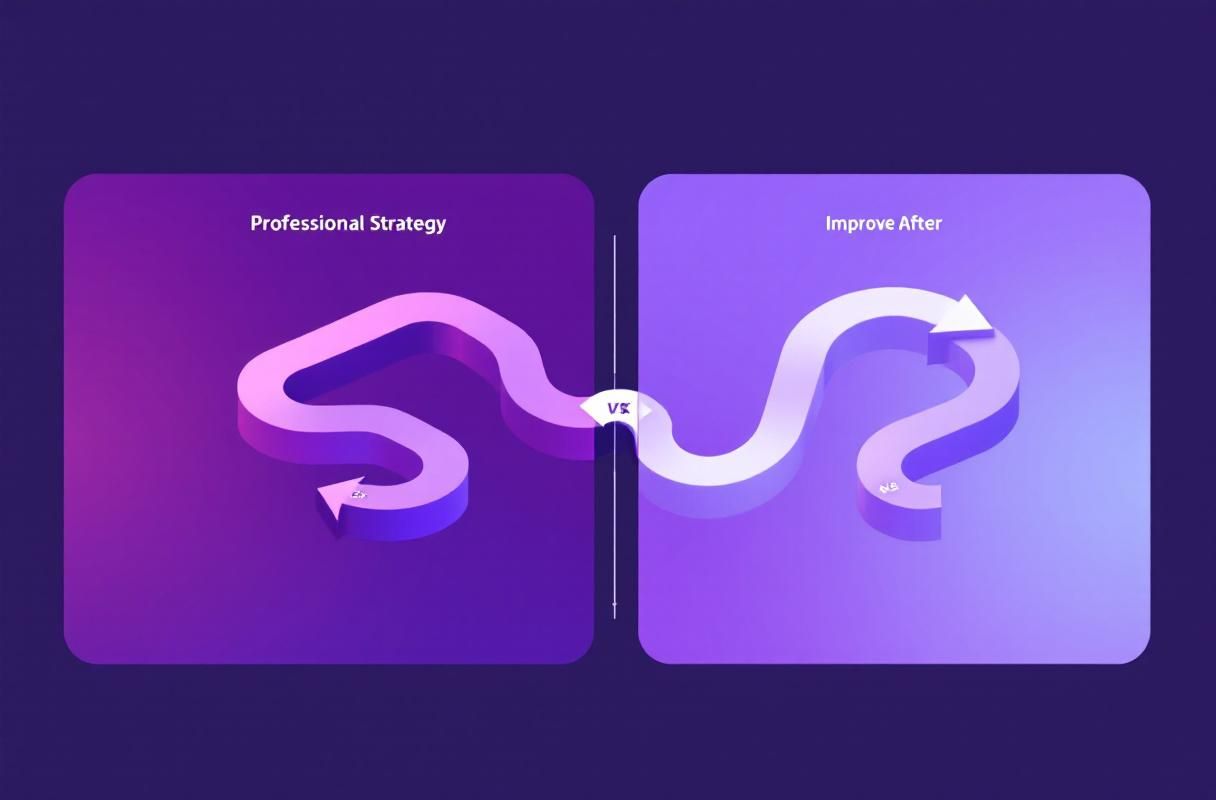
AI scheduling supports a clear progression from content to conversion:
Stage 1: Visibility
Consistent, well-timed content builds algorithmic reach:
- Regular posting increases follower feed appearances
- Engagement triggers expanded distribution
- Search indexing improves discoverability
Stage 2: Authority
Themed content establishes expertise:
- Repeated exposure builds recognition
- Depth of coverage demonstrates knowledge
- Perspective consistency creates trust
Stage 3: Engagement
Authority generates inbound signals:
- Comments on your posts indicate interest
- Profile views show research behavior
- Connection requests signal relationship openness
Stage 4: Conversation
Engagement creates conversion opportunities:
- Warm outreach to engaged prospects
- Inbound messages from content consumers
- Qualified conversations with pre-educated leads
Implementing AI-Powered LinkedIn Scheduling
Step 1: Content Audit
Before scheduling, assess your current state:
- What content has performed best historically?
- What themes align with your expertise?
- What gaps exist in your content coverage?
- What questions does your audience ask?
Step 2: Theme Development
Define 3-5 core content themes that:
- Align with problems you solve
- Interest your target audience
- Differentiate your perspective
- Support searchability goals
Step 3: Format Planning
Match formats to themes:
- Complex concepts → Carousels or video
- Quick insights → Text posts
- Data/statistics → Visual graphics
- Stories/experiences → Long-form text
Step 4: Scheduling Cadence
Set sustainable frequency:
- Minimum: 2-3 posts per week for engagement growth
- Optimal: Daily posting for maximum visibility
- Maximum: Quality limits quantity—don't sacrifice substance
Step 5: Performance Optimization
Use AI to continuously improve:
- A/B test posting times
- Analyze theme performance
- Adjust format mix based on results
- Identify emerging topics
Beyond Posting: Integrated Engagement
Scheduling alone doesn't maximize content ROI. AI-powered platforms integrate:
Comment Engagement
Your comments on others' content drive visibility too:
- Strategic commenting on posts your audience reads
- Responses to comments on your content
- Engagement that builds relationships
Content Amplification
Strategic early engagement boosts algorithmic reach:
- Engagement pods with relevant professionals
- Timed interactions from your network
- Cross-promotion strategies
Lead Tracking
Connect content performance to business outcomes:
- Track who engages with what topics
- Identify patterns in qualified lead behavior
- Measure content-to-conversation pipeline
The ConnectSafely.ai Approach
ConnectSafely.ai goes beyond basic scheduling to provide:
- AI-optimized timing: Posts reach your audience when they're most active
- Engagement integration: Commenting strategy that amplifies content visibility
- Signal tracking: Monitor who engages and identify buying intent
- Authority analytics: Measure metrics that predict lead generation
Starting from USD $10/month, it's a fraction of enterprise social media tools—with the inbound focus that actually generates qualified leads.
Getting Started
Transform your LinkedIn content from random posting to strategic authority building:
- Audit your current content to identify what resonates
- Define your authority themes around problems you solve
- Set up AI-optimized scheduling for consistent, well-timed posting
- Integrate engagement to amplify content reach
- Track signals to identify prospects content attracts
The best leads aren't won through outreach volume. They're attracted through visible expertise.
Frequently Asked Questions
What's the best time to post on LinkedIn in 2026?
There's no universal "best time"—it depends on your specific audience. AI schedulers analyze when your followers and target accounts are most active, typically finding optimal windows during business hours with variations by industry and role.
How often should I post on LinkedIn to generate leads?
LinkedIn data shows businesses posting weekly see 2X engagement growth. For lead generation, 3-5 posts per week provides consistent visibility without sacrificing quality. Daily posting maximizes reach if you can maintain substance.
Do LinkedIn carousels really get 596% more engagement?
Yes—Cognism's research confirms carousel posts dramatically outperform text-only content. However, format should match your message. Not every insight needs a carousel; use the format that best communicates your idea.
How do AI social media schedulers differ from tools like Buffer or Hootsuite?
Basic schedulers post at set times. AI-powered schedulers optimize timing per audience segment, recommend content themes based on performance, integrate engagement strategy, and track signals that indicate lead generation—not just vanity metrics.
Can AI scheduling actually generate B2B leads?
Scheduling alone doesn't generate leads—but strategic, consistent content builds the authority that attracts them. Inbound leads convert at 14.6% versus 1.7% for cold outreach because prospects self-select based on demonstrated expertise.
Ready to transform LinkedIn content into a lead generation engine? Start your free trial and build authority that attracts qualified prospects.
The Dark Side of AI-Driven Content: Over-Optimization and Authenticity Trade-Offs
While AI-powered social media scheduling can significantly enhance your LinkedIn content strategy, it's crucial to acknowledge the potential downsides of over-reliance on automation. As AI optimizes your content for maximum engagement, there's a risk of over-optimization, where the pursuit of algorithmic perfection compromises the authenticity and humanity of your brand voice. This can lead to a sense of detachment or insincerity, ultimately damaging your relationship with your audience. Furthermore, the constant tweaking and refinement of content to appease the algorithm can result in a loss of consistency and cohesion in your overall narrative. It's essential to strike a balance between leveraging AI-driven insights and maintaining a genuine, relatable tone that resonates with your target audience. By being aware of these trade-offs, you can harness the power of AI to elevate your content strategy while preserving the essence of your brand's personality.
Myth vs Reality: Debunking Common Misconceptions About AI Social Media Scheduling
One of the most pervasive myths surrounding AI social media scheduling is that it's a set-it-and-forget-it solution. Many believe that once you've configured your AI scheduler, you can simply sit back and let the automation do its magic. However, this misconception ignores the critical role of human oversight and curation in ensuring the success of your content strategy. In reality, AI social media scheduling is most effective when used in conjunction with ongoing human evaluation and refinement. It's essential to regularly review and adjust your AI-driven content to ensure it remains aligned with your evolving brand goals and audience preferences. Another common myth is that AI scheduling is only suitable for large enterprises with extensive resources. In truth, AI-powered scheduling can be just as beneficial for smaller businesses and individual professionals, providing they have a clear understanding of their target audience and content objectives. By recognizing and dispelling these myths, you can unlock the true potential of AI social media scheduling for your LinkedIn content strategy.
Advanced-Level: Leveraging AI-Driven Content Clustering for Enhanced Authority Building
For experienced marketers seeking to push the boundaries of their LinkedIn content strategy, AI-driven content clustering offers a sophisticated approach to authority building. By analyzing your existing content and identifying thematic patterns, AI can help you create clusters of related posts that collectively demonstrate your expertise and thought leadership. This approach enables you to present a cohesive and authoritative narrative, rather than simply publishing disparate pieces of content. To implement content clustering, you'll need to work closely with your AI scheduler to categorize and tag your content, creating a taxonomy that reflects your brand's areas of expertise. As you continue to publish new content, your AI scheduler can then draw upon this taxonomy to identify opportunities for clustering and amplify your authority-building efforts. By mastering content clustering, you can establish your brand as a trusted and influential voice in your industry, driving increased engagement and lead generation on LinkedIn.
The Importance of Contextual Understanding in AI Social Media Scheduling
While AI has made tremendous strides in natural language processing and content analysis, it's still crucial to recognize the limitations of machine understanding when it comes to contextual nuances. AI social media schedulers can struggle to fully comprehend the complexities of human communication, such as sarcasm, irony, or subtle humor. As a result, there's a risk that AI-driven content may be misinterpreted or fail to resonate with your target audience. To mitigate this risk, it's essential to provide your AI scheduler with rich contextual information about your brand, audience, and content objectives. This may involve manually annotating your content with relevant keywords, hashtags, or emotional intelligence tags, enabling your AI scheduler to better understand the subtleties of human communication. By acknowledging the importance of contextual understanding, you can work in tandem with your AI scheduler to create content that is both optimized for engagement and sensitive to the nuances of human interaction.
Navigating the Gray Areas: When AI Social Media Scheduling Advice Contradicts Best Practices
As you delve deeper into the world of AI social media scheduling, you may encounter situations where the advice of your AI scheduler appears to contradict established best practices. For instance, your AI scheduler may recommend publishing content at unusual times or using unconventional formats, which could potentially conflict with your existing content strategy. In these situations, it's essential to adopt a nuanced and adaptive approach, recognizing that AI-driven insights are not always absolute. Instead, consider the specific context and goals of your content strategy, weighing the potential benefits of the AI-recommended approach against the potential risks and trade-offs. It may be necessary to experiment with different approaches, monitoring the results and adjusting your strategy accordingly. By embracing this iterative and flexible mindset, you can effectively navigate the gray areas of AI social media scheduling and unlock new opportunities for growth and engagement on LinkedIn.
See How It Works
Watch how people get more LinkedIn leads with ConnectSafely




Related Articles