Beyond Automated Lead Generation: LinkedIn Inbound Wins
Automated lead generation promises efficiency but delivers diminishing returns. LinkedIn inbound attracts higher-quality leads.

LinkedIn inbound lead generation attracts qualified prospects who already trust your expertise, delivering 14.6% conversion rates versus automated outbound's 1.7%—at 97% lower cost per meeting and without platform risk.
Automated lead generation promises efficiency: cold sequences on autopilot, scaled LinkedIn outreach, 24/7 chatbots, and AI-optimized workflows. But here's the truth automation vendors hide: the more you automate outbound prospecting, the less effective it becomes. Response rates have plummeted 50-75% over five years as prospects develop immunity and platforms restrict automated activity. LinkedIn inbound inverts this by attracting prospects who already want to hear from you.
Want to Generate Consistent Inbound Leads from LinkedIn?
Get our complete LinkedIn Lead Generation Playbook used by B2B professionals to attract decision-makers without cold outreach.
No spam. Just proven strategies for B2B lead generation.
Key Takeaways
- Automated outbound faces declining returns with response rates dropped from 5-8% (2018) to 1-2% (2026) while inbound delivers 14.6% conversion from pre-qualified prospects
- The cost difference is massive: $400-800 per meeting with automated outbound versus $50-100 with LinkedIn inbound—4-8X more meetings at 20% of the cost
- Inbound compounds while outbound depletes: month 12 of inbound brings established authority and predictable lead volume, while outbound requires constant list reinvestment
- Strategic engagement automation builds visibility in high-value conversations where prospects discover you, rather than interrupting them with cold messages
- Platform-compliant inbound works with LinkedIn's algorithm earning zero ban risk, while automated outbound faces increasing restrictions
The Automation Efficiency Trap
Traditional lead generation automation focuses on five primary methods:
- Cold email automation: Sequences that nurture prospects from first touch to meeting
- LinkedIn outreach automation: Bulk connection requests and follow-up messaging
- Chatbot implementation: Capturing visitor information proactively
- Outbound workflows: Systems with feedback loops refining prospect criteria
- Inbound-led outbound: Combining website visitor data with prospecting
Each method promises efficiency. Each method faces the same fundamental problem: prospects don't want to be automated at.
The Declining Returns Reality
Consider the trajectory of cold email:
- 2018: 30-40% open rates, 5-8% response rates were achievable
- 2021: 20-25% open rates, 2-4% response rates became the norm
- 2024: 15-20% open rates, 1-2% response rates if you're lucky
- 2026: Spam filters, privacy regulations, and prospect fatigue have made cold email nearly unworkable
LinkedIn automation tells a similar story:
- Connection request acceptance: Dropped from 40%+ to under 25%
- Message response rates: Fallen from 15% to under 5%
- Account restrictions: Increased 300% as LinkedIn cracks down
- Weekly connection limits: Reduced from 100/day to 100/week
The more people automate outbound, the less outbound works for everyone.
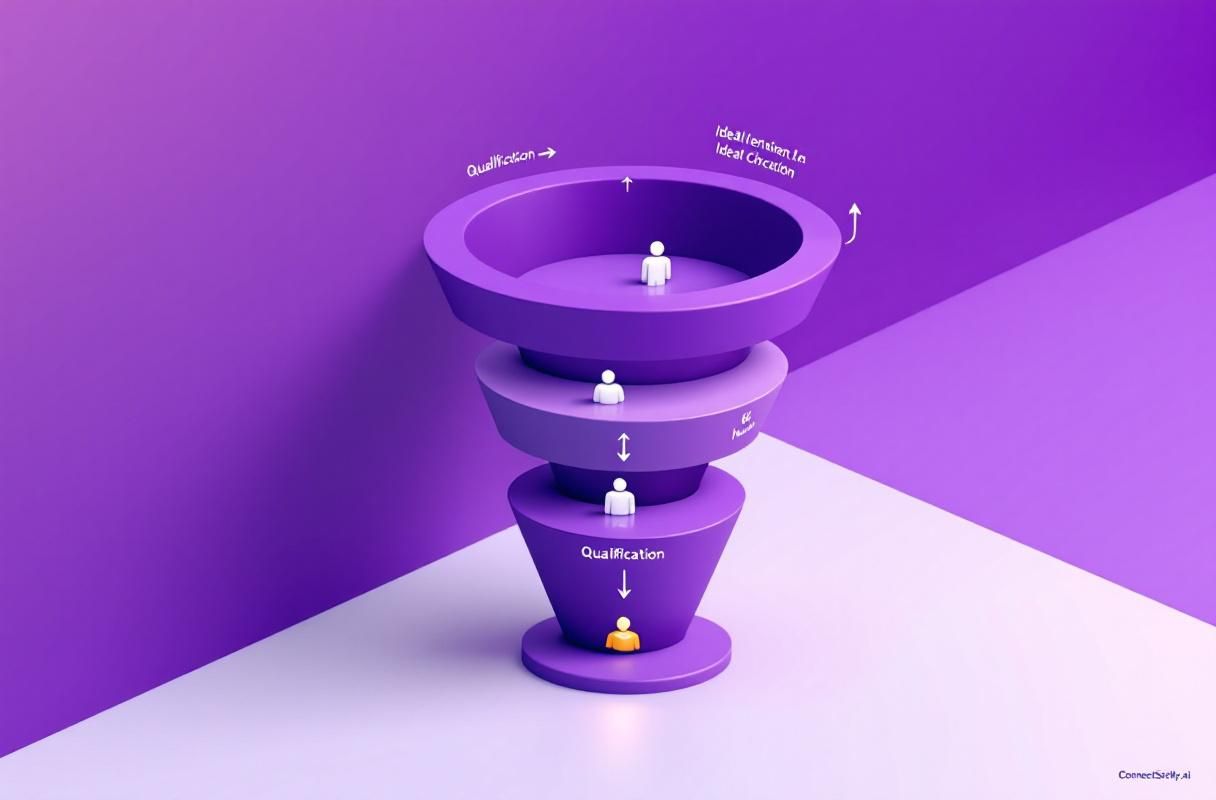
Why Automation Fails at Its Core Promise
Lead generation automation is built on a flawed assumption: that efficiency in reaching prospects translates to effectiveness in converting them.
But reaching prospects was never the problem. The problem is that cold prospects don't convert.
The cold prospect challenge:
- No existing relationship or trust
- No understanding of your expertise or approach
- No pre-qualification of fit with their needs
- No differentiation from hundreds of other vendors
- No reason to prioritize your message over everything else
Automation makes reaching cold prospects more efficient. But it doesn't make cold prospects any warmer. You're just interrupting more people faster.
The Real Costs of Automated Outreach
Beyond declining effectiveness, automated lead generation carries hidden costs:
Platform risk: LinkedIn bans, email blacklisting, and domain reputation damage can undo months of work instantly.
Brand damage: Prospects remember automated outreach—and not fondly. Your reputation precedes you in the wrong way.
Time sink: Despite "automation," most systems require constant optimization, list building, and sequence adjustment.
Opportunity cost: Every hour spent on outbound is an hour not spent building the authority that attracts inbound.
Diminishing data quality: As you exhaust your best prospects, you're left targeting increasingly poor-fit leads.
The LinkedIn Inbound Alternative
What if instead of automating the chase, you automated the attraction?
LinkedIn inbound lead generation flips the traditional model:
| Automated Outbound | LinkedIn Inbound |
|---|---|
| You find prospects | Prospects find you |
| Efficiency in reaching | Effectiveness in converting |
| Volume-based success | Quality-based success |
| Diminishing returns | Compounding returns |
| Platform risk | Platform alignment |
| 1-2% conversion | 14.6% conversion |
The conversion rate difference—8-9X improvement—reflects a fundamental truth: prospects who come to you are already interested, already trust your expertise, and already see potential fit.
How LinkedIn Inbound Works
LinkedIn inbound lead generation builds visibility and authority so prospects discover you naturally:
Strategic engagement: Thoughtful commenting on content your prospects read positions you as a knowledgeable voice in relevant conversations.
Authority demonstration: Rather than claiming expertise in cold messages, you demonstrate it through visible contributions to industry discussions.
Algorithmic amplification: LinkedIn rewards authentic engagement. Your visibility compounds as the algorithm surfaces your contributions to relevant audiences.
Warm connection: When you do reach out, prospects already recognize your name. "I've seen your comments" transforms cold outreach into warm conversation.
Inbound attraction: Ultimately, prospects reach out to you—asking questions, seeking advice, exploring collaboration.
Building Your LinkedIn Inbound System
Here's how to transition from automated outbound to LinkedIn inbound:
Step 1: Define Your Authority Position
Before building visibility, clarify what you want to be known for:
- Specific expertise: What problem do you solve better than anyone?
- Target audience: Who specifically needs your solution?
- Unique perspective: What do you believe that others don't?
Generic positioning attracts generic results. Specific positioning attracts qualified prospects.
Step 2: Map Your Visibility Opportunities
Identify where your prospects spend attention on LinkedIn:
- Thought leaders: Which creators do your ideal clients follow?
- Industry topics: What hashtags and subjects engage your audience?
- Company pages: Which organizations does your ICP monitor?
- Publications: What media outlets generate prospect engagement?
These become the venues for your visibility strategy.
Step 3: Establish Consistent Engagement
Build visibility through regular, valuable contributions:
Daily engagement (20-30 minutes):
- Comment substantively on 5-7 relevant posts
- Add genuine insights, not generic praise
- Connect with prospects who engage with your comments
Weekly content (1-2 hours):
- Share expertise through original posts
- Demonstrate thought leadership on industry topics
- Engage actively with comments on your content
Step 4: Convert Visibility to Conversations
As visibility builds, prospects signal interest through:
- Profile views: Track who's checking you out
- Repeat engagement: Notice who consistently interacts with your content
- Direct messages: Respond promptly to inbound inquiries
- Connection requests: Accept and nurture warm connections
When you do reach out, you're continuing a conversation, not starting cold.

The Compounding Advantage
The critical difference between automated outbound and LinkedIn inbound is the trajectory over time:
Automated outbound trajectory:
- Month 1: Initial results as you hit fresh prospects
- Month 3: Declining returns as you exhaust best-fit contacts
- Month 6: Constant optimization needed to maintain baseline
- Month 12: Starting over with new lists, new approaches, new tools
LinkedIn inbound trajectory:
- Month 1: Building foundation, limited visible results
- Month 3: Authority emerging, inbound signals increasing
- Month 6: Consistent inbound flow, compounding visibility
- Month 12: Established authority, predictable qualified lead volume
The inbound approach requires patience upfront but delivers sustainable, growing returns. Outbound offers quick hits but requires constant reinvestment.
Real Results: Inbound vs. Outbound Economics
Let's compare the actual economics:
Automated outbound costs:
- Email automation tool: $100-300/month
- LinkedIn automation: $100-200/month
- Data enrichment: $200-500/month
- Time investment: 10-15 hours/week
- Results: 50-100 touches → 2-5 responses → 1-2 meetings monthly
- Cost per meeting: $400-800+
LinkedIn inbound investment:
- ConnectSafely.ai: from USD $10/month
- Time investment: 3-4 hours/week
- Results: Consistent visibility → 10-20 inbound leads monthly → 5-10 meetings
- Cost per meeting: $50-100
The inbound approach delivers 4-8X more meetings at 20% of the cost.
And the quality difference is even more dramatic. Inbound leads:
- Already trust your expertise
- Self-qualified their interest
- Start conversations warm, not cold
- Convert at 14.6% vs. outbound's 1.7%
How ConnectSafely.ai Powers LinkedIn Inbound
ConnectSafely.ai enables LinkedIn inbound lead generation without the manual time investment:
Strategic engagement automation: AI-powered commenting maintains visibility in high-value conversations while matching your voice and perspective.
Content amplification: Real engagement from professional networks boosts your content reach through platform-compliant means.
Intent signal tracking: Monitor who's engaging repeatedly, indicating potential buying interest.
Platform compliance: Built to work with LinkedIn's algorithms, not against them—zero ban risk.
Time efficiency: Maintain 2+ hours of daily presence with 30 minutes of weekly oversight.
Starting from USD $10/month, it's 90% cheaper than typical automation stacks while delivering 8-9X better conversion rates.
Making the Transition
Shifting from automated outbound to LinkedIn inbound requires a mindset change:
From interruption to attraction: Stop asking "how do I reach more prospects?" and start asking "how do I attract better prospects?"
From efficiency to effectiveness: Volume metrics (messages sent, connections requested) matter less than quality metrics (inbound inquiries, warm conversations).
From hunting to farming: Outbound is hunting—constantly searching for new prey. Inbound is farming—cultivating an environment where opportunities grow.
From short-term to long-term: Outbound offers quick hits with declining returns. Inbound requires investment but delivers compounding results.
The transition takes 60-90 days to show meaningful results. But those results are sustainable and growing, unlike the constant reinvestment outbound demands.
Frequently Asked Questions
How do I generate leads as an entrepreneur on LinkedIn?
Modern entrepreneurs generate leads through LinkedIn inbound authority building rather than automated outreach. This involves strategic engagement on high-value posts where ideal clients are active, demonstrating expertise through thoughtful comments, and building consistent visibility. The approach attracts 10-20 qualified inbound leads monthly who already recognize your expertise and reach out when ready to buy.
Is authentic engagement better than automation for LinkedIn?
Yes, authentic engagement dramatically outperforms traditional lead generation automation. While automated cold outreach delivers 1-2% conversion rates, costs $400-800 per meeting, and risks account restrictions, authentic engagement that builds authority converts at 14.6% with cost per meeting of $50-100. LinkedIn's algorithm actively rewards genuine value-adding engagement.
What's the difference between inbound and outbound lead generation on LinkedIn?
Outbound involves automated connection requests and cold messages that interrupt prospects, requiring 10-15 hours weekly and achieving 2% conversion rates. LinkedIn inbound inverts this by building visibility and authority so qualified prospects discover and reach out to you, requiring 3-4 hours weekly and delivering 8-9X higher conversion rates with pre-qualified leads.
How do I replace cold email automation with LinkedIn inbound?
LinkedIn inbound delivers 4-8X more meetings at 20% of the cost compared to cold email automation. While email sequences face spam filters, declining open rates, and privacy regulations, LinkedIn inbound builds authority that makes prospects seek you out. Inbound leads already trust your expertise and start conversations warm, not cold.
Can I scale LinkedIn inbound lead generation without doing manual work?
Yes, strategic automation like ConnectSafely.ai enables LinkedIn inbound at scale by identifying high-value conversations, crafting contextual comments in your voice, and maintaining consistent visibility. You can maintain 2+ hours of daily LinkedIn presence with 30 minutes of weekly oversight—from USD $10/month versus $800+ for traditional automation tools.
Why does inbound lead generation compound while outbound depletes over time?
Inbound builds an asset—your authority and recognition—that grows stronger over time. Each engagement adds to accumulated credibility, making month 12 easier than month 1. Outbound exhausts prospect lists requiring constant reinvestment in new contacts, data providers, and optimization. Every cold message starts from zero trust; every authority-building engagement compounds existing credibility.
Stop automating the chase. Start building the attraction.
Ready to move beyond automated lead generation to LinkedIn inbound? Get started with ConnectSafely.ai and discover why attraction beats pursuit every time.
The Paradox of Personalization in Automated Lead Generation
Personalization is often touted as a key factor in successful lead generation, and automation tools frequently claim to offer personalized messaging at scale. However, this approach can backfire when prospects sense that they're being targeted by a machine rather than a human. The paradox lies in the fact that while personalization aims to make messages more relevant and engaging, automated personalization can come across as insincere or even creepy. For instance, using a prospect's name and title in a message might seem like a nice touch, but if the rest of the message is clearly templated, it can have the opposite effect. Moreover, with the rise of AI-generated content, it's becoming increasingly difficult for prospects to distinguish between genuine personalization and automated trickery. As a result, marketers must walk a fine line between personalization and authenticity, ensuring that their messages are tailored to individual prospects without sacrificing their human touch.
Myth vs Reality: The "More is Better" Approach to Lead Generation
One of the most pervasive myths in lead generation is that more activity necessarily leads to more results. Many marketers believe that the key to success lies in casting a wide net, sending out as many messages as possible, and hoping that a few will stick. However, this approach ignores the fact that quality is often more important than quantity. In reality, bombarding prospects with messages can lead to fatigue, decreased response rates, and even damage to your brand reputation. Moreover, the "more is better" approach can result in a high volume of low-quality leads, which can clog your sales pipeline and waste valuable resources. On the other hand, a more targeted, high-quality approach to lead generation can yield better results with less activity. By focusing on building meaningful relationships with a smaller number of high-potential prospects, marketers can increase their chances of conversion and drive more revenue. It's time to debunk the myth that more is better and focus on quality over quantity.
Advanced-Level: Leveraging LinkedIn's Algorithm to Amplify Inbound Lead Generation
For experienced marketers, leveraging LinkedIn's algorithm can be a powerful way to amplify inbound lead generation efforts. By understanding how the algorithm works, marketers can optimize their content and engagement strategies to increase visibility, drive more traffic to their profiles, and attract high-quality leads. One key factor to consider is the role of "relevance" in the algorithm, which takes into account factors such as engagement, content quality, and user behavior. By creating high-quality, engaging content that resonates with their target audience, marketers can increase their relevance score and improve their visibility in search results and feed. Additionally, marketers can use techniques such as "engagement clustering" to identify and target high-value prospects who are already engaging with their content. By leveraging these advanced strategies, marketers can take their inbound lead generation efforts to the next level and drive more conversions.
The Hidden Risk of Over-Optimization in Lead Generation
While optimization is a crucial aspect of lead generation, over-optimization can be a hidden risk that marketers often overlook. When marketers focus too much on optimizing their lead generation campaigns, they can inadvertently create a system that is overly reliant on a single channel or tactic. This can lead to a lack of diversification, making the campaign vulnerable to changes in the market or algorithm updates. Moreover, over-optimization can also result in a lack of creativity and innovation, as marketers become too focused on tweaking existing campaigns rather than exploring new approaches. To avoid this risk, marketers should strive for a balance between optimization and innovation, continually testing new channels, tactics, and strategies to stay ahead of the curve. By maintaining a diverse range of lead generation approaches, marketers can reduce their risk and increase their chances of long-term success.
The "It Depends" Factor: When Automated Lead Generation Actually Works
While this article has highlighted the limitations of automated lead generation, there are certain situations where it can actually be effective. For instance, in industries with high volumes of low-complexity sales, automated lead generation can be a useful way to qualify and nurture leads at scale. Additionally, in situations where the sales cycle is extremely short, automated lead generation can help marketers respond quickly to incoming leads and increase their chances of conversion. However, it's essential to note that these situations are the exception rather than the rule, and marketers should carefully consider their specific context before investing in automated lead generation tools. Moreover, even in situations where automated lead generation is effective, it's crucial to combine it with human touch and high-quality content to build trust and establish meaningful relationships with prospects. By understanding the nuances of when automated lead generation actually works, marketers can make more informed decisions and avoid wasting resources on ineffective strategies.
See How It Works
Watch how people get more LinkedIn leads with ConnectSafely




Related Articles