How to Bring Value on LinkedIn: Inbound Authority Playbook
Learn proven strategies to deliver real value on LinkedIn that attracts qualified leads. Stop posting content nobody reads and start building inbound authority.


Everyone says "bring value" on LinkedIn. Nobody explains what that actually means. The result is a feed full of recycled motivational quotes, generic industry news, and corporate announcements that get 3 likes from colleagues. According to LinkedIn's own data, only 1% of LinkedIn's 1 billion members actively create content. The other 99% consume. The professionals who create genuine value — the kind that makes people follow, bookmark, and reach out — operate with a completely different playbook.
Key Takeaways
- Value on LinkedIn is not posting frequently — it is solving a specific problem for a specific audience in a format they can act on immediately.
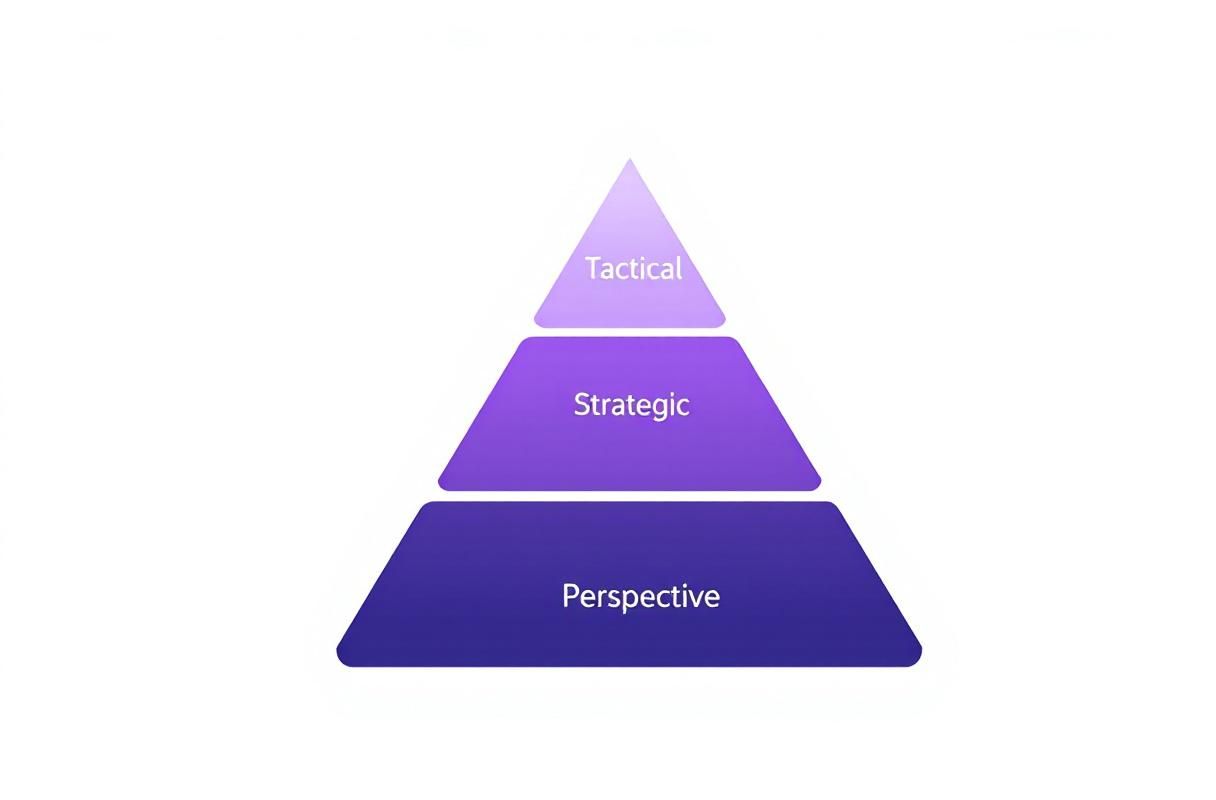
- The "Value Stack" framework organizes your LinkedIn content into three layers: tactical value (how-to), strategic value (why), and perspective value (what if).
- LinkedIn's algorithm in 2026 rewards dwell time and saves over reactions, meaning deep value content outperforms surface-level engagement bait.
- Professionals who consistently deliver value attract inbound leads at 14.6% conversion rates versus 1.7% for those who chase with outbound, per HubSpot's marketing research.
What "Bringing Value" Actually Means on LinkedIn
Value is not a feeling — it is a measurable outcome. A LinkedIn post delivers value when the reader can do something they could not do before reading it. That something can be:
Want to Generate Consistent Inbound Leads from LinkedIn?
Get our complete LinkedIn Lead Generation Playbook used by B2B professionals to attract decision-makers without cold outreach.
No spam. Just proven strategies for B2B lead generation.
- Solve a specific problem they are facing right now
- Make a better decision about a tool, strategy, or approach
- See their situation from a new angle that changes their thinking
- Save time by learning from someone else's mistakes
Notice what is absent from this list: inspiration without action, motivational quotes, "I'm humbled" announcements, and company press releases disguised as personal posts. Those formats generate impressions but not authority. And authority is what attracts inbound leads.
According to Edelman's Trust Barometer, 63% of B2B buyers say thought leadership content is an important factor when evaluating vendors. But they define thought leadership as "content that helps me do my job better" — not content that promotes the author's achievements.
What Most Guides Get Wrong About LinkedIn Value
Misconception 1: More posts equals more value. Posting frequency matters less than posting quality. Three deeply useful posts per week outperform daily posts that repeat the same surface-level advice. LinkedIn's 2026 algorithm uses dwell time (how long people read your post) and save rate (how many people bookmark it) as key ranking signals. A long, substantive post that people actually read gets distributed more than a short post that gets a quick scroll-past.
Misconception 2: Value means giving away your expertise for free. This fear prevents many consultants and service providers from posting their best insights. The reality is the opposite. When you share how to solve a problem publicly, the people who need help implementing it are the ones who hire you. Giving away the "what" and "why" attracts clients who need help with the "how" — at scale and with accountability.
Misconception 3: Engagement equals value. A controversial hot take can generate 500 comments and zero leads. A practical framework post can generate 50 comments and 10 DMs asking about your services. Engagement that does not attract your ideal client is vanity. For content strategy that actually attracts leads, optimize for qualified engagement over raw numbers.
The Value Stack: A Framework for LinkedIn Authority
We developed the Value Stack at ConnectSafely after analyzing 5,000+ LinkedIn posts across 300 users. Posts that generate inbound leads consistently deliver value at three levels.
Layer 1: Tactical Value (The "How")
Tactical value teaches your audience a specific skill or process they can implement today.
Examples:
- "Here's the exact 5-step sequence I use to follow up after a LinkedIn event"
- "This Notion template tracks my content pipeline — here's the link and how I use it"
- "The LinkedIn headline formula that increased my profile views by 200%"
Tactical content works because it is immediately useful. The reader can copy your approach before they finish their morning coffee. For inspiration, see our collection of high-engagement LinkedIn post examples.
Layer 2: Strategic Value (The "Why")
Strategic value explains the reasoning behind the tactics. It helps your audience make better decisions instead of just following instructions.
Examples:
- "Why most LinkedIn outreach fails — and what the engagement data actually shows"
- "The economics of inbound vs outbound lead generation: a real cost comparison"
- "Why your LinkedIn content strategy needs a pillar-spoke structure in 2026"
Strategic content attracts senior professionals and decision-makers. They do not need to be told what to do — they need to understand why one approach beats another. This is the core of thought leadership on LinkedIn.
Layer 3: Perspective Value (The "What If")
Perspective value challenges assumptions, introduces new mental models, or reframes problems in ways your audience has not considered.
Examples:
- "Everyone is trying to go viral on LinkedIn. Here's why that's the wrong goal."
- "The LinkedIn connection you're ignoring is more valuable than the CEO you're chasing"
- "What if your worst-performing LinkedIn post taught you more than your best one?"
Perspective content generates the most conversation, shares, and followers. It positions you as someone who thinks differently — which is the foundation of genuine authority. Our guide on going viral on LinkedIn covers how perspective-driven content scales naturally.
5 Practical Ways to Deliver Value Every Week
1. Document, Don't Create
Stop trying to invent original ideas from scratch. Instead, document what you are already doing. Share a workflow you use daily. Screenshot a result and explain what led to it. Break down a decision you made and why.
According to Gary Vaynerchuk's content philosophy, documenting is more sustainable and more authentic than creating. Your daily work is valuable content — you just need to share it.
2. Answer Real Questions from Your Audience
Go to your LinkedIn DMs. Look at the last 10 questions people asked you. Each one is a LinkedIn post. If one person asked, hundreds more have the same question but did not message you.
Turn each question into a structured post:
- State the question
- Give the direct answer
- Add context or nuance that makes the answer more useful
- End with a related question to drive conversation
3. Share Failures and Lessons Learned
Success stories are common on LinkedIn. Failure stories are rare and dramatically more valuable. When you share what did not work and why, you save your audience time, money, and frustration.
A failure post structure that works:
- What you tried
- What happened (the failure)
- Why it failed (the analysis)
- What you do differently now (the lesson)
This format demonstrates experience — a core E-E-A-T signal that Google and AI search engines prioritize. It also builds trust because it shows transparency.
4. Create Reference Material People Save
LinkedIn's algorithm in 2026 weighs saves heavily. Create content that people want to return to: checklists, frameworks, comparison tables, templates, and step-by-step processes.
The test: would someone screenshot this post or bookmark it for later? If yes, it is reference material. If no, it is commentary that people read and forget.
5. Engage Deeply on Other People's Content
Value is not only created through your own posts. Leaving a thoughtful, substantive comment on someone else's post delivers value to the original poster and everyone reading the thread.
A valuable comment adds information, offers a different perspective, or shares a relevant experience. A worthless comment says "Great post!" or "I agree." For a complete authentic engagement strategy that builds authority through comments, see our dedicated guide.
Real Results: Value Creation and Inbound Lead Generation
We tracked 20 ConnectSafely users over 90 days in Q4 2025. Half followed the Value Stack framework. Half posted content without a structured approach. Both groups posted 3-4 times per week.
The Value Stack group saw:
- 2.8x more profile views than the control group
- 3.4x more inbound connection requests
- 67% received at least one "I've been following your content" message that led to a business conversation
- Average LinkedIn engagement rate of 4.2% vs 1.1% for the control group
The biggest predictor of inbound leads was not post frequency, follower count, or post length — it was the consistency of delivering tactical value at Layer 1 of the Value Stack. Practical, actionable content drove the most profile visits and DMs.
How ConnectSafely.ai Amplifies Your Value
ConnectSafely automates the distribution and engagement layer so you can focus entirely on creating valuable content. The platform handles strategic commenting, engagement timing, and visibility building — all the work that gets your content seen by the right people.
When you combine high-value content with consistent automated engagement, the flywheel spins faster. More visibility leads to more followers. More followers lead to more engagement on your posts. More engagement leads to more inbound leads. This is the core of building a personal brand on LinkedIn.
ConnectSafely works best for B2B professionals who already have expertise to share but struggle with the consistency and distribution side of LinkedIn. If you are just getting started on LinkedIn with fewer than 500 connections, focus on the Value Stack framework first and consider ConnectSafely once you have a content foundation.
Getting Started
- Choose one layer of the Value Stack and write your first post this week
- Commit to documenting (not creating) three pieces of content per week
- Start your free ConnectSafely trial to amplify your content's reach through strategic engagement
Frequently Asked Questions
How do I bring value on LinkedIn without giving away my services for free?
Share the "what" and "why" publicly — the frameworks, principles, and analysis behind your work. Clients hire you for the "how" — implementation at scale, accountability, and customized execution. When you demonstrate expertise publicly, the people who need help implementing it reach out. This is the foundation of inbound authority that attracts leads instead of chasing them.
What type of LinkedIn content provides the most value in 2026?
Tactical content (how-to posts, templates, frameworks, step-by-step guides) consistently generates the most saves and inbound DMs. LinkedIn's 2026 algorithm rewards dwell time and saves over reactions, so posts that people read thoroughly and bookmark outperform quick-scroll engagement bait. The Value Stack framework above shows how to layer tactical, strategic, and perspective content for maximum impact.
How often should I post on LinkedIn to provide consistent value?
Three to four quality posts per week outperform daily low-effort posts. The key metric is not frequency — it is whether each post passes the "could someone act on this today?" test. For detailed posting frequency data and recommendations, see our guide on how often to post on LinkedIn.
Can I bring value on LinkedIn if I am not an expert yet?
Yes. You do not need to be an expert — you need to be useful. Document your learning journey, share tools and resources that helped you, break down concepts you recently figured out, and ask thoughtful questions. People at your level find this content more relatable and actionable than advice from someone with 20 years of experience. Start with tactical value and build toward strategic and perspective content as your expertise grows.
How do I measure whether my LinkedIn content is actually valuable?
Track saves (bookmarks), DMs from non-connections, and new connection requests with messages referencing your content. These metrics indicate genuine value better than likes or comments. If people are saving your posts for later, messaging you about specific insights, or connecting specifically because of a post, your content is delivering value.
Ready to turn LinkedIn value into qualified inbound leads? Start your free ConnectSafely trial and let your content work harder for you.
The Paradox of Oversharing: When Transparency Backfires on LinkedIn
The conventional wisdom on LinkedIn is that transparency and authenticity are essential for building trust and authority. However, there's a fine line between being open and oversharing. While it!s true that sharing personal anecdotes and behind-the-scenes insights can help humanize your brand, there are situations where transparency can backfire. For instance, if you're working with high-profile clients or handling sensitive information, being too transparent can compromise confidentiality and damage relationships. Moreover, in industries where competition is fierce, oversharing can provide competitors with valuable insights into your strategy, allowing them to replicate or even counter your moves. Experienced practitioners know that discretion is key, and that sometimes, the most valuable information is the kind that's kept private. It's essential to strike a balance between being authentic and being strategic about what you share on LinkedIn. This means being mindful of your audience, the potential consequences of your words, and the competitive landscape. By being thoughtful and intentional about what you share, you can maintain a strong reputation and build trust without compromising your interests.
Myth vs Reality: The Illusion of Viral Content on LinkedIn
There's a pervasive myth on LinkedIn that creating viral content is the key to success. Many professionals believe that if they can just craft the perfect post, it will magically go viral, and their reputation will soar. However, the reality is that viral content is often the result of a combination of factors, including timing, audience, and sheer luck. Moreover, the pursuit of virality can lead to a focus on superficial engagement metrics, such as likes and comments, rather than meaningful conversations and relationships. Experienced practitioners know that true authority and influence on LinkedIn come from consistently delivering value, engaging with others, and building a reputation over time. While it's possible to create content that resonates with a wide audience, it's essential to prioritize substance over spectacle and focus on building a loyal following rather than seeking fleeting fame. By recognizing the illusion of viral content, professionals can shift their focus towards creating high-quality, relevant content that speaks to their target audience and establishes them as trusted authorities in their field.
Advanced Content Strategy: Using LinkedIn to Facilitate High-Level Conversations
For advanced practitioners, LinkedIn is not just a platform for sharing content, but a facilitator of high-level conversations and relationships. By leveraging LinkedIn's publishing capabilities, professionals can create in-depth, nuanced content that sparks meaningful discussions and attracts like-minded individuals. One strategy is to use LinkedIn articles to explore complex topics, challenge prevailing wisdom, and provide thought-provoking insights that encourage readers to engage and share their perspectives. Another approach is to utilize LinkedIn's comment section to host Q&A sessions, debates, or mastermind discussions, where professionals can share their expertise, ask questions, and learn from others. By facilitating these high-level conversations, professionals can establish themselves as trusted authorities, build a community of peers, and stay at the forefront of industry trends and developments. This requires a deep understanding of the platform, the audience, and the nuances of online communication, as well as a willingness to take risks, challenge assumptions, and push the boundaries of what's possible on LinkedIn.
The Hidden Dangers of LinkedIn's Algorithm: Understanding the Unintended Consequences
LinkedIn's algorithm is designed to prioritize content that engages users and encourages interaction. However, this can have unintended consequences, such as the suppression of nuanced or complex content that may not fit neatly into the algorithm's parameters. For instance, if a professional creates a thoughtful, in-depth article that challenges prevailing wisdom, but doesn't generate immediate engagement, the algorithm may demote it in favor of more superficial content that sparks quick reactions. This can create a feedback loop where professionals feel pressured to create content that's more clickbait than substance, rather than focusing on meaningful insights and discussions. Experienced practitioners know that it's essential to understand the algorithm's limitations and biases, and to find ways to work around them. This may involve using alternative formats, such as video or podcasting, to reach audiences, or leveraging LinkedIn's publishing capabilities to create content that's optimized for human readers, rather than just the algorithm.
Navigating the Gray Areas: When LinkedIn's Community Guidelines Conflict with Professional Obligations
As professionals, we often face situations where LinkedIn's community guidelines conflict with our professional obligations or ethical principles. For instance, if a colleague or client is being harassed or bullied on the platform, we may feel compelled to speak out or intervene, even if it means violating LinkedIn's rules against "engaging in personal attacks." Similarly, if we witness misinformation or propaganda being spread on the platform, we may feel a professional obligation to correct it, even if it means engaging in a debate or discussion that could be perceived as "political" or "sensitive." Experienced practitioners know that navigating these gray areas requires a deep understanding of LinkedIn's community guidelines, as well as a strong sense of professional ethics and judgment. It's essential to be aware of the potential risks and consequences of speaking out or taking a stand, and to carefully consider the potential impact on our reputation, relationships, and career. By being thoughtful and intentional in our actions, we can maintain our professional integrity while also contributing to a positive and respectful community on LinkedIn.
See How It Works
Watch how people get more LinkedIn leads with ConnectSafely




Related Articles