
LinkedIn B2B Inbound: Why Authority Beats Advertising
Discover why LinkedIn inbound marketing outperforms paid advertising for B2B. Learn how to build authority that attracts qualified leads automatically.

Most B2B companies approach LinkedIn marketing completely backwards. They pour thousands into sponsored content and InMail campaigns, chase vanity metrics like impressions and clicks, then wonder why their pipeline stays empty. Meanwhile, their competitors quietly build authority through strategic engagement—and watch qualified leads flow in without paying for a single ad.
Key Takeaways
- Advertising is a tax on missing authority. When you're the recognized expert, prospects seek you out without paid promotion.
- Inbound leads convert 8-9X better than cold prospects from advertising campaigns, with sales cycles 3-5X faster.
- Authority compounds; advertising doesn't. Every dollar spent on authority-building creates lasting assets. Advertising dollars disappear when campaigns end.
- Strategic engagement beats content volume. Visibility in the right conversations matters more than high-frequency posting to your own audience.
- ConnectSafely.ai makes authority-building sustainable without the daily time burden that defeats most professionals.
LinkedIn advertising is a tax on companies that haven't built genuine authority. When you're the recognized expert in your space, prospects seek you out. Inbound leads convert at 14.6% versus outbound's 1.7%—an 8-9X improvement. The shift from advertising-first to authority-first LinkedIn marketing transforms your entire B2B lead generation engine.
The Problem With Advertising-First LinkedIn Marketing
With over 58 million companies on LinkedIn and 71% of business leaders using the platform to research potential customers, the opportunity is massive. But most B2B marketers squander it by defaulting to paid campaigns before they've earned attention.
Why Paid LinkedIn Campaigns Underperform
Rising costs with diminishing returns. LinkedIn advertising costs have increased 30-40% year-over-year while engagement rates decline. The average cost-per-click now exceeds $5.26—often reaching $8-15 for B2B decision-makers. You're paying premium prices to reach audiences who increasingly ignore sponsored content.
Zero compounding effect. Every dollar you spend on LinkedIn ads disappears the moment your campaign ends. There's no lasting asset, no accumulated trust, no ongoing visibility. Compare this to authority-building activities that compound over time, generating leads months and years after the initial investment.
Want to Generate Consistent Inbound Leads from LinkedIn?
Get our complete LinkedIn Lead Generation Playbook used by B2B professionals to attract decision-makers without cold outreach.
No spam. Just proven strategies for B2B lead generation.
Trust deficit from the start. Prospects know they're being advertised to. That sponsored post in their feed carries an implicit "this person paid to interrupt me" message. You're starting every relationship from a position of skepticism rather than credibility.
Targeting limitations. LinkedIn's targeting is good, but it can't identify who's actively researching solutions right now. You end up paying to reach thousands of people who match demographic criteria but have zero buying intent.
The Metrics That Mislead
Traditional LinkedIn marketing measures success in impressions, clicks, and engagement rates on paid content. These metrics feel good in reports but rarely correlate with actual pipeline generation.
A campaign might generate 50,000 impressions and 500 clicks, but how many of those people remember your company a week later? How many associate you with genuine expertise versus "just another vendor trying to sell something"?
The metrics that actually matter—inbound connection requests, profile views from decision-makers, DMs from qualified prospects, and conversations that start with "I've been following your insights"—rarely appear in advertising dashboards.
The Authority-First Alternative: LinkedIn Inbound Marketing
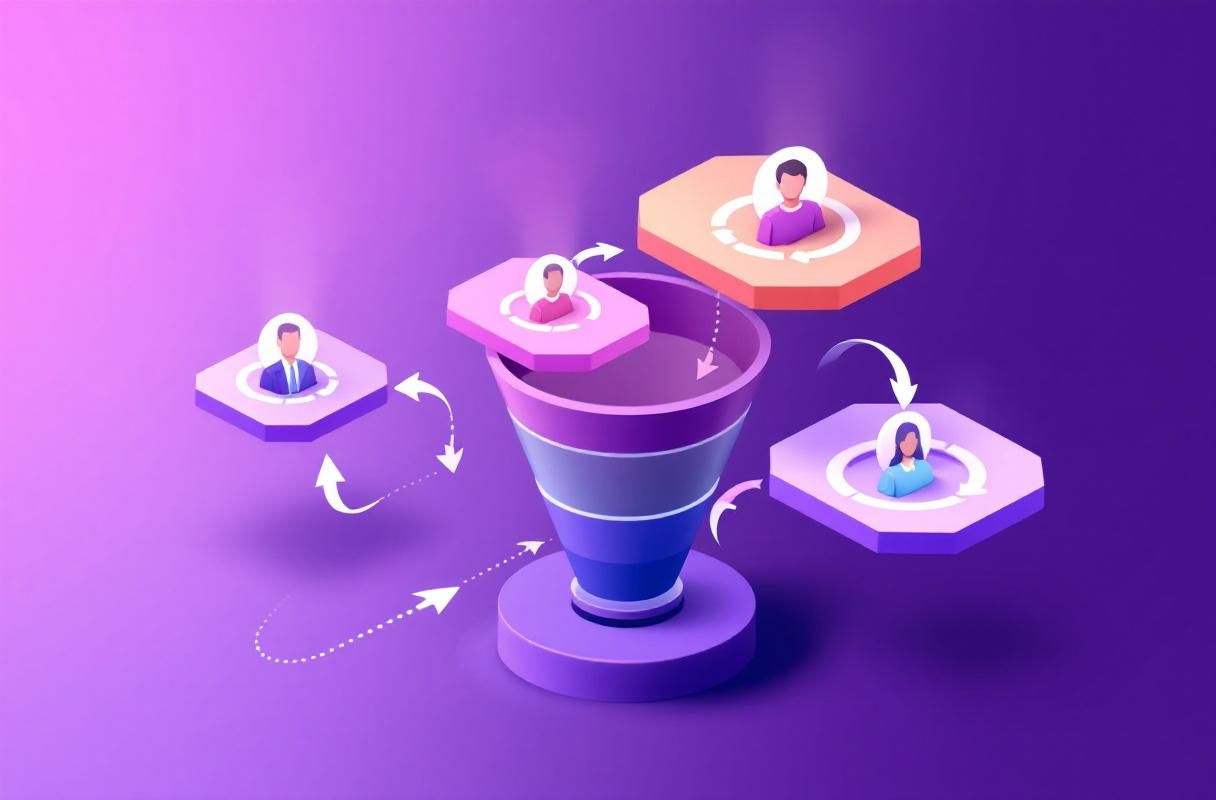
LinkedIn inbound marketing flips the traditional model. Instead of paying to push messages at prospects, you build visibility and credibility where your ideal customers are already paying attention. When they need solutions you provide, they think of you first—because you're already top-of-mind through consistent, valuable engagement.
What Inbound LinkedIn Marketing Actually Looks Like
Strategic engagement over broadcast messaging. Rather than publishing content and hoping it reaches the right people, you identify the conversations, creators, and communities where your prospects gather—then participate meaningfully in those discussions.
Authority demonstration over product promotion. Every interaction showcases expertise. A thoughtful comment on an industry post, a valuable perspective shared in a group discussion, a helpful response to someone's question—these micro-moments of authority accumulate into macro-credibility.
Attraction over pursuit. The goal isn't to reach thousands of cold prospects. It's to become so visible and valuable to your target audience that they actively seek you out when buying intent emerges.
The Data Supporting Inbound
Research consistently validates the inbound approach:
- Inbound leads convert at 14.6% versus outbound's 1.7%—an 8-9X improvement
- Inbound sales cycles run 3-5X faster because prospects arrive pre-educated and pre-qualified
- Cost per lead drops 39-61% compared to outbound campaigns
- LinkedIn generates 80% of B2B social media leads, making it the highest-leverage platform for authority building
These aren't marginal improvements. They represent fundamental shifts in lead generation efficiency that compound over time as your authority grows.
Building Your LinkedIn Inbound Marketing Strategy
Transitioning from advertising-first to authority-first marketing requires systematic changes in how you approach the platform.
Step 1: Define Your Authority Territory
Before engaging anywhere, get crystal clear on the expertise you want to be known for. This isn't your product category—it's the specific problem domain where you have genuine insight and experience.
Ask yourself: What topic could you discuss for an hour without notes? What questions do colleagues and clients consistently ask you? Where does your professional experience give you perspective others lack?
Your authority territory should be narrow enough to differentiate you but broad enough to remain relevant across your target audience. "Marketing automation" is too broad. "Email deliverability for SaaS startups" is specific enough to own.
Step 2: Map Your Prospect Ecosystem
Identify where your ideal customers spend their LinkedIn attention:
- Key creators they follow and engage with
- Hashtags and topics they track
- Groups where they participate
- Competitors whose audiences you share
- Industry events and discussions that capture their interest
This mapping reveals the conversations where strategic engagement will provide maximum visibility to the right people.
Step 3: Implement Consistent Strategic Engagement
Authority builds through consistent presence, not sporadic activity. The goal is regular visibility in high-value conversations—comments that add perspective, questions that spark discussion, insights that showcase expertise.
This is where most B2B marketers fail. They understand the concept but can't maintain the daily discipline required. The solution isn't working harder—it's working smarter through systematic engagement processes.
ConnectSafely.ai automates this strategic engagement, ensuring you maintain active presence in the conversations that matter while keeping the authentic voice that builds genuine connections.
Step 4: Create Content That Compounds
While engagement builds visibility, content creates lasting assets. But not all content is created equal.
Compounding content addresses problems your prospects actively research. It ranks for relevant searches, gets shared to new audiences, and generates views months after publication. This includes perspective pieces on industry trends, how-to guides for common challenges, and case studies demonstrating results.
Decaying content generates a brief spike of activity then disappears. This includes most company announcements, promotional posts, and trend-chasing content without genuine insight.
Focus on creating 2-3 compounding content pieces monthly rather than daily posts that add noise without building assets.
Why Authority Beats Advertising: The Long-Term Mathematics

Consider two B2B companies with identical $50,000 annual LinkedIn marketing budgets.
Company A: Advertising-First Approach
- Monthly ad spend: $4,000
- Average cost per lead: $186
- Monthly leads generated: 21
- Lead quality: Cold, requires extensive nurturing
- Conversion rate: 1.7%
- Annual customers acquired: ~4-5
- Cost per customer: $10,000-12,500
When the budget stops, lead generation stops. Zero compounding effect.
Company B: Authority-First Approach
- Monthly investment: $4,000 (time, tools, minimal promotion)
- Average cost per lead: $135
- Monthly leads generated: 30 (growing month-over-month)
- Lead quality: Warm, pre-educated, higher intent
- Conversion rate: 14.6%
- Annual customers acquired: ~52
- Cost per customer: $962
When you pause active investment, accumulated authority continues generating leads. The compounding effect means year 2 outperforms year 1 without proportional budget increase.
The mathematics become even more dramatic over a three-year horizon. The advertising-first company spends $150,000 and acquires roughly 15 customers. The authority-first company spends the same and acquires 150+ customers while building a durable market position.
How ConnectSafely.ai Enables Authority-First Marketing
Building LinkedIn authority traditionally required hours of daily engagement—time most B2B professionals don't have. ConnectSafely.ai solves this by automating the visibility work while maintaining the authentic voice that builds genuine connections.
Strategic engagement at scale. Our AI-powered commenting helps you maintain consistent presence in high-value conversations, demonstrating expertise where your prospects are paying attention.
Ideal client targeting. Define your target audience once, and ConnectSafely.ai ensures you're visible to decision-makers in your ICP—without manual tracking of dozens of creators and conversations.
Authority-building without the time burden. Maintain active LinkedIn presence in 30 minutes per week instead of 2+ hours daily. The time savings alone often justifies the investment.
Platform-compliant approach. Unlike automation tools that risk account restrictions through aggressive outreach, ConnectSafely.ai focuses on engagement activities LinkedIn actively encourages—building sustainable visibility without platform risks.
Getting Started: Your First 30 Days
The transition from advertising-first to authority-first marketing doesn't happen overnight, but the first steps are straightforward:
Week 1: Define your authority territory and map your prospect ecosystem. Identify 10-15 key creators and conversations where you want to build presence.
Week 2: Begin consistent engagement. Comment thoughtfully on 5-10 posts daily in your target conversations. Focus on adding genuine value, not promotional mentions.
Week 3: Publish your first piece of compounding content. Choose a topic where you have unique perspective and your prospects have active interest.
Week 4: Evaluate initial results. Track profile views, connection requests, and DM conversations. Compare engagement quality to previous advertising campaigns.
Most users see measurable results within 30-45 days—increased profile visibility, higher-quality connection requests, and the first inbound conversations that start with "I've been seeing your comments and wanted to connect."
Frequently Asked Questions
Is LinkedIn inbound better than ads?
Yes, for long-term B2B lead generation. LinkedIn authority converts 8-9X better than advertising while building compounding assets according to HubSpot's marketing statistics. Ads stop generating leads when budgets end, but authority continues attracting prospects months and years after initial investment. Authority also addresses the trust deficit inherent in advertising—prospects recognize and respect earned attention over paid interruption.
How do I spot buying signals on LinkedIn?
Buying signals on LinkedIn include profile views from target accounts, engagement with your solution-specific content, direct questions in industry discussions, following of industry thought leaders, job changes to decision-making roles, and company announcements related to your solution. These visible behaviors reveal purchase intent more accurately than expensive intent data platforms. With over 58 million companies on LinkedIn, identifying the right signals is crucial.
What's a good LinkedIn content strategy for leads?
An effective LinkedIn content strategy for inbound leads prioritizes targeted visibility over viral reach. Build content around 4-5 pillars: Problem Expertise (30%), Solution Methodology (25%), Proof and Results (20%), Industry Perspective (15%), and Personal Authority (10%). Post 3-5 times weekly while engaging strategically on others' content to expand visibility beyond your own audience.
How long to build LinkedIn authority?
Most professionals see initial results within 30-45 days of consistent strategic engagement—increased profile visibility, quality connection requests, and early inbound conversations. Meaningful pipeline impact typically emerges at 60-90 days. Full authority positioning that generates consistent inbound leads develops over 6-12 months, but the compounding effect means results accelerate over time rather than plateau.
Can I build authority without posting constantly?
Yes. Strategic engagement on others' content builds authority even without creating your own posts. Thoughtful comments on industry discussions, valuable perspectives in relevant conversations, and consistent visibility in high-value threads position you as an expert. Combine selective content creation (2-3 quality posts monthly) with daily strategic engagement for optimal results without overwhelming time investment.
What's the ROI vs LinkedIn ads?
Companies investing $50,000 annually in LinkedIn advertising typically generate 15-20 customers at $10,000-12,500 per acquisition, with zero residual value when spending stops according to HubSpot research. The same investment in authority-building generates 150+ customers at $962 per acquisition while creating lasting market position. The authority approach delivers 10X more customers at one-tenth the cost per acquisition, with compounding returns over time.
Ready to stop paying the advertising tax and start building authority that attracts qualified B2B leads automatically? Start your free trial and see the difference inbound makes.
The Hidden Dangers of Over-Optimizing for Algorithmic Visibility
When it comes to building authority on LinkedIn, many professionals focus on optimizing their content for maximum algorithmic visibility. While this approach can yield short-term gains, it can also backfire if taken too far. Over-optimizing for algorithmic visibility can lead to a phenomenon known as "visibility fatigue," where your content becomes so formulaic and predictable that it starts to feel spammy or insincere to your audience. This can be particularly damaging if you're trying to build trust with high-level decision-makers, who are often highly attuned to authenticity and can spot a manipulative tactic from a mile away. Furthermore, LinkedIn's algorithm is constantly evolving, and what works today may not work tomorrow. By focusing too much on gaming the algorithm, you may find yourself constantly chasing a moving target, rather than building a sustainable foundation of authority and trust. It's essential to strike a balance between visibility and authenticity, and to prioritize building meaningful relationships with your audience over short-term algorithmic gains.
Myth vs Reality: Debunking the "More Content is Better" Fallacy
One of the most pervasive myths in LinkedIn marketing is that more content is always better. Many professionals believe that by posting frequently and consistently, they can build their authority and attract more leads. However, this approach can be counterproductive if not executed thoughtfully. The reality is that quality trumps quantity when it comes to content on LinkedIn. Posting too frequently can lead to content fatigue, where your audience becomes desensitized to your messages and starts to tune you out. Moreover, if you're prioritizing quantity over quality, you may find yourself sacrificing depth and insight for the sake of meeting an arbitrary posting schedule. This can damage your authority and credibility, rather than enhancing it. The key is to focus on creating high-quality, high-value content that resonates with your audience, rather than trying to churn out as much content as possible. By taking a more thoughtful and strategic approach to content creation, you can build a stronger foundation of authority and trust with your audience.
Advanced-Level Authority Building: Leveraging LinkedIn's Hidden Networks
For advanced LinkedIn marketers, there are opportunities to build authority by leveraging the platform's hidden networks and communities. One such opportunity is LinkedIn's "groups" feature, which allows you to connect with highly targeted and engaged audiences around specific topics and interests. By participating in and contributing to these groups, you can establish yourself as a thought leader and build relationships with key influencers and decision-makers. Another opportunity is LinkedIn's "LinkedIn Live" feature, which allows you to broadcast live video content to your audience and engage with them in real-time. By using these features strategically, you can build a high level of authority and credibility with your audience, and establish yourself as a go-to expert in your field. However, it's essential to approach these opportunities with a high level of sophistication and nuance, as they require a deep understanding of LinkedIn's ecosystem and the needs and preferences of your audience.
The "It Depends" Factor: When Authority Building Backfires
While building authority on LinkedIn can be a highly effective way to attract leads and grow your business, it's not a one-size-fits-all approach. There are situations where authority building can backfire, and it's essential to be aware of these scenarios to avoid damaging your reputation or wasting your time. For example, if you're in a highly competitive or saturated market, building authority may require a significant amount of time and effort, and may not yield the desired results. Additionally, if you're targeting a audience that is highly skeptical or cynical, building authority may require a more nuanced and sensitive approach, as these audiences can be easily turned off by perceived manipulation or insincerity. It's also important to consider the cultural and contextual factors that may influence how your audience perceives authority and credibility. By taking a more nuanced and context-dependent approach to authority building, you can avoid common pitfalls and build a stronger foundation of trust and credibility with your audience.
The Unintended Consequences of Scaling Authority Building
As you scale your authority building efforts on LinkedIn, it's essential to be aware of the potential unintended consequences of your actions. One such consequence is the risk of over-exposure, where your audience becomes desensitized to your messages and starts to tune you out. Another consequence is the risk of burnout, where you become so focused on building your authority that you neglect other critical aspects of your business, such as customer service or product development. Additionally, as you build your authority, you may attract attention from unwanted sources, such as trolls or competitors, who may try to undermine your credibility or sabotage your efforts. By being aware of these potential consequences, you can take steps to mitigate them and build a more sustainable and resilient foundation of authority and trust with your audience. This may involve diversifying your content and engagement strategies, setting clear boundaries and priorities, and developing a robust system for managing and responding to feedback and criticism.
See How It Works
Watch how people get more LinkedIn leads with ConnectSafely




Related Articles