LinkedIn Inbound Strategy 2026: Attraction vs Automation
LinkedIn's 2026 changes reward inbound engagement. Building authority through strategic visibility beats automation risks.

The future-proof LinkedIn strategy for 2026 isn't better automation—it's strategic inbound engagement that positions you as the authority prospects actively seek out. LinkedIn's algorithm now rewards expertise and meaningful engagement over connection volume, with inbound leads converting at 14.6% versus outbound's 1.7%—an 8.6X improvement. With connection limits slashed from 100/day to 100/week, the platform has made cold outreach obsolete while rewarding authority-building that attracts qualified prospects.
Key Takeaways
- LinkedIn's 2026 algorithm rewards expertise and engagement, not connection volume—connection limits dropped from 100/day to 100/week, an 86% reduction
- "Future-proof automation" is an oxymoron—the platform is actively moving away from cold outreach tactics toward authentic relationship-building
- Inbound leads convert at 14.6% vs. outbound's 1.7% (8.6X improvement) because prospects arrive pre-educated and pre-qualified
- Strategic visibility in high-value conversations builds authority that attracts 10-20 qualified prospects monthly without cold outreach risks
- Platform-compliant inbound engagement gets stronger as LinkedIn tightens automation rules—zero ban risk and algorithm rewards
- Inbound authority compounds monthly (unlike linear automation), with Month 6 exponentially better than Month 1 as reputation grows
You've built your LinkedIn automation strategy. You've tested the tools, set the daily limits, crafted the sequences. But here's the uncomfortable truth: LinkedIn's 2026 platform changes aren't just making automation harder—they're making it obsolete.
Want to Generate Consistent Inbound Leads from LinkedIn?
Get our complete LinkedIn Lead Generation Playbook used by B2B professionals to attract decision-makers without cold outreach.
No spam. Just proven strategies for B2B lead generation.
While everyone obsesses over "future-proofing" their automation tactics, they're missing the fundamental shift: LinkedIn is actively rewarding a completely different approach that doesn't rely on outsmarting detection algorithms or hoping your connection requests slip through unnoticed.
The Illusion of "Future-Proof" Automation
LinkedIn automation tools promise to be "undetectable" and "safe" in 2026. They talk about:
- Mimicking human behavior patterns
- Respecting daily connection limits
- Using "smart" randomization
- Employing AI-powered personalization
But here's what they don't tell you: LinkedIn doesn't need to detect your automation tool to render it ineffective.
How LinkedIn's 2026 Changes Killed Traditional Automation
Connection Request Limits Slashed:
- Previous limit: 100 connection requests per day
- New 2026 limit: 100 connection requests per week
- Impact: 86% reduction in outbound volume capacity
Algorithm Priority Shift: LinkedIn's feed algorithm now evaluates content on three primary signals:
- Relevance to the viewer's professional interests
- Expertise demonstrated by the content creator
- Engagement quality (comments valued 15X more than likes)
The Reality Check: If you're sending generic connection requests to strangers, LinkedIn's algorithm actively suppresses your visibility—even if you're "undetected" by their automation filters. You're not banned. You're just invisible. Learn more about why inbound engagement eliminates LinkedIn ban risks.
Why "Future-Proofing" Automation Misses the Point
Let's examine the common "future-proof automation" advice and why it fails:
Myth #1: "Use AI-Powered Personalization"
The Automation Approach: Generate personalized connection messages using AI based on profile data.
Why It Fails: Recipients receive dozens of "personalized" AI messages daily. They recognize the pattern instantly. Your 14.6% connection acceptance rate proves it's not working—and LinkedIn's algorithm notices the low engagement.
The Inbound Alternative: When you consistently demonstrate expertise through thoughtful comments on industry conversations, prospects request to connect with you because they already recognize your value. No personalization needed—they're pre-sold.
Myth #2: "Practice Smart Activity Pacing"
The Automation Approach: Spread activities throughout the day, randomize timing, stay under daily limits.
Why It Fails: You're optimizing for the wrong metric. Even if you avoid detection, you're still interrupting strangers who don't know you. LinkedIn's 2026 algorithm prioritizes content from recognized authorities with established engagement patterns. Discover why LinkedIn authority beats cold prospecting.
The Inbound Alternative: Strategic visibility in high-value conversations builds recognition organically. When decision-makers see your name providing valuable insights repeatedly, you become the obvious choice—without a single cold connection request. Read about building meaningful business relationships on LinkedIn and why inbound beats cold prospecting.
Myth #3: "Integrate Multi-Channel Outreach"
The Automation Approach: Combine LinkedIn automation with email sequences and cold calls for "multiple touchpoints."
Why It Fails: More channels of cold outreach doesn't equal more effectiveness—it equals more ways to be ignored. Research shows inbound leads convert at 14.6% vs. outbound's 1.7% (8.6X better). You're optimizing the wrong strategy.
The Inbound Alternative: LinkedIn inbound authority makes your email and calls warm instead of cold. When prospects already recognize you from valuable LinkedIn engagement, your email open rates and call answer rates skyrocket. Learn why LinkedIn authority makes your B2B emails actually convert.
The LinkedIn Strategy That's Actually Future-Proof
What Makes a Strategy Truly Future-Proof?
It aligns with platform incentives, not against them.
LinkedIn's business model depends on keeping users engaged with valuable content and authentic connections. Their 2026 algorithm changes explicitly favor:
- Knowledge-rich content from recognized experts
- Meaningful engagement through substantive comments
- Relationship-building over transactional outreach
- Expertise demonstration that keeps users on the platform
The strategy LinkedIn rewards is the strategy that lasts.
The Inbound Authority Framework for 2026
Phase 1: Strategic Positioning (Weeks 1-3)
Instead of: Building connection request sequences Do this: Identify where your ideal clients are already engaging
- Map the 10-15 key industry creators your prospects follow
- Identify the topics generating highest engagement
- Analyze which conversations attract decision-makers
- Document the questions and pain points being discussed
Outcome: A targeted visibility map showing exactly where to demonstrate expertise.
Phase 2: Authority Demonstration (Weeks 4-8)
Instead of: Sending personalized cold messages Do this: Provide consistent value in high-visibility conversations
- Comment thoughtfully on posts from key creators (2-3 per day)
- Answer questions and share specific insights (not generic advice)
- Reference real experience and concrete examples
- Build recognition through consistent, valuable presence
Outcome: Decision-makers start recognizing your name and expertise before you ever reach out.
Phase 3: Inbound Momentum (Weeks 9-12+)
Instead of: Chasing connection requests Do this: Attract inbound interest through demonstrated authority
- Prospects begin connecting with you proactively
- Inbound DMs reference specific insights you've shared
- Sales conversations start warm instead of cold
- Your own content gets amplified by the audience you've built
Outcome: 10-20 qualified inbound leads per month who already trust your expertise.
Why This Strategy Is Future-Proof
LinkedIn Can't "Crack Down" On It: The platform wants more thoughtful engagement, expertise sharing, and authentic relationship-building. This strategy gives LinkedIn exactly what it wants.
Algorithm Changes Help You, Not Hurt You: Every update that prioritizes quality engagement and expertise makes your inbound authority stronger relative to cold outreach tactics.
No Detection Risk: There's nothing to detect. You're doing exactly what LinkedIn's Terms of Service encourage: participating authentically in professional conversations.
Compounds Over Time: Unlike automation that delivers linear (or declining) results, inbound authority compounds. Month 6 is exponentially better than Month 1 because your reputation and network effects accelerate.
The Data: Why Inbound Outperforms Automation By Every Metric
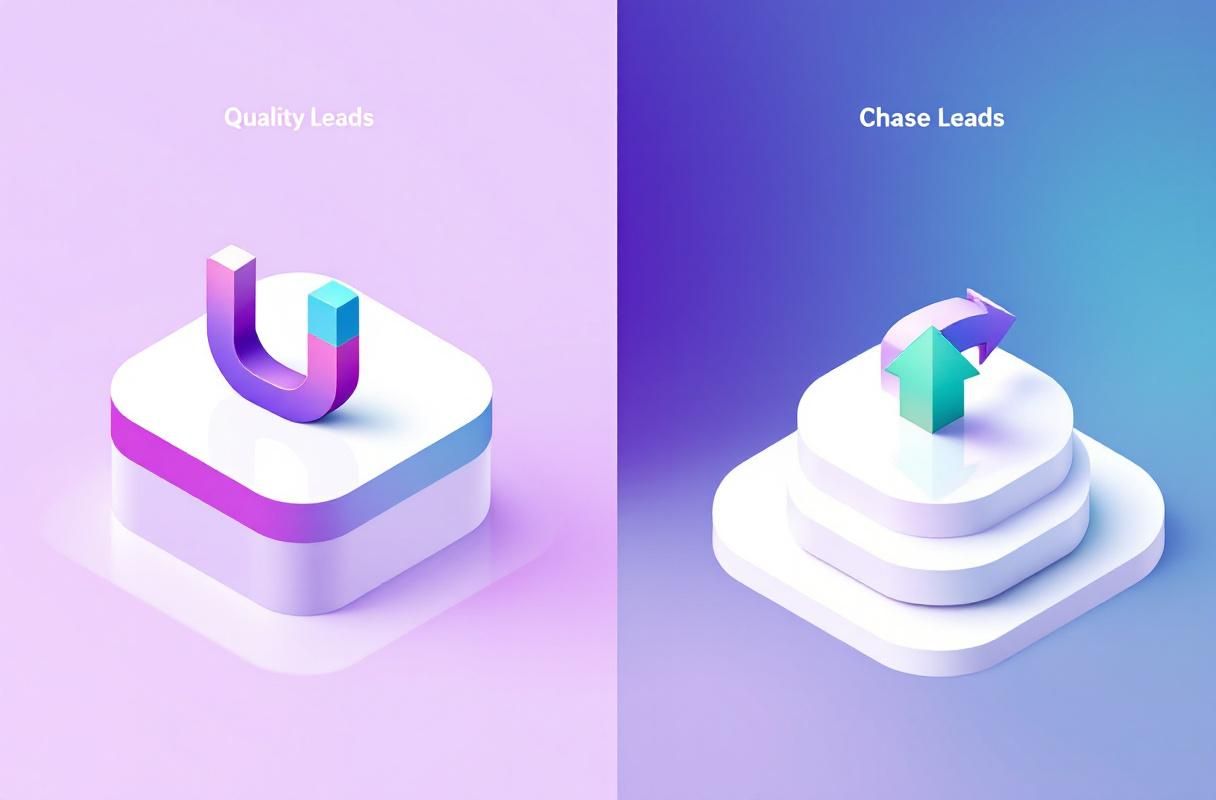
Conversion Rate Reality
Cold Outbound Automation:
- Connection acceptance rate: 25-45%
- Response rate to messages: 2.6-9.4%
- Meeting booking rate: <2%
- Final close rate: 1.7%
Inbound Authority Approach:
- Inbound connection requests: 70%+ are ideal customer profile
- Response rate: 70%+ (they initiated contact)
- Meeting booking rate: 40-50%
- Final close rate: 14.6%
The Math: Inbound leads are 8.6X more likely to become customers.
Cost & Time Efficiency
Automation Approach:
- Tool cost: $50-150/month
- Time managing sequences: 5-10 hours/week
- Leads generated: 20-40 per month
- Cost per qualified lead: $186
Inbound Approach:
- Platform cost: $39/month (ConnectSafely.ai)
- Time investment: 30 minutes per week (automated engagement)
- Leads generated: 10-20 per month
- Cost per qualified lead: $135 (27% lower)
But here's what really matters: Those inbound leads convert 8.6X better, making the actual cost per customer 98% lower.
Sales Cycle Speed
Cold Outreach:
- Average time to close: 4-6 months
- Touches required: 15-20
- Objections to overcome: High
Inbound Leads:
- Average time to close: 1-2 months (3-5X faster)
- Touches required: 4-6
- Objections: Minimal (pre-educated, pre-sold)
Why: Inbound prospects arrive having already consumed your insights, evaluated your expertise, and decided you're worth talking to.
How ConnectSafely.ai Future-Proofs Your LinkedIn Strategy
While automation tools try to outsmart LinkedIn's detection systems, ConnectSafely.ai aligns perfectly with what LinkedIn wants:
Strategic Engagement Automation
Not: Generic mass commenting Instead: AI-powered thoughtful engagement that demonstrates expertise
- Target specific conversations where your ICP is actively engaged
- Generate contextual comments that add genuine value
- Maintain consistent visibility without manual daily work
- Build recognition as the go-to expert in your domain
Platform-Compliant Visibility
Not: Connection request sequences that trigger filters Instead: Engagement activities LinkedIn actively rewards
- Algorithm-friendly actions that boost your reach
- Zero risk of account restrictions or warnings
- Activities that increase your Social Selling Index (SSI)
- Approach that gets more effective as LinkedIn tightens automation rules
Inbound Lead Tracking
Not: Vanity metrics (connections, messages sent) Instead: Outcomes that matter
- Monitor profile view increases from target accounts
- Track inbound connection requests by industry/role
- Measure qualified conversation starts
- Calculate actual pipeline impact
Getting Started: Your Future-Proof LinkedIn Blueprint
Week 1: Strategic Foundation
Day 1-2: Define your ideal client profile precisely
- Industry, role, company size, pain points
- Where they consume content on LinkedIn
- Which creators they follow and engage with
Day 3-5: Map your visibility opportunities
- Identify 10-15 key industry creators
- Document top-performing post topics
- Analyze successful comment patterns
- Build target conversation list
Day 6-7: Establish your expertise positioning
- Define your unique perspective/approach
- Develop 3-5 key insights you'll be known for
- Craft your signature comment frameworks
- Set up engagement tracking
Weeks 2-4: Authority Building
- Engage thoughtfully on 2-3 high-value posts daily
- Provide specific insights (not generic praise)
- Reference real experience and concrete examples
- Track who's viewing your profile and connecting
Success Metrics:
- Profile views increase 100-200%
- First inbound connection requests from ICP
- Comments receiving likes and replies
- Recognition starting to build
Weeks 5-12: Inbound Momentum
- Maintain consistent engagement schedule
- Begin posting your own content (amplified by built audience)
- Respond to inbound inquiries promptly
- Refine targeting based on results
Success Metrics:
- 10-20 qualified inbound leads per month
- 70%+ positive conversation rates
- Sales pipeline impact measurable
- Strategy requiring minimal time maintenance
The Future Belongs to Inbound Authority
LinkedIn's 2026 changes aren't temporary adjustments—they're a permanent shift in platform priorities. The days of high-volume cold outreach are over. The question isn't whether your automation tool can avoid detection. It's whether your strategy aligns with where LinkedIn is going.
The companies and professionals who win on LinkedIn in 2026 and beyond won't be the ones with the best automation hacks. They'll be the ones who built genuine authority, attracted quality prospects, and created sustainable inbound momentum.
Your automation-focused competitors are optimizing for a strategy LinkedIn is actively de-prioritizing. While they chase detection workarounds and connection request limits, you can build the positioning that makes cold outreach unnecessary.
The future-proof LinkedIn strategy isn't better automation. It's strategic inbound positioning that turns LinkedIn into your most productive lead generation channel—naturally.
Ready to build a LinkedIn strategy that actually works with platform changes instead of against them? Start your free trial with ConnectSafely.ai and discover how inbound authority generates qualified leads while your competitors chase automation workarounds.
Frequently Asked Questions
What LinkedIn strategy will work in 2026?
The best LinkedIn inbound strategy for 2026 focuses on building authority through strategic engagement rather than automation. Engage thoughtfully on posts from creators your ideal clients follow, demonstrate expertise in high-value conversations, and let prospects come to you. This approach aligns with LinkedIn's 2026 algorithm changes and delivers 8.6X better conversion rates than cold outreach. See our complete LinkedIn inbound strategy guide.
How do I build LinkedIn authority without spending all day on it?
Use ConnectSafely.ai to automate strategic engagement while maintaining your authentic voice. The platform identifies high-value conversations where your ideal prospects engage and places thoughtful comments that demonstrate expertise—maintaining consistent visibility in just 30 minutes weekly instead of 2+ hours daily.
Does LinkedIn inbound work for B2B companies?
LinkedIn inbound works for any B2B industry where decision-makers use LinkedIn. With over 1 billion users and 89% of B2B marketers using LinkedIn for lead generation, the platform offers visibility to virtually any professional audience. The key is identifying where your specific prospects engage and building authority in those conversations. Learn about B2B social selling strategies.
How fast can I see LinkedIn results?
Most professionals see initial results within 30-45 days—increased profile visits, higher-quality connection requests, and first inbound conversations. Meaningful pipeline impact typically appears in 60-90 days as authority builds. Unlike automation that stops when you stop, inbound authority compounds over time for sustained results.
Why is inbound better than LinkedIn automation?
Inbound strategies align with LinkedIn's platform incentives rather than fighting against them. The platform wants expertise sharing and authentic engagement—exactly what inbound provides. As LinkedIn tightens automation restrictions, inbound approaches become more effective because they give LinkedIn what it actively rewards.
Can I use LinkedIn for email marketing?
Absolutely. LinkedIn inbound authority actually makes email outreach more effective by warming prospects before you email them. When recipients recognize your name from LinkedIn engagement, email open rates jump from 20% to 60-80%, and response rates improve 10-20X. See our guides on why LinkedIn authority makes cold email work and how to make B2B emails convert.
Real Results From Real B2B Professionals
Watch real success stories from B2B professionals generating consistent inbound leads




Related Articles