
AI Prospecting Agents: LinkedIn Signals Beat Cold Data
AI prospecting agents work best when tracking LinkedIn engagement signals, not automating cold outreach. Learn the inbound approach.


AI prospecting agents deliver the highest ROI when tracking LinkedIn engagement signals—not automating cold outreach. According to Smartlead's 2026 B2B Prospecting Guide, the industry is shifting from volume-based activity to signal-based selling that prioritizes intent over interruption. LinkedIn generates 80% of B2B social media leads, making engagement signals on the platform the most valuable prospecting data available.
Key Takeaways
- Signal-based selling outperforms volume-based outreach by 15-45% in conversion rates
- LinkedIn engagement signals reveal buying intent more accurately than third-party data
- AI agents tracking engagement identify warm prospects before competitors do
- Inbound leads convert at 14.6% versus 1.7% for cold outreach
- The best AI prospecting identifies who's already interested—not who might be
- ConnectSafely.ai tracks engagement signals to surface qualified inbound leads automatically
The Problem with Traditional AI Prospecting
Most AI prospecting tools focus on the wrong activities:
- Scraping contact databases for more leads
- Automating cold email sequences at scale
- Sending bulk LinkedIn connection requests
- Personalizing spam with AI-generated text
Forrester Research warns that AI-generated content swapping names without real relevance makes the buying experience worse for 70% of B2B customers.
The fundamental problem: these tools apply AI to interruption rather than attraction.
What Are LinkedIn Engagement Signals?
Engagement signals are behavioral indicators that reveal prospect interest without them explicitly raising their hand:
Want to Generate Consistent Inbound Leads from LinkedIn?
Get our complete LinkedIn Lead Generation Playbook used by B2B professionals to attract decision-makers without cold outreach.
No spam. Just proven strategies for B2B lead generation.
| Signal Type | What It Indicates | Value Level |
|---|---|---|
| Repeated profile views | Active research interest | High |
| Content engagement (comments) | Topic alignment | High |
| Post reactions over time | Sustained attention | Medium |
| Connection request acceptance | Relationship openness | Medium |
| Content shares | Advocacy potential | High |
| Message responses | Conversation readiness | Very High |
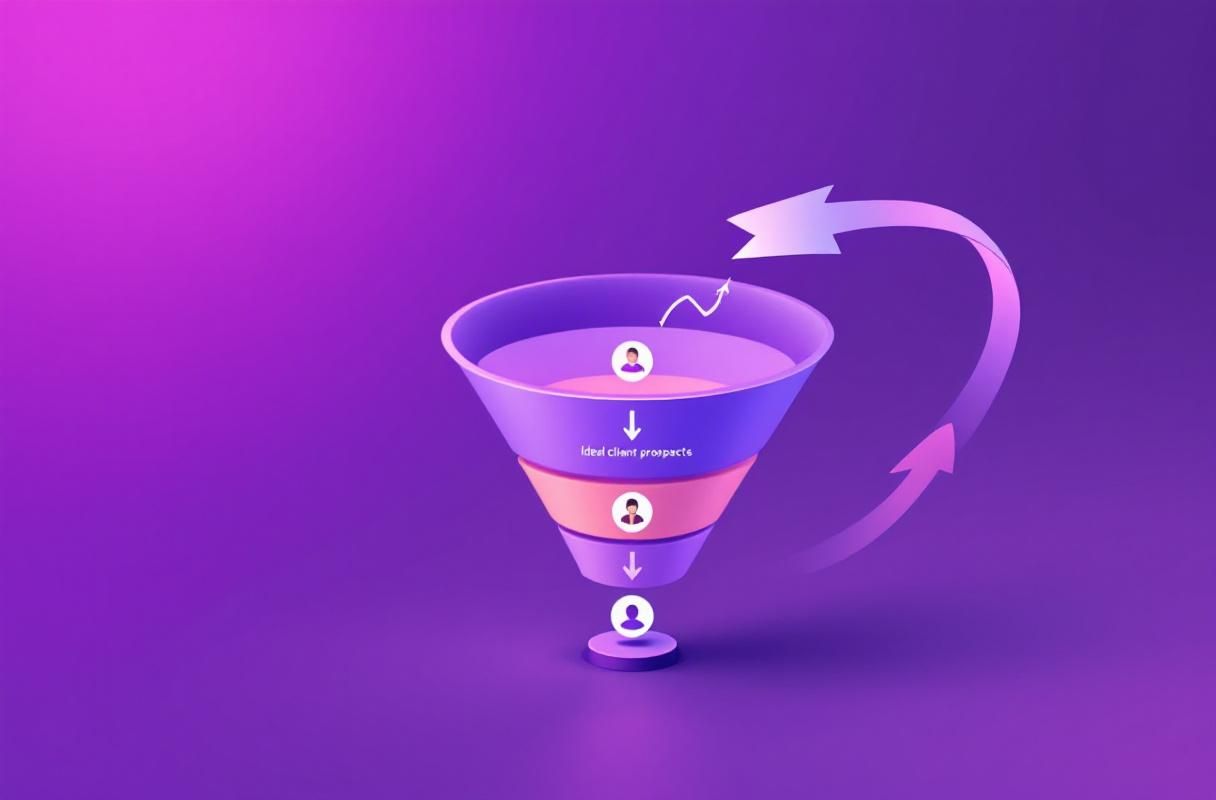
These signals tell you who's already interested—far more valuable than cold contact data.
Why Engagement Signals Beat Intent Data
Traditional intent data providers track:
- Website visits (often anonymous)
- Content downloads (often gated)
- Keyword searches (often broad)
- Technographic changes (often delayed)
The problem: by the time this data reaches your CRM, every competitor using the same provider has it too. You're racing to interrupt someone already overwhelmed with vendor outreach.
LinkedIn engagement signals are different:
- They're exclusive to your authority: Someone engaging with your content signals interest in you specifically
- They're real-time: You see engagement as it happens, not days later
- They're relationship-based: Engagement indicates willingness to connect, not just research
- They're uncontested: Competitors can't access signals tied to your content
According to The CMO's lead generation report, companies see 25% lower cost per lead with signal-based approaches versus cold prospecting.
How AI Agents Should Track Engagement
The most effective AI prospecting agents monitor engagement patterns to identify buying intent:
Repeat Engager Identification
AI tracks prospects who consistently interact with your content:
- Multiple comments over weeks
- Regular profile views
- Reactions across different posts
- Shares to their network
Pattern recognition: Someone engaging 3+ times in 30 days signals genuine interest—not random scrolling.
Engagement Depth Analysis
Not all engagement is equal. AI agents score based on:
- Comment length and substance
- Questions asked (high intent)
- Agreement/disagreement (active consideration)
- Follow-up engagement on responses
Timing Correlation
AI identifies when engagement patterns suggest buying cycles:
- Sudden increase in activity
- Engagement after specific trigger events
- Multiple decision-makers from same company engaging
- Engagement on pricing or comparison content
Network Signal Mapping
AI tracks when engagement spreads within target accounts:
- One person engages, then colleagues follow
- Content shared internally (visible reshares)
- Multiple titles from same company viewing profile
The Conversion Rate Difference
HubSpot's marketing statistics reveal the stark difference:
AI Applied to Cold Prospecting:
- Response rates: 2-5%
- Meeting booking: Under 1%
- Close rate: 1.7%
- Account risk: High (spam reports, LinkedIn restrictions)
AI Applied to Engagement Signal Tracking:
- Profile views: 300-400% increase
- Inbound conversations: 10-20 per month
- Conversation quality: 70%+ positive
- Close rate: 14.6%
The 8-9X improvement comes from a fundamental truth: prospects who engage first have already begun the buying journey.

Building an Engagement Signal System
Step 1: Create Engagement Opportunities
Before AI can track signals, you need content that generates them:
- Thought leadership posts: Share perspectives your target audience cares about
- Strategic commenting: Engage on content your prospects read
- Value-first connections: Connect with reasons beyond "I want to sell you something"
Step 2: Configure Signal Tracking
Set up AI agents to monitor:
- Profile viewers matching your ICP
- Commenters on your posts
- Engagers on your comments elsewhere
- Connection request patterns
Step 3: Score and Prioritize
Not every signal warrants follow-up. AI should score based on:
- Recency: Recent engagement > old engagement
- Frequency: Multiple touches > single touch
- Depth: Comments > reactions
- Fit: ICP match amplifies signal value
Step 4: Enable Warm Outreach
When signals cross thresholds, AI enables human follow-up:
- "Thanks for your comment on my post about [topic]—I'd love to continue the conversation"
- "I noticed you've been engaging with my content on [subject]. Happy to share more resources if helpful"
This isn't cold outreach. It's responding to demonstrated interest.
Why Most AI Prospecting Tools Miss This
The AI prospecting market is crowded with tools like Apollo.io, ZoomInfo, and Seamless.AI. They're powerful platforms, but they optimize for:
- Database size (more contacts)
- Outreach automation (more messages)
- Sequence sophistication (more touchpoints)
They're applying AI to the wrong problem.
LinkedIn's 63 million decision-makers aren't waiting for automated sequences. They're:
- Evaluating vendors through content consumption
- Building shortlists based on demonstrated expertise
- Initiating conversations when ready
AI prospecting agents should identify these ready prospects—not interrupt uninterested ones.
The ConnectSafely.ai Approach
ConnectSafely.ai applies AI prospecting the right way:
- Engagement tracking: Monitor who interacts with your content and comments
- Signal scoring: Prioritize prospects based on engagement depth and frequency
- Authority building: AI-powered engagement that generates trackable signals
- Warm lead surfacing: Identify prospects who've demonstrated interest
Starting from USD $10/month, it's 96% less than enterprise prospecting tools—with better conversion rates because it focuses on inbound signals rather than outbound volume.
Getting Started
Transform your AI prospecting approach:
- Stop buying more contact data—start generating engagement signals
- Stop automating cold sequences—start tracking warm indicators
- Stop measuring outreach volume—start measuring inbound quality
The best prospects aren't hiding in databases. They're engaging on LinkedIn right now—you just need AI that notices.
Frequently Asked Questions
What are AI prospecting agents and how do they work?
AI prospecting agents are autonomous systems that identify and prioritize sales prospects. The most effective agents track engagement signals—profile views, content interactions, and conversation patterns—rather than automating cold outreach to static contact lists.
How do LinkedIn engagement signals compare to intent data?
LinkedIn engagement signals are exclusive to your content and real-time, while third-party intent data is shared with competitors and often delayed. Engagement signals indicate interest in you specifically; intent data only indicates general market research.
What ROI can I expect from signal-based AI prospecting?
Companies using signal-based approaches see 15-45% improvement in conversion rates and 25% lower cost per lead compared to volume-based prospecting. Inbound leads from engagement convert at 14.6% versus 1.7% for cold outreach.
Is AI prospecting on LinkedIn safe in 2026?
AI-powered engagement signal tracking is completely platform-compliant. The risk comes from AI applied to bulk outreach—automated connection requests and mass messaging. Tracking who engages with your content doesn't violate any LinkedIn terms.
How is ConnectSafely.ai different from other AI prospecting tools?
Most AI prospecting tools automate cold outreach. ConnectSafely.ai builds inbound authority and tracks engagement signals to identify prospects who've demonstrated interest—delivering 8-9X better conversion rates at a fraction of the cost.
Ready to switch from cold prospecting to engagement signal tracking? Start your free trial and discover prospects who are already interested.
The Dark Side of Engagement Signals: When Intent Isn't Always Intent
While LinkedIn engagement signals are a powerful indicator of interest, they aren't always a clear-cut sign of buying intent. There are cases where engagement signals can be misleading or even downright deceptive. For instance, a prospect may be engaging with your content solely to gather information for a competitive analysis or to benchmark their own marketing efforts. In other cases, engagement may be driven by curiosity rather than genuine interest in your product or service. It's also possible that a prospect may be engaging with your content as part of a research project or academic study, without any intention of making a purchase. To accurately interpret engagement signals, it's essential to consider the context and motivations behind the engagement. This may involve analyzing the prospect's job function, industry, and company size, as well as their engagement patterns over time. By taking a nuanced approach to engagement signal analysis, you can avoid misinterpreting intent and focus on nurturing relationships with genuinely interested prospects.
Myth vs Reality: Debunking Common Misconceptions About AI Prospecting Agents
One of the most prevalent misconceptions about AI prospecting agents is that they can completely replace human sales teams. While AI can certainly augment and automate certain aspects of the sales process, it's unlikely to fully replace the nuances and complexities of human interaction. Another myth is that AI prospecting agents can guarantee a certain level of conversion or response rate. In reality, the effectiveness of AI prospecting agents depends on a multitude of factors, including the quality of the data, the sophistication of the algorithms, and the alignment of the messaging with the target audience. Perhaps the most damaging myth is that AI prospecting agents can be used to spam or manipulate prospects into making a purchase. Not only is this approach unethical, but it's also likely to damage your reputation and erode trust with your target audience. By separating fact from fiction and taking a realistic approach to AI prospecting agents, you can harness their potential to enhance and support your sales efforts, rather than relying on false promises or unrealistic expectations.
Advanced-Level: Using Graph-Based Models to Analyze Engagement Signal Propagation
For experienced practitioners looking to push the boundaries of engagement signal analysis, graph-based models offer a powerful approach to understanding how engagement signals propagate through a network. By representing prospects, content, and interactions as nodes and edges in a graph, you can analyze the structural properties of the network and identify key influencers, clusters, and communities. This can help you understand how engagement signals diffuse through the network, which prospects are most likely to influence others, and how to optimize your content and messaging to maximize engagement. Furthermore, graph-based models can be used to predict the likelihood of a prospect engaging with your content, based on their position in the network and their past behavior. By leveraging advanced techniques like graph convolutional networks and node embedding, you can develop a more sophisticated understanding of engagement signal dynamics and stay ahead of the competition.
The Importance of Timing: When to Engage with Prospects Based on Their Buying Cycle
While engagement signals are a crucial indicator of interest, timing is equally important when it comes to engaging with prospects. Engaging too early or too late in the buying cycle can be detrimental to your chances of conversion. For instance, engaging with a prospect during the awareness stage, when they're still researching and educating themselves, may be premature and unlikely to yield a response. On the other hand, engaging with a prospect during the consideration stage, when they're evaluating options and weighing trade-offs, can be highly effective in influencing their decision. To optimize your engagement strategy, it's essential to understand the prospect's buying cycle and tailor your approach accordingly. This may involve using intent data and behavioral signals to identify the prospect's current stage in the buying cycle and adjusting your messaging, content, and outreach strategy to match their needs and preferences.
Edge Cases: Handling Uncommon Scenarios and Exceptions in Engagement Signal Analysis
While engagement signal analysis can be a powerful tool for identifying interested prospects, there are certain edge cases and exceptions that require special consideration. For instance, what if a prospect is engaging with your content solely to criticize or troll your brand? Or what if a prospect is engaging with your content as part of a larger research project, but has no intention of making a purchase? In these cases, it's essential to develop a nuanced approach to engagement signal analysis that takes into account the context and motivations behind the engagement. This may involve using natural language processing and sentiment analysis to detect negative or sarcastic tone, or using machine learning algorithms to identify patterns and anomalies in the engagement data. By developing a robust and flexible approach to engagement signal analysis, you can handle uncommon scenarios and exceptions with confidence and ensure that your sales team is focused on nurturing relationships with genuinely interested prospects.
See How It Works
Watch how people get more LinkedIn leads with ConnectSafely




Related Articles