7 Follow-Up Mistakes LinkedIn Inbound Leads Eliminate
Stop struggling with follow-up timing and tactics. Inbound leads from LinkedIn authority arrive ready to talk.

LinkedIn inbound leads eliminate all 7 common follow-up mistakes because prospects reach out to you already familiar with your expertise, converting at 14.6% versus cold leads' 1.7%. The follow-up problem isn't about frequency or technique—it's about lead quality. When you build LinkedIn authority that attracts interested prospects, aggressive follow-up sequences become unnecessary.
Key Takeaways
- The follow-up problem isn't frequency—it's lead quality. No follow-up sequence can overcome fundamental lack of interest from cold prospects.
- Inbound leads eliminate the 7 common follow-up mistakes by transforming the fundamental dynamic from pursuit to attraction.
- Conversion rates improve 8-9X when prospects reach out (14.6%) versus when you chase them (1.7%).
- LinkedIn authority builds trust before the first conversation, eliminating the need for extensive follow-up sequences.
- AI-powered engagement maintains daily visibility with minimal time investment, generating the authority that creates inbound leads.
- ConnectSafely.ai from USD $10/month enables the authority-building that transforms your lead generation from chase to attraction.
You've heard the statistics: 48% of salespeople never follow up. 25% make a second contact. Only 12% make more than three contacts. Yet 80% of sales require at least five follow-ups to close.
Want to Generate Consistent Inbound Leads from LinkedIn?
Get our complete LinkedIn Lead Generation Playbook used by B2B professionals to attract decision-makers without cold outreach.
No spam. Just proven strategies for B2B lead generation.
The conclusion seems obvious: follow up more persistently, and you'll close more deals.
But here's what those statistics don't tell you: the follow-up problem isn't about frequency. It's about the quality of leads you're following up with.
When you're chasing cold prospects who barely remember your initial outreach, every follow-up feels awkward and intrusive. You're walking a tightrope between "persistent" and "annoying," and most of your messages get ignored anyway.
LinkedIn inbound lead generation eliminates this struggle entirely. When prospects reach out to you—already familiar with your expertise, already interested in a conversation—the entire follow-up dynamic transforms.
The Real Problem With Traditional Follow-Up
Sales trainers teach that follow-up demonstrates "determination to build relationships." But following up with someone who didn't ask to hear from you doesn't build a relationship—it tests their patience.
Consider the typical cold outreach follow-up sequence:
- Day 1: Cold email sent
- Day 3: Follow-up #1 ("Just checking if you saw my email...")
- Day 7: Follow-up #2 ("Circling back on this...")
- Day 14: Follow-up #3 ("One more attempt...")
- Day 21: Break-up email ("I'll assume this isn't a priority...")
Each message feels progressively more desperate because you're pursuing someone who never expressed interest. The response rate improves slightly with follow-ups, but the fundamental dynamic remains adversarial: you're trying to get attention from someone who's trying to ignore you.
Inbound leads flip this dynamic completely. When a prospect reaches out after engaging with your content for weeks, follow-up isn't a struggle—it's a natural continuation of a conversation they initiated.
The 7 Follow-Up Mistakes (And Why Inbound Eliminates Them)
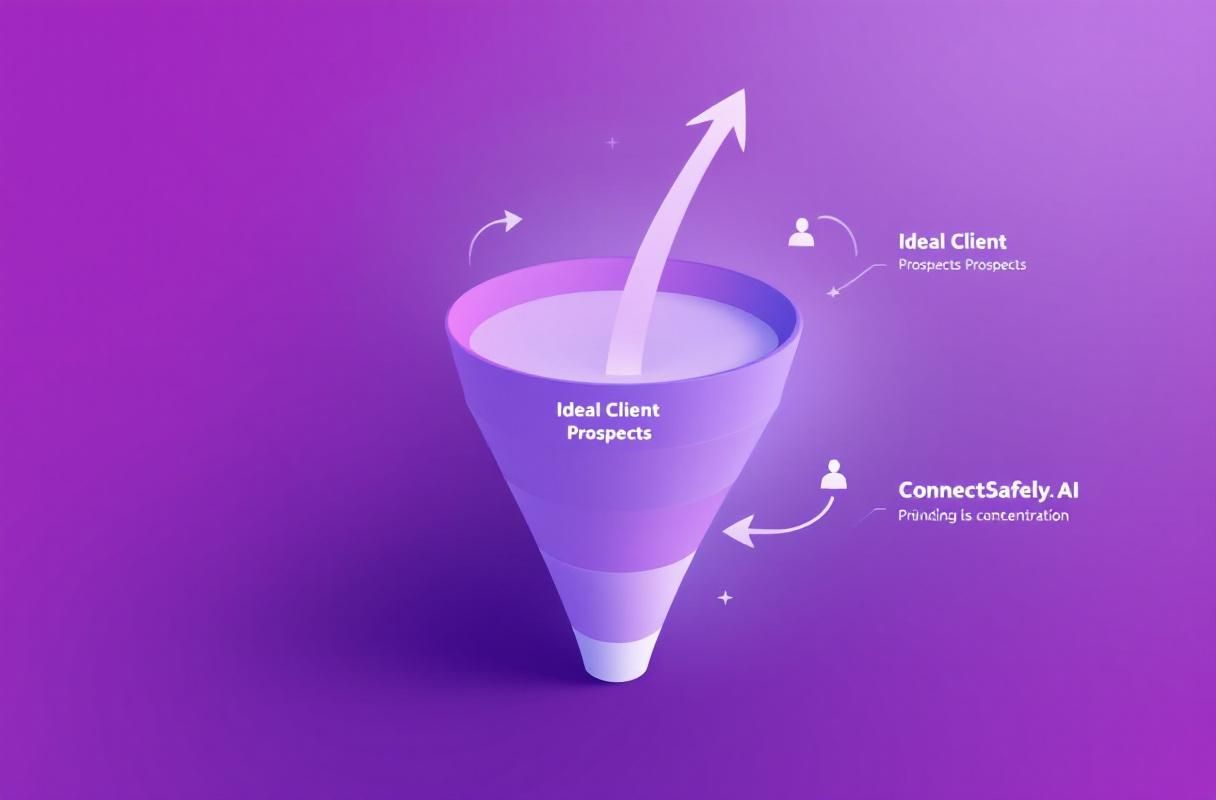
Mistake 1: Delayed Response Time
The traditional problem: Slow follow-up kills deals. When you finally respond to a cold prospect 24-48 hours later, they've already moved on mentally—or worse, responded to a competitor's faster outreach.
Why inbound eliminates it: When prospects reach out to you, they're actively engaged in the conversation. You're responding to THEIR timing, not chasing YOUR timeline. The urgency is built in because they initiated contact when they had the bandwidth and interest.
The shift: Instead of racing to respond before prospects forget you exist, you're continuing a dialogue they started when they were ready.
Mistake 2: Passive Outcome Delegation
The traditional problem: Sales reps send messages like "Let me know when you have time to chat" and then wonder why prospects never respond. Delegating next steps to uninterested prospects guarantees silence.
Why inbound eliminates it: Prospects who reach out to you have already taken initiative. They've moved past passive interest to active engagement. When you propose next steps, they're predisposed to act because the conversation was their idea.
The shift: Instead of begging for scraps of attention, you're guiding engaged prospects toward mutually beneficial outcomes.
Mistake 3: Over-Talking Instead of Listening
The traditional problem: Salespeople fill follow-up messages with product pitches, feature lists, and value propositions. They talk AT prospects instead of WITH them because they're trying to convince strangers to care.
Why inbound eliminates it: Inbound prospects already understand your value from engaging with your content. They don't need convincing—they need conversation. You can focus on their specific situation rather than generic pitching.
The shift: Instead of broadcasting value propositions to indifferent audiences, you're having focused discussions about real needs.
Mistake 4: Excessive Defensiveness
The traditional problem: When cold prospects raise objections, salespeople tend to over-explain and justify. This defensive posture weakens credibility and extends already-fragile conversations.
Why inbound eliminates it: Inbound leads arrive with pre-built trust. They've seen your expertise demonstrated across multiple touchpoints. Objections are genuine questions rather than dismissal tactics, and your established credibility means you can address concerns from a position of authority.
The shift: Instead of defending your right to their attention, you're addressing thoughtful questions from interested prospects.
Mistake 5: Inadequate Preparation
The traditional problem: Salespeople often fumble follow-ups because they don't remember details from previous interactions or haven't researched the prospect adequately.
Why inbound eliminates it: When prospects reach out after engaging with your content, you have context. You can see which posts they commented on, what topics interested them, and how they framed their initial outreach. The conversation history is built in.
The shift: Instead of scrambling to research strangers, you're building on shared context from previous engagement.
Mistake 6: Poor Conversation Openers
The traditional problem: Follow-up openers like "Just checking in..." or "Following up on my previous email..." signal low value and desperation. They remind prospects why they ignored you the first time.
Why inbound eliminates it: Inbound conversations start with prospect-initiated context. You're not opening with desperation—you're responding to their interest. "Thanks for reaching out after our exchange on [topic]..." establishes immediate relevance.
The shift: Instead of awkward cold re-introductions, you're continuing warm conversations.
Mistake 7: Excessive Follow-Up Frequency
The traditional problem: The balance between "persistent" and "annoying" is nearly impossible to strike with cold prospects. Too few follow-ups lose opportunities; too many damage your reputation.
Why inbound eliminates it: Inbound leads set their own pace. They reached out when ready, and subsequent engagement follows natural conversation rhythm rather than arbitrary cadences. You're not pushing—you're responding.
The shift: Instead of calculating optimal follow-up timing for indifferent prospects, you're participating in organic dialogue.
The Conversion Rate Transformation
The impact on conversion rates is dramatic:
Cold outreach follow-up results:
- Average response rate after 5 follow-ups: 10-15%
- Qualified conversation rate: 2-5%
- Close rate from cold leads: 1.7%
Inbound lead conversation results:
- Initial response quality: 70%+ positive
- Qualified conversation rate: Much higher
- Close rate from inbound leads: 14.6%
The 8-9X improvement comes from a fundamental relationship shift. You're not overcoming resistance—you're facilitating interest.
Building the Inbound Lead Flow That Eliminates Follow-Up Struggles
Here's how to create the LinkedIn authority that generates inbound leads:
Step 1: Establish Visible Expertise
Before prospects can reach out, they need to notice you. Consistent engagement on LinkedIn builds recognition:
- Comment thoughtfully on posts your ideal prospects read
- Share perspectives that demonstrate your unique expertise
- Engage in conversations where your target audience gathers
- Maintain daily visibility in your professional niche
Step 2: Build Trust Through Consistency
Authority isn't built overnight. Prospects need repeated exposure before reaching out:
- Week 1-2: Prospects start recognizing your name
- Month 1: Recognition builds into familiarity
- Month 2-3: Familiarity converts to trust
- Ongoing: Trust generates inbound outreach
Step 3: Create Clear Entry Points
Make it easy for interested prospects to initiate contact:
- Profile clearly communicates what you do and who you help
- Content includes natural invitations for deeper discussion
- DMs are open and welcoming
- LinkedIn activity signals availability
Step 4: Respond to Inbound Interest Effectively
When prospects reach out, continue the momentum:
- Acknowledge shared context from prior engagement
- Focus on their specific situation and needs
- Propose clear, easy next steps
- Maintain the conversational tone they initiated
The Time Investment Reality
"But building LinkedIn authority takes time," you might think. "Follow-up sequences are automated and efficient."
Let's compare honestly:
Cold outreach time investment:
- Prospect research: 30+ minutes per prospect
- Initial outreach creation: 10-15 minutes per message
- Follow-up sequence management: Ongoing
- Response handling: Mostly rejections to process
- Conversion work: Extensive (if you get responses)
LinkedIn authority time investment:
- Daily engagement: 30 minutes (automated with ConnectSafely.ai)
- Profile optimization: One-time setup
- Inbound response: Conversation with interested prospects
- Conversion work: Much less required (pre-built trust)
With AI-powered engagement tools, you can maintain daily LinkedIn visibility in 30 minutes weekly. The time savings compound as authority builds and inbound leads increase.
How ConnectSafely.ai Generates Inbound Leads
ConnectSafely.ai automates the authority-building that generates inbound leads:
Strategic engagement automation: AI-powered commenting maintains visibility in high-value conversations, building the recognition that leads to inbound outreach.
Creator and topic targeting: Engage specifically where your ideal prospects pay attention, ensuring the right people notice your expertise.
Consistent daily presence: Maintain 2+ hours of LinkedIn visibility with 30 minutes of weekly oversight.
Platform compliance: Engagement designed to work with LinkedIn's algorithms—zero ban risk, sustainable results.
Authority amplification: Real engagement boosts your content reach, accelerating the visibility that generates inbound interest.
Starting from USD $10/month, you're investing in a lead generation approach that eliminates follow-up struggles entirely.
The Mindset Shift
Stop thinking about "follow-up best practices." Start thinking about "how do I become the person prospects want to talk to?"
The traditional sales training asks: "How do I convert cold prospects into warm conversations?"
The inbound approach asks: "How do I attract prospects who arrive already warm?"
One approach fights human nature (people don't like being pursued by strangers). The other works with it (people seek out recognized experts when they have relevant needs).
Frequently Asked Questions
What mistakes should I avoid when following up?
The seven critical mistakes are: delayed response time, passive outcome delegation, over-talking instead of listening, excessive defensiveness, inadequate preparation, poor conversation openers, and excessive follow-up frequency. However, LinkedIn inbound leads eliminate these problems entirely because prospects reach out already familiar with your expertise—converting at 14.6% versus cold leads' 1.7%.
How many times should I follow up on LinkedIn?
While 80% of sales require at least five follow-ups, this statistic reflects the difficulty of converting uninterested cold prospects. Instead of perfecting follow-up sequences, build LinkedIn authority that attracts prospects who reach out to you. Inbound leads respond at 70%+ rates because they initiated contact when ready to engage.
Why do my follow-up messages get ignored?
Cold prospects ignore follow-ups because they never expressed interest in the first place. Each message feels increasingly desperate because you're pursuing someone trying to ignore you. Build visible expertise through strategic engagement instead—prospects who recognize your authority from previous visibility respond enthusiastically rather than ignoring you.
When should I follow up with LinkedIn leads?
For inbound leads who reach out to you, respond within hours to maintain momentum. For cold prospects, no follow-up timing solves the fundamental problem: they don't know or trust you. Invest that time in building LinkedIn authority through consistent engagement—generating leads who arrive already interested eliminates follow-up timing concerns.
How do I automate LinkedIn follow-up safely?
Don't automate follow-up messages—LinkedIn actively restricts this and it damages authenticity. Instead, use ConnectSafely.ai to automate the authority-building engagement that generates inbound leads who don't require aggressive follow-up sequences. Platform-compliant automation focuses on visibility, not outreach.
Do inbound leads really eliminate follow-up problems?
Yes. When prospects reach out already familiar with your expertise, the entire dynamic transforms from pursuit to attraction. They initiated contact when ready to engage, eliminating delayed response issues, passive delegation, and timing concerns. Inbound leads convert at 8-9X higher rates specifically because trust is established before the first conversation.
Stop perfecting your follow-up sequences. Start building the authority that makes follow-up struggles irrelevant.
Ready to generate inbound leads that don't require aggressive follow-up? Get started with ConnectSafely.ai and discover why attraction beats pursuit every time.
The Paradox of Over-Optimization in Follow-Up Sequences
When it comes to follow-up sequences, many sales teams strive for perfection, meticulously crafting each message to maximize response rates. However, this pursuit of optimization can sometimes backfire. Overly polished sequences can come across as insincere or robotic, leading to a decrease in engagement. Moreover, the time invested in refining these sequences can divert attention away from more critical aspects of the sales process, such as building meaningful relationships with prospects. It's essential to strike a balance between optimization and authenticity. A sequence that is too formulaic can neglect the unique needs and concerns of individual prospects, ultimately doing more harm than good. On the other hand, a more personalized approach, albeit less optimized, can foster deeper connections and increase the likelihood of conversion. The key is to understand that follow-up sequences should be tailored to the specific context and audience, rather than relying on a one-size-fits-all solution. By acknowledging the limitations of over-optimization, sales teams can focus on creating more nuanced and effective follow-up strategies that prioritize building trust and rapport with prospects.
Myth vs Reality: The Illusion of "One-Size-Fits-All" Follow-Up Strategies
A common misconception in the sales industry is that there exists a universal follow-up strategy that can be applied to all prospects, regardless of their unique circumstances or preferences. This myth has led many sales teams to adopt generic, cookie-cutter approaches that fail to account for the complexities of real-world interactions. In reality, effective follow-up strategies must be highly contextual, taking into account factors such as the prospect's industry, role, and previous interactions. Moreover, the most successful follow-up sequences are often those that are adapted to the individual prospect's communication style, whether that's through email, phone, or social media. By recognizing the illusion of a one-size-fits-all approach, sales teams can move away from rigid, formulaic strategies and towards more flexible, adaptive methods that prioritize understanding and responding to the unique needs of each prospect. This shift in mindset can lead to more meaningful engagements, increased conversion rates, and a more sustainable sales process.
Advanced-Level: Leveraging LinkedIn's Native Features to Enhance Follow-Up Sequences
For experienced sales professionals, leveraging LinkedIn's native features can be a game-changer in enhancing follow-up sequences. One advanced strategy involves utilizing LinkedIn's "People You May Know" feature to identify potential prospects who are already familiar with your brand or have engaged with your content. By targeting these individuals with personalized messages, sales teams can increase the likelihood of conversion and reduce the need for lengthy follow-up sequences. Another approach involves using LinkedIn's publishing platform to share thought leadership content that showcases expertise and builds trust with potential prospects. By promoting this content through sponsored posts or LinkedIn's native advertising options, sales teams can increase visibility, drive engagement, and generate high-quality leads that are more receptive to follow-up sequences. Furthermore, LinkedIn's integration with CRM systems and sales automation tools enables sales teams to streamline their follow-up processes, automate routine tasks, and focus on high-value activities such as building relationships and closing deals.
The Hidden Risks of Over-Relying on Automation in Follow-Up Sequences
While automation can be a powerful tool in streamlining follow-up sequences, over-relying on it can pose significant risks to sales teams. One of the primary concerns is that automated messages can come across as impersonal or even spammy, leading to a decrease in engagement and an increase in opt-outs. Moreover, automation can neglect the nuances of human communication, failing to account for subtle cues, tone, and context that are essential in building trust and rapport with prospects. Another risk is that automation can create a false sense of security, leading sales teams to become complacent and neglect the importance of human interaction in the sales process. By striking a balance between automation and human touch, sales teams can mitigate these risks and create follow-up sequences that are both efficient and effective. This may involve using automation to handle routine tasks, while reserving human interaction for high-value activities such as personalized outreach, relationship-building, and closing deals.
Edge Cases: When Traditional Follow-Up Strategies Backfire in Niche Industries
In certain niche industries, traditional follow-up strategies can backfire, leading to a decrease in engagement and an increase in resistance from prospects. For example, in highly regulated industries such as finance or healthcare, aggressive follow-up sequences can be perceived as insensitive or even predatory, damaging the reputation of the sales team and undermining trust with potential clients. In creative fields such as design or art, follow-up sequences that are too formulaic or lacking in personal touch can be seen as unauthentic or uncreative, failing to resonate with prospects who value originality and self-expression. In these edge cases, sales teams must adapt their follow-up strategies to the unique cultural and regulatory context of the industry, prioritizing sensitivity, empathy, and creativity in their approach. By acknowledging these exceptions and developing tailored strategies that account for the nuances of each industry, sales teams can increase their effectiveness, build stronger relationships with prospects, and drive long-term growth and success.
See How It Works
Watch how people get more LinkedIn leads with ConnectSafely




Related Articles