Funny LinkedIn Posts: Examples, Formulas & Humor Guide 2026
Funny LinkedIn posts drive 2-3x more engagement. Learn the humor formulas, examples, and tone rules that work for B2B audiences without hurting your brand.


Funny LinkedIn posts generate 2-3x more engagement than standard professional updates, but only when the humor lands inside narrow B2B tone boundaries. That is the short answer. The longer one -- which determines whether humor builds your authority or torches it -- comes down to formula, format, and audience fit.
According to Social Insider's 2025 LinkedIn benchmarks, image and text posts with humor elements saw a 47% year-over-year increase in shares, outpacing carousels, polls, and native video for viral reach. LinkedIn is no longer the buttoned-up resume site it was a decade ago -- humor is now one of the highest-leverage content moves on the platform, provided you know the rules.
Want to Generate Consistent Inbound Leads from LinkedIn?
Get our complete LinkedIn Lead Generation Playbook used by B2B professionals to attract decision-makers without cold outreach.
No spam. Just proven strategies for B2B lead generation.
This guide walks through the humor formulas that work for B2B audiences, real funny LinkedIn post examples broken down by why they performed, the tone boundaries that separate winners from cringe, and how to weave humor into a broader content strategy without becoming the office joker who never gets taken seriously.
Key Takeaways
- Funny LinkedIn posts outperform standard updates by 2-3x on shares and comments when the humor maps to a relatable B2B pain point
- The Setup → Twist formula drives most viral funny posts: open with a familiar scenario, end with a contrarian or absurd turn
- Stay inside the LinkedIn humor box: self-deprecating, workplace relatable, observational. Avoid edgy, political, or punching-down jokes
- Image + caption contrast is the highest-engagement format for funny posts -- the visual carries the setup, the caption delivers the twist
- Limit humor to 20-30% of your feed -- too much and you lose authority; too little and you blend into the corporate noise
Why Funny LinkedIn Posts Work in 2026
Humor on LinkedIn does three things that pure professional content cannot. First, it humanizes you in a feed full of polished bragging and corporate-speak. Second, it triggers shares -- the highest-value engagement signal in LinkedIn's algorithm because shares expose your content to second-degree networks. Third, it creates pattern interrupt: a feed of "thrilled to announce" posts conditions readers to scroll past, and a well-placed joke breaks that scroll velocity.
According to LinkedIn's own creator research, posts that prompt an emotional reaction -- including laughter -- generate 4-6x the comment volume of pure informational posts. Comments are weighted heavily in LinkedIn's algorithm because they signal active engagement rather than passive consumption.
The catch: LinkedIn humor is its own genre. Twitter-style absurdism flops here. Instagram-style influencer self-promotion humor reads as inauthentic. The humor that works on LinkedIn is observational, work-adjacent, and grounded in shared B2B reality -- the recurring meetings, the LinkedIn requests from sketchy recruiters, the "synergy" buzzwords, the existential crisis of the open office.
The 5 Funny LinkedIn Post Formulas That Actually Work
After analyzing thousands of top-performing humorous posts across B2B niches, five core formulas appear again and again. Each works because it pairs a recognizable B2B scenario with a sharp narrative twist.

Formula 1: The Setup → Twist
The most reliable funny LinkedIn post structure. Open with a familiar professional scenario or claim, then deliver an unexpected turn in the second beat. The contrast between the setup's seriousness and the twist's absurdity carries the humor.
Example:
"We just closed our largest deal ever.
$14. From my niece who wanted to sell her drawings.
Cash flow is cash flow."
This works because the first line reads like a typical LinkedIn brag, the second line shatters the expectation, and the third line frames it with deadpan business logic.
Formula 2: The Job Description Reality Check
Take a normal corporate job description and rewrite it with brutal honesty. The humor comes from how close to true it feels.
Example:
"Job title: Senior Strategy Consultant Actual job: Making PowerPoints prettier
Job title: Head of Innovation Actual job: Going to conferences, posting on LinkedIn
Job title: Growth Marketer Actual job: Asking why CAC is so high"
This works because every reader recognizes the gap between job titles and reality. Specificity (the actual roles named) makes the joke land harder.
Formula 3: The Meeting Lifecycle
Document a meta-truth about meetings, sales calls, or workplace rituals. Universal experience + sharp observation = high share rate.
Example:
"Stages of a 'quick sync':
- We could have done this in Slack
- We could have done this in an email
- We could have done this in a Loom
- Why are there 12 people in here
- Let's circle back next week"
The numbered list format adds visual rhythm. Each line escalates the absurdity while staying inside corporate vocabulary.
Formula 4: The Cold Outreach Roast
Reproduce a particularly egregious cold message or recruiter outreach, then react to it. LinkedIn loves seeing bad outbound get publicly mocked because almost every user has received the same garbage messages. This is also why inbound LinkedIn strategy outperforms automation -- nobody shares cold messages because they liked them.
Example:
"Real cold message I got today:
'Hi Anandi, I noticed you breathe oxygen. Our enterprise solution helps founders who breathe oxygen scale to 8 figures. Free 15-min call?'
Sir this is a Wendy's."
The setup is the real message; the punchline references a meme everyone knows. Combining authentic frustration with a familiar reference doubles the shareability.
Formula 5: The Self-Deprecating Founder Confession
Founders and senior professionals admitting an unglamorous truth about their work. The humor lives in the gap between LinkedIn's hustle culture and actual day-to-day reality.
Example:
"Things I said in my pitch deck: 'AI-powered workflow automation'
Things that are actually in the product: A Zapier integration and a button that says 'AI'"
Self-deprecation works on LinkedIn specifically because it inverts the dominant tone. Everyone is performing competence; admitting imperfection feels rare and refreshing.
Funny LinkedIn Post Examples (And Why They Worked)
Beyond formulas, here are three specific post types that have driven outsized engagement for B2B creators in 2026.
The Industry-Specific Inside Joke
Posts that reference niche industry pain points outperform generic humor with the audience that matters most for B2B authority -- buyers in your specific niche. A SaaS founder joking about "the four free trial signups my mother made because I asked her to" lands harder with other founders than any generic startup joke would.
The trade-off: industry humor has a smaller potential audience but a much higher hit rate within that audience. For someone building topic authority, the smaller-deeper signal is more valuable than broad shallow reach. This is the same reason topic-focused content beats general business content for building authority on LinkedIn.
The Out-of-Office Auto-Reply
A surprisingly viral genre: screenshots of creative out-of-office responses, vacation auto-replies, or onboarding emails written with personality. The humor is permission-structure -- it shows readers what they could do at their own jobs if they were a little braver. These posts routinely break 1,000 reactions because they make readers laugh AND envy the author's freedom to be funny at work.
The "Day in the Life" Inversion
The "5am routine" hustle-porn genre is begging to be parodied, and parody posts of that genre consistently outperform sincere versions. Posts like "5am: alarm. 5:02am: snooze. 5:32am: snooze. 6:47am: panic" capture the actual reality of most professionals and earn shares because readers want their network to know they're not buying the hustle bro narrative either.
The LinkedIn Humor Tone Box: What Works vs What Backfires
LinkedIn humor lives inside a narrow tone band. Step outside it and you don't get crickets -- you get unfollows, screenshots, and HR awkwardness. Here is the practical guide.
Safe and high-performing:
- Self-deprecating humor about your own work, role, or industry
- Observational humor about universal B2B experiences (meetings, calendars, slide decks)
- Light parody of LinkedIn culture itself (humblebrags, "agree?", over-formatted posts)
- Absurdist business takes that obviously aren't serious
- Industry-specific inside jokes that signal you understand the field
Backfires consistently:
- Punching down at junior employees, interns, or job seekers
- Political or religious humor of any direction
- Jokes about specific companies, competitors, or named individuals (even gently)
- Sexual humor or anything that could be screenshotted to HR
- Generation-bashing (millennials vs Gen Z, etc.) -- always alienates someone
The simplest tone test: would you say this out loud in a sales meeting with a prospect from a different country and demographic in the room? If yes, it is safe for LinkedIn. If you feel a flicker of "well, depends on the audience," skip it.
Funny LinkedIn Post Formats That Drive the Most Engagement
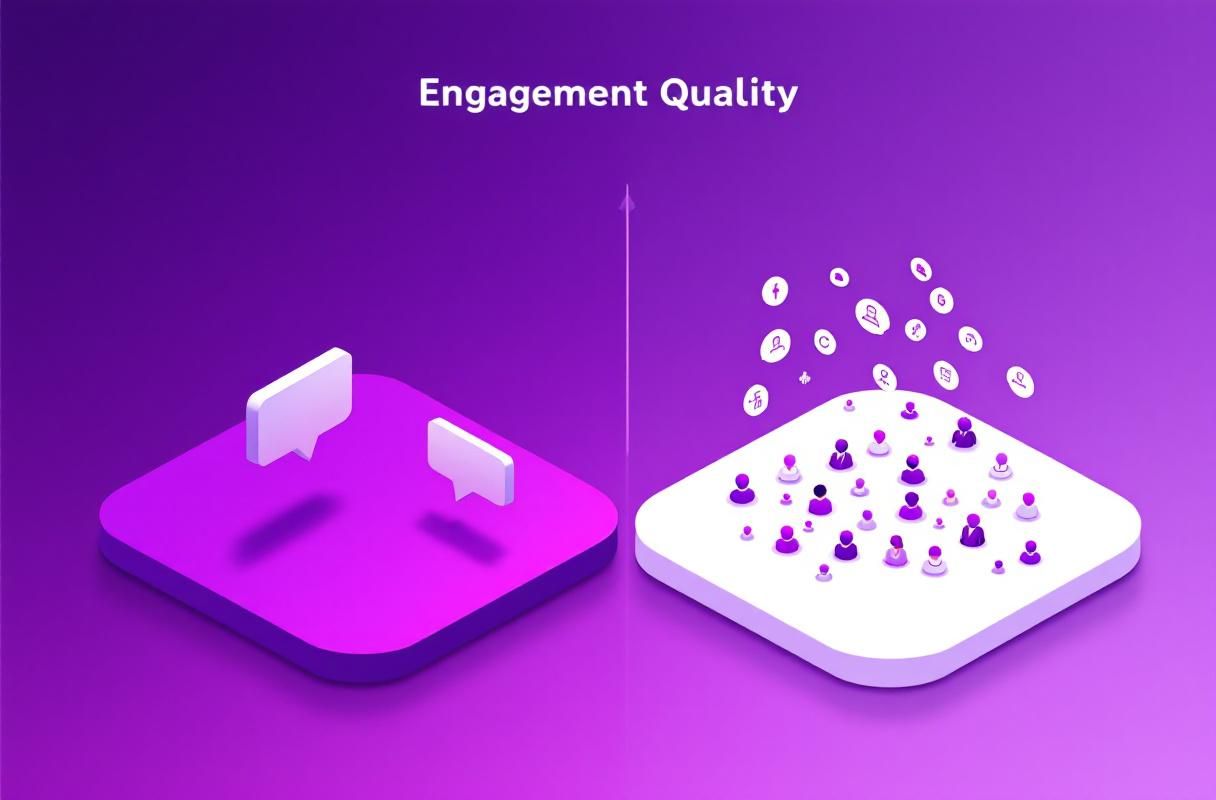
Format choice changes the performance ceiling of a funny post more than people realize. Same joke, different format, can deliver 5x different reach.
| Format | Engagement Multiplier | Best For |
|---|---|---|
| Plain text post | 1x (baseline) | Setup → Twist one-liners, list formats |
| Image + witty caption | 2.5x | Visual contrast humor, screenshots, memes |
| Carousel (3-5 slides) | 3x | Escalating jokes, "stages of" lifecycle posts |
| Short video (under 30s) | 2.8x | Deadpan delivery, reaction content |
| Poll with funny options | 1.8x | Industry inside jokes, "which one of these are you" |
The format-format that consistently wins is image + caption contrast: a serious-looking image paired with a one-line caption that subverts the visual. This works because the brain processes the image first, then the caption hits as a payoff. The same joke delivered as plain text underperforms by roughly 2.5x.
For carousels, the rule is to make every slide funny -- not a 4-slide setup followed by a punchline on slide 5. Readers drop off after slide 2 if they don't see a reason to swipe. Each slide should reward the swipe with its own laugh, building toward a stronger finish.
What Most Guides Get Wrong About Funny LinkedIn Posts
Most "how to be funny on LinkedIn" advice misses three things that actually determine whether humor works for you long-term.
Mistake 1: Treating humor as a content category instead of a tone. Posting funny content in dedicated "comedy" posts while keeping everything else corporate is a worse strategy than weaving light humor into your regular professional posts. The goal is not to become a LinkedIn comedian -- it is to be the expert who is also human and quick-witted. Sprinkle dry humor into your serious posts and reserve standalone jokes for moments when you have something genuinely sharp.
Mistake 2: Chasing viral formats that don't match your voice. If your brand is calm, analytical, and authoritative, switching into chaotic absurdist humor will confuse your audience. Match the humor to your existing tone -- understated humor for analytical brands, observational humor for community-builders, deadpan humor for technical experts.
Mistake 3: Posting jokes without follow-up. A funny post that earns 200 comments is worth nothing if you do not show up in the comments to extend the conversation. Reply to every comment in the first 90 minutes with another joke, an observation, or a question. Engagement on funny posts compounds when the comment section becomes part of the entertainment. This applies broadly to boosting LinkedIn post reach -- the comment window is where reach is built or lost.
How Funny Posts Fit Into an Inbound LinkedIn Strategy
Funny posts are not a strategy on their own -- they are a tool inside a broader inbound system. The role they play is removing the formality barrier that keeps prospects from engaging with you and starting conversations. A prospect who laughs at your post and then reads your serious authority content the next day arrives pre-warmed. A prospect who only ever sees your serious content has to climb a much taller wall to reach out.
The frame that works: humor opens the relationship, expertise closes it. Use 20-30% of your feed for humor and personality, 50-60% for genuine professional insights, and 10-20% for direct CTAs or case studies. This blend keeps you human enough to attract attention and credible enough to convert that attention into inbound leads.
According to HubSpot research, inbound leads close at 14.6% versus 1.7% for outbound. The reason is trust -- and humor is one of the fastest trust-building moves on LinkedIn because it is high-risk for the poster (you can flop publicly) and reading as authentic to the audience.
How ConnectSafely Helps You Schedule Funny Content Strategically
Posting funny content well requires consistency and timing. Funny posts perform best when they hit during peak feed times (Tuesday-Thursday, 9-11am in your audience's local timezone) and when they are interspersed with serious content rather than dumped in clusters.
ConnectSafely's free post scheduler lets you queue your humor posts alongside your authority posts in the right ratio and at the right times -- without sitting at your desk waiting for the optimal posting window. You can plan a month of mixed content (humor + insights + case studies) in a single session and let the platform deliver them at peak engagement times.
For $10/month on the paid plan, you also unlock content templates, analytics on which humor formulas resonate with your specific audience, and queue management for batch creation sessions. Start with the free plan -- unlimited posts, zero credit card required.
Frequently Asked Questions
What makes a LinkedIn post funny without being unprofessional?
The safest formula is self-deprecating humor about your own work or industry, paired with a recognizable B2B scenario (meetings, cold outreach, slide decks, job titles). Avoid punching down at others, political topics, or anything you would not say out loud to a prospect from a different background. If a post feels even slightly risky, run it past two trusted colleagues before publishing -- their reaction is your best signal for whether the humor lands or backfires.
How often should I post funny content on LinkedIn?
Aim for 20-30% of your total post volume as humor or personality-driven content, with the remaining 70-80% being substantive professional insights. Too much humor and you lose authority positioning; too little and you blend into corporate noise. A practical cadence: if you post five times per week, one or two should have humor as the primary driver and three or four should be serious professional content with optional dry humor woven in.
What is the best format for a funny LinkedIn post?
Image + caption contrast consistently outperforms other formats by roughly 2.5x. The visual carries the setup (something that looks serious or familiar) and the caption delivers the unexpected twist. Plain text posts work well for one-liner jokes and list formats. Carousels work for escalating "stages of" humor where each slide adds a laugh. Avoid video unless you can deliver deadpan timing on camera -- text-based humor is much more forgiving.
Can humor on LinkedIn hurt my professional reputation?
It can if the humor is poorly chosen, but well-executed humor consistently strengthens reputation by making you more memorable and human. The risk profile depends on your audience and industry -- legal, finance, and healthcare audiences tolerate less humor than tech, marketing, and creative industries. Start with light, observational humor about universal experiences and scale up your comedic risk only as your audience signals it welcomes more personality.
Do funny LinkedIn posts actually generate inbound leads?
Yes, indirectly. Funny posts rarely generate direct lead inquiries because their primary job is attention and trust-building, not selling. But they create the conditions for serious posts to convert -- by lowering the formality barrier, expanding your reach to second-degree networks via shares, and humanizing your brand so prospects feel comfortable reaching out. The compound effect over 90 days is significant: creators who blend humor with expertise see 2-3x more inbound DM volume than creators who post only serious content.
Ready to schedule funny and serious LinkedIn content the right way? Try ConnectSafely's free post scheduler -- unlimited scheduling, no credit card, no automation risk.
See How It Works
Watch how people get more LinkedIn leads with ConnectSafely




Related Articles