How the LinkedIn Algorithm Works: Visibility Guide
LinkedIn's algorithm prioritizes dwell time and comments over likes. Learn how it actually works and how to maximize visibility for inbound leads.

The LinkedIn algorithm in 2026 prioritizes expertise, dwell time, and genuine conversations over superficial engagement signals like likes and shares. According to Hootsuite's comprehensive analysis, LinkedIn has shifted from reward viral reach to emphasizing professional relevance—content that demonstrates real expertise reaches the right professionals, not the most people.
Key Takeaways
- Dwell time is now the primary quality signal—how long users spend reading your content determines distribution more than reactions
- Comments outweigh all other engagement—posts with 50 comments outperform posts with 500 likes
- External links reduce reach by 60%—LinkedIn penalizes content that sends users off-platform
- The algorithm is designed to prevent virality—quality over quantity is now rewarded
- Employee posts reach 561% further than company page posts in 2026's distribution model
- Early engagement window is 60-90 minutes—initial response determines whether your post expands or dies
Understanding LinkedIn's 2026 Algorithm Philosophy
The LinkedIn algorithm has evolved significantly from its earlier iterations. According to SocialBee's algorithm guide, the platform now explicitly designs its algorithm to prevent content from going viral.
This isn't a bug—it's a feature. LinkedIn wants to fill feeds with relevant professional expertise, not engagement-bait posts that reach millions but add no value. Understanding this philosophy is essential for anyone building inbound visibility.
The Expertise-First Approach
According to Agorapulse's 2025 analysis, LinkedIn's algorithm now evaluates:
- Topic consistency: Does your content demonstrate sustained expertise in specific areas?
- Creator credibility: Does your profile and history suggest authority on this topic?
- Audience relevance: Will your network actually benefit from this content?
- Conversation quality: Does the content spark meaningful professional discussions?
Generic content that anyone could post loses to specific expertise that few can match.
Want to Generate Consistent Inbound Leads from LinkedIn?
Get our complete LinkedIn Lead Generation Playbook used by B2B professionals to attract decision-makers without cold outreach.
No spam. Just proven strategies for B2B lead generation.
How LinkedIn Distributes Your Content
Every post goes through a multi-stage distribution process. Understanding each stage helps you optimize for maximum reach.
Stage 1: Initial Quality Filtering
According to Sprout Social's algorithm breakdown, LinkedIn's AI immediately evaluates your post for:
- Spam signals: Excessive links, sales language, prohibited content
- Format compliance: Proper use of features, appropriate length
- Content quality: Readable structure, coherent message
- Profile standing: Your account's reputation and history
Posts that fail initial filtering never reach your network. They're essentially dead on arrival.
Stage 2: Small-Audience Testing
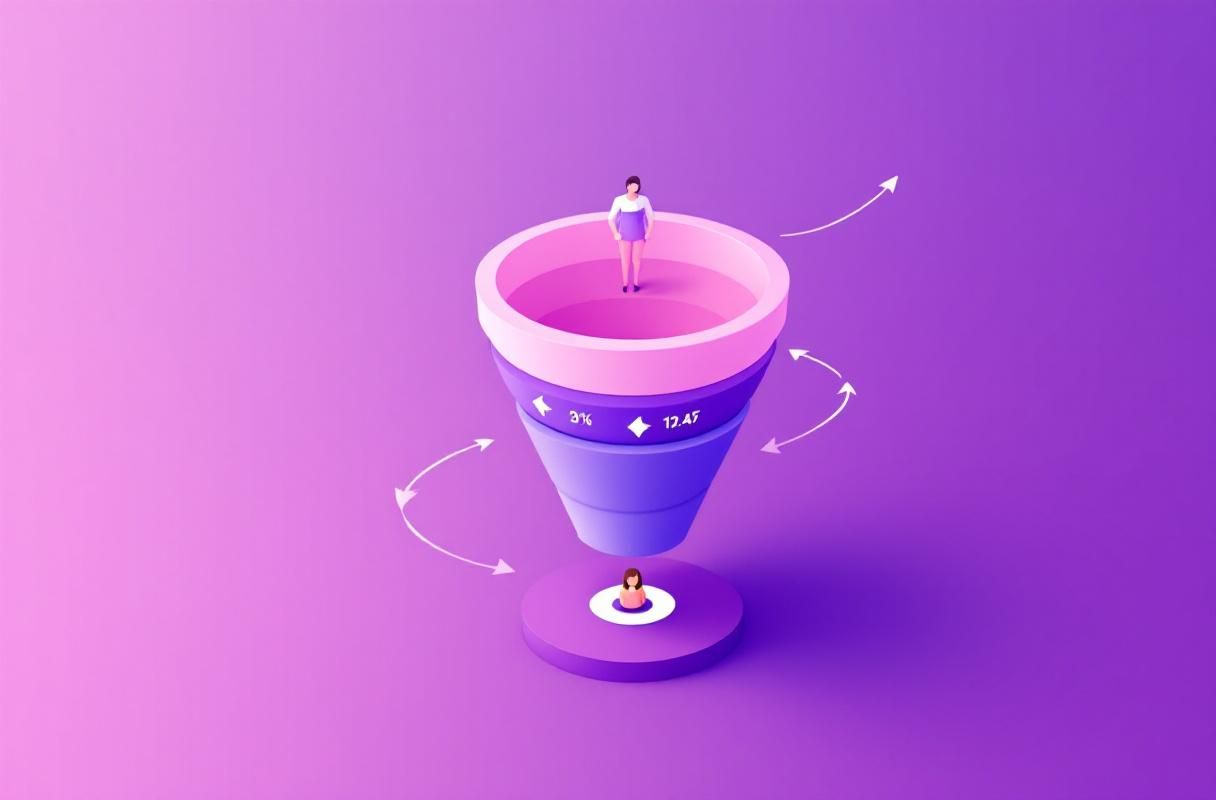
If your post passes quality filtering, LinkedIn shows it to a small sample of your connections—typically 2-5% of your network.
According to Hootsuite, what happens in the next 60-90 minutes determines your post's fate:
| Early Response | Algorithm Action |
|---|---|
| High engagement | Gradual expansion to broader audience |
| Moderate engagement | Limited additional distribution |
| Low engagement | Post dies, minimal further reach |
This is why timing matters. Post when your audience is active, not when it's convenient for you.
Stage 3: Broader Distribution (If Earned)
Posts that perform well in small-audience testing expand to:
- First-degree connections not in the test group
- Second-degree connections (connections of your connections)
- Third-degree connections if engagement continues
According to River Blog's testing, this expansion isn't automatic—it's earned through sustained engagement. The algorithm continuously re-evaluates whether to expand or contract your reach.
The Evergreen Content Shift
In mid-2025, LinkedIn confirmed a significant change. According to Hootsuite, the platform is now more likely to show older posts—even 2-3 weeks old—if they're more relevant to users' professional interests.
This means high-quality content has longer shelf life. A great post doesn't just perform for hours—it can continue reaching new audiences for weeks.
The Key Ranking Signals in 2026
LinkedIn's algorithm weighs multiple signals differently. Here's what matters most:
Dwell Time (Highest Weight)
Dwell time measures how long users spend reading or viewing your content before scrolling past. According to SocialBee, this became a primary quality signal in 2026.
Why it matters: Dwell time indicates genuine interest. A user who spends 2 minutes reading your post is more valuable than 100 users who scroll past after 1 second.
How to optimize:
- Write substantive content worth reading
- Use formatting that draws eyes down the page
- Include specific insights that reward careful reading
- Create carousel documents that encourage clicking through
Comments (Critical Weight)
Comments are now the most important engagement signal. According to River Blog, posts with comments are 2-3x more likely to appear in 2nd and 3rd-degree connection feeds.
The math: 50 comments > 500 likes in algorithmic value
How to optimize:
- End posts with genuine questions
- Create slightly controversial takes that invite discussion
- Respond to every comment to generate more
- Avoid yes/no questions—ask for specific input
Relevance Scoring
LinkedIn evaluates how well your content matches what your audience actually wants. According to Sourcegeek, factors include:
- Topic alignment: Content matching your established expertise
- Network match: Content relevant to your specific connections
- Historical patterns: Content similar to what has worked before
Random posts outside your expertise area perform worse, even if they're high quality.
Creator Credibility
Your profile and posting history contribute to a credibility score. According to GrowLeads, the algorithm considers:
- Profile completeness
- Posting consistency
- Topic focus
- Engagement history
- Account age and standing
New accounts and accounts with inconsistent activity start with lower credibility and must build it over time.
What Hurts Your LinkedIn Reach
Understanding penalties helps you avoid common mistakes.
External Links (60% Reach Reduction)
According to SocialBee, posts containing external links see roughly 60% less reach. LinkedIn wants users to stay on the platform.
Workarounds:
- Put links in comments rather than the post body
- Use native documents instead of linking to PDFs
- Create content that delivers value without requiring users to click away
Engagement Bait (Penalized)
According to Hootsuite, LinkedIn's algorithm now detects and penalizes engagement bait like:
- "Like this if you agree!"
- "Comment YES for the guide!"
- "Share to your network!"
These tactics may have worked in 2022. In 2026, they hurt more than help.
Engagement Pods (Detected and Penalized)
Engagement pods—groups that coordinate commenting on each other's posts—are now detected. According to Speedwork, the algorithm identifies:
- Unnatural timing patterns
- Repetitive engagement from same users
- Comment patterns that don't match organic behavior
Detection leads to reduced distribution for all participants.
Editing After Posting
According to SocialBee, major edits to posts can reset their distribution. Minor typo fixes are fine, but significant content changes can hurt performance.
Best practice: Proof carefully before posting. If you must edit, do it within the first few minutes.
Excessive Hashtags
More hashtags doesn't mean more reach. According to Hootsuite, 3-5 hashtags is optimal. More than that can signal spam-like behavior.
Content Formats and Algorithm Performance
Different content formats perform differently in 2026's algorithm:
PDF Carousels (Highest Performance)
According to Medium's 2026 analysis, PDF carousels are the highest-performing format because they:
- Maximize dwell time (users click through multiple pages)
- Deliver substantial value
- Keep users on LinkedIn
- Encourage saves for later reference
Best uses: Frameworks, processes, step-by-step guides, before/after comparisons
Short-Form Video (High Performance)
According to GrowLeads, videos under 30 seconds achieve 200% higher completion rates than longer formats.
Key insights:
- Under 30 seconds optimal
- Native upload required (not YouTube links)
- Captions essential (most watch without sound)
- Hook viewers in first 2-3 seconds
Text-Only Posts (Strong Performance)
Pure text posts perform well when they:
- Tell compelling stories
- Share specific insights
- Ask thought-provoking questions
- Demonstrate clear expertise
According to River Blog, single-image posts now underperform text-only content by 30%—a reversal from 2024-2025 patterns.
Single Images (Declining Performance)
Images without substantive text perform worse in 2026. If using images:
- Include substantial text content
- Make images genuinely informative (not decorative)
- Consider carousels instead of single images
Polls (Moderate Performance)
Polls generate engagement but don't build authority the way substantive content does. Use them for:
- Market research
- Audience engagement
- Quick topic validation
Personal Profiles vs. Company Pages
The algorithm treats personal profiles and company pages very differently.
Personal Profile Advantages
According to River Blog's testing:
- Employee reshares reach 561% further than company page posts
- Personal profiles receive 65% of feed allocation
- CEO content generates 4x more engagement than average posts
Company Page Limitations
Company pages receive just 5% of user feed allocation. According to LinkedIn's own B2B research, the platform has introduced Thought Leader Ads specifically because organic company page reach is so limited.
Strategy implication: For inbound lead generation, personal profiles dramatically outperform company pages. Empower team members to share content through personal profiles.
Optimizing for the Algorithm Without Gaming It
The best algorithm strategy isn't to game the system—it's to create genuinely valuable content that the algorithm was designed to reward.
Consistency Over Intensity
According to Team Maia, sustainable posting beats sporadic bursts. The algorithm rewards:
- Regular posting schedule
- Consistent topic focus
- Predictable engagement patterns
3 posts per week consistently outperforms 10 posts one week and zero the next.
Depth Over Breadth
Post about fewer topics with greater depth rather than many topics superficially. According to SocialBee, the algorithm builds a profile of your expertise areas and rewards content that matches.
Authentic Engagement Over Volume
Genuine comments on others' posts build visibility more sustainably than mass automation. According to Hootsuite, the algorithm can identify when engagement patterns seem inauthentic.
Quality Over Quantity
One substantial post that generates meaningful conversation outperforms three mediocre posts that get scrolled past. Dwell time and comments matter more than posting frequency.
How ConnectSafely.ai Works With the Algorithm
ConnectSafely.ai is designed to amplify what LinkedIn's algorithm rewards:
Engagement automation that LinkedIn approves:
- Thoughtful comments on relevant posts (building visibility)
- Content visibility boosting (expanding reach)
- Strategic engagement timing (maximizing early-window impact)
What it doesn't do:
- Mass connection requests (triggers restrictions)
- Generic automated messages (spam signals)
- Engagement pod behavior (detected and penalized)
Starting from USD $10/month, it accelerates the engagement activities that build genuine authority—the exact signals LinkedIn's algorithm is designed to reward. Zero reported account bans because the approach works with the algorithm, not against it.
Frequently Asked Questions
How does the LinkedIn algorithm work in 2026?
LinkedIn's algorithm evaluates posts through three stages: quality filtering, small-audience testing, and broader distribution if earned. According to Hootsuite, dwell time and comments are the primary quality signals, with the algorithm prioritizing expertise and relevance over viral potential.
What is dwell time on LinkedIn and why does it matter?
Dwell time measures how long users spend viewing your content before scrolling. According to SocialBee, it became the primary quality signal in 2026 because it indicates genuine interest—LinkedIn values content people actually read over content that just gets quick reactions.
Do external links hurt LinkedIn post reach?
Yes significantly. According to SocialBee, posts containing external links see roughly 60% less reach. LinkedIn penalizes content that sends users off-platform. Put links in comments instead of post body.
Are LinkedIn engagement pods still effective?
No—they're now detected and penalized. According to Speedwork, LinkedIn's algorithm identifies unnatural engagement patterns from pods and reduces distribution for participants.
What content format performs best on LinkedIn in 2026?
PDF carousels perform highest because they maximize dwell time and keep users on-platform. According to GrowLeads, single-image posts now underperform text-only content by 30%—a reversal from previous years.
Ready to work with the LinkedIn algorithm instead of against it? Try ConnectSafely.ai and build authentic visibility that the algorithm is designed to reward.
The Dark Side of Employee Advocacy: When Employee Posts Backfire
While it's true that employee posts reach 561% further than company page posts, there's a flip side to this phenomenon. When employees share company content without proper context or understanding, it can lead to a wave of low-quality engagement that actually hurts the company's reputation. I've seen cases where employees share posts with misleading or outdated information, sparking heated debates and damaging the company's credibility. Furthermore, when employees are incentivized to share company content without being genuinely invested in the topic, it can come across as insincere or even spammy. To avoid this pitfall, companies need to invest in employee education and training, ensuring that their advocates understand the content they're sharing and can engage in meaningful conversations. It's also crucial to set clear guidelines and expectations for employee advocacy, emphasizing the importance of quality over quantity. By taking a thoughtful and strategic approach to employee advocacy, companies can harness the power of their employees' networks while avoiding the potential pitfalls.
Myth vs Reality: Debunking Common Misconceptions About LinkedIn's Algorithm
One of the most pervasive myths about LinkedIn's algorithm is that it prioritizes video content over other formats. While it's true that video can be an effective way to engage audiences, the reality is that LinkedIn's algorithm is format-agnostic. What matters most is the quality and relevance of the content, regardless of whether it's a video, article, or image. Another common misconception is that LinkedIn's algorithm favors posts with high engagement rates, such as likes and comments. However, as we've discussed earlier, the algorithm actually prioritizes dwell time and conversation quality over superficial engagement signals. To succeed on LinkedIn, marketers need to focus on creating high-quality, relevant content that resonates with their audience, rather than chasing vanity metrics or trying to game the algorithm. By understanding the reality of how LinkedIn's algorithm works, marketers can develop effective strategies that drive real results, rather than wasting time and resources on misguided tactics.
Advanced-Level: Leveraging LinkedIn's Algorithm to Create Network Effects
For experienced marketers, one of the most powerful ways to leverage LinkedIn's algorithm is by creating network effects. This involves designing content and engagement strategies that don't just reach individual users, but also create a ripple effect that resonates throughout their networks. One way to achieve this is by identifying and partnering with influencers who have high-quality networks that align with your target audience. By collaborating with these influencers, you can create content that not only reaches their followers but also sparks conversations and engagement that spread throughout their networks. Another strategy is to use LinkedIn's built-in features, such as polls and quizzes, to create interactive content that encourages users to share their thoughts and opinions with their networks. By creating network effects, marketers can amplify their reach and impact, driving exponential growth and engagement that goes far beyond the initial post.
The Exception to the Rule: When External Links Actually Increase Reach
While it's generally true that external links reduce reach by 60%, there are exceptions to this rule. In certain cases, linking to high-quality, relevant external content can actually increase reach and engagement. This is particularly true when the external content is closely related to the topic of the post and provides additional value or insights that enhance the user's understanding. For example, if you're posting about a recent industry study, linking to the original research paper or a relevant article can provide context and credibility, increasing the post's reach and engagement. However, it's crucial to use external links judiciously and only when they add significant value to the post. Otherwise, the algorithm will still penalize the post for sending users off-platform. By understanding the nuances of external linking, marketers can use this tactic to their advantage, creating content that is both informative and engaging.
Edge Cases: How LinkedIn's Algorithm Handles Controversial or Sensitive Topics
One of the most challenging aspects of navigating LinkedIn's algorithm is handling controversial or sensitive topics. While the platform encourages open and respectful discussion, it also has to balance this with the need to maintain a safe and respectful environment for all users. In cases where a post touches on a sensitive or controversial topic, the algorithm may actually reduce its reach or engagement to prevent the spread of misinformation or hate speech. However, this can also lead to unintended consequences, such as suppressing important discussions or marginalizing certain voices. To navigate these edge cases, marketers need to be aware of the potential risks and consequences of posting about sensitive topics. This involves being thoughtful and respectful in their approach, avoiding inflammatory language or tone, and being open to feedback and criticism. By handling controversial topics with care and sensitivity, marketers can create content that sparks important conversations and drives engagement, while also respecting the boundaries and guidelines of the platform.
See How It Works
Watch how people get more LinkedIn leads with ConnectSafely




Related Articles