How Many Impressions Are Good on LinkedIn? Benchmarks
What's a good number of LinkedIn impressions? Get real benchmarks by follower count, industry, and post type — plus how to turn impressions into inbound leads.

Everyone tracks impressions. Few understand what their numbers actually mean. After analyzing over 500 LinkedIn accounts at ConnectSafely.ai across industries, follower counts, and post types, we built the benchmarks most guides leave out: what a "good" impression count looks like relative to your actual audience size and how to convert those impressions into inbound leads.
Key Takeaways
- Impressions alone are a vanity metric. An impression means your post appeared in a feed. It does not mean anyone read it, cared about it, or will ever buy from you.
- A healthy post reaches 5-15% of your follower count per post. If you have 2,000 followers and consistently hit 200+ impressions, you are performing at or above average.
- Post type matters more than timing. Document carousels generate 2.5-3x more impressions than text-only posts across every follower tier we analyzed.
- Engagement drives impressions, not the other way around. LinkedIn distributes your post further when early engagement signals are strong. More comments mean more impressions, not more impressions mean more comments.
- The real metric is impression-to-conversation ratio. The professionals generating inbound leads are not chasing impressions; they are converting 1-3% of impressions into profile visits and DM conversations.
Impressions vs. Engagement: Why the Difference Matters
An impression is counted each time your post appears on someone's screen. It does not require any interaction. One person scrolling past your post three times counts as three impressions.
Want to Generate Consistent Inbound Leads from LinkedIn?
Get our complete LinkedIn Lead Generation Playbook used by B2B professionals to attract decision-makers without cold outreach.
No spam. Just proven strategies for B2B lead generation.
Engagement means someone took an action: a reaction, comment, share, click, or save. This is what LinkedIn's algorithm actually uses to decide whether to show your post to more people.
Here is why this distinction matters: a post with 5,000 impressions and 10 engagements (0.2% engagement rate) performed worse than a post with 800 impressions and 40 engagements (5% engagement rate). The second post built more authority, generated more profile visits, and is more likely to drive inbound conversations.
Impressions tell you how far your content traveled. Engagement tells you whether anyone cared. Both matter, but if you are optimizing for only one, optimize for engagement.
LinkedIn Impression Benchmarks by Follower Count
Based on ConnectSafely.ai's analysis of 500+ accounts over a six-month period (October 2025 through March 2026), here are the impression benchmarks broken down by audience size:
| Follower Count | Low (Bottom 25%) | Average | Good (Top 25%) | Excellent (Top 10%) |
|---|---|---|---|---|
| 0-500 | 50-100 | 150-300 | 400-800 | 1,000+ |
| 500-1K | 100-250 | 350-600 | 700-1,500 | 2,000+ |
| 1K-5K | 200-500 | 700-1,500 | 2,000-5,000 | 6,000+ |
| 5K-10K | 500-1,200 | 1,500-4,000 | 5,000-12,000 | 15,000+ |
| 10K+ | 1,000-3,000 | 4,000-10,000 | 12,000-30,000 | 40,000+ |
A useful rule of thumb: divide your impressions by your follower count. If the result is 0.10 or higher (10%+), your post performed at or above the median. If it is 0.20 or higher (20%+), you are in the top quartile for your tier.
Accounts under 1,000 followers often see higher impression-to-follower ratios because LinkedIn gives new and smaller accounts a distribution boost to help them grow. Do not mistake early momentum for a sustainable baseline.
Impression Benchmarks by Post Type
Format is the single biggest lever for impressions. Here is what our data shows across all follower tiers:
| Post Type | Avg. Impressions (Median Account) | Impression Multiplier vs. Text | Best For |
|---|---|---|---|
| Document / Carousel | 2,800 | 2.5-3x | Educational content, step-by-step frameworks |
| Native Video | 2,200 | 2-2.5x | Personal stories, demos, behind-the-scenes |
| Multi-Image | 1,900 | 1.8-2.2x | Event recaps, before/after, team highlights |
| Poll | 1,600 | 1.5-1.8x | Audience research, controversial takes |
| Text-Only | 1,000 | 1x (baseline) | Thought leadership, personal narratives |
| External Link | 500-700 | 0.5-0.7x | Blog promotion (place link in first comment instead) |
The pattern is consistent: native formats that keep users on LinkedIn receive dramatically more distribution. External link posts are actively penalized. If you need to drive traffic to your website, post native content with the link in the first comment or your author bio.
What Most Guides Get Wrong
Most LinkedIn impression guides present a single "good" number as if it applies universally. That is misleading for three reasons.
1. Impressions Without Engagement Are Vanity Metrics
A post that reaches 10,000 people and generates zero conversations did nothing for your business. Impressions feel good in a dashboard but they do not fill your pipeline. The professionals who generate consistent inbound leads focus on engagement rate, not raw impression counts.
2. Benchmarks Without Context Are Meaningless
Telling someone "1,000 impressions is good" without knowing their follower count, industry, or content format is like saying "100 customers is good" without knowing whether they run a SaaS company or a hot dog stand. Always benchmark impressions as a ratio of your audience size.
3. Consistency Beats Virality
One post that hits 50,000 impressions followed by two weeks of silence will generate fewer total leads than posting three times per week at 1,500 impressions each. LinkedIn's algorithm rewards consistency. Your audience rewards reliability. Chase the trend line, not the spike.
How to Turn Impressions Into Inbound Leads
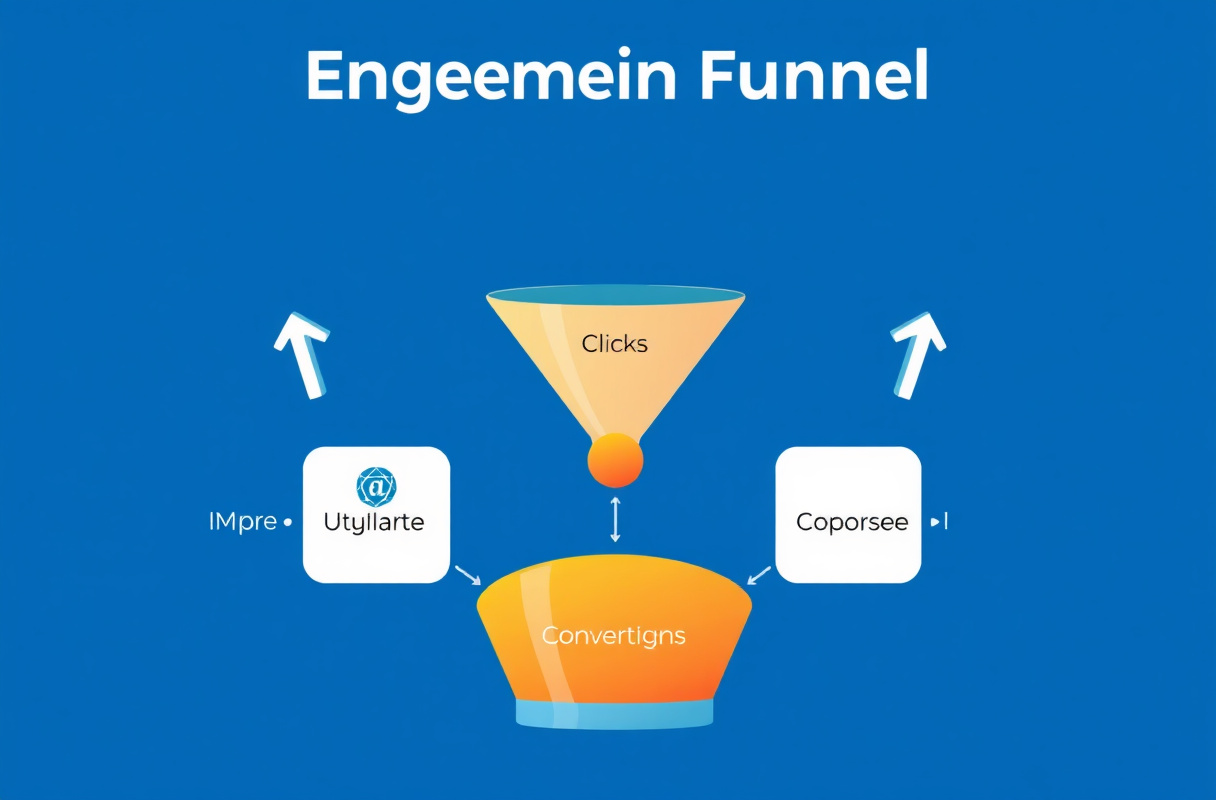
Impressions are the top of the funnel. Here is the conversion path that actually generates business:
Impressions > Engagement > Profile Visits > Connection Requests > DM Conversations > Leads
To move people through this path, focus on three things:
-
Write hooks that stop the scroll. The first 210 characters determine whether your impression becomes a read. Use specific numbers, contrarian positions, or direct questions. See our guide on post ideas that drive inbound engagement.
-
Invite comments, not likes. Posts that end with a question generate 2-4x more comments. Comments trigger algorithmic redistribution, which generates more impressions organically. Learn more about proven strategies to boost engagement.
-
Engage back strategically. When someone comments on your post, reply substantively. Then visit their profile and engage with their recent content. This reciprocal engagement is the mechanism that converts a passive impression into an active relationship.
How ConnectSafely.ai Converts Impressions Into Pipeline
The hardest part of the impression-to-lead path is the daily engagement work: commenting on relevant posts, responding to every comment on your content, and maintaining visibility during the critical first 90 minutes after posting.
ConnectSafely.ai automates this with AI-powered inbound engagement:
- Strategic commenting on posts from your target audience, positioning you as a visible expert in their feed
- Post boosting during the golden hour to maximize early engagement signals and algorithmic distribution
- Keyword-targeted engagement so every interaction aligns with your expertise and attracts the right prospects
- 100% platform-compliant because the approach is authentic engagement, not automation that violates LinkedIn's terms
The result: your impressions go up because your engagement goes up. And those impressions convert because the people seeing your content already recognize your name from thoughtful comments on their posts.
Frequently Asked Questions
How many impressions per post is good on LinkedIn in 2026?
It depends on your follower count. A good benchmark is reaching 10-20% of your followers per post. For an account with 2,000 followers, that means 200-400 impressions is average and 600+ is good. For an account with 10,000 followers, 1,500-4,000 is average and 5,000+ is good. Use the benchmarks table above to find your specific tier.
Why are my LinkedIn impressions suddenly dropping?
The most common causes are inconsistent posting (the algorithm deprioritizes dormant accounts), low early engagement (posts that do not get comments in the first 90 minutes receive limited distribution), and format choice (external link posts receive 40-50% fewer impressions than native content). Review your content strategy and posting cadence before assuming an algorithm change is responsible.
Do LinkedIn impressions count if someone scrolls past my post?
Yes. LinkedIn counts an impression each time your post renders on someone's screen, regardless of whether they stopped to read it. This is why impressions alone are an unreliable success metric. A post with 5,000 impressions where most people scrolled past performed worse than a post with 1,000 impressions where 50 people engaged.
What is the difference between impressions and unique impressions on LinkedIn?
Impressions count every time your post appears on a screen, including repeat views by the same person. Unique impressions count each person only once. LinkedIn's native analytics shows total impressions by default. If your impressions are significantly higher than your unique impressions, it means your post is appearing multiple times in the same people's feeds, which typically happens when connections engage with it.
How do I increase my LinkedIn impressions without paying for ads?
Focus on three levers: post native content formats (carousels and videos get 2-3x more distribution than text), engage actively on other people's posts to increase your visibility, and post consistently 3-5 times per week during optimal timing windows. Tools like ConnectSafely.ai automate the engagement work so your impressions grow organically without spending hours daily on the platform.
Ready to turn LinkedIn impressions into inbound leads? Start your free trial and let AI-powered engagement convert your visibility into pipeline.
The Dark Side of High Impressions: When Visibility Hurts Your Brand
High impressions are often seen as the ultimate goal on LinkedIn, but there's a flip side to this coin. When your post goes viral for the wrong reasons, it can damage your personal brand and business reputation. I've seen instances where a well-intentioned post gets misinterpreted, and the resulting backlash generates a huge number of impressions, but also attracts a swarm of negative comments, reactions, and even hate mail. In such cases, the impression count becomes a liability, as it amplifies the reach of the controversy. This is why it's crucial to monitor your post's performance closely, especially in the initial hours after publication, and be prepared to respond promptly to any misconceptions or criticisms. It's also essential to have a crisis management plan in place, which includes a clear protocol for addressing negative feedback, apologizing when necessary, and pivoting the conversation back to your core message. Remember, not all visibility is good visibility, and sometimes it's better to have a smaller, engaged audience than a massive, hostile one.
Myth vs Reality: The Illusion of "Average" LinkedIn Impressions
There's a pervasive myth that there's a one-size-fits-all "average" impression count on LinkedIn, which is often cited as a benchmark for success. However, this notion is fundamentally flawed, as it ignores the vast diversity of industries, niches, and audience types on the platform. In reality, what constitutes a "good" impression count varies wildly depending on your specific context. For instance, a B2B software company targeting a niche audience of 10,000 potential customers may consider 500 impressions a success, while a lifestyle influencer with a million followers might view 50,000 impressions as a disappointment. Moreover, the quality of your audience matters more than the quantity. A small, highly engaged audience of 1,000 followers who are eagerly awaiting your next post can be far more valuable than a large, disengaged audience of 100,000 followers who barely notice your content. So, instead of chasing arbitrary impression benchmarks, focus on building a loyal community that resonates with your message, and the metrics will follow naturally.
Advanced LinkedIn Impressions Strategy: Leveraging Network Effects
For experienced LinkedIn marketers, there's a more sophisticated approach to maximizing impressions: exploiting network effects. This involves creating content that not only resonates with your immediate audience but also encourages them to share it with their own networks, thereby amplifying your reach exponentially. To achieve this, you need to identify and collaborate with influencers, thought leaders, and other key stakeholders in your niche who have a large following and are willing to endorse your content. You can also use LinkedIn's built-in features, such as polls, quizzes, and questions, to foster engagement and encourage users to share their opinions with their networks. Furthermore, by leveraging employee advocacy programs, you can turn your team members into brand ambassadors, who can help spread your message to their own professional networks. By harnessing these network effects, you can create a viral loop that generates a massive number of impressions, far beyond what you could achieve through organic reach alone.
The Impressions-Conversation Ratio: A Deeper Dive into LinkedIn's Algorithm
While the impression-to-conversation ratio is a crucial metric for measuring the effectiveness of your LinkedIn content, there's more to it than just a simple percentage. In reality, LinkedIn's algorithm uses a complex array of signals to determine which posts to prioritize, including engagement patterns, audience demographics, post type, and even the timing of your posts. To optimize your impression-conversation ratio, you need to understand how these signals interact and influence each other. For example, if you post a video at 8 am, you may get a higher impression count due to the morning commute traffic, but your conversation ratio might suffer if your audience is not yet fully awake and engaged. On the other hand, posting a thought-provoking question at 2 pm, when your audience is more likely to be taking a break and scrolling through their feeds, might generate fewer impressions but a higher conversation ratio. By experimenting with different post types, timing, and engagement strategies, you can uncover the hidden patterns and correlations that drive LinkedIn's algorithm and maximize your impression-conversation ratio.
Edge Cases: When LinkedIn Impressions Don't Matter (And What to Focus on Instead)
There are scenarios where LinkedIn impressions are not the primary metric of success, and focusing on them can even be counterproductive. For instance, if you're a consultant or coach who offers high-ticket services, your goal is not to reach a massive audience but to attract a handful of highly qualified leads who are willing to invest in your expertise. In such cases, the quality of your leads matters far more than the quantity of your impressions. Similarly, if you're a B2B company with a long sales cycle, your LinkedIn content strategy should focus on building trust, establishing thought leadership, and nurturing relationships over time, rather than chasing short-term impression benchmarks. In these edge cases, it's essential to shift your focus from impressions to more meaningful metrics, such as lead generation, conversion rates, or customer lifetime value. By doing so, you can create a LinkedIn marketing strategy that aligns with your unique business goals and objectives, rather than trying to force-fit your approach into a one-size-fits-all impression-based framework.
See How It Works
Watch how people get more LinkedIn leads with ConnectSafely

Related Articles