How to Find Quality Leads on LinkedIn: The Inbound Approach
Stop chasing leads on LinkedIn. Learn how inbound authority building attracts 10-20 qualified prospects monthly who actually want to talk.

80% of B2B leads from social media come from LinkedIn—but most professionals chase prospects instead of attracting them. According to Cognism's 2026 LinkedIn research, decision-makers spend nearly 1 hour daily on the platform. The question isn't whether your prospects are on LinkedIn. It's whether they're finding you. Inbound leads convert at 14.6% compared to 1.7% for cold outreach because prospects who reach out have already qualified themselves and decided you're worth their time.
The traditional approach to finding leads on LinkedIn follows a predictable pattern: search for prospects, send connection requests, pitch in DMs, wait for responses, repeat.
It produces predictable results: low acceptance rates, lower response rates, and an endless cycle of outreach that feels increasingly like spam.
There's a better way.
The inbound approach flips the script: instead of finding leads, you position yourself so leads find you. Instead of chasing prospects, you attract them through visible authority building.
Want to Generate Consistent Inbound Leads from LinkedIn?
Get our complete LinkedIn Lead Generation Playbook used by B2B professionals to attract decision-makers without cold outreach.
No spam. Just proven strategies for B2B lead generation.
Key Takeaways
-
80% of B2B social leads come from LinkedIn: The platform dominates professional networking, but most users approach it wrong
-
Finding leads is the easy part; getting responses is hard: Advanced search finds prospects, but authority makes them respond
-
Inbound converts 8-9X better than cold outreach: Prospects who reach out are pre-qualified and pre-interested
-
30 minutes daily builds lead-attracting authority: Strategic engagement creates visibility that generates 10-20 qualified leads monthly
-
Quality over quantity changes everything: 10 warm conversations outperform 100 cold outreach attempts
The Traditional Lead Finding Problem
Most guides on finding LinkedIn leads focus on search techniques:
- Boolean search operators
- Sales Navigator filters
- Saved searches and alerts
- Export tools and scraping
These techniques work for finding prospects. They fail at getting responses.
The Search-to-Response Gap
According to LinkedIn's own data, InMail response rates range from 10-25% even with premium subscriptions. Cold connection requests see acceptance rates below 30%.
The math is brutal:
| Stage | Conversion Rate |
|---|---|
| Prospects found | 100 |
| Connection requests accepted | 30 |
| Messages opened | 15 |
| Positive responses | 3-5 |
| Qualified conversations | 1-2 |
You need to find 100 prospects to generate 1-2 qualified conversations. That's not lead generation—it's a numbers game with diminishing returns.
Why Search Skills Don't Translate to Response Rates
Finding the right prospects is necessary but not sufficient. The real challenge is standing out in their inbox.
Decision-makers receive dozens of connection requests and messages weekly. They've developed mental filters:
- Unknown sender → Ignore
- Generic pitch → Delete
- Obvious automation → Block
No search technique can overcome these filters. Only relationship and recognition can.
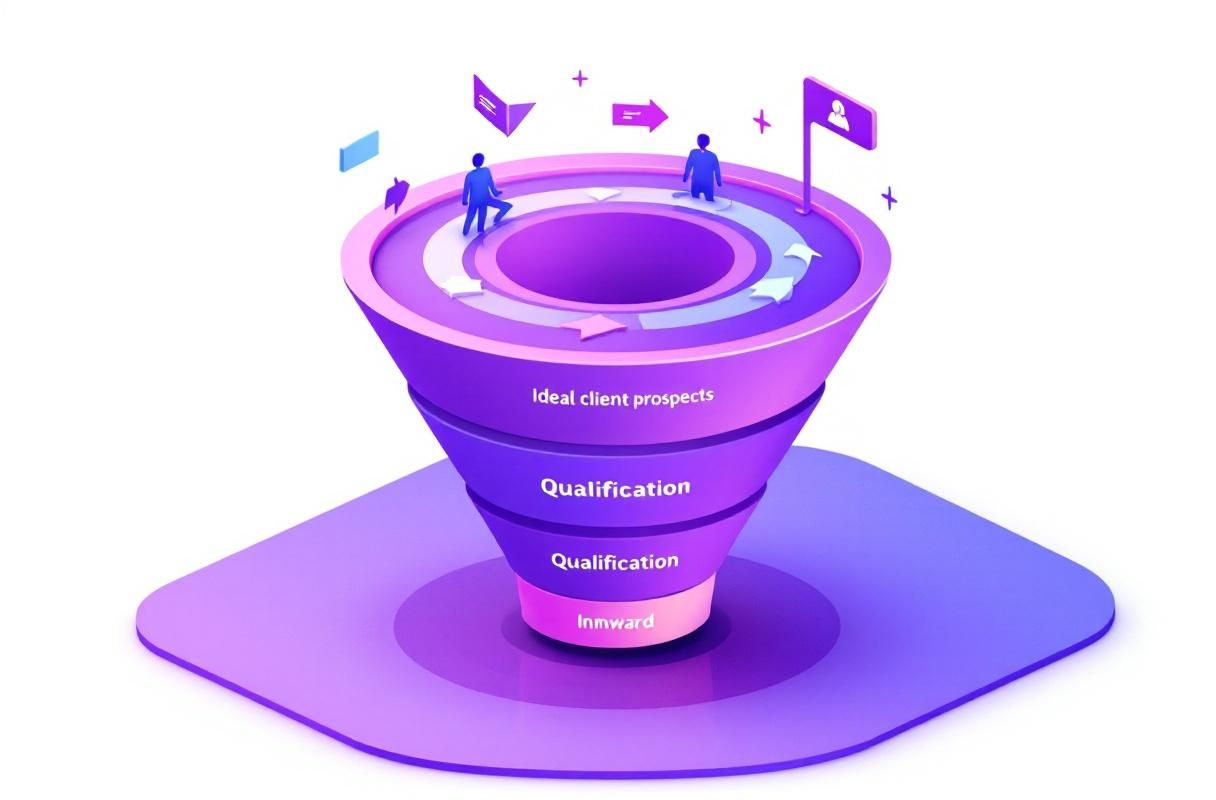
The Inbound Alternative: Let Leads Find You
Instead of improving your search skills, improve your visibility. The inbound approach to LinkedIn lead generation works differently:
The Authority Attraction Model
Traditional model (push): You → Search → Find prospects → Send outreach → Hope for response
Inbound model (pull): You → Build visibility → Prospects notice you → They reach out → Conversation starts warm
The conversion math changes dramatically:
| Stage | Inbound Rate |
|---|---|
| Prospects who notice your content | Unlimited |
| Profile visits from interested prospects | 50-100/month |
| Inbound messages/connection requests | 10-20/month |
| Qualified conversations | 7-14/month |
| Conversation quality | High (they initiated) |
The same effort produces 5-10X more qualified conversations because every prospect who reaches out has already decided you're worth talking to.
How Visibility Creates Inbound Leads
Authority building on LinkedIn creates a flywheel:
Stage 1: Strategic Engagement
- Comment thoughtfully on content your ideal clients read
- Add genuine value to industry conversations
- Be visible where prospects spend time
Stage 2: Profile Curiosity
- Prospects notice your comments and check your profile
- They see your headline, content, and credibility markers
- Interest develops based on demonstrated expertise
Stage 3: Passive Consideration
- Your name becomes familiar in their professional space
- They see you as a known resource, not a random seller
- When they have a relevant need, you come to mind
Stage 4: Inbound Reach-Out
- Prospects connect or message you with genuine interest
- The conversation starts with their question, not your pitch
- Trust exists before the sales conversation begins
This flywheel takes time to build but produces compounding returns that outbound can't match.
Building Lead-Attracting Authority: The Practical Guide
Authority building isn't about becoming famous. It's about becoming visible and valuable to a specific audience. Here's how to do it systematically:
Step 1: Define Your Ideal Client Profile (ICP)
Before building visibility, get specific about who you want to attract:
- Industry: What sectors do your best clients come from?
- Role: What job titles make buying decisions?
- Company size: What scale organizations are ideal fits?
- Challenges: What problems do they actively seek solutions for?
According to Folk's LinkedIn lead generation guide, the tighter your focus, the more effective your visibility building becomes.
Step 2: Identify Their Information Sources
Your ideal clients consume content somewhere on LinkedIn. Find where:
- Influencers they follow: Who do they engage with?
- Topics they care about: What hashtags and subjects appear in their feeds?
- Content formats: Do they prefer posts, articles, or comments?
Mapping this ecosystem tells you where to focus your engagement.
Step 3: Engage Strategically (Not Randomly)
Strategic engagement means being visible in the right places:
Where to engage:
- Posts from industry thought leaders your ICP follows
- Content from potential clients themselves
- Discussions on topics your ICP cares about
How to engage:
- Add substantive comments (not "Great post!")
- Share unique insights or data
- Ask thoughtful questions
- Reference relevant experience
According to 310 Creative's LinkedIn strategies, starting conversations builds genuine connections rather than immediately pushing a sales pitch.
Step 4: Optimize Your Profile for Buyers
When prospects check your profile (and they will), it should answer their questions:
Headline: Focus on outcomes you create, not your job title
- ❌ "Sales Manager at TechCorp"
- ✅ "Helping B2B teams generate 10-20 inbound leads monthly"
About section: Address prospect pain points
- What problems do you solve?
- Who do you help?
- What results can they expect?
Featured content: Showcase proof
- Case studies or results
- Valuable resources
- Social proof and testimonials
Experience: Emphasize client outcomes
- Not job responsibilities
- Client wins and measurable results
Step 5: Create Content That Attracts Inquiries
You don't need viral posts. You need content that resonates with your specific audience:
Content that generates leads:
- Insights from client work (anonymized)
- Frameworks your prospects can use
- Answers to questions prospects frequently ask
- Contrarian takes on industry assumptions
Posting frequency:
- 2-3 posts per week is sufficient
- Consistency matters more than volume
- Quality engagement trumps content quantity

The 30-Minute Daily Authority Building Routine
Building visibility doesn't require hours daily. A focused 30-minute routine produces meaningful results:
Daily Breakdown
Minutes 1-10: Strategic Engagement
- Find 3-5 posts from ideal clients or their influencers
- Add substantive comments demonstrating expertise
- Be genuinely helpful, not promotional
Minutes 11-20: Relationship Building
- Respond to comments on your content
- Engage with people who've engaged with you
- Build two-way visibility with key prospects
Minutes 21-30: Presence Maintenance
- Post content (2-3x weekly)
- Update profile elements
- Review connection requests and messages
Weekly Focus Areas
Monday-Tuesday: Heavy engagement on prospect-adjacent content Wednesday-Thursday: Content creation and publishing Friday: Relationship follow-up and connection building
After 4-6 weeks of consistent execution, inbound leads start arriving. The flywheel takes time to build but produces sustainable results.
Measuring Inbound Lead Generation Success
Track these metrics to gauge your authority building progress:
Leading Indicators (Weeks 1-4)
- Profile views: Increasing weekly profile views indicates growing visibility
- Content impressions: How many people see your posts and comments
- Engagement rate: Comments and reactions on your content
- Connection request quality: Are relevant people requesting to connect?
Lagging Indicators (Weeks 5+)
- Inbound messages: Prospects reaching out with questions or interest
- Meeting requests: Qualified conversations generated without outreach
- Referrals: Connections introducing you to their networks
- Conversation quality: How warm are the conversations?
Benchmarks to Target
According to La Growth Machine's LinkedIn guide, successful inbound strategies aim for:
| Metric | Target |
|---|---|
| Profile views | 100-200+/week |
| Content engagement | 2-5% engagement rate |
| Inbound connections | 20-30/week |
| Qualified inbound leads | 10-20/month |
Why Inbound Leads Are Higher Quality
Not all leads are equal. Inbound leads generated through authority building differ fundamentally from leads found through search:
Pre-Qualified
Prospects who reach out have already:
- Seen your content and found it valuable
- Checked your profile and decided you're credible
- Determined their need aligns with what you offer
They've done the qualification themselves.
Pre-Interested
These aren't cold contacts tolerating your pitch. They're interested parties seeking your expertise. The emotional dynamic is entirely different:
Cold outreach dynamic: "Who is this person and what do they want?" Inbound dynamic: "I've been following your work and have a question..."
Pre-Trusting
Trust normally builds during the sales conversation. With inbound leads, trust building happened before the conversation started—through your content, engagement, and visible expertise.
This accelerates the sales cycle and increases conversion rates. According to HubSpot's statistics, inbound leads convert at 14.6% compared to 1.7% for outbound—an 8-9X improvement.
How ConnectSafely.ai Accelerates Inbound Lead Generation
Building authority manually takes significant time. ConnectSafely.ai accelerates the process:
AI-powered engagement: Strategic commenting that puts you in front of ideal clients automatically, building the visibility that generates inbound leads
Content assistance: Help creating and optimizing content that resonates with your target audience
Visibility optimization: Ensures your engagement appears where prospects spend time
Platform-compliant: No automation that risks your account—just strategic positioning that LinkedIn rewards with organic reach
Sustainable results: Builds genuine authority that compounds over time, unlike outbound campaigns that require constant effort
At from USD $10/month, ConnectSafely enables the 30-minute daily authority building routine without the manual time investment—so you can focus on the qualified conversations that result.
The Bottom Line: Stop Finding, Start Attracting
The traditional approach to LinkedIn lead generation—searching for prospects and reaching out cold—produces diminishing returns as more professionals compete for the same attention.
The inbound alternative works differently. By building visible authority, you become a known resource in your space. Prospects find you, check you out, and reach out when they have relevant needs.
This shift changes everything:
- From chasing to attracting
- From cold to warm conversations
- From low to high conversion rates
- From volume to quality
Finding leads on LinkedIn is the wrong goal. Becoming findable is the right one.
Frequently Asked Questions
How long does it take to generate inbound leads from LinkedIn authority building?
Most professionals see initial results in 4-6 weeks of consistent engagement. The authority flywheel takes time to build momentum, but produces sustainable inbound leads once established—unlike outbound campaigns that stop producing when you stop pushing.
What's more effective: finding leads through search or attracting them through authority?
According to conversion rate benchmarks, inbound leads convert at 14.6% compared to 1.7% for cold outreach. Finding leads through search gives you names; building authority gives you warm conversations with interested prospects.
Do I need Sales Navigator to generate quality LinkedIn leads?
No. Sales Navigator helps with advanced search but doesn't solve the response rate problem. Authority building works on any LinkedIn account and generates higher-quality leads because prospects reach out with genuine interest rather than tolerating cold outreach.
How many hours per week does inbound authority building require?
The 30-minute daily routine (2.5 hours/week) produces meaningful results. This is comparable to traditional outreach time investment but generates higher-quality leads with better conversion rates.
What if my ideal clients aren't active on LinkedIn?
If your specific prospects aren't active posters, focus on their information sources—the influencers and content they consume. Building visibility in that ecosystem creates recognition that translates to inbound leads when prospects have relevant needs.
Ready to stop chasing leads and start attracting them? Start your free trial with ConnectSafely and see how inbound authority building generates qualified conversations without cold outreach.
The Dark Side of Inbound Authority: Managing Unwanted Attention
As you build your inbound authority on LinkedIn, you'll inevitably attract not just qualified leads, but also unwanted attention. This can range from spammy messages and connection requests to outright harassment. It's essential to have a strategy for managing this unwanted attention, lest it detract from your ability to engage with genuine prospects. One approach is to set clear boundaries in your profile and posts, indicating what types of conversations you're open to and what's off-limits. You can also use LinkedIn's built-in features, such as limiting who can see your posts or messages, to filter out unwanted interactions. However, it's crucial to remember that these measures are not foolproof, and you may still need to deal with the occasional troll or spammer. In these cases, it's best to maintain a professional demeanor and avoid engaging with the perpetrator, instead reporting them to LinkedIn if necessary. By being proactive and setting clear boundaries, you can minimize the impact of unwanted attention and focus on nurturing meaningful relationships with your target audience.
Myth vs Reality: The Truth About LinkedIn's Algorithm and Inbound Leads
There's a common misconception that LinkedIn's algorithm prioritizes posts from users with large followings, making it difficult for those with smaller audiences to get noticed. However, this is only partially true. While it's true that LinkedIn's algorithm takes into account engagement metrics, such as likes and comments, when determining the visibility of a post, it also prioritizes content that is relevant and valuable to the user's network. This means that even users with smaller followings can get their content seen by a large audience if it resonates with their network. Furthermore, LinkedIn's algorithm is constantly evolving, and the company has stated that it prioritizes content that sparks meaningful conversations and connections. So, rather than focusing solely on growing your following, it's more important to focus on creating high-quality content that provides value to your audience and encourages engagement. By doing so, you can increase your visibility and attract inbound leads, regardless of the size of your following.
Advanced-Level: Using LinkedIn's Native Analytics to Optimize Your Inbound Strategy
For those who are already familiar with the basics of inbound marketing on LinkedIn, it's time to take your strategy to the next level by leveraging the platform's native analytics. LinkedIn's analytics provide a wealth of information about your content's performance, including engagement metrics, audience demographics, and traffic sources. By digging into these analytics, you can gain a deeper understanding of what's working and what's not, and make data-driven decisions to optimize your strategy. For example, you can use LinkedIn's analytics to identify which types of content are resonating with your audience, and adjust your content calendar accordingly. You can also use the analytics to track the performance of your LinkedIn ads, and make adjustments to your targeting and budget to maximize your ROI. Additionally, LinkedIn's analytics provide insights into your audience's behavior and preferences, which can help you refine your buyer personas and create more targeted content. By leveraging these advanced analytics, you can take your inbound strategy to the next level and drive even more qualified leads to your business.
The Importance of Contextual Relevance in Inbound Lead Generation
When it comes to inbound lead generation on LinkedIn, contextual relevance is key. This means that your content and messaging need to be tailored to the specific needs and interests of your target audience, and delivered in a way that is relevant to their current situation. For example, if you're a software company targeting IT professionals, your content should speak to the specific pain points and challenges that IT professionals face, and provide solutions that are relevant to their current projects and initiatives. Similarly, if you're targeting a specific industry or geographic region, your content should be tailored to the unique needs and concerns of that audience. By providing contextual relevance, you can increase the likelihood that your content will resonate with your target audience, and that they will be more likely to engage with your brand and become qualified leads. However, it's also important to note that contextual relevance can be a double-edged sword, as it can also make your content seem too niche or specialized, and limit its appeal to a broader audience. Therefore, it's essential to strike a balance between relevance and broad appeal, and to continually test and refine your content to ensure that it is resonating with your target audience.
The Role of Employee Advocacy in Amplifying Your Inbound Authority
While personal branding and thought leadership are essential components of inbound authority, they can be amplified and accelerated through employee advocacy. By empowering your employees to share your content and messaging with their own networks, you can increase your reach and visibility, and build a more robust and diverse presence on LinkedIn. However, employee advocacy is not just about sharing content; it's also about empowering your employees to become brand ambassadors and thought leaders in their own right. This means providing them with the training, resources, and support they need to create their own content and engage with their own networks, and incentivizing them to do so through recognition and rewards. By doing so, you can create a powerful army of advocates who can help amplify your inbound authority and drive more qualified leads to your business. Additionally, employee advocacy can also help to humanize your brand and provide a more personal and authentic touch to your marketing efforts, which can be particularly important in building trust and credibility with your target audience. However, it's also important to note that employee advocacy can be a complex and nuanced topic, and requires careful planning and execution to ensure that it is aligned with your overall marketing strategy and goals.
See How It Works
Watch how people get more LinkedIn leads with ConnectSafely




Related Articles