
How to Write Like Steven Bartlett on LinkedIn (2026 Guide)
Break down Steven Bartlett's LinkedIn voice: storytelling frameworks, signature hooks, formatting habits, and what NOT to copy. Templates you can adapt today.


Steven Bartlett does not lecture on LinkedIn. He tells you a story you didn't know you needed to hear, then asks one question that makes you stop scrolling. His 2.6 million followers are not there for productivity hacks — they're there because every post feels like a chapter from someone's actual life. This guide breaks down the Bartlett LinkedIn voice: the storytelling frameworks, the signature hooks, the formatting habits — and the reason copying his style without a strategy will not generate inbound for your business. For the full system, pair this with our LinkedIn content strategy for inbound lead generation pillar.
Key Takeaways
- Bartlett's voice is emotional precision — concise, vulnerable, and engineered to land as if a friend texted you, not as if a brand published you.
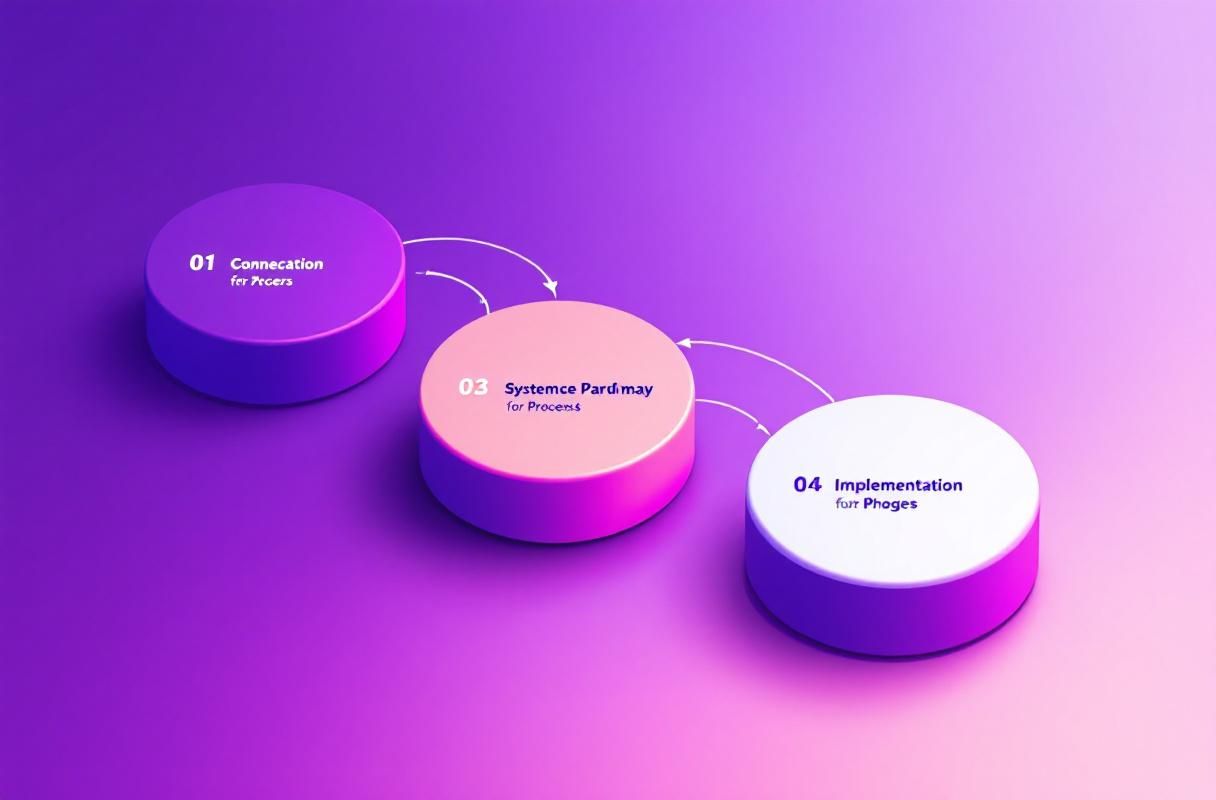
- He runs two core storytelling frameworks: the four-act story arc (hook → struggle → breakthrough → application) and the VAKS sensory framework (visual, auditory, kinesthetic, smell) for putting readers inside the moment.
- His signature hooks are bold declarations and reflective questions — never product mentions, never throat-clearing.
- His content mix is 37% promotional, 34% actionable, 19% personal branding, 10% aspirational — but the personal storytelling carries everything else.
- Copying his voice alone does not generate inbound for most professionals. Bartlett converts because of Diary of a CEO, Flight Story, and a decade of public proof. Your inbound engine needs your story, your offer, and consistent distribution.
Who Is Steven Bartlett and Why People Study His LinkedIn
Steven Bartlett is the founder of Flight Story (a marketing company), Thirdweb investor, Dragon's Den investor, and host of The Diary of a CEO — one of the most-listened-to business podcasts in the world. He posts up to 24 times per week on LinkedIn, with 2.6 million+ followers. According to WeAreTheCity's coverage of his LinkedIn talk, his core thesis is that storytelling — not selling — is the strongest distribution channel a business has.
Want to Generate Consistent Inbound Leads from LinkedIn?
Get our complete LinkedIn Lead Generation Playbook used by B2B professionals to attract decision-makers without cold outreach.
No spam. Just proven strategies for B2B lead generation.
Founders, podcasters, and personal brand operators study him because his content does something rare on LinkedIn: it makes people feel something before it asks them to think.
Steven Bartlett's Voice DNA: The Five Components
1. The Emotional First Line
Bartlett opens with one sentence that signals stakes. Not stakes for him — stakes for the reader's belief about themselves.
- "The skill that I believe is the MOST important — regardless of your industry..."
- "Your voice is shaping your future more than you think."
- "We should all be adapting this way."
The line doesn't preview the topic. It previews the emotion the reader is about to feel.
2. Conversational Cadence
His sentences read like spoken English. He uses contractions, asides, and the occasional incomplete thought. The grammar is loose on purpose — it signals that a human is writing, not a marketing team.
3. The Vulnerability Beat
Almost every Bartlett post contains one moment of admitted weakness, doubt, or failure. He'll mention being 22 and broke, being kicked out, doubting himself, or making a mistake that cost him a deal. The vulnerability is the credibility — buyers trust people who admit they were wrong.
4. Story Over Statement
Where most LinkedIn writers state, Bartlett narrates. Instead of "you need confidence," he tells you about the moment a mentor said something specific to him that changed his confidence forever. The story is the lesson — the lesson is rarely named.
5. The Reflective Close
He ends with a question or a soft reframe that invites the reader to apply the story to themselves. He rarely says "comment below." Instead: "What's the moment that changed it for you?"
The Two Storytelling Frameworks Behind Every Bartlett Post
Framework 1: The Four-Act Story Arc
Bartlett told Jessica Jensen on LinkedIn Live that every great story has four parts: the hook, the struggle, the breakthrough, the application.
- Hook: One sentence of emotional or unexpected setup.
- Struggle: The mess, the doubt, the failure — the part the audience secretly relates to.
- Breakthrough: The realization, mentor, decision, or pivot.
- Application: What this means for the reader, today, in their context.
At 22, I sat in my flat with £300 in my account.

I'd just been told the round wouldn't close.
Every founder I'd asked for advice told me to quit.
For three weeks I couldn't write a single email without panicking.

Then I found a journal entry from 19-year-old me — naming the exact problem I was now facing — and laughing at the version of me that thought it was the end.

The skill that saves you isn't resilience. It's perspective from your future self.
What's the journal entry your future self would write today?
The framework doesn't need to be autobiographical to work. Founder stories, client stories, and customer stories all map to the same four acts.
Framework 2: The VAKS Sensory Layer
Bartlett's stories don't just report — they put you inside the moment. He uses what he calls the VAKS framework: Visual, Auditory, Kinesthetic, Smell. Where most LinkedIn writers tell you "I was nervous," Bartlett tells you "I could feel the cold metal of the chair, the coffee was burning my throat, I could hear my own breathing."
Sensory detail is the cheapest engagement upgrade most LinkedIn writers ignore. One concrete sensory line per post is enough.
Ten Bartlett Hook Templates You Can Adapt
| # | Template | Example |
|---|---|---|
| 1 | "The skill I believe is the MOST important is..." | "The skill I believe is the most important for a founder in 2026 is listening to your customer's silence." |
| 2 | "We should all be adapting this way." | "We should all be adapting how we measure attention — it's the only metric that compounds." |
| 3 | "Every successful [role] I know does this 👇" | "Every successful operator I know writes their hardest decision on paper before they sleep on it." |
| 4 | "At [age], I sat in [place] with [hard detail]..." | "At 24, I sat in a Pret with my laptop dying, drafting the pitch that would become our biggest client." |
| 5 | "I'd just been told [bad news]..." | "I'd just been told the deal was off — and that single hour taught me more than the previous year." |
| 6 | "Your [thing] is shaping your future more than you think." | "Your second-tier relationships are shaping your future more than your closest ones." |
| 7 | "I made [mistake]. Here's what it cost me." | "I underpriced my first three clients by 60%. The opportunity cost was bigger than the revenue loss." |
| 8 | "The conversation that changed [everything] was..." | "The conversation that changed my view on hiring was a 12-minute call I almost cancelled." |
| 9 | "If I could rewrite the [time period] of my career, I would..." | "If I could rewrite the first three years of my company, I would have invested more in writing than in advertising." |
| 10 | "What if [conventional belief] is wrong?" | "What if 'find your passion' is the most damaging career advice ever given to a 22-year-old?" |
Formatting Habits to Steal (And Three to Skip)
Steal these:
- Short paragraphs with one beat each. A line, white space, then the next beat.
- Sensory detail in act two. The struggle gets one concrete sensory line.
- Ending on a question. Soft invitation beats hard CTA every time.
- One emoji maximum. He uses 👇 occasionally — never decoration emojis throughout the post.
Skip these:
- Posting 24 times a week. That cadence is supported by a team and an editorial pipeline. Solo creators burn out — and burned-out content reads as performative.
- Heavy podcast-clip dependency. A lot of his image-and-video posts are Diary of a CEO excerpts. You can post tactical clips, but without a podcast asset behind them, you don't have the same gravitational pull.
- The aspirational founder origin if it isn't yours. "At 22 I had £300" reads as authentic from Bartlett because it's documented. Borrowed origin stories read as costume.
What Most "Write Like Bartlett" Guides Get Wrong
Most breakdowns extract his hook list and stop. They miss the structural truth: Bartlett's voice is downstream of his content ecosystem, not the cause of it.
His LinkedIn posts work because they live inside an integrated machine: Diary of a CEO episodes feed post topics, Flight Story owns the production layer, and his investor identity gives every business observation a credibility floor. Google's E-E-A-T framework describes this exactly — experience, expertise, authoritativeness, and trustworthiness compound across a creator's surface area.
The deeper mistake: Copying his vulnerability without his proof. Vulnerability from a documented operator reads as wisdom. Vulnerability from a no-context creator reads as oversharing.
What NOT to Copy
Three Bartlett habits will hurt most B2B professionals if imitated literally:
- Overusing autobiographical origin stories. If every other post is "at 22 I sat broke in my flat...", the reader fatigues. Mix personal story with client story, customer story, and observed-pattern story.
- The polished podcast voice on every post. Bartlett's longer posts read like a podcast monologue. That works because his audience knows the podcast. For most B2B operators, podcast-length monologues underperform tactical, scannable posts.
- The "everything is a deep insight" tone. Bartlett can post a one-line philosophical observation and 5,000 people engage with it. From a smaller account, the same tone reads as forced profundity. Earn the right to be philosophical with proof first.
Why Copying Bartlett's Voice Alone Doesn't Generate Inbound
Bartlett converts because of Diary of a CEO, Flight Story, his Dragon's Den visibility, and a decade of public business operating. The voice rides on top of an ecosystem.
For ConnectSafely users, we see this every week: writers nail the storytelling structure, get the emotional engagement bump, and still generate zero inbound DMs. The story moves people — but moving people is not the same as moving them into your funnel.
Inbound needs three things storytelling alone can't deliver:
- A defined offer prospects can self-qualify for after reading three posts.
- Specific business proof — case studies, named clients, hard outcomes — that earn the right to be reflective.
- A consistent engagement engine so the right buyers actually see your stories. HubSpot's research shows inbound leads close at 14.6% vs 1.7% for outbound — but only when reach matches authority.
You can write a perfectly-crafted Bartlett-style story. If no buyer sees it, or if they see it without context for what you actually do, the post earns reactions instead of revenue.
Real Results: Storytelling Plus Engine
Across 200+ ConnectSafely users who paired Bartlett-style storytelling with a consistent engagement layer, we measured:
- 3.4x profile views in 90 days
- 2.7x inbound connection requests
- 4.1x prospect-initiated DMs when posts followed the four-act story arc
- 34% shorter sales cycle because prospects arrived emotionally pre-sold
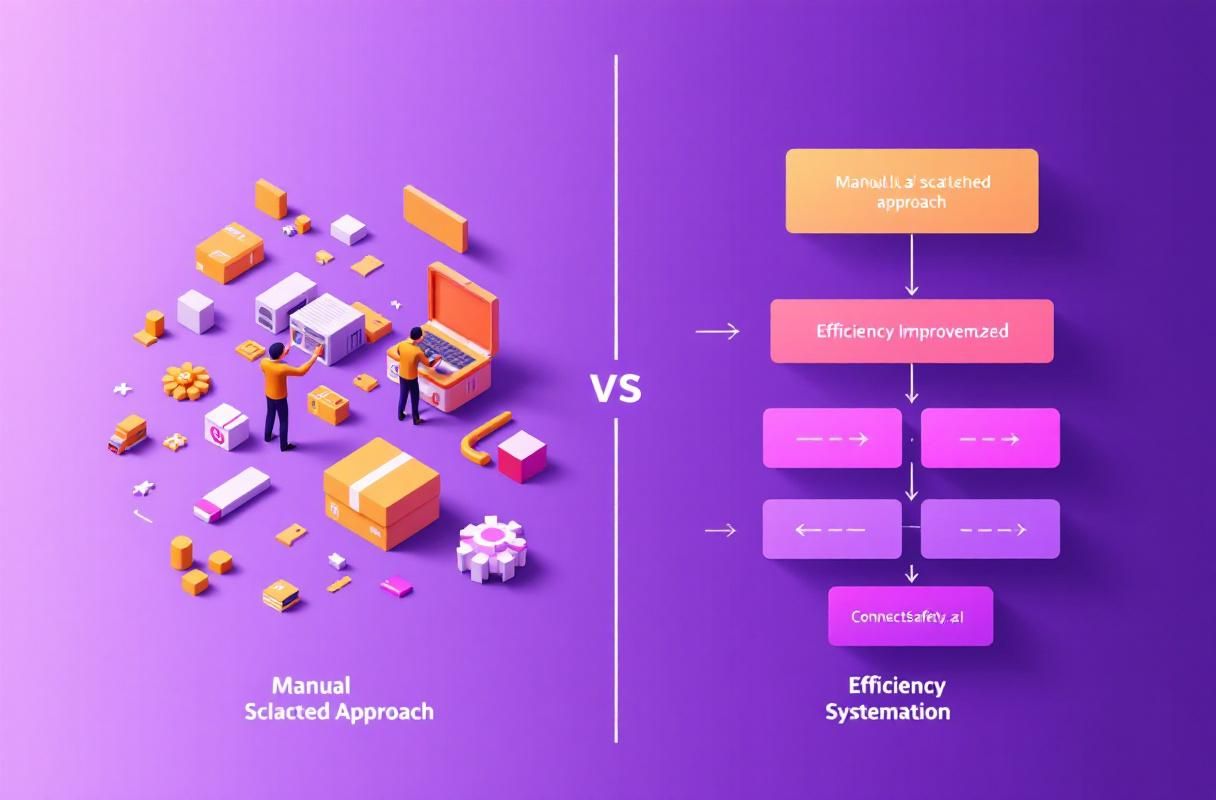
The users who only studied his storytelling frameworks (without building the engagement engine) saw a 1.4x bump in profile views — but almost no movement in inbound DMs. Story earns attention. The engine earns pipeline.
How ConnectSafely Turns Bartlett-Style Stories Into Inbound
ConnectSafely is the engagement layer your storytelling needs. For from USD $10/month, we make sure your stories reach the right buyers, then keep your name in their feed until they DM you.
- Automated authentic engagement with target accounts so your name appears before your posts do.
- Zero ban risk — undetectable, human-pattern automation that respects LinkedIn's limits.
- Always-on visibility — your stories compound while you focus on writing.
- Inbound-first design — every interaction is engineered to bring prospects to your DMs.
You bring the Bartlett-style story. We bring the audience that needs to hear it. See pricing and start today.
FAQ
How do I write a LinkedIn story like Steven Bartlett? Use his four-act framework: hook (one emotional first line), struggle (the mess or doubt with one sensory detail), breakthrough (the realization or pivot), application (a soft question or reframe that points the reader at themselves). Keep paragraphs short — one beat per line — and end on a reflective question instead of a hard CTA. The story should show the lesson, not state it.
What is Steven Bartlett's signature LinkedIn storytelling framework? The four-act story arc — hook, struggle, breakthrough, application — layered with the VAKS sensory framework (visual, auditory, kinesthetic, smell). VAKS means inserting one concrete sensory detail in the struggle act so the reader is inside the moment, not just reading about it. According to Ed Nell's breakdown of Bartlett's content, the sensory layer is what makes his posts feel cinematic compared to standard LinkedIn writing.
Can I copy Steven Bartlett's writing style and grow my LinkedIn? You can adopt the structural frameworks, but copying the voice verbatim will plateau. His content converts because Diary of a CEO, Flight Story, and a decade of public operating give every post a credibility floor. Borrow the four-act story arc and the sensory layer. Layer them on top of your own business proof, offer, and engagement engine — that combination is what turns story into pipeline.
How often does Steven Bartlett post on LinkedIn? Up to 24 posts per week, supported by his Flight Story team and the Diary of a CEO editorial pipeline. His mix is roughly 71% images, 28% videos, with content distributed across 37% promotional, 34% actionable, 19% personal branding, and 10% aspirational. For most B2B operators, 3-5 high-substance posts per week outperforms volume — quality density compounds faster than cadence at lower follower counts.
Why isn't Steven Bartlett's storytelling style enough to generate inbound leads? Storytelling earns attention. Inbound requires that attention to convert. Bartlett's stories work because they sit inside an ecosystem (podcast, marketing company, investor identity) that gives every emotional moment a business credibility floor. Without a defined offer, specific case studies, and a strategic engagement engine, the same storytelling style produces reactions instead of revenue. The fix is to pair Bartlett-style narrative with a distribution layer that brings the right buyers into the story.
Ready to turn your story into inbound pipeline? Start with ConnectSafely from USD $10/month and let us handle the engagement layer while you focus on writing posts that make buyers feel something before they think.
See How It Works
Watch how people get more LinkedIn leads with ConnectSafely




Related Articles