LinkedIn Ads Library: How to Research Competitor Ads
Learn how to use LinkedIn Ads Library to search competitor ads, analyze B2B marketing strategies, and improve your own campaigns.


The LinkedIn Ads Library is a free, searchable database of all ads running on the platform since June 2023. According to LinkedIn's transparency initiative, this tool was created to increase advertising transparency. You can access it at linkedin.com/ad-library without a LinkedIn account, subscription, or payment. As of April 2026, LinkedIn has improved the Ad Library's search filters, making it easier to narrow results by region, date range, and ad format.
Key Takeaways
- LinkedIn Ads Library is completely free—no account required to access or search
- Access at linkedin.com/ad-library/home or via any company's LinkedIn page
- View competitor ads including creative, copy, and CTAs (but not performance metrics)
- Ads remain visible for up to one year after they run
What Is the LinkedIn Ads Library?
The LinkedIn Ads Library is a public database showing all advertisements running on LinkedIn. According to Lunio's guide, it provides transparency into B2B advertising across the platform.
Want to Generate Consistent Inbound Leads from LinkedIn?
Get our complete LinkedIn Lead Generation Playbook used by B2B professionals to attract decision-makers without cold outreach.
No spam. Just proven strategies for B2B lead generation.
Unlike Facebook's Ad Library (which shows some engagement data), LinkedIn's version focuses on creative transparency rather than performance metrics.
What You Can See
| Information Available | Details |
|---|---|
| Ad creative | Images, videos, carousels |
| Ad copy | Headlines, body text, CTAs |
| Advertiser name | Company running the ad |
| Active status | Whether ad is currently running |
| Date range | When the ad was active |
| Geographic targeting | Countries where ad appears |
What You Can't See
| Information Hidden | Why It Matters |
|---|---|
| Performance metrics | No CTR, impressions, or engagement data |
| Spend data | No budget or ROI information |
| Detailed targeting | Only geographic location (except EU ads) |
| Conversion data | No click-through or lead information |
How to Access LinkedIn Ads Library
Method 1: Direct URL (Fastest)
Navigate directly to linkedin.com/ad-library/home. You can search immediately without logging in.
Method 2: Via Company Page
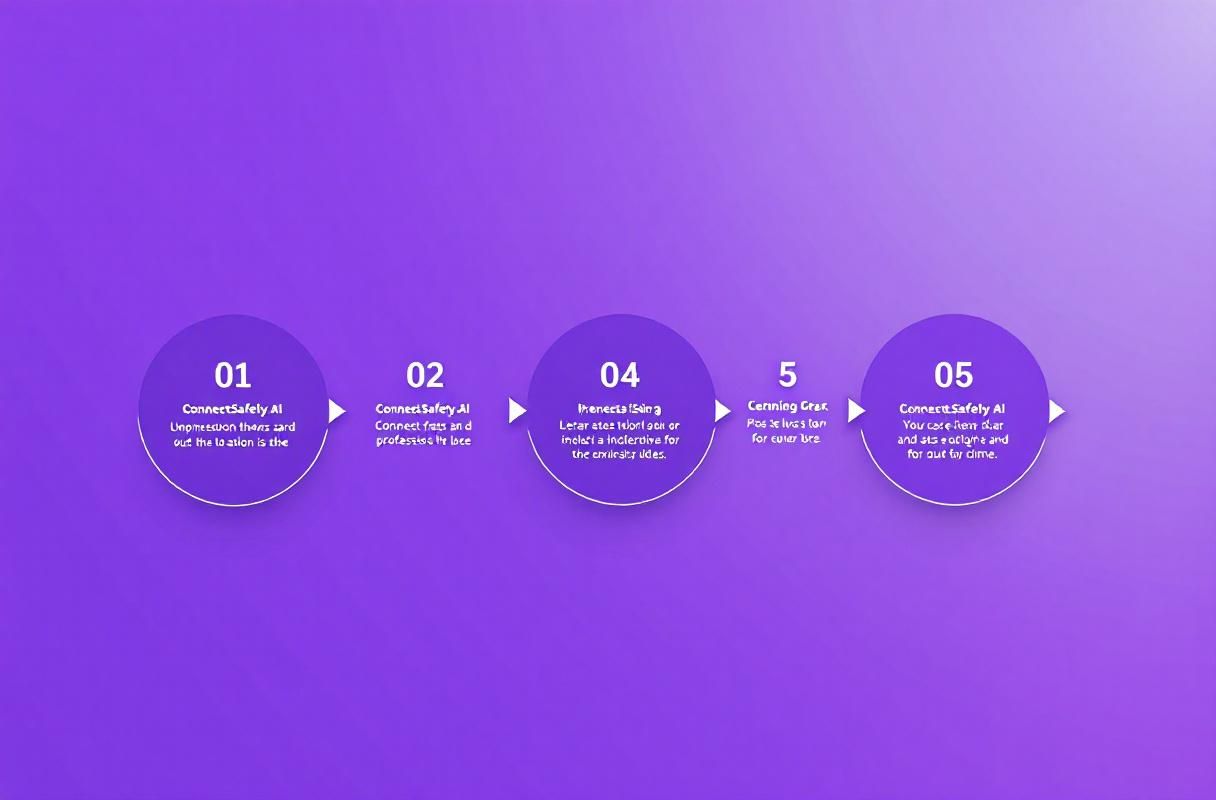
- Go to any company's LinkedIn page
- Click on "Posts"
- Look for "View ad library" in the upper left
- A new tab opens showing that company's ads
This method is useful when you already know which competitor you want to research.
How to Search for Competitor Ads
Search by Company Name
Enter the company name in the search box. The Ads Library will display all current and recent ads from that advertiser.
According to Swydo's research, you can view ads from the past year, giving insight into both current campaigns and historical messaging.
Search by Industry Keywords
Search generic industry terms like "cloud security" or "CRM software" to discover:
- Competitors you didn't know existed
- Industry messaging trends
- Common ad formats in your space
Available Filters
| Filter | What It Does |
|---|---|
| Country | Filter by geographic region |
| Date range | Last 30 days, 3 months, 6 months, or custom |
| Ad type keyword | Search for "video," "carousel," etc. |
Pro Tip: Combine Company + Ad Type
According to FraudBlocker's guide, you can combine searches. Type the brand name in one field and ad type (single image, carousel, video) in the keyword field to filter results.
What to Analyze in Competitor Ads
1. Messaging Themes
Look for patterns in how competitors position themselves:
- What pain points do they address?
- What benefits do they emphasize?
- What tone do they use (professional, casual, urgent)?
2. Creative Approaches
Analyze the visual elements:
- Do they use photography, illustrations, or both?
- What colors dominate their ads?
- Do they include people, products, or abstract concepts?
3. Call-to-Action Patterns
Note what actions competitors encourage:
- "Learn More" vs. "Get Started" vs. "Download Now"
- Gated content (ebooks, webinars) vs. direct demo requests
- Free trial offers vs. consultation booking
4. Ad Format Distribution
Track which formats competitors use most:
- Single image ads
- Carousel ads
- Video ads
- Document ads
Using Ads Library for Competitive Intelligence
Understand Competitor Positioning
According to Superads research, analyzing competitor ads reveals their market positioning strategy. Look for:
- Value propositions — What unique benefits do they claim?
- Target audience signals — Who does their messaging speak to?
- Competitive differentiation — How do they position against alternatives?
Identify Market Gaps
When multiple competitors use similar messaging, opportunities exist to differentiate. If everyone emphasizes "easy implementation," you might stand out by emphasizing "enterprise-grade security."
Track Campaign Timing
Notice when competitors launch new campaigns:
- Product launches often precede major ad pushes
- Seasonal campaigns (Q4 budget spending, New Year planning)
- Event-based promotions (conferences, industry events)
Limitations of LinkedIn Ads Library
No Performance Data
The biggest limitation: you can't see what's working. According to Simplified's analysis, without CTR, conversion rates, or spend data, you're seeing creative output—not validated success.
Limited Targeting Visibility
Unless ads target the European Union (which requires transparency by law), you won't see detailed audience targeting. This means you can't determine:
- Job titles being targeted
- Company sizes in the audience
- Specific industries or seniority levels
Delayed Updates
New ads typically appear 24-48 hours after going live. For real-time competitive monitoring, you need additional tools.
Why Inbound Beats Paid Ads for B2B
While the LinkedIn Ads Library is valuable for competitive research, consider the fundamental limitation of paid advertising.
The Paid Ads Reality
According to WordStream's benchmarks, LinkedIn ads cost $5-6 per click on average—among the highest in digital advertising. B2B campaigns often see:
- Average CTR: 0.39%
- Average CPL: $75-100+
- High competition for professional audiences
The Inbound Alternative
Instead of competing in expensive ad auctions, inbound authority building attracts prospects organically:
| Paid Ads | Inbound Authority |
|---|---|
| Pay per click | Invest in content once |
| Results stop when budget stops | Compounds over time |
| Compete against deep pockets | Differentiate through expertise |
| Interrupts prospects | Attracts ready buyers |
According to HubSpot, inbound leads convert at 14.6% compared to 1.7% for outbound approaches—including paid advertising.
How to Use Ads Library Insights for Inbound
Learn Competitor Messaging
Use competitor ad copy to understand what messaging resonates in your market. Then create organic content that addresses the same pain points more deeply.
Identify Content Gaps
If competitors only promote gated content (ebooks, webinars), create ungated thought leadership that provides value without barriers.
Understand Audience Pain Points
Competitor ads reveal what problems the market is trying to solve. Address these in your LinkedIn content strategy to attract inbound interest.
How ConnectSafely.ai Builds Inbound Authority
While competitors pay for every click, ConnectSafely.ai helps you build organic authority that attracts qualified leads:
- Strategic engagement on high-value posts builds visibility without ad spend
- Authority content positions you as a thought leader prospects seek out
- Inbound conversations from prospects who already trust your expertise
The result: lower cost per lead and higher quality conversations than paid advertising alone.
Frequently Asked Questions
Is LinkedIn Ads Library free to use?
Yes, LinkedIn Ads Library is completely free. You don't need a LinkedIn account, subscription, or payment to access and search the database at linkedin.com/ad-library/home.
How long do ads stay visible in LinkedIn Ads Library?
Ads remain visible for up to one year after they've run. Active ads typically appear within 24-48 hours of going live on the platform.
Can I see how much competitors spend on LinkedIn ads?
No, LinkedIn Ads Library does not show spend data, budgets, or ROI information. You can only see creative elements, copy, and basic targeting (geographic location).
What's the difference between LinkedIn Ads Library and Facebook Ad Library?
LinkedIn Ads Library focuses on B2B advertising transparency without performance metrics. Facebook's Ad Library shows some engagement data and has broader targeting transparency requirements due to political ad regulations.
Can I use LinkedIn Ads Library without an account?
Yes, you can access and search the Ads Library without logging into LinkedIn. This makes it accessible for competitive research even if you don't have a LinkedIn presence.
Ready to build LinkedIn authority that outperforms paid ads? Start your free trial and see how inbound leads transform your marketing ROI.
Edge Cases in Competitor Ad Research: When Transparency Backfires
While the LinkedIn Ads Library offers unprecedented transparency into competitor advertising strategies, there are edge cases where this transparency can backfire. For instance, if a competitor's ad campaign is highly successful, replicating their strategy might not yield the same results due to differences in brand recognition, audience engagement, or industry-specific nuances. Moreover, some competitors might intentionally create "decoy" ads to mislead their rivals or protect their actual marketing strategies. In such cases, relying solely on the Ads Library for competitor research can lead to misguided conclusions. To mitigate this risk, it's essential to combine Ads Library research with other forms of competitor analysis, such as social media listening, customer feedback, and industry trend analysis. By considering multiple data points, marketers can develop a more comprehensive understanding of their competitors' strengths, weaknesses, and strategies, ultimately informing more effective marketing decisions.
Advanced Ad Library Analysis: Leveraging Geographic Targeting Data
For experienced marketers, the LinkedIn Ads Library offers a treasure trove of advanced analysis opportunities. One such opportunity lies in leveraging geographic targeting data to uncover competitor strategies in specific regions. By filtering ads by country or region, marketers can identify which competitors are targeting specific geographic areas, what types of ads they're running, and how they're tailoring their messaging to local audiences. This information can be particularly valuable for businesses operating in multiple regions or looking to expand into new markets. For example, a company might discover that a competitor is running highly targeted ads in a specific country, indicating a strong local presence or partnership. By analyzing these geographic targeting strategies, marketers can refine their own regional marketing approaches, identify potential gaps in the market, and develop more effective strategies for competing in diverse geographic landscapes.
Myth vs Reality: Debunking Common Misconceptions About the LinkedIn Ads Library
One common misconception about the LinkedIn Ads Library is that it provides a complete and accurate picture of a competitor's advertising strategy. In reality, the Ads Library only shows a subset of ads that have been run on the platform, and it doesn't account for other marketing channels, such as email, social media, or content marketing. Another myth is that the Ads Library is only useful for competitor research, when in fact it can also be used to analyze industry trends, identify gaps in the market, and inform overall marketing strategies. Furthermore, some marketers believe that the Ads Library is only relevant for B2B businesses, when in fact it can be useful for any business looking to understand how to effectively advertise on LinkedIn. By separating the myths from reality, marketers can unlock the true potential of the LinkedIn Ads Library and develop more effective marketing strategies that drive real results.
The Dark Side of Ad Library Research: When Competitors Manipulate Transparency
While the LinkedIn Ads Library is designed to promote transparency, some competitors might attempt to manipulate this transparency to their advantage. For instance, a company might create ads that are intentionally misleading or deceptive, aiming to confuse or mislead their rivals. In other cases, competitors might use the Ads Library to spread disinformation or create fake ads that appear to be from a rival company. To avoid falling prey to these tactics, marketers must be cautious and critical when analyzing competitor ads in the Ads Library. This includes verifying the authenticity of ads, looking for inconsistencies in messaging or branding, and considering multiple data points before drawing conclusions. By being aware of these potential pitfalls, marketers can ensure that their competitor research is accurate, reliable, and actionable.
Navigating the Gray Areas of Ad Library Research: Ethics and Best Practices
As marketers delve deeper into the LinkedIn Ads Library, they may encounter gray areas that raise ethical concerns or require nuanced decision-making. For example, what constitutes "inspiration" versus "copying" when it comes to competitor ads? How should marketers balance the need for competitive intelligence with the risk of inadvertently infringing on a competitor's intellectual property? To navigate these gray areas, marketers must establish clear guidelines and best practices for Ad Library research. This includes respecting competitor intellectual property, avoiding direct copying or replication, and focusing on high-level strategic insights rather than tactical replication. By adopting an ethical and responsible approach to Ad Library research, marketers can ensure that their competitor analysis is not only effective but also respectful and sustainable in the long term.
See How It Works
Watch how people get more LinkedIn leads with ConnectSafely




Related Articles