LinkedIn Engagement Pods Crackdown 2026: Complete Guide
LinkedIn's 2026 crackdown makes engagement pods ineffective. Learn what changed, the penalties, and the inbound alternative.


LinkedIn's 2026 enforcement makes engagement pods "entirely ineffective" through advanced detection and strict penalties. VP of Product Management Gyanda Sachdeva stated LinkedIn is "cracking down on any third party tools, like a browser extension or a plug-in, that's automating any kind of manipulation." Pod users face reach restrictions, shadow bans, and account suspension—with some seeing 97% reach drops overnight.
The engagement pods era is officially over. Here's what happened, why LinkedIn acted, and how professionals can build sustainable visibility without artificial engagement.
Key Takeaways
- LinkedIn's 2026 enforcement specifically targets engagement pods with 97% detection accuracy
- Lempod was banned and removed from Chrome Web Store
- Penalties include shadow bans with reach drops from 8,500 to 340 impressions overnight
- Recovery takes 60-90 days of compliant behavior after pod detection
- Inbound authority building remains compliant and actually benefits from the crackdown
- Expert engagement now carries 7-9X more weight than generic reactions
What Are LinkedIn Engagement Pods?
Engagement pods are coordinated groups where members artificially boost each other's content through likes, comments, and shares. Members join private groups (often on Slack, Telegram, or dedicated platforms like Lempod) and agree to engage with all posts shared within the pod.
The theory: LinkedIn's algorithm promotes content that receives quick early engagement. By gaming initial engagement, pod members hoped to trigger algorithmic distribution.
The reality in 2026: LinkedIn's detection systems have made this strategy ineffective and dangerous.
Want to Generate Consistent Inbound Leads from LinkedIn?
Get our complete LinkedIn Lead Generation Playbook used by B2B professionals to attract decision-makers without cold outreach.
No spam. Just proven strategies for B2B lead generation.
The LinkedIn Pods Crackdown Timeline
March 2026: The "Authenticity Update"
LinkedIn quietly rolled out its authenticity update. No official announcement—just sudden, dramatic reach drops for accounts using artificial engagement.
The algorithm began analyzing:
- Comment velocity (15+ comments within 90 seconds triggers flags)
- Account relationship patterns
- Engagement history consistency
- Semantic content of comments (detecting generic phrases)
August 2026: Official Terms Update
LinkedIn officially added engagement pod penalties to its Terms of Service, formalizing what had been informal enforcement.
Late 2026: Full Enforcement Announcement
LinkedIn publicly announced comprehensive pod enforcement:
"Our goal is to make engagement pods entirely ineffective. We are increasing the number of ways we detect these pods and the suspicious behavior that happens in these pods." — Gyanda Sachdeva, VP of Product Management, LinkedIn
2026: Continued Enforcement
LinkedIn continues strengthening pod detection through 2026, with improved AI models and stricter penalties for repeat offenders.

How LinkedIn Detects Engagement Pods
LinkedIn's detection system operates at unprecedented sophistication levels.
Pattern Recognition Algorithms
According to DEV Community analysis, LinkedIn's AI achieves 97% accuracy in identifying artificial engagement through:
| Detection Signal | What It Catches |
|---|---|
| Comment velocity | Multiple comments appearing within seconds of posting |
| Network analysis | Same accounts consistently engaging with each other |
| Time pattern matching | Engagement at identical intervals |
| Semantic analysis | Generic, repetitive comment language |
| Cross-platform tracking | Activity linked to known pod tools |
Behavioral Analysis
LinkedIn's machine learning models identify "pod-like" behavior even in manual pods:
- Sequential engagement: The same group engaging in the same order
- Reciprocity patterns: Excessive mutual engagement ratios
- Low diversity: Limited engagement outside pod networks
- Timing consistency: Engagement always within same time windows
Tool Detection
LinkedIn specifically targets automation tools:
"We are cracking down on any third party tools, like a browser extension or a plug-in, that's automating any kind of manipulation by commenting on a bunch of posts at the same time." — LinkedIn Official Statement
Penalties for Engagement Pod Use
The enforcement brings severe consequences.
The "Algorithmic Death Penalty"
Mark Schaefer reports one marketing director saw her reach drop from 8,500 impressions to 340 overnight—a 96% reduction. LinkedIn didn't suspend her account or send a warning. They simply stopped showing her content.
Penalty Progression
| Stage | Consequence | Duration |
|---|---|---|
| Detection | Content flagged internally | Immediate |
| Reach Restriction | Posts shown to fewer connections | 30-60 days |
| Shadow Ban | Content effectively invisible | 60-90 days |
| Account Warning | Official notice from LinkedIn | Varies |
| Suspension | Temporary account freeze | 7-30 days |
| Permanent Ban | Account termination | Permanent |
Recovery Requirements
According to industry analysis, recovering from algorithmic penalties requires:
- 60-90 days of high-quality, policy-compliant posts
- Complete cessation of pod activity
- Removal of all automation tools
- Rebuilding engagement organically
Lempod Banned: The End of Pod Automation
Lempod, the most popular engagement pod tool, was banned and removed from Chrome Web Store.
Why Lempod Was Removed
The primary reasons for Lempod's ban:
- Terms of Service violations: Automated coordinated engagement violates LinkedIn's policies
- Detection integration: LinkedIn could identify Lempod users programmatically
- User reports: Legitimate users flagged artificial engagement
- Platform liability: Browser extension access raised data privacy concerns
Impact on Former Users
Former Lempod users face challenges:
- Accounts flagged from historical pod activity
- Ongoing reach restrictions even after stopping
- Lost investment in pod memberships
- Need to rebuild audience trust
What LinkedIn's Algorithm Now Prioritizes
The crackdown shifts algorithmic preference toward authentic engagement signals.
Quality Over Quantity
Hootsuite's algorithm analysis confirms LinkedIn now measures:
- Dwell time: How long readers spend on your post
- Comment quality: Substantive discussions over generic reactions
- Thread engagement: Continued conversation depth
- Expert interactions: Engagement from recognized authorities
The Expert Weight Factor
According to DEV Community research:
"Interactions from industry experts carry 7-9x more algorithmic weight than random connections."
A single thoughtful comment from a recognized authority now outweighs dozens of generic pod reactions.
The Inbound Alternative: Building Real Authority
While pods collapse, inbound authority building thrives. LinkedIn's algorithm changes actually reward the approach.
Why Inbound Engagement Remains Compliant
Inbound engagement differs fundamentally from pods:
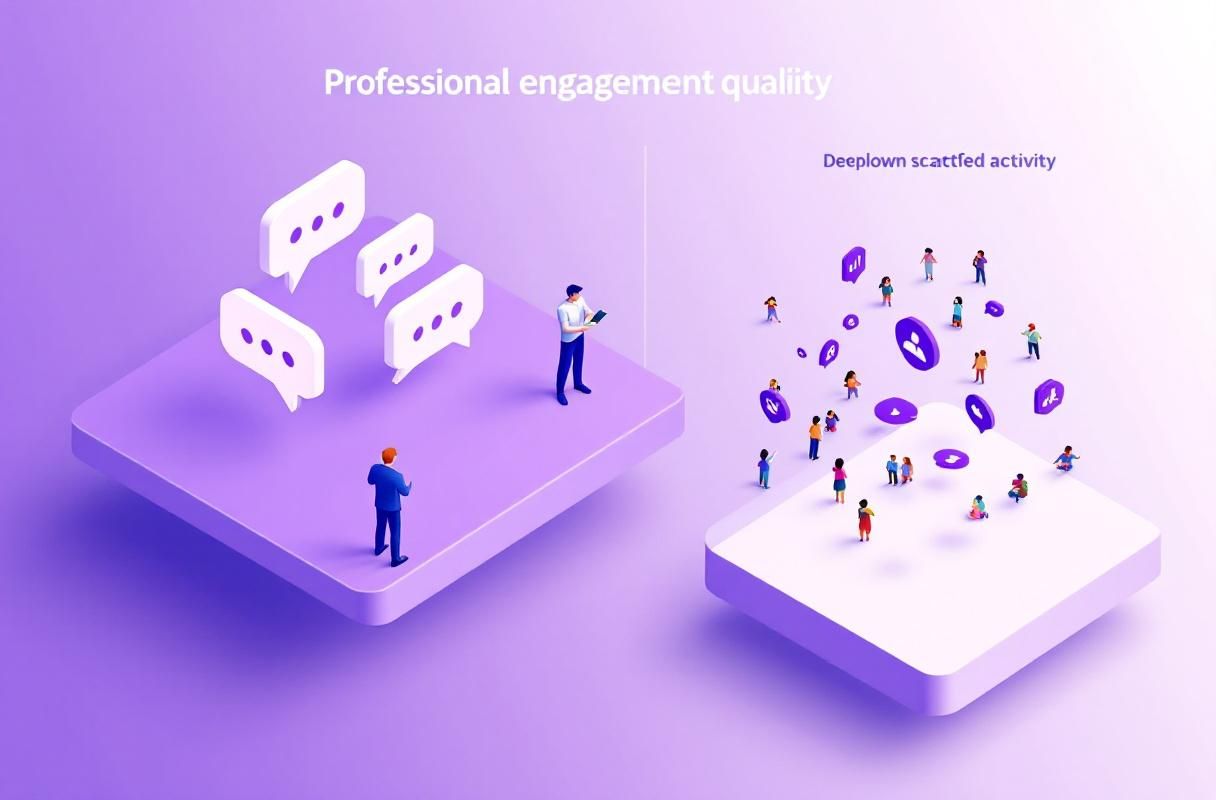
| Engagement Pods | Inbound Authority |
|---|---|
| Reciprocal obligation | Genuine interest |
| Generic comments | Thoughtful contributions |
| Same accounts always | Diverse, natural audience |
| Trigger-based timing | Natural discovery |
| Gaming the algorithm | Working with the algorithm |
What the Algorithm Rewards
LinkedIn's algorithm preferences:
- Expert demonstration: Comments showing genuine knowledge
- Value addition: Insights that extend the original post
- Conversation initiation: Engagement that sparks discussion
- Consistency: Regular, authentic participation
How ConnectSafely.ai Differs from Pods
ConnectSafely.ai operates on inbound principles that align with LinkedIn's goals:
Strategic visibility, not artificial inflation: We help your content reach the right audience—not boost vanity metrics.
Expert positioning, not generic engagement: AI-powered comments demonstrate expertise rather than generic reactions.
Platform compliance, not Terms of Service violations: 100% compliant engagement with zero bans across thousands of users.
Sustainable authority, not temporary reach spikes: Building long-term professional reputation that compounds over time.
What This Means for LinkedIn Marketers
The engagement pods crackdown creates clear winners and losers.
Who Benefits
- Genuine content creators: Less competition from artificially boosted posts
- Industry experts: Their engagement carries more algorithmic weight
- Inbound strategists: Their compliant approach now outperforms
- Quality-focused marketers: Substance wins over gaming
Who Suffers
- Pod-dependent accounts: Facing ongoing reach restrictions
- Automation abusers: Tools being detected and penalized
- Metric chasers: Vanity engagement becomes worthless
- Gray-area practitioners: LinkedIn enforcement leaves no middle ground
Taking Action: Your Next Steps
If you've used engagement pods, take immediate action:
Step 1: Stop All Pod Activity
Cease engagement pod participation immediately. This includes:
- Private group pods (Slack, Telegram, WhatsApp)
- Browser extension tools (Lempod, similar)
- Manual reciprocal engagement agreements
- Any coordinated artificial engagement
Step 2: Audit Your Account
Check for signs of algorithmic penalty:
- Sudden reach drops (50%+ decline)
- Engagement from pods but no external audience
- Posts visible to you but not shown to others
- Connection requests ignored despite high follower count
Step 3: Rebuild Authentically
Start building genuine authority:
- Create valuable content addressing real audience problems
- Engage thoughtfully on others' posts without expectation of return
- Focus on quality connections over quantity
- Consider inbound automation tools that maintain compliance
Step 4: Implement Inbound Strategy
ConnectSafely.ai provides the infrastructure for compliant authority building:
- AI-powered engagement that demonstrates expertise
- Keyword targeting to reach relevant audiences
- Content amplification through real engagement
- Zero ban risk with platform-compliant methods
At from USD $10/month, it costs less than most pod memberships while delivering sustainable results.
Frequently Asked Questions
Are LinkedIn engagement pods banned in 2026?
Yes, LinkedIn engagement pods are effectively banned in 2026. LinkedIn officially stated that pods violate Terms of Service and announced measures to make them "entirely ineffective." Detection systems achieve 97% accuracy, and penalties include shadow bans, reach restrictions, and account suspension.
What happened to Lempod?
Lempod was banned and removed from Chrome Web Store for violating LinkedIn's Terms of Service. The tool automated coordinated engagement that LinkedIn's detection systems could identify, leading to account penalties for users. Former Lempod users report ongoing reach restrictions even after discontinuing use.
How does LinkedIn detect engagement pods?
LinkedIn detects engagement pods through AI-powered pattern recognition analyzing comment velocity, account relationship patterns, engagement timing, and semantic content. The system flags when multiple accounts consistently engage with each other or when generic comments appear within seconds of posting. Detection accuracy reaches 97%.
What happens if LinkedIn catches me using engagement pods?
If LinkedIn catches you using engagement pods, you face progressive penalties starting with content reach restrictions. One user reported reach dropping from 8,500 to 340 impressions overnight. Severe cases result in shadow bans, account warnings, and potential permanent suspension. Recovery requires 60-90 days of compliant behavior.
What should I use instead of LinkedIn engagement pods?
Use inbound authority building instead of engagement pods. This involves creating valuable content, engaging thoughtfully with industry conversations, and building genuine visibility. Tools like ConnectSafely.ai automate compliant engagement that demonstrates expertise rather than gaming metrics—resulting in 14.6% close rates versus 1.7% from artificial approaches.
Can I recover my LinkedIn reach after using pods?
You can recover LinkedIn reach after using pods, but it takes 60-90 days of consistent, high-quality, policy-compliant posting according to industry analysis. Stop all pod activity immediately, remove any automation tools, and focus on genuine engagement that provides value to your audience.
Ready to build sustainable LinkedIn visibility without risky pods? Start your free trial and discover how inbound authority attracts qualified leads naturally.
The Unintended Consequences of LinkedIn's Crackdown on Engagement Pods
While LinkedIn's enforcement efforts may seem like a straightforward solution to the problem of artificial engagement, there are unintended consequences that can affect legitimate users. For instance, the algorithm's increased scrutiny of comment velocity and account relationship patterns can sometimes flag genuine engagement as suspicious. This can lead to false positives, where accounts that are not using engagement pods are still penalized with reach restrictions or shadow bans. Furthermore, the crackdown on engagement pods can also have a chilling effect on legitimate engagement, as users become increasingly cautious about interacting with others' content to avoid being mistaken for pod members. This can ultimately harm the overall quality of engagement on the platform, as users prioritize self-preservation over meaningful interactions. It's essential for LinkedIn to continue refining its detection systems to minimize these unintended consequences and ensure that legitimate users are not unfairly penalized.
Myth vs Reality: Debunking Common Misconceptions About LinkedIn Engagement Pods
One common misconception about LinkedIn engagement pods is that they are an effective way to build a loyal community of followers. In reality, engagement pods often attract users who are more interested in gaming the algorithm than in genuinely engaging with others' content. This can lead to a false sense of community, where users are only interacting with each other's content because they feel obligated to do so, rather than because they have a genuine interest in the topic. Another misconception is that engagement pods are a viable long-term strategy for increasing visibility on LinkedIn. However, as we've seen with LinkedIn's crackdown on engagement pods, this strategy is not only ineffective but also risky, as it can result in penalties and damage to one's reputation. In contrast, building a loyal community of followers through genuine engagement and high-quality content is a more sustainable and effective way to increase visibility on the platform.
Advanced-Level Strategies for Building Inbound Authority on LinkedIn
For advanced users, building inbound authority on LinkedIn requires a nuanced understanding of the platform's algorithm and a strategic approach to content creation and engagement. One key strategy is to focus on creating "anchor content" – high-quality, informative posts that attract engagement and establish the user as a thought leader in their industry. This anchor content can then be used as a foundation for further engagement and content creation, such as hosting LinkedIn Live sessions or creating video content that expands on the original post. Another advanced strategy is to use LinkedIn's publishing platform to create long-form content that showcases the user's expertise and provides value to their audience. By leveraging these strategies, advanced users can build a strong foundation of inbound authority on LinkedIn and establish themselves as trusted voices in their industry.
The Gray Area: When Engagement Pods Blur the Line Between Artificial and Genuine Engagement
There are situations where the line between artificial and genuine engagement becomes blurred, and engagement pods can be a gray area. For instance, a group of colleagues or industry peers may form a private LinkedIn group to support each other's content and provide feedback. While this may seem like an engagement pod, it can also be a legitimate way for professionals to collaborate and provide value to each other. However, if this! group begins to prioritize artificial engagement over genuine interactions, it can cross the line into engagement pod territory. Similarly, some users may participate in engagement pods as a way to support friends or colleagues, without realizing the potential risks and consequences. In these situations, it's essential to be aware of the potential risks and to prioritize genuine engagement over artificial manipulation.
Edge Cases: When LinkedIn's Crackdown on Engagement Pods Affects Legitimate Businesses and Organizations
There are edge cases where LinkedIn's crackdown on engagement pods can affect legitimate businesses and organizations that are not intentionally using artificial engagement. For example, a company may have a large team of employees who are encouraged to engage with each other's content as a way to build a sense of community and camaraderie. If this engagement is misinterpreted as an engagement pod, the company's LinkedIn presence could be unfairly penalized. Similarly, non-profit organizations or community groups may use LinkedIn to coordinate and promote their activities, which could be mistaken for engagement pod behavior. In these cases, it's essential for LinkedIn to provide clear guidance and support to help legitimate businesses and organizations avoid unintentionally triggering the algorithm's flags. By doing so, LinkedIn can ensure that its crackdown on engagement pods is fair and effective, while also protecting the interests of legitimate users.
See How It Works
Watch how people get more LinkedIn leads with ConnectSafely




Related Articles