LinkedIn Events for Lead Generation: The Complete Playbook
Turn LinkedIn Events into a lead generation machine. Learn how to plan, promote, and convert event registrants into qualified pipeline.

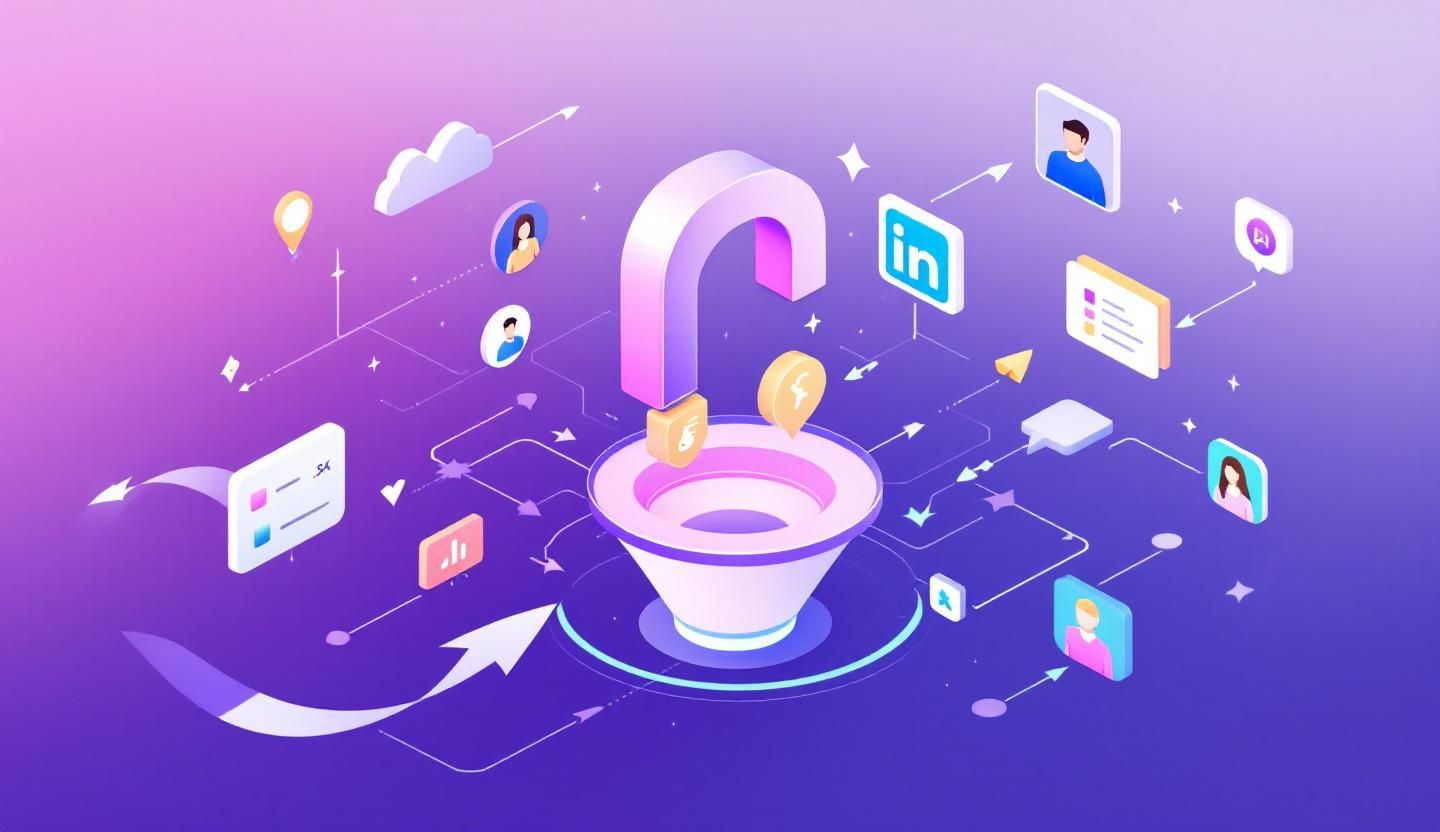
Adobe pivoted their Summit to LinkedIn—and got 3x more registrations. According to LinkedIn Marketing Solutions, when the pandemic forced Adobe to go virtual, they chose LinkedIn Events over traditional webinar platforms. The result? Triple the registrations and a direct line to B2B decision-makers.
LinkedIn Events combine the targeting power of the world's largest professional network with native event functionality. When someone clicks "Attend" on your event, you instantly know they're interested in your topic—and you can build a relationship from there.
Want to Generate Consistent Inbound Leads from LinkedIn?
Get our complete LinkedIn Lead Generation Playbook used by B2B professionals to attract decision-makers without cold outreach.
No spam. Just proven strategies for B2B lead generation.
Why LinkedIn Events Beat Traditional Webinars
According to SalesRobot's LinkedIn Events guide, hosting on LinkedIn offers unique advantages:
Built-In Audience Targeting
Unlike Zoom or WebinarJam where you drive traffic to an external platform, LinkedIn Events live where your audience already is. Benefits include:
- Native integration with LinkedIn's 1 billion+ member network
- Attendees can share events with their network
- Algorithm promotes events to relevant audiences
- Registration is frictionless (one click if already logged in)
Professional Context
Everyone on LinkedIn is in professional mode. According to Diginomica's analysis:
- Attendees are 6x more likely to convert
- Decision-makers actively browse the platform
- B2B purchase intent is higher than other platforms
Lead Data Collection
With registration forms, LinkedIn pre-fills attendee information from their profiles:
- Name and contact information
- Job title and company
- Industry and company size
- Direct sync to CRM via Zapier
Event Types and Use Cases
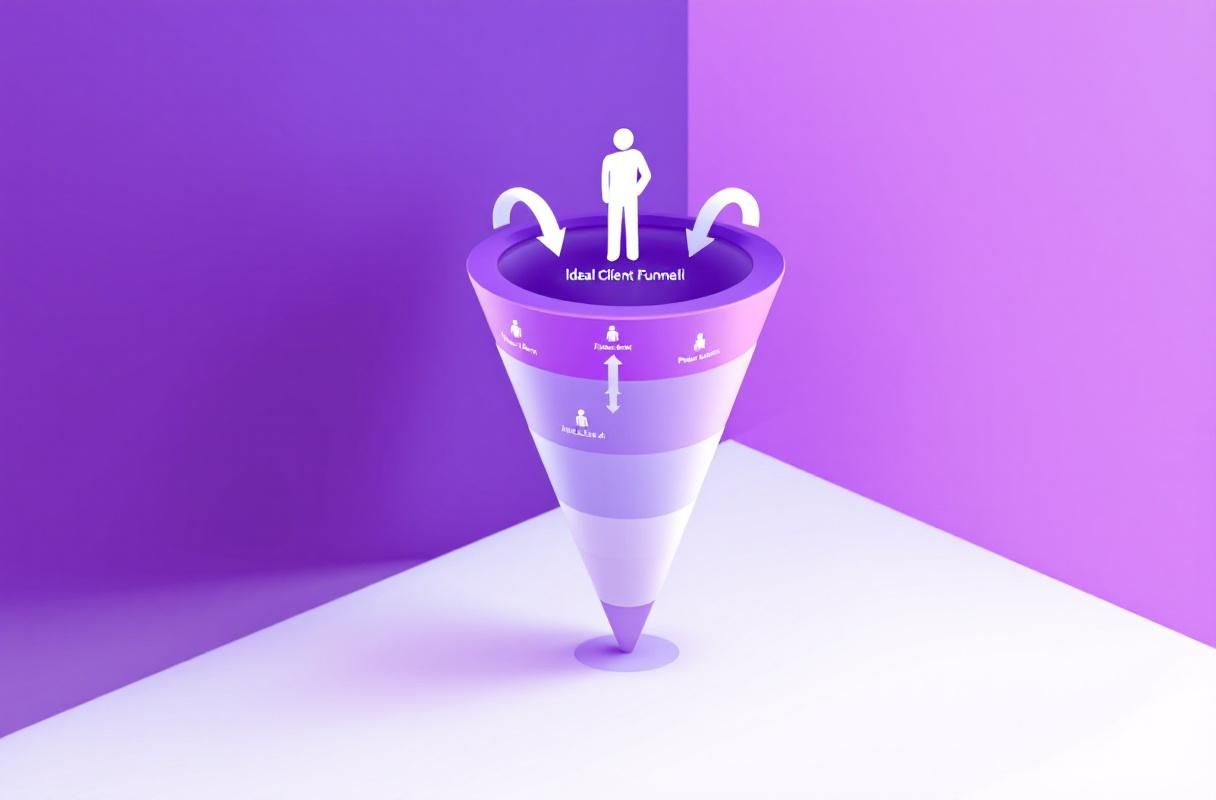
LinkedIn supports multiple event formats. According to The B2B House's guide, choosing the right format matters:
LinkedIn Live Events
Best For: Thought leadership, announcements, Q&As
| Feature | Details |
|---|---|
| Format | Live streaming video |
| Registration | Optional (can gate or open) |
| Replay | Available after broadcast |
| Engagement | Real-time comments during stream |
Key Stat: Live video generates 24x more engagement than static content on LinkedIn.
Audio Events
Best For: Discussions, interviews, casual conversations
| Feature | Details |
|---|---|
| Format | Audio-only, interactive |
| Registration | Not required |
| Capacity | Up to 100 speakers, unlimited listeners |
| Engagement | Raise hand to speak |
In-Person Events
Best For: Meetups, conferences, networking
| Feature | Details |
|---|---|
| Format | Physical location promoted on LinkedIn |
| Registration | Via LinkedIn or external link |
| Reach | Local targeting available |
| Follow-up | Attendee list for nurturing |
Online Events (External Link)
Best For: Webinars on external platforms with LinkedIn promotion
| Feature | Details |
|---|---|
| Format | Registration through LinkedIn, event elsewhere |
| Registration | LinkedIn collects initial interest |
| Flexibility | Use any platform (Zoom, Teams, etc.) |
The Event Lead Generation Framework
Phase 1: Planning (2-4 Weeks Before)
Step 1: Define Your Lead Generation Goal
Not all events have the same objective:
| Event Goal | Success Metric | Ideal Format |
|---|---|---|
| Top-of-funnel awareness | Registrations, reach | Open LinkedIn Live |
| Mid-funnel education | Attendance rate, engagement | Gated webinar |
| Bottom-funnel conversion | Sales meetings booked | Exclusive roundtable |
Step 2: Choose Your Topic
According to AddToCRM's strategies, your topic should:
- Address a specific pain point your ICP has
- Demonstrate your expertise without selling
- Be specific enough to attract qualified attendees
- Be broad enough to draw sufficient registration
Step 3: Select Format and Date
Best practices from LinkedIn's marketing blog:
- Tuesday-Thursday performs best for B2B events
- 10 AM or 1 PM local time maximizes attendance
- 45-60 minutes is the ideal duration
- 2-3 weeks lead time minimum for promotion
Step 4: Set Up Registration
For lead generation, use gated registration:
| Field | Required? | Lead Value |
|---|---|---|
| Name | Yes | Basic identification |
| Yes | Follow-up channel | |
| Job title | Yes | Qualification |
| Company | Yes | Account identification |
| Company size | Optional | Segmentation |
| Custom question | Optional | Intent qualification |
According to LinkedIn Help, you can add up to 6 fields to your registration form.
Phase 2: Promotion (1-3 Weeks Before)
The Multi-Channel Approach
According to The B2B House, post 2-3 times per week in your events newsfeed leading up to your event.
| Channel | Timing | Tactic |
|---|---|---|
| LinkedIn Page | Daily in final week | Share event, post teasers |
| Personal Profile | 2-3x per week | Personal invite, content previews |
| Direct Messages | 2 weeks, 1 week, 2 days before | Personalized invites to key prospects |
| Event Newsfeed | 2-3x weekly | Updates, speaker spotlights, Q&A |
| LinkedIn Ads | 2+ weeks before | Event Ads targeting ICP |
The "Recommend Post" Feature
You can push event updates to attendees up to 2 times per week for free using the "Recommend Post" function—essentially free reach to everyone who registered.
LinkedIn Event Ads
According to LinkedIn's 2025 guide:
- Set lead generation as your objective
- Target by job title, industry, company size
- Leads captured appear as registrations on your Event Page
- Sync directly to your CRM or marketing automation
Promotion Timeline:
| When | Action |
|---|---|
| 3 weeks out | Create event, initial announcement |
| 2 weeks out | Begin paid promotion, speaker spotlights |
| 1 week out | Reminder posts, personal outreach |
| 3 days out | Automated LinkedIn notification to registrants |
| Day before | Final reminder, logistics post |
| Day of | "Going live soon" post |
Phase 3: Execution (Event Day)
Maximize Live Engagement
According to LinkedIn Help, key metrics include:
- Peak live viewers: Real-time audience
- Viewers lifetime: Unique viewers (2+ seconds)
- Minutes watched: Engagement depth
During the Event:
- Welcome viewers and encourage comments
- Call out commenters by name
- Include CTAs at beginning, middle, and end
- Save Q&A questions for follow-up opportunities
Technical Considerations:
- Test streaming setup 24 hours before
- Have backup internet connection
- Keep slides simple for mobile viewers
- Ensure audio quality is excellent
Phase 4: Conversion (After Event)
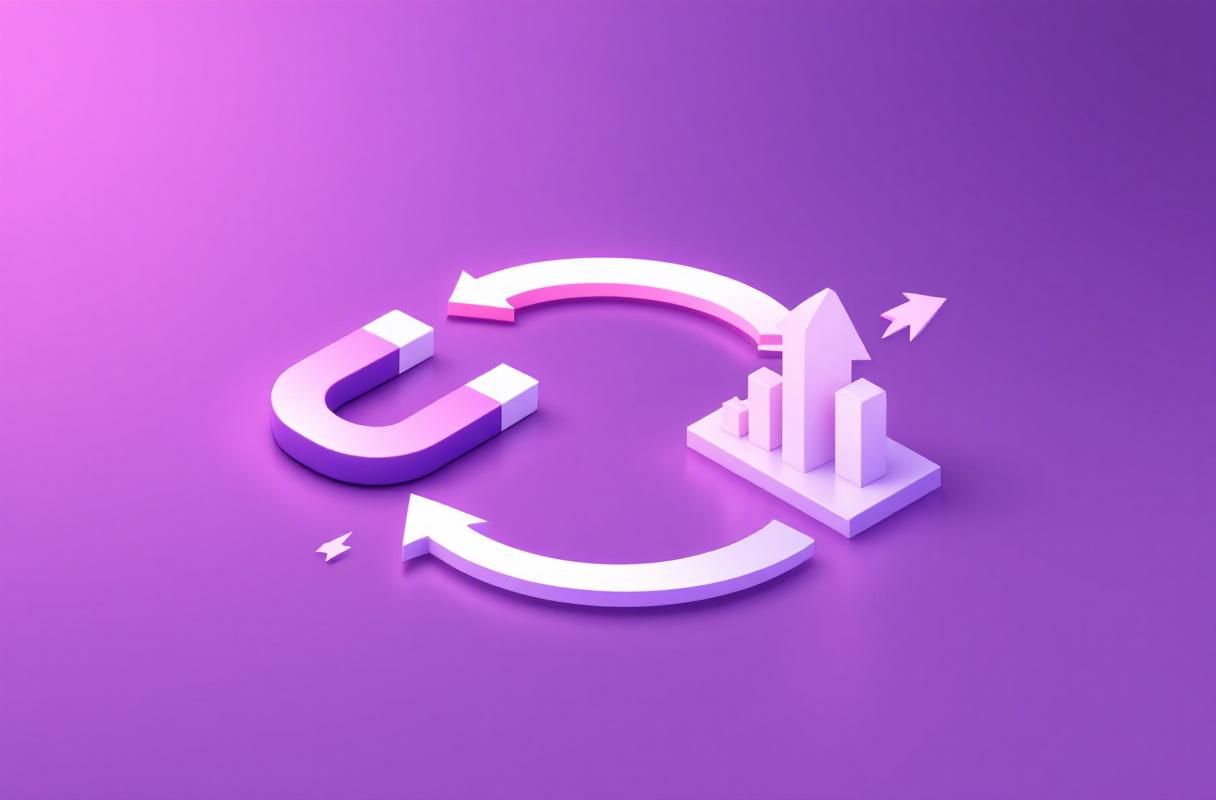
The real lead generation happens after the event ends.
Immediate Follow-Up (Within 24 Hours)
According to Leadspicker's strategies:
- Download attendee list from event analytics
- Segment by engagement:
- Registered but didn't attend
- Attended but didn't engage
- Attended and engaged actively
- Send personalized follow-up:
- Thank you with replay link
- Relevant additional resource
- Soft CTA for next step
Follow-Up Message Framework:
For high-engagement attendees:
"Hi [Name], loved your questions during our event on [topic]. Your point about [specific thing] was spot-on. I've put together some additional resources that go deeper on that—would you like me to share? Also happy to continue the conversation if [topic] is something you're actively working on."
For registered no-shows:
"Hi [Name], sorry we missed you at [event name]. The session on [topic] went great—here's the replay link. Based on your registration, I thought you might also find [related resource] valuable. Let me know if you'd like to discuss further."
Retargeting Event Engagement
According to Diginomica, use retargeting to convert event engagement into leads:
- Create audience of event registrants
- Run follow-up ads with deeper content
- Retarget for 2-4 weeks post-event
- Transform a single event into months of visibility
Attendance Rate Optimization
According to research shared on LinkedIn, the average digital event attendance rate is approximately 40%. Here's how to improve:
Registration Friction Trade-Off
| Approach | Registration Rate | Attendance Rate | Lead Quality |
|---|---|---|---|
| No registration | Highest | N/A (no baseline) | Lowest |
| Simple registration (2 fields) | High | ~45% | Medium |
| Full registration (5-6 fields) | Lower | ~40% | Highest |
Recommendation: For lead generation, use full registration. The friction filters for intent.
Notification Optimization
LinkedIn sends automatic reminders:
- 1 week before event
- 3 days before event
- Connections attending notification
Your Additional Touchpoints:
- Personal DM 1 day before
- Day-of morning reminder
- 15-minute-before "starting soon" post
Content Preview Strategy
Share valuable takeaways before the event to increase show rate:
- "Here's one insight we'll cover: [preview]"
- "Our speaker just shared this data..."
- "Attendees are asking about [topic]—we'll address it!"
Measuring Event ROI
Key Metrics to Track
According to LinkedIn Help analytics:
| Metric | What It Measures | Benchmark |
|---|---|---|
| Registration rate | Page views → registrations | 15-30% |
| Attendance rate | Registrations → attendees | 40% |
| Engagement rate | Attendees who interact | 20-40% |
| Lead quality score | Attendees → SQLs | 5-15% |
| Pipeline generated | Events → revenue | Company-specific |
Cost Analysis
According to SalesRobot:
| Cost Component | Typical Range |
|---|---|
| Event creation | Free |
| LinkedIn Ads promotion | $5-12 per click |
| Production (speakers, slides) | Variable |
| CRM integration | Zapier plan dependent |
ROI Calculation:
Event ROI = (Pipeline Generated - Total Costs) / Total Costs

Example:
- 200 registrations
- 80 attendees (40%)
- 8 SQLs (10% of attendees)
- 2 closed deals ($50K each)
- Total costs: $2,000 (ads + production)

ROI = ($100,000 - $2,000) / $2,000 = 4,900%
Event Series Strategy
One-off events generate leads. Event series build authority.
Monthly Event Cadence
According to Geber Consulting's strategy guide:
| Week | Activity |
|---|---|
| Week 1 | Event promotion begins |
| Week 2 | Event execution |
| Week 3 | Follow-up and conversion |
| Week 4 | Content repurposing + next event prep |
Content Repurposing
Maximize ROI by extracting additional value:
- Replay video → Gated for additional registrations
- Key quotes → LinkedIn posts
- Q&A highlights → Blog content
- Stats shared → Infographics
- Full transcript → Long-form article
Common Mistakes to Avoid
Mistake 1: No Registration Gate
Open events get more attendees but zero lead data. Always use registration for lead gen goals.
Mistake 2: Insufficient Promotion Time
Two-week minimum for organic promotion; three weeks for paid campaigns.
Mistake 3: Selling During the Event
According to Evaboot's research, events should educate, not sell. Save pitches for follow-up conversations.
Mistake 4: No Follow-Up System
The event is the beginning, not the end. Plan your follow-up sequence before the event.
Mistake 5: Ignoring No-Shows
Registrants who didn't attend still showed intent. They deserve a different follow-up, not silence.
How ConnectSafely.ai Amplifies Event Strategy
ConnectSafely.ai complements LinkedIn Events by building the authority that makes events successful:
Before Events:
- Consistent engagement builds audience who'll attend
- AI-powered commenting increases profile visibility
- Authority positioning makes event invites more compelling
After Events:
- Continued engagement keeps you visible to attendees
- Commenting on attendees' content nurtures relationships
- Consistent presence reinforces event impressions
Starting from USD $10/month, it maintains the visibility that makes your events must-attend.
Frequently Asked Questions
How many people typically attend LinkedIn Events?
According to research, the average virtual event attendance rate is approximately 40% of registrations. With optimization (reminders, valuable content previews, proper timing), rates can reach 50-60%.
Are LinkedIn Events free to create?
Yes, creating LinkedIn Events is completely free. Costs come from promotion (LinkedIn Ads typically $5-12 per click) and production (speakers, slides, streaming tools).
Can I export attendee data from LinkedIn Events?
Yes. According to LinkedIn Help, Page admins can download attendee lists with registration information. You can also sync leads to your CRM via Zapier.
What's the best event format for lead generation?
Gated LinkedIn Live Events with registration forms produce the highest-quality leads. The registration friction filters for intent, and the live format drives engagement.
How far in advance should I create a LinkedIn Event?
At minimum, 2-3 weeks for organic promotion. For paid campaigns or larger events, 4-6 weeks allows adequate promotion time and audience building.
Ready to turn events into a lead generation engine? Start your free trial and build the authority that fills your events.
The Dark Side of LinkedIn Event Success: Managing Unintended Consequences
While LinkedIn Events can be a powerful tool for lead generation, it's essential to consider the potential unintended consequences of a successful event. For instance, if your event goes viral, you may find yourself overwhelmed with registrations, which can lead to a decrease in the quality of leads. This can result in a higher cost per acquisition (CPA) and a lower conversion rate, ultimately affecting your return on investment (ROI). Moreover, an influx of low-quality leads can also put a strain on your sales team, leading to frustration and decreased morale. To mitigate this risk, it's crucial to set clear expectations and goals for your event, as well as to have a robust lead qualification process in place. This may involve working closely with your sales team to develop a lead scoring system, which can help identify high-quality leads and prioritize follow-up efforts. By being aware of these potential pitfalls, you can take a more nuanced approach to LinkedIn Event marketing and avoid common mistakes that can undermine your success.
Myth vs Reality: Debunking Common Misconceptions About LinkedIn Events
One common misconception about LinkedIn Events is that they are only effective for B2B businesses with large budgets. However, this is not necessarily the case. While it's true that larger businesses may have more resources to devote to event marketing, smaller businesses and entrepreneurs can also leverage LinkedIn Events to reach their target audience. In fact, LinkedIn's algorithm is designed to promote events to relevant audiences, regardless of the event organizer's budget. Another myth is that LinkedIn Events are only suitable for traditional webinars or conferences. In reality, LinkedIn Events can be used to host a wide range of events, from Q&A sessions and workshops to product launches and networking meetings. By understanding the true capabilities and limitations of LinkedIn Events, businesses can create more effective event marketing strategies that drive real results. It's also important to note that LinkedIn Events are not a replacement for other marketing channels, but rather a complement to them. By integrating LinkedIn Events into a broader marketing strategy, businesses can amplify their reach and impact, and achieve a higher ROI.
Advanced-Level: Using LinkedIn Events to Create Account-Based Marketing (ABM) Campaigns
For experienced marketers, LinkedIn Events can be a powerful tool for creating account-based marketing (ABM) campaigns. By leveraging LinkedIn's targeting capabilities, businesses can create highly personalized events that speak directly to the needs and interests of their target accounts. This can involve creating customized event invitations, agendas, and content that resonates with the specific pain points and challenges of the target accounts. To take it to the next level, businesses can also use LinkedIn's data and analytics to track the engagement and behavior of their target accounts, and adjust their event marketing strategy accordingly. For example, if a target account is showing high levels of engagement with a particular topic or theme, the business can create an event that dives deeper into that topic, and invites the key decision-makers from that account to attend. By using LinkedIn Events in this way, businesses can create highly targeted and effective ABM campaigns that drive real results and revenue.
Edge Cases: When LinkedIn Events May Not Be the Best Choice
While LinkedIn Events can be a highly effective tool for lead generation, there are certain edge cases where they may not be the best choice. For instance, if your business is targeting a highly niche or specialized audience, you may find that LinkedIn's targeting capabilities are not precise enough to reach your target audience. In this case, you may want to consider using other event marketing platforms that offer more granular targeting options. Another edge case is when your business is looking to host a highly interactive or immersive event, such as a virtual reality experience or a gamified event. In this case, you may find that LinkedIn's event format is not suitable for your needs, and you may want to consider using other platforms that offer more advanced interactive features. By being aware of these edge cases, businesses can make more informed decisions about when to use LinkedIn Events, and when to consider alternative options.
The Importance of Post-Event Engagement: How to Keep the Conversation Going
While the event itself is often the focus of attention, it's essential to remember that the real work begins after the event is over. Post-event engagement is critical to building relationships with attendees, nurturing leads, and driving conversions. One way to keep the conversation going is to create a dedicated event community or group on LinkedIn, where attendees can continue to discuss the topics and themes covered during the event. Businesses can also use this community to share additional resources, such as blog posts, videos, or eBooks, that provide further value to attendees. Another strategy is to use LinkedIn's messaging feature to follow up with attendees, and provide personalized support and guidance. By keeping the conversation going after the event, businesses can build trust and credibility with their target audience, and increase the chances of converting attendees into customers. It's also important to track the engagement and behavior of attendees after the event, and use this data to inform future event marketing strategies. By doing so, businesses can create a continuous cycle of engagement and conversion, and achieve a higher ROI from their event marketing efforts.
See How It Works
Watch how people get more LinkedIn leads with ConnectSafely




Related Articles