LinkedIn Inbound GTM Strategy: Authority Beats Automation
75% of B2B buyers prefer human interaction over AI. Learn why LinkedIn authority-first GTM outperforms automation-heavy go-to-market strategies.

By 2030, 75% of B2B buyers will prefer sales experiences that prioritize human interaction over AI. According to Gartner's research, the rush to automate every GTM function is missing what buyers actually want. Meanwhile, 70% of buyers choose vendors based on a salesperson's understanding of their problems—not their automation stack. The most effective go-to-market strategy for 2026 isn't more AI automation. It's LinkedIn inbound authority that builds the trust and understanding buyers are looking for.
The B2B GTM landscape is undergoing a fundamental shift. According to Forabilis' 2026 GTM analysis, GenAI will be embedded directly in systems that run GTM—but the companies winning won't be the ones automating most aggressively. They'll be the ones using automation to enhance human connection, not replace it.
Key Takeaways
-
75% of buyers prefer human interaction: Despite AI adoption, buyers want relationships, not automation
-
70% choose vendors who understand their problems: Empathy and insight beat efficiency in buying decisions
-
AI saves time but can't build trust: Automation handles grunt work; authority handles relationships
Want to Generate Consistent Inbound Leads from LinkedIn?
Get our complete LinkedIn Lead Generation Playbook used by B2B professionals to attract decision-makers without cold outreach.
How to build authority that attracts leadsContent strategies that generate inboundEngagement tactics that trigger algorithmsSystems for consistent lead flowNo spam. Just proven strategies for B2B lead generation.
-
Authority-first GTM is more efficient: Lower CAC, higher conversion, shorter sales cycles
-
LinkedIn is where GTM happens: 89% of B2B marketers use LinkedIn for lead generation
The GTM Automation Paradox
Everyone is automating. According to SuperAGI's analysis, 85% of enterprises expect to use AI agents in 2025, and 81% of sales teams either experiment with or have fully implemented AI.
Yet the results are mixed at best.
The Productivity Promise
AI automation delivers real productivity gains:
- Sales teams save 2+ hours per day on manual tasks
- Administrative work cut by 70%
- Revenue-generating activity time increases 25-30%
- AI-powered lead scoring boosts conversion rates 15-20%
The Trust Problem
But according to Gartner's buyer research, automation creates a trust deficit:
- 74% of B2B buyers want tailored experiences that blend tech efficiency with human insight
- 70% choose vendors based on a salesperson's understanding of their problems
- AI cannot build genuine human relationships
- AI can't read the room when body language contradicts words
The paradox: automation makes GTM more efficient but can undermine the trust that closes deals.
The Authority-First GTM Model
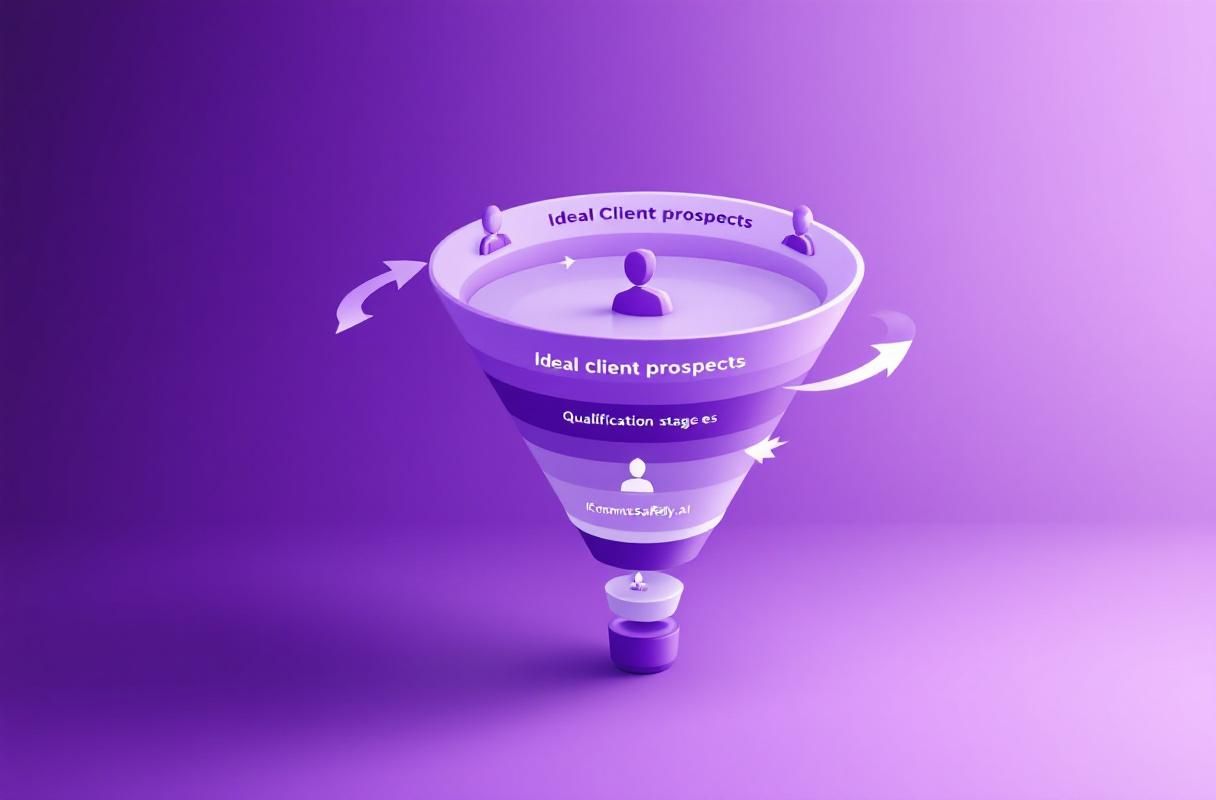
The solution isn't abandoning automation—it's deploying it correctly. Authority-first GTM uses automation to enhance visibility and efficiency while preserving the human relationships buyers actually want.
How It Works
Traditional Automation-First GTM:
Find prospects → Automate outreach → Hope for responses → Try to build trust
Authority-First GTM:
Build visible authority → Attract interested prospects → Start with trust → Convert efficiently
The difference is sequence. Authority-first GTM builds trust before the sales conversation, making every subsequent interaction more effective.
The Economics
According to Only-B2B's GTM research, authority-first companies see:
| Metric | Automation-First | Authority-First |
|---|---|---|
| Cost per lead | $186 | $35 |
| Cold outreach response | 5-10% | N/A (inbound) |
| Inbound response rate | N/A | 100% (they initiated) |
| Close rate | 1.7% | 14.6% |
| Sales cycle length | Longer | 3-5x shorter |
The math favors authority because prospects who reach out have already done the work of qualifying themselves and building initial trust.
Why LinkedIn is the GTM Battleground
According to Cognism's 2026 research, LinkedIn dominates B2B GTM:
- 89% of B2B marketers use LinkedIn for lead generation
- 80% of B2B social leads come from LinkedIn
- 1.2+ billion registered members globally
- Decision-makers spend nearly 1 hour daily on the platform
GTM Motions by Channel Effectiveness
According to The Digital Bloom's GTM benchmarks, channel effectiveness varies by company stage:
Under $1M ARR:
- Warm outbound
- Founder brand
$1-10M ARR:
- Warm outbound
- Intent-based outbound
Over $10M ARR:
- Large conferences
- SEO
- Paid ads
LinkedIn appears in every stage because it's where B2B relationships form—whether you're a startup founder or enterprise sales team.
The Inbound Advantage on LinkedIn
Traditional GTM on LinkedIn focuses on cold outreach: connection requests, InMail, pitch messages. Response rates are declining as more companies compete for the same attention.
Authority-first GTM on LinkedIn focuses on visibility: strategic engagement, valuable content, and positioning that makes prospects come to you.
According to Sopro's LinkedIn research:
- Businesses with active LinkedIn Pages receive 5x more page views
- Active companies get 7x more impressions
- Consistent posting leads to 2x engagement and 7x faster follower growth
The 2026 GTM Playbook: Authority + Automation
The winning GTM strategy for 2026 combines automation efficiency with authority-based trust building.
Layer 1: Automation for Efficiency
Use AI and automation where they add value:
Research and Targeting:
- AI-powered ICP identification
- Intent signal detection
- Lead scoring and prioritization
Process Optimization:
- CRM automation and data enrichment
- Meeting scheduling and follow-up
- Administrative task elimination
Scale Without Sacrifice:
- Automated engagement within human-set parameters
- Consistent visibility without manual time investment
- Efficient reach across target accounts
According to Persana AI's research, 74% of salespeople acknowledge automation is reshaping their job—the winners embrace it for grunt work while reserving human effort for relationship building.
Layer 2: Authority for Trust
Build the human connection buyers actually want:
Visible Expertise:
- Consistent LinkedIn presence demonstrating knowledge
- Strategic engagement in industry conversations
- Content that addresses prospect challenges
Relationship Foundation:
- Familiarity through repeated valuable interactions
- Trust built before sales conversations begin
- Credibility established through demonstrated expertise
Human Understanding:
- Ability to read nuanced prospect needs
- Empathy that AI cannot replicate
- Problem-solving that goes beyond automation
According to Monday.com's AI analysis, the best results happen when reps and AI work shoulder-to-shoulder—automation handles grunt work while humans focus on empathy, creativity, and problem-solving.
Layer 3: Integration for Compound Effect
The real advantage comes from integrating automation and authority:
Example Workflow:
- AI identifies high-intent accounts based on signals
- Authority building ensures you're visible to those accounts
- Automation tracks engagement and surfaces hot prospects
- Human relationships convert interested parties to customers
- AI optimizes based on what's working
This integrated approach delivers efficiency without sacrificing the human connection buyers prefer.
GTM Efficiency: What Boards Want
According to Warmly's GTM research, boards and investors are pushing harder on efficiency: shorter payback periods, better pipeline conversion, and tighter links between GTM spend and revenue.
Authority-first GTM delivers on all three:
Shorter Payback Periods
When prospects come to you pre-interested:
- No cold outreach costs
- No expensive multi-touch campaigns
- Immediate conversation readiness
- Faster deal velocity
Better Pipeline Conversion
According to HubSpot's statistics, inbound leads convert at 14.6% vs 1.7% for outbound. This gap exists because:
- Prospects have self-qualified
- Trust exists before sales contact
- Buying intent is genuine, not manufactured
- Decision-makers come ready to evaluate
Tighter GTM Spend-to-Revenue Links
Authority building creates measurable, attributable results:
- Profile views from ICP = Awareness
- Engagement from decision-makers = Interest
- Inbound connection requests = Consideration
- Direct messages with questions = Purchase intent
Unlike brute-force automation where attribution is murky, authority-first GTM creates clear lines from activity to revenue.
The AI-Native Startup Advantage
According to SaaS Consultancy's analysis, AI-native startups are redefining GTM efficiency:
Traditional Series A:
- 15-20 employees
- 5-6 person GTM team
- $2M+ annual GTM budget
- 12-18 months to PMF
AI-Native Series A:
- 8-12 employees
- 2-3 person GTM team + AI agents
- $800K-1.2M GTM budget
- 6-9 months to PMF
The winners aren't replacing humans with AI—they're amplifying human capability. Authority-first GTM combined with automation delivers:
- 2.5x faster prospect reach
- 47% higher sales productivity
- 30% lower customer acquisition costs
Implementation: Authority-First LinkedIn GTM
Here's how to implement authority-first GTM on LinkedIn:
Phase 1: Foundation (Weeks 1-2)
Profile Optimization:
- Buyer-focused headline (not job title)
- About section addressing prospect pain points
- Featured content demonstrating expertise
- Experience focused on outcomes delivered
ICP Definition:
- Specific industries, roles, company sizes
- Clear pain points your solution addresses
- Understanding of where they spend time on LinkedIn
Phase 2: Visibility (Weeks 3-6)
Strategic Engagement:
- 30 minutes daily engaging where ICP spends time
- Substantive comments demonstrating expertise
- Building recognition before any outreach
Content Presence:
- 2-3 posts weekly on ICP-relevant topics
- Insights from client work and industry knowledge
- Frameworks and approaches that demonstrate capability
Phase 3: Conversion (Ongoing)
Inbound Response:
- Rapid response to inbound interest
- Conversation focused on understanding, not pitching
- Human connection that AI can't replicate
Relationship Development:
- Ongoing value provision
- Trust deepening through genuine interaction
- Natural progression from awareness to opportunity
How ConnectSafely.ai Enables Authority-First GTM
ConnectSafely.ai is built for authority-first GTM:
Automation Layer:
- AI-powered strategic engagement at scale
- Consistent visibility without manual time investment
- Targeting that reaches decision-makers, not random users
Authority Building:
- Positioning in front of ICP audiences
- Expertise signals through strategic commenting
- Visibility that compounds over time
Human Connection Preserved:
- No fake automation that damages trust
- Real engagement that builds recognition
- Platform-compliant approach LinkedIn rewards
GTM Efficiency:
- from USD $10/month vs. $1,000s in automation tool stacks
- 10-20 qualified inbound leads monthly
- 14.6% conversion vs. 1.7% outbound
The Bottom Line: GTM Success Requires Balance
The data tells a clear story:
- 75% of buyers prefer human interaction over AI
- 70% choose vendors who understand their problems
- AI saves time but can't build trust
- Authority-first delivers superior economics
The winning GTM strategy for 2026 isn't automation OR human connection—it's automation in service of human connection. Use AI to handle grunt work and scale visibility. Use authority building to create the trust that closes deals.
LinkedIn inbound authority is the GTM motion that delivers both efficiency and effectiveness. It's how you win when buyers want relationships, not robots.
Frequently Asked Questions
What is a GTM (go-to-market) strategy?
A GTM strategy is the plan for bringing your product or service to market and reaching customers. According to Default's GTM guide, common GTM motions include sales-led, product-led, hybrid, and partner-led approaches. LinkedIn authority building is a cross-cutting strategy that enhances any primary motion.
Is GTM automation effective in 2026?
GTM automation is effective for efficiency—according to Persana AI, sales teams save 2+ hours daily on manual tasks. However, Gartner research shows 75% of buyers prefer human interaction, so automation works best when it enables human connection rather than replacing it.
Why is LinkedIn important for B2B GTM?
89% of B2B marketers use LinkedIn for lead generation, and it accounts for 80% of B2B social leads. Decision-makers spend nearly an hour daily on the platform, making it the primary venue where B2B relationships form.
How does authority-first GTM compare to automation-first?
Authority-first GTM builds trust before sales conversations, resulting in higher conversion rates (14.6% vs 1.7%), lower cost per lead ($35 vs $186), and shorter sales cycles. Automation-first can scale outreach but often sacrifices the human connection that closes deals.
How long does it take to see GTM results from LinkedIn authority building?
Most companies see measurable results in 4-6 weeks: increased profile views from ICP, inbound connection requests, and direct messages with genuine interest. The authority compounds over time, making each subsequent month more productive than the last.
Ready to implement authority-first GTM on LinkedIn? Start your free trial with ConnectSafely and see how inbound authority outperforms automation-heavy strategies.
The Dark Side of Automation: When AI-Driven GTM Strategies Backfire
While automation can bring numerous benefits to GTM strategies, such as increased efficiency and productivity, there are situations where it can backfire. One of the most significant risks is the creation of a "black box" effect, where the complexity of AI-driven systems makes it difficult to understand why certain decisions are being made. This can lead to a lack of transparency and accountability, ultimately damaging the relationship between the vendor and the buyer. Furthermore, over-reliance on automation can also lead to a lack of human empathy and understanding, which is critical in building trust with potential customers. For instance, a company that relies too heavily on chatbots for customer support may find that customers become frustrated with the lack of human interaction, leading to a negative experience and a loss of business. It's essential to strike a balance between automation and human interaction to avoid these pitfalls.
Myth vs Reality: Debunking Common Misconceptions About LinkedIn Inbound GTM
One of the most common misconceptions about LinkedIn inbound GTM is that it's a numbers game, where the more connections and followers you have, the more successful you'll be. However, this is far from the truth. Having a large network is not a guarantee of success, and in fact, it can often lead to a lack of engagement and relevance. The reality is that LinkedIn inbound GTM is about building meaningful relationships with potential customers, understanding their needs and pain points, and providing value through insightful and relevant content. It's about being seen as a trusted authority in your industry, rather than just a salesperson trying to make a pitch. Another myth is that LinkedIn inbound GTM is only for B2B companies, when in fact, it can be just as effective for B2C companies looking to build brand awareness and establish themselves as thought leaders. By understanding the realities of LinkedIn inbound GTM, businesses can create a more effective strategy that drives real results.
The Importance of Contextual Understanding in LinkedIn Inbound GTM
Contextual understanding is critical in LinkedIn inbound GTM, as it allows businesses to tailor their messaging and content to the specific needs and pain points of their target audience. This involves understanding the nuances of the buyer's journey, including the various stages and touchpoints that potential customers interact with. It also requires an understanding of the buyer's motivations, goals, and challenges, as well as the industry trends and developments that are shaping their decision-making process. By gaining a deeper understanding of the context in which buyers are operating, businesses can create more relevant and resonant content, build stronger relationships, and ultimately drive more conversions. However, this requires a level of sophistication and nuance that goes beyond simply using automation tools or relying on generic marketing messages. It demands a deep understanding of the buyer's psyche and a willingness to adapt and evolve the GTM strategy accordingly.
Advanced-Level: Using LinkedIn Inbound GTM to Drive Account-Based Marketing (ABM) Success
For businesses looking to take their LinkedIn inbound GTM strategy to the next level, incorporating account-based marketing (ABM) principles can be a highly effective way to drive targeted and personalized engagement with key accounts. This involves using LinkedIn's advanced targeting capabilities to identify and engage with specific decision-makers and influencers within target accounts, and tailoring the messaging and content to their unique needs and pain points. By leveraging LinkedIn's ABM capabilities, businesses can create highly targeted and personalized campaigns that speak directly to the interests and concerns of their target audience, driving more conversions and revenue growth. However, this requires a high level of sophistication and expertise, as well as a deep understanding of the target accounts and their buying behaviors. It's essential to have a clear understanding of the ABM framework and how to apply it in a LinkedIn context, as well as the ability to measure and optimize the effectiveness of ABM campaigns.
Navigating the Gray Areas: When LinkedIn Inbound GTM Strategies Encounter Contradictions and Paradoxes
One of the challenges of implementing a LinkedIn inbound GTM strategy is navigating the gray areas and contradictions that can arise. For instance, how do you balance the need for personalization and human interaction with the efficiency and scalability that automation provides? Or how do you reconcile the desire for short-term results with the need for long-term relationship-building and trust establishment? These are not easy questions to answer, and there is no one-size-fits-all solution. However, by acknowledging and embracing these contradictions, businesses can create a more nuanced and effective LinkedIn inbound GTM strategy that takes into account the complexities and uncertainties of the real world. This requires a willingness to experiment, adapt, and evolve, as well as a deep understanding of the underlying principles and mechanisms that drive LinkedIn inbound GTM success. By embracing the gray areas and paradoxes, businesses can create a more resilient and effective GTM strategy that drives real results in a rapidly changing and uncertain world.
See How It Works
Watch how people get more LinkedIn leads with ConnectSafely




Related Articles