Inbound vs Outbound Sales: Why LinkedIn Inbound Wins in 2026
Compare inbound vs outbound sales strategies. See why inbound leads convert 8X better and cost 63% less than cold outreach.

Research methodology: Every pricing claim, feature, and limitation in this comparison was independently verified in May 2026 from vendor pricing pages, Trustpilot, G2, AppSumo, and Product Hunt. Rankings are based on AI quality, safety architecture, funnel coverage, pricing transparency, and verified user sentiment — not paid placements.
Inbound sales converts at 14.6% compared to outbound's 1.7%—an 8X difference that fundamentally changes how B2B professionals should approach lead generation. According to HubSpot's marketing research, companies using inbound strategies see 61% lower cost per lead while generating 54% more qualified prospects.
Key Takeaways
- Inbound leads convert 8-9X better: HubSpot research shows 14.6% close rate for inbound vs. 1.7% for outbound
- Cost per lead drops dramatically: Inbound averages $135 vs. $364 for outbound—a 63% reduction
- LinkedIn dominates B2B: According to Cognism research, LinkedIn drives 75-85% of all B2B social media leads
- Connection limits break volume strategies: LinkedIn caps requests at 100-200 per week, making inbound essential
- Sales teams prefer inbound: 59% of sales teams favor inbound vs. just 16% for outbound
- Hybrid approaches excel: Companies using both strategies achieve 38% higher revenue growth
The debate between inbound and outbound sales isn't about which approach works—it's about which approach works better for modern B2B professionals. The data is clear: inbound wins decisively on conversion rates, cost efficiency, and long-term sustainability.
What Is Inbound vs Outbound Sales?
Understanding the fundamental difference between these approaches explains why inbound consistently outperforms outbound.
Outbound Sales Defined
Outbound sales involves proactively reaching out to prospects who haven't expressed interest. Traditional tactics include:
- Cold calls and cold emails
- LinkedIn connection requests to strangers
- Automated drip sequences
- Purchased lead lists
- Mass messaging campaigns
According to Salesforce B2B benchmarks, cold outbound emails typically achieve just 1-3% response rates. The fundamental challenge: you're interrupting people who didn't ask to hear from you.
Want to Generate Consistent Inbound Leads from LinkedIn?
Get our complete LinkedIn Lead Generation Playbook used by B2B professionals to attract decision-makers without cold outreach.
No spam. Just proven strategies for B2B lead generation.
Inbound Sales Defined
Inbound sales attracts prospects who actively seek solutions. They find you through:
- Thought leadership content
- Strategic visibility in industry conversations
- Authority-building engagement
- Valuable insights that demonstrate expertise
- Referrals from your established reputation
When prospects initiate contact, they've already developed trust. This explains why inbound leads require less qualification and close faster.
The Conversion Rate Gap: Why 8X Matters
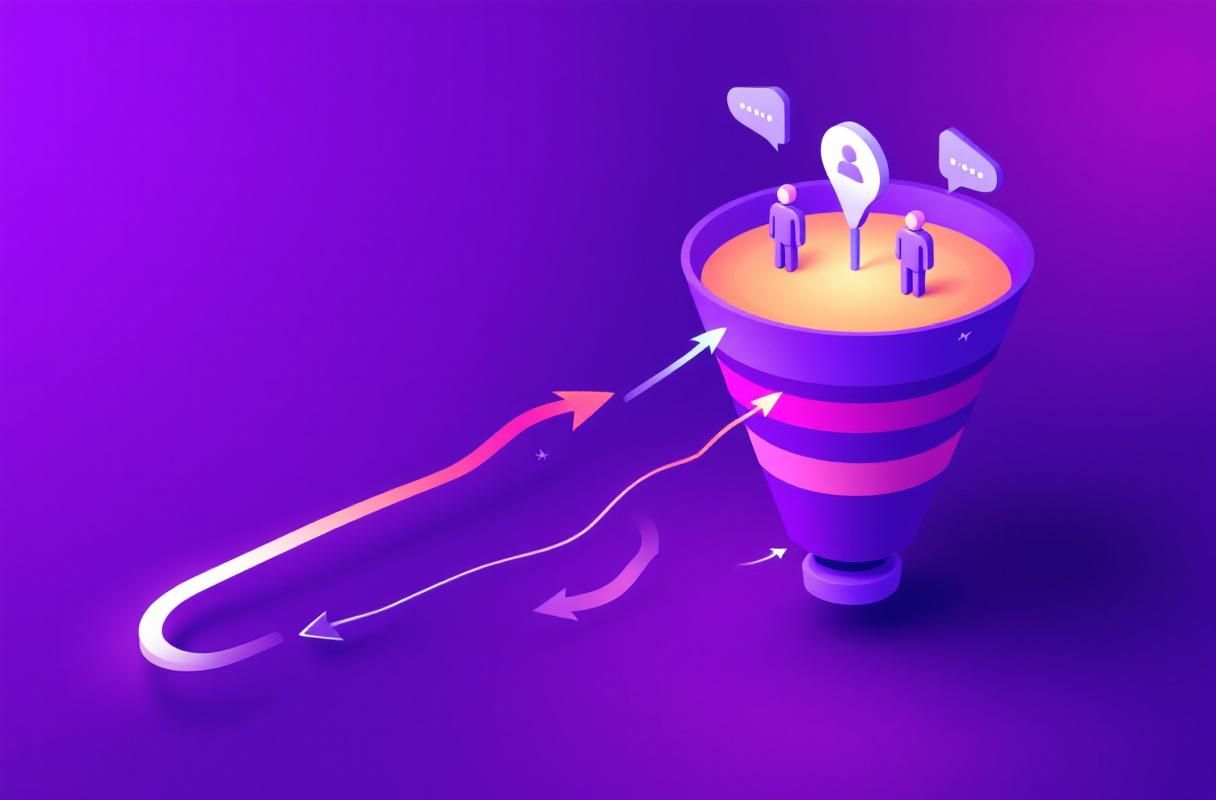
The conversion difference between inbound and outbound isn't marginal—it's transformational for your sales pipeline.
Outbound Conversion Reality
According to Martal Group's 2026 analysis, outbound conversion benchmarks reveal:
| Outbound Metric | Typical Range |
|---|---|
| Cold email response rate | 1-3% |
| LinkedIn connection acceptance | 30-45% |
| Cold message response rate | 5-10% |
| Meeting conversion from cold | 1-2% |
| Deal close rate | 1.7% |
For every 100 cold outreach attempts, you might book 1-2 meetings and close under 2 deals. The math requires massive volume to generate meaningful pipeline.
Inbound Conversion Reality
HubSpot's State of Marketing shows dramatically different inbound numbers:
| Inbound Metric | Typical Range |
|---|---|
| Conversation quality | 70%+ positive |
| Meeting request rate | Much higher (they initiate) |
| Sales cycle length | 40-60% shorter |
| Deal close rate | 14.6% |
| Price objection rate | Significantly lower |
When prospects come to you pre-educated and pre-trusting, the entire sales dynamic shifts.
Why the Gap Exists
The conversion gap isn't about sales technique—it's about buyer psychology:
- Trust precedes transaction: Inbound prospects have consumed your content and validated your expertise before reaching out
- Problem recognition: They've self-identified their need rather than being told they have one
- Solution alignment: They sought you specifically, not just any vendor
- Authority positioning: You're positioned as expert, not salesperson
Cost Comparison: The 63% Advantage
Beyond conversion rates, the cost economics strongly favor inbound approaches.
The Real Numbers
According to Flying Saucer Studio's analysis of HubSpot data:
| Cost Metric | Outbound | Inbound | Difference |
|---|---|---|---|
| Average cost per lead | $364 | $135 | 63% lower |
| 5-month cost reduction | Stable | 80% decrease | Compounds |
| Lead volume (same budget) | Baseline | 54% more | Scales better |
The cost advantage compounds over time. Sender.net's research found that after five months of consistent inbound marketing, cost per lead drops by 80%.
Hidden Outbound Costs
Outbound cost calculations often miss:
- Time investment: Hours spent researching, crafting messages, following up
- Tool subscriptions: Sales Navigator ($99/month), automation tools ($50-150/month)
- Account restriction risk: 23% of automation users face restrictions
- Reputation damage: Cold outreach can harm brand perception
- Opportunity cost: Time not spent on high-converting activities
When you factor in these hidden costs, the inbound advantage exceeds 63%.
Why LinkedIn Inbound Dominates B2B
LinkedIn's unique position as a professional network makes it the ideal inbound channel for B2B sales.
LinkedIn's B2B Dominance
According to Cognism's 2026 research:
- LinkedIn drives 75-85% of all B2B leads from social media
- Over 1 billion professionals use the platform globally
- 70% of B2B marketers view LinkedIn as the most effective lead generation platform
- Reps with high SSI scores generate 45% more opportunities
No other platform offers this concentration of decision-makers actively discussing business challenges.
Platform Changes Favor Inbound
LinkedIn's 2024-2026 algorithm changes specifically reward inbound behaviors:
Connection limits break volume strategies:
- LeadLoft's analysis confirms: 100-200 connection requests per week maximum
- Daily safe zone: 20-25 requests
- Exceeding limits triggers 7-day restrictions
Algorithm rewards engagement:
- According to LinkedIn's official documentation, the platform prioritizes "knowledge-rich content"
- Carousel posts deliver 278% more engagement than videos
- Emotional messaging outperforms rational content by 7X per LinkedIn's B2B Institute
These changes make volume-based outbound increasingly difficult while amplifying inbound effectiveness.
The LinkedIn Inbound Approach

Implementing LinkedIn inbound requires strategic visibility rather than mass outreach.
Step 1: Profile Optimization for Attraction
According to Tenacious Marketing's guide:
- Headline: Outcome-focused, not title-focused ("We help X achieve Y" not "Founder at Z")
- Banner: Position, proof, or promise—make it work
- About section: Narrative landing page, not career history
- Featured section: Case studies, testimonials, valuable resources
Your profile becomes a destination that converts visitors into conversations.
Step 2: Strategic Engagement
Rather than sending cold messages, appear consistently where prospects pay attention:
- Comment thoughtfully on content your prospects engage with
- Share insights that demonstrate expertise
- Participate in industry discussions
- Add value before asking for anything
This warm DM approach makes every subsequent message welcome rather than intrusive.
Step 3: Authority Content
Create content that addresses prospect pain points:
- Thought leadership addressing industry challenges
- Case studies with measurable outcomes
- Data-driven insights relevant to your audience
- Practical frameworks they can implement immediately
AI-assisted content creation doubles response rates compared to cold outreach alone.
Step 4: Inbound Conversion
When prospects reach out (and they will), the conversation differs fundamentally:
- They already know your expertise
- They've self-qualified their need
- Trust exists before the first call
- Price objections diminish significantly
Learn why inbound leads rarely object to pricing.
Hybrid Strategy: The Best of Both
While inbound outperforms outbound significantly, the research suggests combining approaches strategically.
The Hybrid Advantage
Martal Group's 2026 analysis found:
- Companies using both strategies achieved 38% higher revenue growth
- Top B2B firms with balanced approaches grew revenue 2X faster
- Contacting inbound leads within 5 minutes increases conversion by 9X
How to Combine Effectively
Lead with inbound:
- Build authority and visibility first
- Create content that attracts ideal prospects
- Establish thought leadership in your niche
Use outbound selectively:
- Target warm connections (second-degree, engaged with your content)
- Personalize based on genuine engagement signals
- Follow up on inbound interest with timely outreach
Never cold outreach first:
- Cold messages to complete strangers underperform dramatically
- Let visibility and content warm prospects before direct contact
- Use engagement signals to identify ready buyers
How ConnectSafely.ai Enables LinkedIn Inbound
ConnectSafely.ai automates the visibility-building activities that generate inbound leads:
AI-Powered Strategic Engagement
Instead of automating cold outreach (which triggers restrictions), ConnectSafely.ai automates value-adding engagement:
- Strategic comments on content your prospects read
- Consistent visibility in industry conversations
- Authority-building presence without manual effort
Creator and Topic Targeting
Engage specifically where decision-makers pay attention:
- Target thought leaders your prospects follow
- Focus on high-engagement industry content
- Appear in conversations that matter
Platform Compliance
Every activity aligns with what LinkedIn rewards:
- Thoughtful engagement, not spam
- Value contribution, not interruption
- Zero ban risk from platform-compliant activities
Cost Efficiency
At from USD $10/month compared to automation tools at $59-150/month plus Sales Navigator at $99/month, ConnectSafely.ai delivers better results at lower cost.
Getting Started with LinkedIn Inbound
Week 1: Audit Your Current Approach
Calculate your current outbound metrics:
- Connection acceptance rate
- Message response rate
- Meetings booked per 100 outreach attempts
- Cost per meeting and cost per deal
Week 2: Optimize Your Profile
Transform your LinkedIn presence:
- Update headline with outcome focus
- Rewrite about section as landing page
- Add proof elements (case studies, testimonials)
- Create compelling featured content
Week 3: Begin Strategic Engagement
Start building visibility:
- Identify 25 thought leaders your prospects follow
- Comment consistently with valuable insights
- Share perspective on industry topics
- Track profile view increases
Week 4: Measure and Scale
Monitor inbound signals:
- Profile views (should increase 200%+)
- Connection requests received
- DMs from interested prospects
- Meeting quality from inbound vs. outbound
Frequently Asked Questions
What is the difference between inbound and outbound sales?
Inbound sales attracts prospects who seek you out based on your content and authority, while outbound sales involves proactively reaching out to prospects who haven't expressed interest. According to HubSpot, inbound leads convert at 14.6% compared to 1.7% for outbound—an 8X difference that makes inbound the more effective approach for most B2B professionals.
Is inbound or outbound sales more effective in 2026?
Inbound sales is significantly more effective in 2026. Research shows that 59% of sales teams now favor inbound over outbound (just 16%). LinkedIn's connection limits of 100-200 per week have made volume-based outbound strategies unsustainable, while inbound authority continues to compound over time.
How much cheaper is inbound than outbound marketing?
Inbound marketing costs 63% less per lead than outbound. HubSpot data shows average cost per lead of $135 for inbound vs. $364 for outbound. After five months of consistent inbound marketing, cost per lead drops by an additional 80%, making the long-term economics even more favorable.
What is the best LinkedIn inbound strategy for B2B?
The best LinkedIn inbound strategy combines profile optimization, strategic engagement on content your prospects read, and thought leadership that demonstrates expertise. According to Cognism, LinkedIn drives 75-85% of B2B social media leads, making it the essential platform for inbound lead generation.
How long does it take to see results from LinkedIn inbound?
Most professionals see increased profile views within 1-2 weeks of consistent engagement, first inbound connection requests within 2-4 weeks, and qualified conversations within 30-60 days. Unlike outbound (which resets monthly), inbound authority compounds over time—each month builds on the previous.
Can I combine inbound and outbound sales strategies?
Yes, and research suggests you should. Martal Group found that companies using both strategies achieve 38% higher revenue growth. The key is leading with inbound to build authority, then using outbound selectively for warm contacts who've engaged with your content.
Ready to shift from chasing leads to attracting them? Start your free trial and discover why LinkedIn inbound converts 8X better than cold outreach.
For more on building your inbound strategy, see our LinkedIn Inbound Lead Generation Founder's Guide.
The Dark Side of Inbound: When Thought Leadership Backfires
While inbound sales is often touted as the more personalized and relationship-driven approach, there's a lesser-known risk: the potential for thought leadership to backfire. When done incorrectly, thought leadership can come across as insincere or self-serving, damaging a company's reputation and eroding trust with potential customers. This can happen when the content created is too focused on showcasing the company's expertise, rather than providing genuine value to the audience. For instance, a company might create a series of blog posts or videos that are overly promotional, or that prioritize showcasing their own success stories over providing actionable advice or insights. To avoid this pitfall, it's essential to prioritize authenticity and humility in thought leadership efforts, focusing on creating content that genuinely educates and empowers the audience, rather than simply showcasing the company's own credentials. By doing so, companies can build trust and credibility with potential customers, rather than alienating them with overly self-promotional content.
Myth vs Reality: The "Quality Over Quantity" Fallacy
One common myth in the inbound sales world is that quality always trumps quantity. While it's true that high-quality leads are generally more valuable than low-quality ones, the reality is that quantity can often be just as important as quality. In fact, research has shown that companies that focus too narrowly on quality can often miss out on valuable opportunities that might be hiding in larger volumes of leads. For example, a company that only focuses on leads that meet a very specific set of criteria might overlook leads that, while not perfect, still have significant potential. Additionally, prioritizing quality over quantity can lead to a phenomenon known as "lead hoarding," where companies become so focused on nurturing a small set of high-quality leads that they neglect to pursue other opportunities. To avoid this, companies should strike a balance between quality and quantity, using data and analytics to identify the optimal mix of lead volume and lead quality for their specific business needs.
Advanced Inbound Strategies: Using Account-Based Marketing to Supercharge Lead Generation
For companies looking to take their inbound sales efforts to the next level, account-based marketing (ABM) can be a powerful tool. ABM involves targeting specific accounts and decision-makers with personalized content and messaging, rather than casting a wide net and hoping to catch a few interested leads. By using ABM, companies can increase the relevance! and resonance of their marketing efforts, and ultimately drive more conversions and revenue. One advanced ABM strategy involves using intent data to identify accounts that are actively researching topics related to the company's products or services. By targeting these accounts with highly personalized content and messaging, companies can increase the likelihood of conversion and drive more revenue. Another strategy involves using predictive analytics to identify accounts that are most likely to convert, and then targeting those accounts with specialized marketing efforts. By leveraging these advanced ABM strategies, companies can supercharge their lead generation efforts and drive more revenue.
The Hidden Cost of Inbound: Why Content Creation Can Be a Double-Edged Sword
While inbound sales is often touted as a cost-effective alternative to outbound sales, there's a hidden cost that many companies overlook: the cost of content creation. Creating high-quality, engaging! content that resonates with potential customers can be a time-consuming and expensive process, requiring significant investments in personnel, technology, and other resources. In fact, research has shown that the average company spends over $100,000 per year on content creation, with some companies spending much more. Additionally, the constant need to produce new and innovative content can be a significant burden on marketing teams, leading to burnout and decreased productivity. To mitigate this cost, companies should focus on creating evergreen content that can be repurposed and updated over time, rather than constantly trying to create new and flashy content. By doing so, companies can reduce the cost of content creation and make their inbound sales efforts more sustainable.
When Inbound Isn't Enough: The Role of Outbound in Complex Sales Cycles
While inbound sales can be a powerful tool for driving conversions and revenue, there are certain situations where it simply isn't enough. In complex sales cycles, where multiple stakeholders and decision-makers are involved, outbound sales can play a critical role in building relationships and driving deals forward. In fact, research has shown that outbound sales is often more effective than inbound sales in complex sales cycles, where the sales process involves multiple touchpoints and interactions over an extended period of time. For example, in industries like enterprise software or financial services, outbound sales can be used to build relationships with key decision-makers and influencers, and to provide personalized support and guidance throughout the sales process. By combining inbound and outbound sales efforts, companies can create a more comprehensive and effective sales strategy that addresses the unique needs and challenges of complex sales cycles.
See How It Works
Watch how people get more LinkedIn leads with ConnectSafely




Related Articles