Why LinkedIn Inbound Leads Skip Sales Qualification
Discover why LinkedIn inbound lead generation produces pre-qualified prospects who skip the 20-question qualification gauntlet - and convert 8X faster.

LinkedIn inbound leads skip traditional qualification because they self-qualify through content consumption before reaching out, arriving already educated, interested, and ready to discuss solutions. Inbound leads convert 8-9X better with 60-75% shorter sales cycles because they've answered qualification questions themselves through your content.
Every sales training program teaches the same thing: qualify your leads ruthlessly. Ask the right questions. Determine budget, authority, need, and timeline. Filter out the tire-kickers before investing time.
Want to Generate Consistent Inbound Leads from LinkedIn?
Get our complete LinkedIn Lead Generation Playbook used by B2B professionals to attract decision-makers without cold outreach.
No spam. Just proven strategies for B2B lead generation.
This advice makes perfect sense—when you're working cold leads who don't know you from a thousand other salespeople in their inbox.
But inbound LinkedIn leads are fundamentally different. They arrive pre-qualified.
Key Takeaways
- Traditional qualification questions are designed for cold leads who don't know you, haven't self-selected, and need extensive filtering
- Inbound leads pre-qualify themselves through content consumption, engagement, and self-selection before ever reaching out
- The 20-question qualification gauntlet becomes friction that slows deals already ready to close
- Inbound conversations focus on confirmation and customization, not filtering and permission
- Pre-qualified leads convert 8-9X better with 60-75% shorter sales cycles and 98% lower customer acquisition costs
- ConnectSafely.ai enables systematic pre-qualification through LinkedIn authority building
The Problem with Traditional Lead Qualification
Standard sales methodology teaches you to ask qualifying questions like:
- What problems are you facing?
- What solutions have you tried before?
- Who makes the final purchasing decision?
- What's your budget for this project?
- What's your timeline for implementation?
- Are you evaluating other solutions?
These questions serve a critical purpose for cold outreach: they help you avoid wasting time on prospects who will never buy.
When you're cold calling or sending unsolicited emails, most recipients aren't actually in-market. They might be curious, or bored, or just too polite to hang up. The qualification questions separate genuine prospects from time-wasters.
But here's the hidden cost: every qualifying question you ask creates friction. Each question feels like an interrogation. Prospects sense they're being evaluated and filtered, which triggers resistance.
Research shows that cold prospects subjected to extensive qualification processes report feeling:
- Like a transaction rather than a person (67%)
- Defensive about revealing budget and authority (73%)
- Less likely to proceed after detailed questioning (41%)
The process designed to filter bad leads also pushes away good ones.
Why Inbound Leads Are Different
When someone reaches out after following your LinkedIn inbound content for weeks or months, the dynamic shifts completely. Consider what they already know:
They understand your approach: Your content has explained your methodology, philosophy, and perspective. They're not asking "What do you do?"—they already know.
They've self-selected: Of all the experts in your space, they chose to follow you. Your content resonated with their specific situation. They're not random—they're aligned.
They've consumed your insights: Your posts, comments, and shared content have educated them on the problems you solve. The education typically delivered in early sales calls has already happened.
They've seen social proof: Comments from others, engagement on your posts, and the quality of your contributions have validated your expertise.
They've made a decision: Reaching out takes effort. Inbound prospects have already decided you're worth talking to—they just need to confirm fit.
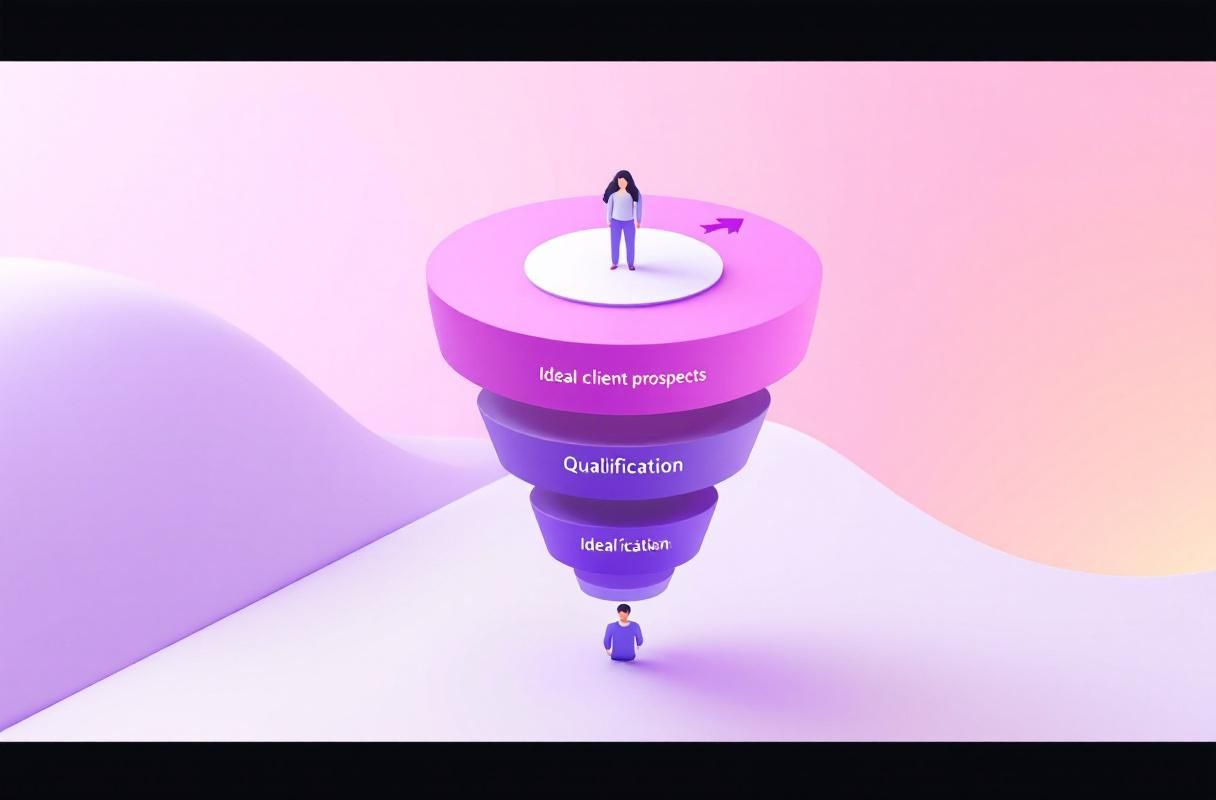
The Pre-Qualification That Happens Before You Speak
Traditional qualification happens in the first sales conversation. Inbound qualification happens before the first conversation ever occurs.
During content consumption:
- They learn your expertise areas (self-qualifying need)
- They see your client types in examples (self-qualifying fit)
- They understand your approach and pricing signals (self-qualifying budget range)
- They determine if your style matches their preferences (self-qualifying culture fit)
During engagement:
- Their questions reveal specific pain points
- Their comments show depth of need
- Their engagement frequency indicates urgency
- Their professional context signals authority
Before reaching out:
- They've decided you can help
- They've determined they can likely afford you
- They've concluded you're someone they'd enjoy working with
- They've chosen you over alternatives they've also researched
By the time an inbound lead sends that first message, they've already answered most qualification questions themselves. They didn't do it through an interrogation—they did it through content consumption and self-assessment.
What Qualification Questions Actually Reveal for Inbound vs. Cold
Let's look at the traditional qualification questions and how they differ based on lead source:
"What problems are you facing?"
Cold lead: Often unclear. They may not have fully articulated their problem. Early in the buying journey. Needs education on why change is necessary.
Inbound lead: Highly specific. They've been reading your content about exactly this problem. They can articulate the challenge precisely because your content helped them name it.
"What solutions have you tried?"
Cold lead: May be evaluating for the first time. Might have tried nothing. Needs convincing that alternatives exist.
Inbound lead: Usually has tried other approaches. Reached out because your content addressed why those approaches failed. Ready for something different.
"Who makes the final decision?"
Cold lead: May be a researcher, not a decision-maker. Could be gathering information for someone else. Authority unclear.
Inbound lead: Often the decision-maker themselves, or directly connected to one. Engaging with professional content typically indicates seniority and authority.
"What's your budget?"
Cold lead: Defensive. Budget may not exist yet. Sees this as a filter question designed to determine if they're "worth" your time.
Inbound lead: More transparent. They've absorbed pricing signals from your content. If they're reaching out, they've likely already concluded they can invest appropriately.
"What's your timeline?"
Cold lead: Vague. "Eventually." "When we find the right solution." No urgency because they didn't initiate the conversation.
Inbound lead: More defined. They reached out now for a reason. Something triggered the decision to move from passive content consumption to active engagement.
The Inbound Qualification Conversation
Instead of the traditional qualification interrogation, inbound conversations focus on confirmation and customization:
Start with Their Initiative
"Thanks for reaching out. What prompted you to connect now?"
This question lets them explain their situation without feeling interrogated. Their answer naturally reveals timing, urgency, and triggering events.
Reference Shared Context
"I noticed you've been engaging with my posts about [topic]. Is that the area you're looking to address?"
This acknowledges the relationship that already exists and invites them to elaborate on specific needs.
Explore Fit, Not Filter
"Based on what you've shared, it sounds like [summary]. Help me understand what success would look like for you."
You're not filtering them out—you're exploring how to serve them best.
Discuss Process, Not Permission
"Here's how I typically work with clients facing this challenge. Does that approach resonate with what you're looking for?"
Inbound leads have already decided to move forward. The conversation is about how, not whether.

The Data: Why Pre-Qualified Leads Convert Better
Conversion rates:
- Cold leads: 1.7% close rate
- Inbound leads: 14.6% close rate
- Improvement: 8-9X higher conversion
Sales cycle length:
- Cold leads: 102 days average
- Inbound leads: 25-40 days average
- Improvement: 60-75% faster
Cost per customer:
- Cold outreach: $8,700 average
- Inbound via LinkedIn: $179 average
- Improvement: 98% lower cost
Qualification time required:
- Cold leads: 30-45 minutes initial qualification
- Inbound leads: 10-15 minutes confirmation
- Improvement: 70% less qualification overhead
These improvements don't come from better qualification questions. They come from leads that don't need traditional qualification.
How ConnectSafely.ai Generates Pre-Qualified Inbound Leads
ConnectSafely.ai transforms LinkedIn into a systematic pre-qualification engine:
Content amplification: Strategic engagement ensures your expertise reaches decision-makers in your target market. Every interaction is a qualification touchpoint.
Authority positioning: Consistent visibility builds the credibility that helps prospects self-qualify fit before reaching out.
Engagement tracking: See who consistently interacts with your content—identifying the repeat engagers most likely to convert.
Platform compliance: Sustainable engagement that LinkedIn rewards, protecting your professional presence while building inbound momentum.
The result: 10-20 qualified inbound leads per month who've already decided you're the right choice—from just USD $10/month compared to thousands spent on cold outreach tools.
Rethinking Your Sales Process for Inbound
If you're generating inbound leads through LinkedIn authority, consider adjusting your sales process:
Shorten Discovery Calls
Inbound leads don't need 60-minute discovery sessions. They've already discovered the problem and your potential solution. Focus on confirming fit and discussing specifics.
Skip Introductory Pitches
They know what you do—your content told them. Start conversations assuming baseline understanding and dive into their specific situation.
Address Objections Proactively
Your content should pre-answer common objections. By the time inbound leads reach out, many objections have already been resolved through content consumption.
Move Faster to Proposals
Inbound leads are further along the buyer's journey. They've self-educated, self-qualified, and self-selected. Don't slow them down with processes designed for cold prospects.
Trust Their Initiative
They reached out. That means something. Trust their judgment about their readiness to buy rather than subjecting them to gatekeeping processes.
Stop interrogating prospects who already want to work with you. Start building the LinkedIn authority that pre-qualifies leads before the first conversation.
Ready to generate pre-qualified inbound leads who skip the qualification gauntlet? Get started with ConnectSafely.ai and discover why inbound leads close faster and convert better.
Frequently Asked Questions
Do I need to qualify inbound leads the same way as cold leads?
Inbound leads pre-qualify themselves through content consumption and engagement before reaching out. They've already determined fit, understood your approach, and validated their interest—answering most qualification questions through self-assessment rather than interrogation. They convert at 14.6% versus cold leads' 1.7%.
How can I grow my LinkedIn without cold outreach automation?
Build strategic inbound authority through consistent valuable engagement in high-value conversations where your prospects already pay attention. Focus on 10-15 thoughtful comments daily on key creators' posts, optimize your profile for conversion, and let prospects discover you naturally through demonstrated expertise.
Is cold outreach still working on LinkedIn in 2026?
No, LinkedIn cold outreach is dying due to 28% decline in response rates and fundamental buyer psychology shifts. Traditional automation creates unqualified cold leads requiring extensive qualification, while inbound engagement attracts pre-qualified prospects.
What LinkedIn features help pre-qualify leads automatically?
Strategic comment engagement, intent-based visibility, and authority-building consistency position you where prospects self-select based on their needs. These features create natural pre-qualification through demonstrated expertise, reducing qualification time by 70% while improving conversion rates 8-9X.
Why don't inbound leads have objections like cold leads do?
Building LinkedIn inbound authority addresses common objections through content before prospects reach out. They arrive already convinced of your expertise, having consumed your insights and decided you're worth connecting with—making objection handling largely unnecessary.
How does ConnectSafely.ai help me skip lead qualification?
ConnectSafely.ai generates leads that skip qualification entirely by automating the authority-building activities that make prospects self-qualify. You spend time closing deals, not filtering uninterested cold contacts. At just from USD $10/month, it delivers pre-qualified inbound leads with zero ban risk.
The Paradox of Over-Qualification: When Filtering Leads to Missed Opportunities
In the pursuit of pre-qualified leads, it's easy to get caught up in the idea that more filtering is better. However, this approach can often lead to over-qualification, where potential customers are inadvertently filtered out due to overly rigid criteria. This can be particularly problematic for businesses that offer complex or innovative solutions, where the customer may not fully understand their own needs or the potential benefits of the product. In such cases, a more nuanced approach to qualification is required, one that balances the need for efficiency with the need for empathy and understanding. By recognizing that customers may not always know what they need, or that their needs may evolve over time, businesses can create a more adaptive and responsive sales process that is better equipped to handle the complexities of real-world customer interactions. It's a delicate balance to strike, but one that can make all the difference in converting potential customers into loyal clients.
Myth vs Reality: The Misconception of Passive Inbound Leads
One of the most pervasive myths in the world of inbound marketing is that leads are somehow passive, waiting to be educated and nurtured through the sales funnel. However, this misconception ignores the fact that many inbound leads are actually highly proactive, having already done extensive research and due diligence before reaching out. In reality, these leads are often highly motivated and ready to move forward, but may be held back by internal constraints or uncertainties that need to be addressed. By recognizing the proactive nature of inbound leads, businesses can shift their approach from one of education and nurturing to one of empowerment and enablement, providing the support and resources needed to help these leads overcome their obstacles and achieve their goals. This requires a fundamental shift in mindset, from seeing leads as passive recipients of information to seeing them as active partners in the sales process.
The Dark Side of Pre-Qualification: When Self-Selection Becomes Self-Exclusion
While pre-qualification can be a powerful tool for streamlining the sales process, it can also have a darker side. When potential customers are encouraged to self-select and self-qualify, there is a risk that they may inadvertently exclude themselves from the sales process due to misconceptions or misunderstandings about their own needs or the product's capabilities. This can be particularly problematic for businesses that offer complex or innovative solutions, where the customer may not fully understand the potential benefits or applications of the product. In such cases, a more proactive approach to qualification is required, one that actively seeks out and engages with potential customers who may be hesitant or unsure about their own needs. By recognizing the potential for self-exclusion, businesses can create a more inclusive and supportive sales process that encourages potential customers to explore their options and consider new possibilities.
Advanced Strategies for Qualification: Using Data and Analytics to Inform the Sales Process
For advanced practitioners, the key to effective qualification lies not in relying on static criteria or rigid frameworks, but in using data and analytics to inform the sales process. By leveraging tools such as lead scoring, customer journey mapping, and predictive analytics, businesses can create a more dynamic and responsive approach to qualification, one that takes into account the unique needs and behaviors of each individual customer. This requires a high degree of technical sophistication, as well as a deep understanding of the underlying data and analytics that drive the sales process. However, the rewards can be significant, enabling businesses to create a more personalized and effective sales experience that is tailored to the specific needs and preferences of each customer. By using data and analytics to inform the sales process, businesses can create a more efficient and effective approach to qualification, one that drives real results and revenue growth.
The Human Factor: Why Empathy and Understanding Are Key to Effective Qualification
In the end, effective qualification is not just about using the right tools or following the right process – it's about understanding the human factor that drives customer behavior. By recognizing that customers are complex and multifaceted individuals, with their own unique needs, motivations, and emotions, businesses can create a more empathetic and supportive sales process that is tailored to the specific needs and preferences of each customer. This requires a deep understanding of human psychology and behavior, as well as a willingness to listen and learn from customers. By putting the human factor at the forefront of the sales process, businesses can create a more personalized and effective approach to qualification, one that drives real results and revenue growth. It's a approach that requires patience, empathy, and understanding, but one that can make all the difference in building strong and lasting relationships with customers.
See How It Works
Watch how people get more LinkedIn leads with ConnectSafely




Related Articles