Why LinkedIn Cold Outreach Is Dying in 2026
Cold LinkedIn outreach response rates dropped 28% in 2024. Learn why traditional automation is failing and the inbound approach generating 14.6% close rates.

LinkedIn cold outreach is dying because response rates dropped 28% in 2024, connection limits fell 85%, and inbound leads now convert at 14.6% versus outbound's 1.7%—an 8.6X improvement. Smart B2B teams are shifting to inbound authority building that attracts pre-qualified prospects instead of chasing cold contacts.
The numbers tell a stark story: cold email reply rates crashed from 7% to 5.1% in just one year. LinkedIn cold outreach fares even worse, with some teams reporting conversion rates as low as 0.5%—meaning they send 200 messages just to book a single call. The age of spray-and-pray prospecting is ending, and the teams clinging to it are watching their pipelines dry up.
Want to Generate Consistent Inbound Leads from LinkedIn?
Get our complete LinkedIn Lead Generation Playbook used by B2B professionals to attract decision-makers without cold outreach.
No spam. Just proven strategies for B2B lead generation.
Key Takeaways
- Cold outreach response rates declined 28%+ and show no signs of recovering
- LinkedIn reduced connection limits by 85% (from 100/day to 100/week)
- LinkedIn's detection systems now flag automated behavior within hours, not weeks
- Inbound leads convert at 14.6% compared to 1.7% for cold outreach (8.6X improvement)
- The buyer psychology shift means trust must be established before first contact
- Strategic visibility through engagement generates higher-quality leads at lower cost
- ConnectSafely.ai enables inbound at scale without the risks of traditional automation
The Cold Outreach Death Spiral Explained
Something broke in B2B sales around 2023, and it hasn't recovered. The culprit isn't a single factor but a perfect storm of buyer behavior changes and platform crackdowns.
Buyer fatigue has reached critical mass. The average LinkedIn user with a senior title receives 15-25 unsolicited pitches per week. They've developed immunity. That connection request with "I noticed we're both in the B2B space" doesn't just get ignored—it gets reported. LinkedIn's data shows "I don't know this person" flags have increased 340% since 2021 on automated connection requests.
Platform detection has evolved dramatically. LinkedIn now employs machine learning models that flag accounts exhibiting automation patterns within hours, not weeks. The tells are subtle but unmistakable: connection requests sent at perfect intervals, identical message structures with swapped variables, activity spikes that no human would produce. One moment you're "scaling outreach," the next your account is restricted.
The math simply doesn't work anymore. Consider the true cost of traditional cold outreach:
| Metric | Cold Outreach | What This Means |
|---|---|---|
| Response rate | 2-10% | 90+ messages per conversation started |
| Conversion to meeting | 0.5-2% | 50-200 messages per meeting |
| Cost per lead | $186 average | Unsustainable unit economics |
| Account restriction risk | 23% within 90 days | Compounding business risk |
Even when cold outreach works, the prospects it generates enter conversations skeptically. They're being sold to. They know it. You know it. The entire dynamic starts adversarial.
What Changed in the Buyer's Psychology
The shift runs deeper than tactics. B2B buying behavior has fundamentally transformed, and most sales strategies haven't caught up.
Buying committees have exploded in size. The average B2B purchase now involves 6.3 decision-makers, up from 3.5 a decade ago. Cold outreach targets individuals; purchases require consensus. Even if your message resonates with one person, they still need to champion your solution to half a dozen colleagues who have never heard of you.
Research happens before contact. By the time a B2B buyer reaches out to a vendor, they've completed 57-70% of their purchasing research independently. They've read reviews, watched videos, lurked in communities, and evaluated options. The sellers who win aren't the ones who reach prospects first—they're the ones who shaped the prospect's research journey.
Trust is established before the first call. Today's buyers want to know who you are before they speak with you. They check your LinkedIn presence, read your content, look for mutual connections, and evaluate your thought leadership and authority. The "cold" in cold outreach is a dealbreaker for a generation of buyers who expect to know something about anyone who enters their inbox.
The Rise of Inbound-First LinkedIn Strategies
While traditional automation tools focused on scaling outreach volume, a different approach emerged: using LinkedIn's algorithm and engagement mechanics to attract prospects rather than chase them.
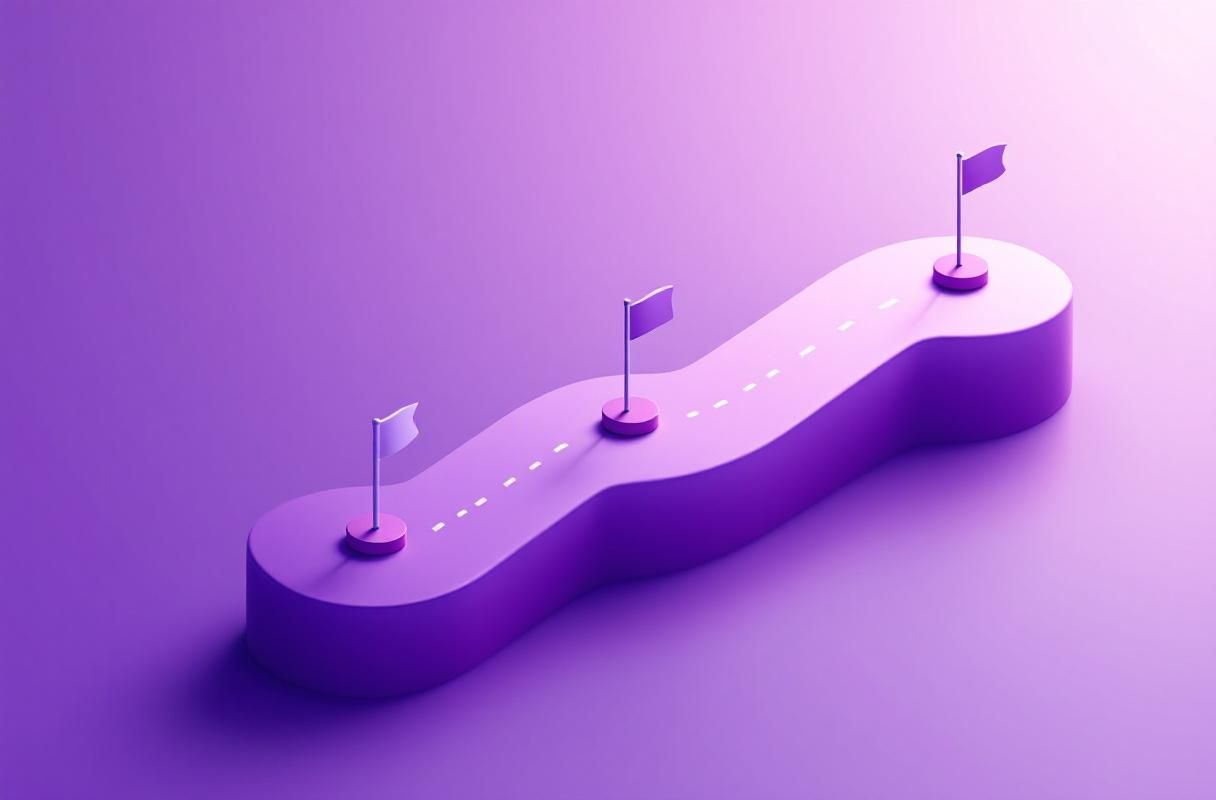
The logic is counterintuitive but sound. LinkedIn's algorithm rewards engagement—posts with quick likes and comments get pushed to broader audiences. Profiles that consistently appear in valuable conversations build recognition. Visibility compounds. Over time, your ideal prospects start recognizing your name, seeing your insights, and warming up to your expertise before you ever reach out.
This creates a fundamentally different dynamic:
Traditional Outbound: "Hi, I'm a stranger who wants something from you."
Inbound Positioning: "Oh, I've seen your posts. I follow your content."
That recognition transforms everything. Response rates jump from single digits to 70%+ in some cases. Close rates improve because prospects arrive pre-sold on your credibility. The sales cycle shortens because trust-building happened before the first call.
How Inbound Lead Generation Actually Works on LinkedIn
Inbound on LinkedIn isn't passive. It's strategic visibility at scale. Here's the mechanics:
Algorithmic visibility comes from early engagement. LinkedIn's algorithm makes decisions about post distribution within the first 60-90 minutes of publication. Posts that receive quick engagement get pushed to larger audiences; posts that don't get buried. Strategic engagement—commenting thoughtfully on relevant posts, amplifying content from your ideal prospects' feeds—triggers algorithmic distribution that puts you in front of thousands.
Comment sections are networking on steroids. When you leave insightful comments on posts from influential creators in your space, you're not just talking to that creator. You're visible to everyone who reads that post—often thousands of highly relevant prospects. One valuable comment generates more qualified visibility than 50 cold connection requests.
Authority builds through consistent presence. Prospects may not remember seeing your name once. But after encountering your insights five times, ten times, twenty times across different posts and conversations? You become familiar. You become trusted. When they need what you offer, you're who they think of.
The compound effect is powerful. Each piece of engagement builds on the last. Your comments surface your profile. Your profile shows your content. Your content attracts followers. Your followers amplify your reach. Over months, this creates a flywheel that generates inbound interest consistently.
The Numbers Behind the Inbound Approach
Teams who've shifted from cold outreach to inbound-first strategies report dramatically different metrics:
| Metric | Cold Outbound | Inbound Approach |
|---|---|---|
| Response rate to initial contact | 2-10% | 70%+ |
| Close rate | 1.7% | 14.6% |
| Cost per qualified lead | $186 | $35 |
| Account restriction risk | 23% | Near-zero |
| Time investment | 10-12 hrs/week | 1-2 hrs/week |
The economics flip entirely. Instead of grinding through hundreds of messages for a handful of conversations, inbound teams attract 10-20 qualified prospects monthly who already want to talk.
Making the Transition Practical
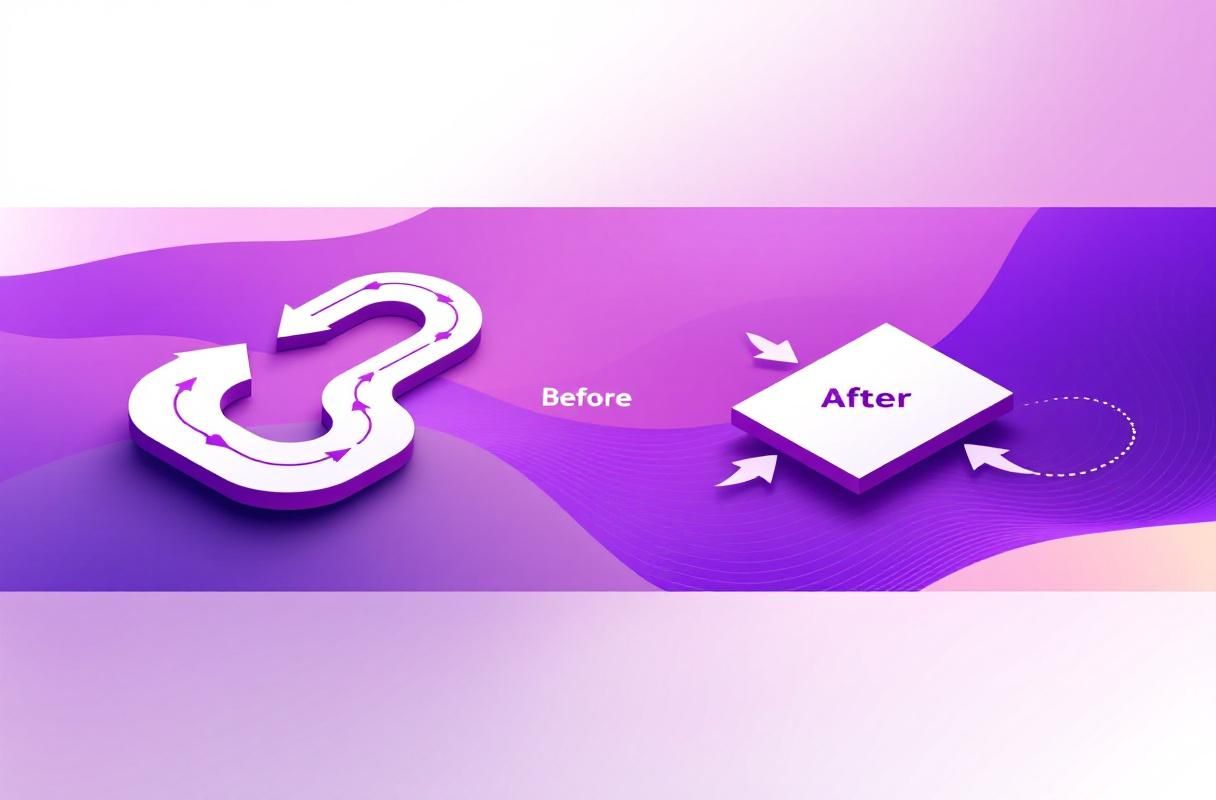
Shifting from outbound to inbound doesn't mean going dark and hoping leads appear. It requires systematic visibility-building:
Step 1: Identify Where Your Prospects Pay Attention
Who are the creators, thought leaders, and publications your ideal customers follow? These are your visibility targets. Engaging consistently in these spaces puts you in front of the right audiences.
Step 2: Develop Engagement That Demonstrates Expertise
Generic comments like "Great post!" do nothing. Comments that add perspective, share relevant experience, or ask thoughtful questions position you as a peer, not a spectator. Each comment is a micro-demonstration of your expertise.
Step 3: Create Content That Attracts Your Ideal Prospects
You don't need to post daily, but consistent content that addresses your prospects' challenges builds authority. Even one or two posts per week compounds significantly over months.
Step 4: Let Recognition Warm Your Outreach
When you do reach out to prospects, you're no longer cold. They've seen your name. They've read your insights. The conversation starts from a position of familiarity rather than suspicion.
Step 5: Scale Through Smart Automation
Manual engagement is time-prohibitive. The teams seeing the best results use tools that automate strategic engagement—commenting on relevant posts, boosting content visibility, targeting creator audiences—without triggering LinkedIn's detection systems.
How ConnectSafely.ai Enables This Approach
ConnectSafely.ai is built specifically for inbound LinkedIn lead generation. Rather than automating cold outreach that risks your account, it automates the visibility-building activities that attract prospects to you:
- Strategic engagement automation that positions you in relevant conversations
- Content boosting that triggers algorithmic distribution
- Creator targeting that builds visibility with your ideal audience
- Platform-compliant methods that LinkedIn rewards rather than restricts
At just from USD $10/month, it's 96% lower cost than traditional automation tools—and generates leads that convert at 8X higher rates.
The New Competitive Advantage
The B2B teams winning in 2026 aren't the ones with the biggest outreach lists or the cleverest email subject lines. They're the ones who understood that being known beats reaching out.
This shift advantages smaller teams dramatically. You don't need enterprise budgets to build LinkedIn presence. You need consistency, strategy, and the discipline to play a longer game than your competitors.
The companies still relying on cold outreach volume are fighting over a shrinking pool of prospects willing to respond. The companies building inbound engines are creating their own pools—audiences of pre-qualified prospects who already trust them before the first conversation.
Cold outreach isn't just declining. It's selecting against itself, training buyers to ignore exactly the tactics that defined B2B sales for the past decade. The future belongs to the companies who stopped chasing and started attracting.
Frequently Asked Questions
Is LinkedIn cold outreach dead?
Yes, cold outreach response rates declined 28% while LinkedIn reduced connection limits by 85% (from 100/day to 100/week). Buyer psychology has shifted—57-70% of purchasing research happens before contacting vendors. Inbound authority building aligns with this shift and delivers 8.6X better conversion rates.
How do I grow LinkedIn without automation?
Build strategic inbound authority through consistent valuable engagement in high-value conversations where your prospects already pay attention. Focus on 10-15 thoughtful comments daily on key creators' posts and strategic visibility that attracts prospects without triggering spam detection.
Why do inbound leads convert better?
Inbound leads pre-qualify themselves through content consumption before reaching out. They arrive pre-educated and pre-qualified, having validated fit, understood your approach, and decided you're worth connecting with—converting at 14.6% versus cold leads' 1.7%.
What LinkedIn inbound features generate the best leads?
The 5 key inbound features include strategic comment engagement, intent-based visibility, authority-building consistency, engagement amplification, and multi-touch inbound sequences. These position you where prospects already pay attention and build recognition before first contact.
Can I use LinkedIn without risking account bans?
Yes, by shifting to platform-native inbound engagement that LinkedIn rewards. ConnectSafely.ai automates strategic commenting and visibility—activities LinkedIn encourages—making ban risks irrelevant while generating higher-quality leads at 96% lower cost.
How long until I see LinkedIn inbound results?
Most professionals see initial profile view increases within 7-10 days, first inbound connection requests within 21-30 days, and consistent lead flow by Month 3. Unlike outbound's immediate (but poor) responses, inbound builds authority that compounds over time—making Month 6 dramatically better than Month 1.
The Dark Side of Inbound: When Authority Building Backfires
While inbound authority building is often touted as a more effective and sustainable approach than cold outreach, it's not without its risks. One of the most significant pitfalls is the potential for over-exposure, where a company's messaging and branding become too ubiquitous, leading to a phenomenon known as "authority fatigue." This occurs when a company's content and thought leadership efforts become so pervasive that they start to feel like noise, rather than signal. As a result, the very audience they're trying to attract begins to tune them out, or worse, develops a negative perception of the company. This can be particularly problematic for companies that rely heavily on inbound leads, as it can lead to a decline in engagement and ultimately, a decrease in conversions. To avoid this, companies must strike a delicate balance between visibility and restraint, ensuring that their messaging is consistent, yet not overwhelming. It's a nuanced approach that requires careful calibration and a deep understanding of their target audience's preferences and pain points.
Myth vs Reality: The Truth About LinkedIn's Algorithm and Inbound Lead Generation
One of the most pervasive myths in the world of LinkedIn marketing is that the platform's algorithm is designed to prioritize paid content over organic content. While it's true that LinkedIn's algorithm does favor content that is engaging and relevant, the notion that paid content automatically receives more visibility is a misconception. In reality, LinkedIn's algorithm is designed to surface content that is most likely to resonate with a user's interests and needs, regardless of whether it's paid or organic. This means that companies that focus on creating high-quality, relevant content that speaks to their target audience's pain points are more likely to see their content surface in search results and feeds, even if they're not paying for promotion. However, this also means that companies that rely solely on paid content may be missing out on opportunities to build meaningful relationships with their audience, as paid content can often feel transactional rather than conversational. By understanding how LinkedIn's algorithm truly works, companies can develop a more effective inbound lead generation strategy that balances paid and organic efforts.
The Advanced Art of LinkedIn Content Mapping: A Strategic Approach to Inbound Lead Generation
For companies looking to take their inbound lead generation efforts to the next level, content mapping is a critical strategy that can help them create a more cohesive and effective content ecosystem. Content mapping involves creating a visual representation of a company's content assets, including blog posts, social media posts, eBooks, and webinars, and mapping them to specific stages of the buyer's journey. By doing so, companies can identify gaps in their content strategy and develop a more intentional approach to creating content that speaks to their target audience's needs at each stage of the journey. This requires a deep understanding of the buyer's journey, as well as the company's own content assets and messaging. When done correctly, content mapping can help companies create a more streamlined and effective inbound lead generation strategy, one that speaks to their target audience's pain points and interests, and ultimately drives more conversions. However, this approach requires a significant amount of planning and resources, making it more suitable for advanced marketers who have already developed a solid foundation in inbound lead generation.
The Unintended Consequences of Over-Optimizing for LinkedIn's Search Algorithm
As companies strive to optimize their content for LinkedIn's search algorithm, they may inadvertently create content that is overly optimized, yet lacking in substance. This can lead to a phenomenon known as "algorithmic myopia," where companies become so focused on gaming the algorithm that they forget to create content that truly resonates with their target audience. As a result, their content may rank highly in search results, but fail to drive meaningful engagement or conversions. This is because LinkedIn's algorithm is designed to surface content that is not only relevant, but also engaging and high-quality. Companies that prioritize optimization over substance may find that their content is ultimately penalized by the algorithm, as it fails to meet the platform's standards for quality and relevance. To avoid this, companies must strike a balance between optimization and substance, creating content that is both relevant to their target audience and optimized for the algorithm. This requires a deep understanding of LinkedIn's algorithm, as well as the company's own content strategy and messaging.
When Inbound Lead Generation Fails: Identifying and Addressing Hidden Barriers to Success
Despite the many benefits of inbound lead generation, there are cases where it simply doesn't work. This can be due to a variety of factors, including a lack of clarity around the company's messaging and value proposition, a poorly defined target audience, or a content strategy that fails to resonate with the company's ideal customer. In some cases, the issue may be more nuanced, such as a company's website or landing pages not being optimized for conversions, or a lack of alignment between the company's sales and marketing teams. To address these issues, companies must conduct a thorough analysis of their inbound lead generation strategy, identifying any hidden barriers to success and developing a plan to address them. This may involve conducting customer research, refining the company's messaging and value proposition, or optimizing the company's website and landing pages for conversions. By taking a more holistic approach to inbound lead generation, companies can identify and address the root causes of their struggles, and ultimately develop a more effective strategy that drives meaningful results.
See How It Works
Watch how people get more LinkedIn leads with ConnectSafely

Related Articles