LinkedIn Inbound Marketing Funnel: Complete Guide for 2026
Build a high-converting LinkedIn inbound marketing funnel that attracts qualified B2B leads. Learn stage-by-stage strategies with proven conversion benchmarks.

Building an effective LinkedIn inbound marketing funnel in 2026 requires understanding how the platform has evolved. According to VWO's funnel conversion research, most B2B sales funnels convert between 3% and 10% overall—but LinkedIn-first funnels consistently outperform these benchmarks when built correctly.
The key difference? Inbound funnels attract pre-qualified prospects who already trust your expertise before entering the conversation.
Key Takeaways
- Multichannel funnels combining email, phone, and LinkedIn increase response rates by 287%
- Average inbound conversion rates range from 1-10% on total website traffic depending on strategy
- LinkedIn-warmed prospects convert at significantly higher rates than cold traffic
- Full-funnel thinking with content at each stage outperforms isolated campaigns
- Lead-to-MQL conversion benchmarks at 25-35%, with inbound leads often exceeding this
Understanding the Inbound Marketing Funnel
Traditional marketing funnels push prospects through stages with increasing pressure. Inbound marketing funnels attract prospects by providing value at each stage, earning permission to continue the conversation.
According to HubSpot's conversion funnel research, the most successful funnels in 2026 are built on the principle of giving before asking.
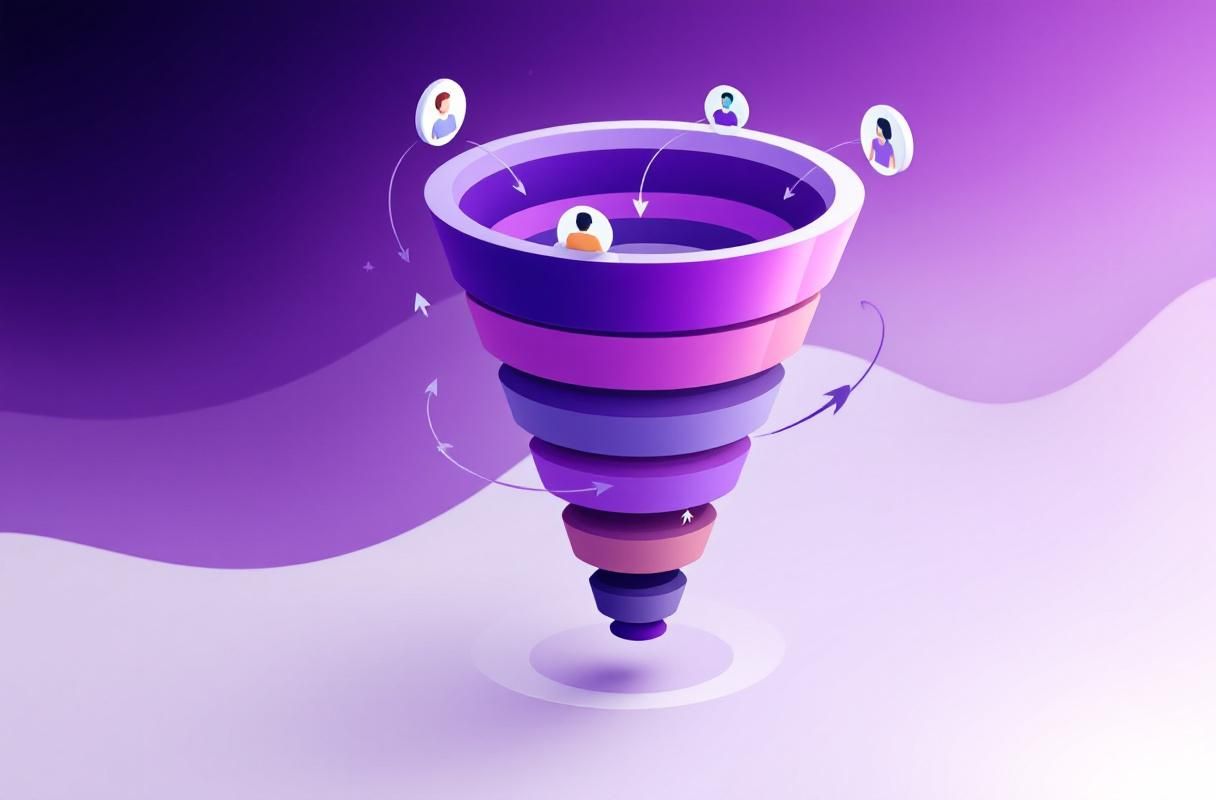
The LinkedIn Inbound Funnel Stages
| Stage | Goal | LinkedIn Activity |
|---|---|---|
| Awareness | Visibility | Content, comments, profile visits |
| Interest | Engagement | Connection, direct engagement |
| Consideration | Education | Value-first messages, resources |
| Intent | Qualification | Discovery conversations |
| Evaluation | Proposal | Custom solutions |
| Purchase | Close | Contract negotiation |
Stage 1: Awareness Through Authority Content
Martal Group's conversion statistics show that B2B social media visitors convert under 1% on average (around 0.9%)—but this low number reflects the reality that social is primarily a top-of-funnel awareness channel.
Want to Generate Consistent Inbound Leads from LinkedIn?
Get our complete LinkedIn Lead Generation Playbook used by B2B professionals to attract decision-makers without cold outreach.
No spam. Just proven strategies for B2B lead generation.
The goal at this stage isn't immediate conversion. It's becoming visible to your ideal prospects.
Building Awareness on LinkedIn
According to Cognism's LinkedIn statistics, companies that post weekly see 2x more engagement than those that don't. Awareness-stage content should:
Demonstrate expertise without selling:
- Industry insights and trend analysis
- Data-driven observations about your market
- Hot takes on relevant news and developments
- Educational content that solves common problems
Expand reach through engagement:
- Comment thoughtfully on prospect posts
- Engage with industry influencers' content
- Share perspectives in relevant LinkedIn groups
- Tag appropriate connections in valuable discussions
Stage 2: Interest Through Strategic Engagement
Once prospects are aware of you, the next stage moves them from passive viewers to active engagers. According to Little Bird Marketing's funnel benchmarks, the visitor-to-lead conversion rate typically ranges from 1-5%.
Earning Interest on LinkedIn
Teknicks' inbound marketing research shows that the average inbound marketing conversion rate ranges from 1-3% on total website traffic—but this increases dramatically when prospects have been pre-warmed through LinkedIn engagement.
Strategies for building interest:
- Respond personally to every comment on your content
- Send connection requests with personalized notes referencing their content
- Offer specific insights relevant to their business
- Share resources without expecting anything in return
Stage 3: Consideration Through Value Delivery
At this stage, prospects are actively evaluating whether you can help them. EngageTech's B2B marketing funnel research shows lead-to-MQL conversion rates typically hit 25-35%.
Nurturing Consideration on LinkedIn
Value-first messaging approach:
- Share case studies relevant to their specific situation
- Offer free assessments or audits
- Provide educational resources without gating
- Invite to low-commitment conversations
Content formats that drive consideration:
- LinkedIn articles demonstrating deep expertise
- Carousel posts breaking down complex topics
- Video content showing your process and personality
- Client success stories with specific results
Stage 4: Intent Through Qualification
Kalungi's B2B SaaS funnel benchmarks show MQL-to-SQL conversion typically ranges from 13-26%. This stage separates genuine opportunities from casual interest.
Identifying Intent Signals on LinkedIn
According to Martal Group's sales statistics, the best indicators of purchase intent include:
- Multiple profile views from the same company
- Consistent engagement with your content over time
- Direct questions about your services in comments or DMs
- Downloading gated resources you've shared
- Requesting connections from multiple stakeholders
Stage 5: Evaluation Through Consultative Selling
SQL-to-opportunity conversion benchmarks at 50-62% according to Powered by Search's funnel analysis. At this stage, prospects are comparing you to alternatives.
Winning the Evaluation on LinkedIn
The inbound advantage: Prospects who came through your inbound funnel already trust your expertise. They've consumed your content, engaged with your posts, and experienced your thought leadership. This dramatically shortens the evaluation phase.
Evaluation-stage tactics:
- Offer discovery calls positioned as consultations, not sales pitches
- Share relevant case studies from similar companies
- Introduce them to existing clients for references
- Provide custom recommendations based on their specific situation
Stage 6: Purchase Through Seamless Conversion
VWO's research shows opportunity-to-close rates typically range from 15-30%, but inbound-generated opportunities often exceed this due to higher trust levels.
Closing Inbound Leads
Why inbound leads close faster:
- Pre-existing trust from content consumption
- Self-qualification through funnel engagement
- Clearer understanding of your value proposition
- Reduced need for objection handling
According to our research, inbound leads convert at 14.6% compared to 1.7% for outbound—an 8-9x improvement that compounds throughout the funnel.
Optimizing Your LinkedIn Inbound Funnel
Benchmark Conversion Rates
Based on industry research, here are target conversion rates for each funnel stage:
| Funnel Transition | Industry Benchmark | Inbound-Optimized Target |
|---|---|---|
| Visitor → Lead | 1-5% | 3-7% |
| Lead → MQL | 25-35% | 35-50% |
| MQL → SQL | 13-26% | 25-40% |
| SQL → Opportunity | 50-62% | 60-75% |
| Opportunity → Close | 15-30% | 25-40% |
The Multichannel Multiplier
According to Martal Group's lead generation statistics, outreach using email, phone, and LinkedIn together increases response rates by 287% compared to single-channel efforts.
Integrating LinkedIn with other channels:
- LinkedIn content builds awareness and trust
- Email nurtures with additional value
- Phone conversations deepen relationships
- LinkedIn engagement maintains visibility throughout
Common LinkedIn Funnel Mistakes to Avoid
Mistake 1: Skipping Stages
Trying to close prospects before they've moved through consideration and evaluation stages dramatically reduces conversion rates. Let prospects progress at their own pace.
Mistake 2: Over-Automating
According to LinkedIn's 2026 algorithm updates, the platform now detects and suppresses artificial engagement tactics. Authentic engagement at each funnel stage outperforms automated approaches.
Mistake 3: Inconsistent Content
Martal Group's statistics show that consistency is critical—companies posting weekly see 2x more engagement. Sporadic posting disrupts funnel flow and reduces visibility.
Mistake 4: Ignoring Analytics
Track conversion rates at each stage to identify bottlenecks. If many leads enter but few convert, your consideration-stage content may need improvement.
How ConnectSafely.ai Powers Your LinkedIn Funnel
ConnectSafely.ai is designed specifically to optimize each stage of the LinkedIn inbound funnel:
Awareness stage:
- AI-powered commenting positions you as an industry expert on relevant posts
- Keyword targeting ensures visibility with your ideal prospects
- Creator targeting builds relationships with industry influencers
Interest stage:
- Strategic engagement warms prospects before connection
- Consistent presence keeps you top-of-mind
- Platform-compliant activity that LinkedIn rewards
Consideration stage:
- Post boosting maximizes visibility of your best content
- Authority building through sustained engagement
- Authentic interactions that convert viewers to leads
Throughout the funnel:
- Zero ban risk with compliant strategies
- from USD $10/month vs. $500+ for risky automation tools
- Inbound leads that convert at 14.6% vs. 1.7% for outbound
Getting Started with Your LinkedIn Inbound Funnel
Building an effective LinkedIn inbound funnel takes time but delivers compounding returns. Start with these steps:
- Audit your current LinkedIn presence - Is your profile optimized to convert at each funnel stage?
- Map your content to funnel stages - Are you creating awareness, consideration, and decision-stage content?
- Establish engagement rhythms - Consistent daily engagement drives funnel flow
- Track funnel metrics - Measure conversion rates at each stage to identify improvements
- Optimize for inbound - Focus on attracting rather than chasing prospects
Frequently Asked Questions
What is a LinkedIn inbound marketing funnel?
A LinkedIn inbound marketing funnel is a systematic approach to attracting and converting B2B leads through valuable content and authentic engagement on LinkedIn. Unlike outbound funnels that push messages to cold prospects, inbound funnels attract pre-qualified prospects who already trust your expertise from consuming your content.
What are good conversion rates for a LinkedIn marketing funnel?
According to industry benchmarks, typical B2B funnel conversion rates are: Visitor to Lead (1-5%), Lead to MQL (25-35%), MQL to SQL (13-26%), SQL to Opportunity (50-62%), and Opportunity to Close (15-30%). Inbound-optimized funnels often exceed these benchmarks by 30-50%.
How long does it take to build an effective LinkedIn inbound funnel?
Building an effective LinkedIn inbound funnel typically takes 3-6 months of consistent effort. According to Martal Group's research, companies that post weekly see 2x more engagement, but meaningful lead flow usually begins after establishing consistent presence and authority.
Is LinkedIn better than email for B2B lead generation funnels?
LinkedIn and email work best together. According to Martal Group's statistics, multichannel outreach using email, phone, and LinkedIn increases response rates by 287% compared to single-channel efforts. Use LinkedIn for awareness and consideration, then integrate email for nurturing.
How does ConnectSafely.ai help with LinkedIn funnel optimization?
ConnectSafely.ai automates the awareness and interest stages of your LinkedIn funnel through AI-powered commenting and strategic engagement. This positions you as an industry expert, warms prospects before conversations, and generates inbound leads from USD $10/month—without the ban risks of traditional automation.
Ready to build a LinkedIn inbound funnel that attracts qualified leads? Start your free trial and experience the difference between chasing prospects and attracting them.
The Dark Side of LinkedIn Inbound Marketing: When Personalization Backfires
While personalization is often touted as a key element of successful LinkedIn inbound marketing, there are situations where it can actually backfire. Overly personalized messages can come across as insincere or even creepy, especially if the recipient doesn't know the sender. This is particularly true in cases where the sender has clearly used automated tools to scrape the recipient's profile and insert their name, company, or other details into a generic message. In these cases, the recipient may feel like they're being targeted by a robot, rather than having a genuine conversation with a human being. Furthermore, personalization can also be problematic when it's based on incomplete or inaccurate data. For example, if a sender assumes a recipient's job title or industry based on their profile, but that information is outdated or incorrect, the message may come across as tone-deaf or irrelevant. To avoid these pitfalls, it's essential to strike a balance between personalization and authenticity, and to always prioritize the recipient's privacy and boundaries.
Myth vs Reality: The Truth About LinkedIn Inbound Marketing Conversion Rates
One of the most common myths about LinkedIn inbound marketing is that it's a guaranteed way to generate high-quality leads with sky-high conversion rates. While it's true that LinkedIn can be a highly effective platform for B2B marketing, the reality is that conversion rates vary widely depending on a range of factors, including the quality of the content, the relevance of the targeting, and the effectiveness of the follow-up strategy. In fact, many companies that excel at LinkedIn inbound marketing report conversion rates that are only marginally higher than those achieved through other channels. The key difference is not the conversion rate itself, but rather the quality and relevance of the leads generated. By focusing on building trust and authority with their target audience, rather than simply chasing conversions, marketers can create a more sustainable and effective inbound marketing strategy that drives long-term results.
Advanced LinkedIn Inbound Marketing: Using Account-Based Marketing to Target High-Value Accounts
For experienced marketers looking to take their LinkedIn inbound marketing strategy to the next level, account-based marketing (ABM) offers a powerful way to target high-value accounts and decision-makers. By using LinkedIn's advanced targeting capabilities, marketers can identify and engage with specific companies and individuals that align with their ideal customer profile. This approach requires a deep understanding of the target account's needs, pain points, and buying behavior, as well as the ability to create highly personalized and relevant content that speaks directly to those needs. One of the key benefits of ABM is that it allows marketers to focus on a smaller, more targeted universe of accounts, rather than trying to reach a broader audience with a more generic message. By doing so, marketers can build stronger relationships with their target accounts, and ultimately drive more conversions and revenue.
The Role of Employee Advocacy in LinkedIn Inbound Marketing: When Employees Become Brand Ambassadors
While many companies focus on building their brand presence on LinkedIn, few recognize the potential of employee advocacy as a key element of their inbound marketing strategy. By empowering employees to share company content, news, and updates with their own networks, marketers can tap into a vast and highly engaged audience that is already predisposed to trust and support the brand. However, employee advocacy is not without its challenges. For example, companies must ensure that employees are equipped with the right training and resources to effectively represent the brand, and that they are incentivized to participate in advocacy efforts. Additionally, companies must also be mindful of the potential risks associated with employee advocacy, such as the potential for employees to share conflicting or inaccurate information. By navigating these challenges and creating a structured employee advocacy program, marketers can unlock the full potential of their employees as brand ambassadors, and drive significant increases in engagement, reach, and conversions.
Navigating the Gray Areas of LinkedIn Inbound Marketing: When Best Practices Conflict with Business Objectives
One of the most significant challenges facing LinkedIn inbound marketers is navigating the gray areas where best practices conflict with business objectives. For example, while it's generally recommended to prioritize quality over quantity when it comes to lead generation, businesses may face pressure to meet aggressive sales targets or demonstrate rapid ROI. In these cases, marketers may be tempted to sacrifice quality for quantity, or to prioritize short-term gains over long-term sustainability. However, this approach can ultimately backfire, leading to a surge in unqualified leads, decreased conversion rates, and a damaged reputation. To navigate these gray areas, marketers must be able to think critically and strategically, weighing the potential trade-offs between different approaches and prioritizing those that align with the company's overall goals and values. By doing so, marketers can create a LinkedIn inbound marketing strategy that is both effective and sustainable, and that drives long-term results for the business.
See How It Works
Watch how people get more LinkedIn leads with ConnectSafely




Related Articles