LinkedIn Lead Generation Strategy: Inbound Playbook 2026
LinkedIn converts 3x better than Facebook for B2B leads. Learn the complete inbound strategy that generates 10-20 qualified prospects monthly.


The most effective LinkedIn lead generation strategy in 2026 is inbound authority building—creating content and engagement that makes qualified prospects come to you. According to Cognism's LinkedIn statistics, LinkedIn now hosts over 1.2 billion users globally, with the platform converting 3x better than Facebook for B2B leads. The strategies that worked in 2023 have evolved. Here's what actually generates leads now.
Key Takeaways
- LinkedIn has 310+ million monthly active users including 65 million decision-makers and 10 million C-suite executives
- The algorithm now prioritizes dwell time and comments over likes and shares—substance beats superficiality
- PDF carousels are the highest-performing format in 2026, followed by short-form video under 30 seconds
- Posts with external links see 60% less reach—keep traffic on LinkedIn to maximize visibility
- Employee-generated content reaches 561% further than company page posts in 2026's algorithm
- Inbound leads convert at 14.6% compared to outbound's 1.7%, fundamentally changing lead generation economics
Why Most LinkedIn Lead Generation Fails
Before diving into what works, understand why most strategies fail.
According to Agorapulse's algorithm research, LinkedIn's algorithm is specifically designed to prevent content from going viral. The platform prioritizes filling users' feeds with relevant professional advice and expertise—not promotional content or engagement-bait.
Common failures:
- Sales-focused content: Posts that read like ads get suppressed
- Engagement pods: LinkedIn now detects and penalizes artificial engagement patterns
- External link sharing: Links to outside websites reduce reach by 60%
- Cold connection blasting: High-volume outreach triggers account restrictions
- Generic automation: Bot-like behavior gets flagged and restricted
The algorithm has become sophisticated at identifying inauthentic behavior. According to GrowLeads' research, single-image posts now underperform text-only content by 30%, reversing 2024-2025 patterns. What worked last year may hurt you now.
Want to Generate Consistent Inbound Leads from LinkedIn?
Get our complete LinkedIn Lead Generation Playbook used by B2B professionals to attract decision-makers without cold outreach.
No spam. Just proven strategies for B2B lead generation.
The 2026 LinkedIn Algorithm Explained
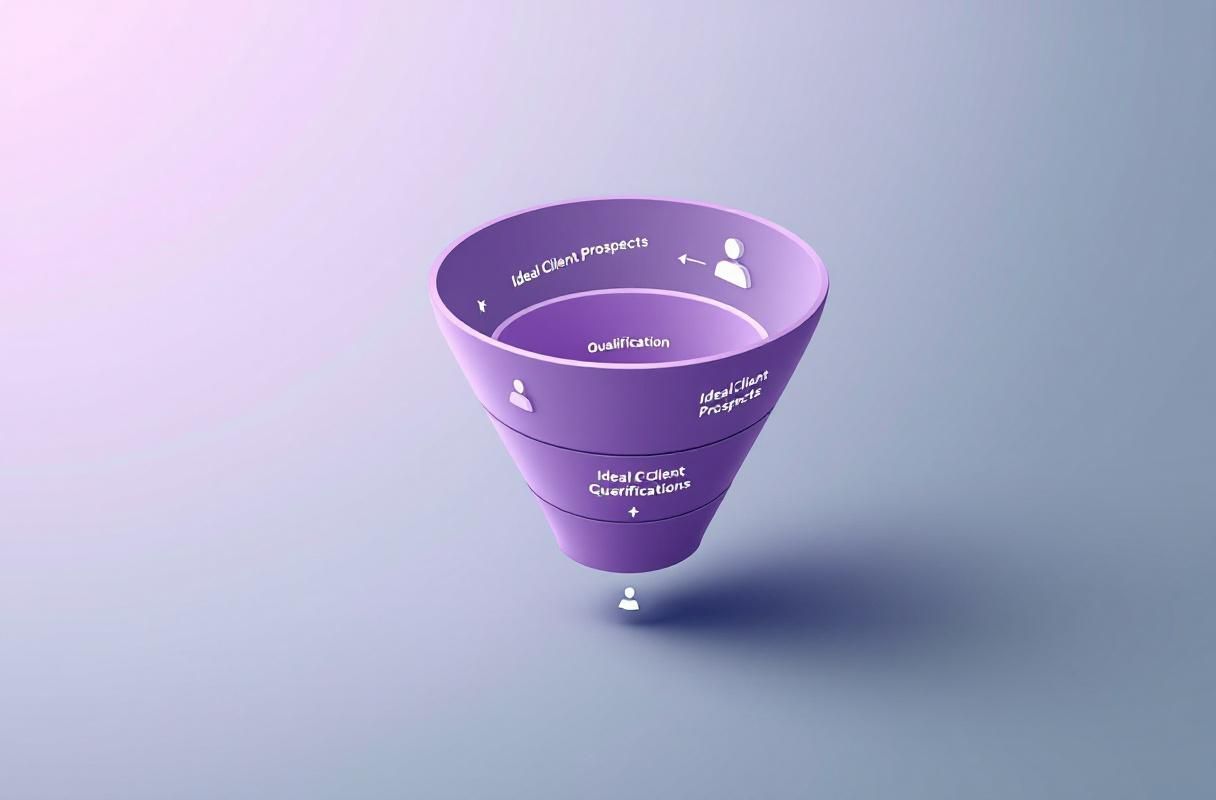
Understanding how LinkedIn ranks content is essential for any lead generation strategy.
The Three-Stage Distribution Model
According to Hootsuite's comprehensive algorithm guide, every post goes through three stages:
Stage 1: Quality Filtering LinkedIn's AI evaluates your post for spam signals, low-quality content, and policy violations. Posts that pass move to testing.
Stage 2: Small-Audience Testing Your post is shown to a small sample (2-5%) of your connections. According to Sprout Social, early engagement in the first 60-90 minutes determines whether your post expands.
Stage 3: Broader Distribution If initial engagement is strong, LinkedIn gradually expands reach. Poor early performance means the post dies without broader distribution.
Key Ranking Factors in 2026
According to SocialBee's algorithm analysis, these factors determine ranking:
| Factor | Weight | Description |
|---|---|---|
| Dwell Time | High | How long users spend reading your content |
| Comments | Highest | Genuine conversations in comments |
| Relevance | High | Match between content and audience interests |
| Creator Credibility | Medium | Your topic consistency and profile strength |
| Network Relationship | Medium | Strength of connection with viewers |
Critical insight: Comments now outweigh all other engagement signals. According to River Blog's testing, posts with 50 comments outperform posts with 500 likes. Focus on sparking conversation, not collecting reactions.
What Hurts Your Reach
According to Speedwork's 2026 update:
- External links: 60% reach reduction
- Engagement bait: "Like this if you agree!" gets penalized
- Excessive hashtags: More than 3-5 hashtags hurt performance
- Off-topic posting: Inconsistent topic focus reduces credibility scoring
- Editing after posting: Major edits can reset distribution
The Inbound Authority Lead Generation Framework
Here's the complete strategy for generating qualified leads through LinkedIn authority:
Pillar 1: Profile Optimization for Conversion
Your profile is your landing page. Every element should convert visitors into leads.
Headline optimization: Don't just list your title. Communicate the outcome you deliver.
- Weak: "CEO at ABC Consulting"
- Strong: "Helping B2B SaaS Companies Add $2M+ ARR Through LinkedIn Inbound | CEO at ABC Consulting"
Summary structure: According to OneIMS, your summary should follow this pattern:
- Hook addressing target client's biggest pain
- Your unique approach to solving it
- Proof (credentials, results, testimonials)
- Clear call to action
Featured section: Use this prime real estate for:
- Lead magnets
- Case studies
- Signature content pieces
- Direct booking links
Pillar 2: Content That Demonstrates Expertise
Content is how you build authority at scale. But not all content performs equally.
Top-performing formats in 2026:
According to Martal Group's LinkedIn statistics:
| Format | Performance | Best Use Case |
|---|---|---|
| PDF Carousels | Highest | Processes, frameworks, guides |
| Short Video (<30s) | Very High | Personal stories, quick tips |
| Text-Only Posts | High | Insights, questions, stories |
| Polls | Moderate | Engagement, market research |
| Single Images | Lower | Infographics, quotes |
Content themes that attract leads:
- Problem articulation: Describe challenges your ideal clients face
- Process documentation: Show your methodology
- Result sharing: Case studies and outcomes (anonymized if needed)
- Perspective pieces: Your take on industry trends
- Question posts: Spark discussion with thought-provoking questions
Critical: Avoid promotional content. According to B2B Growth Co, brands that thrive create genuine value, not promotional broadcasts.
Pillar 3: Strategic Engagement for Visibility

Creating content isn't enough. Strategic engagement builds visibility where your prospects spend attention.
The engagement routine:
Spend 20-30 minutes daily on targeted engagement:
- Identify 10-15 posts from ideal clients or industry influencers
- Leave substantive comments that add value (not "Great post!")
- Respond to replies to build conversation threads
- Save high-engagement posts to revisit later
According to SocialBee, comments are 2-3x more likely to push posts into 2nd and 3rd-degree connection feeds. Your thoughtful comment on a prospect's post puts you in front of their entire network.
Comment frameworks:
- Add context: Share a related experience or data point
- Ask thoughtful questions: Show genuine curiosity
- Offer counter-perspectives: Respectful disagreement stands out
- Tag relevant connections: Bring others into valuable discussions
Pillar 4: Relationship Nurturing at Scale
Engagement builds visibility. Relationship nurturing converts visibility into leads.
The nurture sequence:
- Engage consistently with target prospects' content
- Send connection request after 3-5 meaningful interactions
- Send value-first message after connection (no pitch)
- Continue engaging with their content
- Soft ask when relationship is warm
According to Expandi's cost analysis, inbound leads through LinkedIn cost $150-400 compared to $300-900+ for cold outreach. But more importantly, these leads convert at 8-9x higher rates because trust is pre-established.
Measuring LinkedIn Lead Generation Success
Track these metrics to optimize your strategy:
Content Performance Metrics
| Metric | Target | Why It Matters |
|---|---|---|
| Dwell Time | High | Indicates content quality |
| Comment Rate | 2-5% | Shows audience engagement |
| Profile Visits | Growing | Interest in you, not just content |
| Connection Requests | Growing | Authority attracting people |
Lead Generation Metrics
| Metric | Benchmark | Notes |
|---|---|---|
| Inbound Connections/Week | 10-20 | From target audience |
| Conversations Started | 5-10/week | Beyond initial connection |
| Discovery Calls | 2-5/month | Warm conversations |
| Conversion Rate | 14.6% | Inbound benchmark |
Authority Metrics
- Follower growth rate
- Content reach trends
- Engagement quality (comments vs likes)
- Mention frequency by others
Common LinkedIn Lead Generation Mistakes
Mistake 1: Prioritizing Quantity Over Quality
Blasting connection requests and posting daily without strategy damages your authority. LinkedIn's algorithm detects and penalizes high-volume, low-quality behavior.
Instead: Focus on fewer, higher-quality interactions. One thoughtful comment beats ten generic ones.
Mistake 2: Selling in DMs Immediately
The connection message is not your sales pitch. According to Sales Focus, aggressive immediate selling destroys relationships before they form.
Instead: Lead with value. Share something relevant. Ask questions. Build relationship before any ask.
Mistake 3: Ignoring the Algorithm
Posting content without understanding how LinkedIn distributes it wastes effort. The platform's rules have changed significantly.
Instead: Follow algorithm best practices. Post when your audience is active. Avoid external links. Focus on generating comments.
Mistake 4: Inconsistent Activity
Sporadic posting and engagement fails to build momentum. According to Team Maia, consistency compounds authority over time.
Instead: Commit to a sustainable rhythm. Better to post 3x weekly consistently than daily for a week then nothing.
Mistake 5: Ignoring Employee Advocacy
Company pages reach a fraction of personal profiles. According to River Blog's testing, employee reshares reach 561% further than company page posts.
Instead: Empower team members to share company content through their personal profiles. CEO content generates 4x more engagement than average posts.
The 90-Day LinkedIn Lead Generation Roadmap
Days 1-30: Foundation
Week 1-2:
- Optimize profile for conversion
- Identify 50 ideal client profiles
- Begin daily engagement routine
Week 3-4:
- Start posting 2-3x weekly
- Refine content based on early performance
- Build commenting consistency
Days 31-60: Momentum
Week 5-6:
- Increase posting to 3-4x weekly
- Expand engagement to 20+ comments daily
- Start sending connection requests to engaged prospects
Week 7-8:
- Analyze top-performing content themes
- Double down on what works
- Begin conversation nurturing
Days 61-90: Conversion
Week 9-10:
- Refine content strategy based on data
- Implement systematic follow-up
- Track lead quality and conversion
Week 11-12:
- Optimize based on full-cycle data
- Scale what's working
- Establish sustainable rhythm
How ConnectSafely.ai Accelerates Lead Generation
Building LinkedIn authority manually requires significant time investment. ConnectSafely.ai automates the engagement and visibility components while you focus on relationship building:
- Automated commenting on relevant posts from your target audience
- Content visibility boosting to expand reach within algorithm guidelines
- Engagement tracking to identify warm prospects ready for conversation
Starting from USD $10/month, it's a fraction of what agencies charge—and unlike cold outreach tools, it generates zero account restriction risk because it automates what LinkedIn rewards rather than penalizes.
Frequently Asked Questions
What is the best LinkedIn lead generation strategy for 2026?
Inbound authority building through content creation, strategic engagement, and relationship nurturing. According to First Page Sage, inbound leads convert at 14.6% vs 1.7% for outbound, making authority-based strategies dramatically more effective.
How long does LinkedIn lead generation take to show results?
Expect 30-60 days to see initial traction and 90 days for consistent lead flow. According to Little Bird Marketing, cost per lead drops 80% after 5 months of consistent inbound marketing as authority compounds.
Is LinkedIn better than cold email for B2B leads?
For most B2B companies, yes. LinkedIn converts 3x better than Facebook for B2B leads, and according to Cognism, 80% of B2B leads now originate from the platform. The decision-maker concentration is unmatched.
How often should I post on LinkedIn for lead generation?
3-5 times per week is optimal for most users. According to Hootsuite, consistency matters more than frequency—sustainable posting beats sporadic bursts.
What content type generates the most LinkedIn leads?
PDF carousels perform highest in 2026, followed by short-form video under 30 seconds. According to GrowLeads, these formats maximize dwell time, the algorithm's primary quality signal.
Ready to implement a LinkedIn lead generation strategy that actually works? Start with ConnectSafely.ai and begin attracting qualified prospects through authentic authority building.
The Paradox of Personalization: When Tailoring Content Too Closely to Your Audience Backfires
While personalization is often touted as a key to successful LinkedIn lead generation, there's a lesser-known paradox that can occur when tailoring content too closely to your audience. When you hyper-target your content to resonate with a specific group, you may inadvertently create a sense of exclusivity that alienates potential leads who don't identify with that particular niche. This can result in a self-reinforcing echo chamber, where your content only resonates with those who already agree with you, rather than attracting new perspectives and leads. Furthermore, over-personalization can also lead to a lack of diversity in your content, causing it to become stale and uninteresting to your existing audience. It's essential to strike a balance between personalization and broader appeal, ensuring that your content remains relevant and engaging to a wide range of potential leads. By acknowledging this paradox, you can avoid the pitfalls of over-personalization and create a more inclusive, diverse content strategy that attracts a wider range of leads.
Myth vs Reality: Debunking the Notion that LinkedIn Lead Generation is a Numbers Game
A common misconception in LinkedIn lead generation is that it's a numbers game – the more connections you have, the more content you post, and the more outreach you do, the more leads you'll generate. However, this approach often leads to burnout, decreased engagement, and a reputation as a spammer. The reality is that LinkedIn lead generation is a quality-over-quantity game. It's not about having thousands of connections or posting daily, but about building meaningful relationships, creating high-quality content that resonates with your audience, and engaging with others in a genuine, personalized way. By focusing on quality over quantity, you can build a strong reputation, establish yourself as a thought leader, and attract high-quality leads that are more likely to convert. This requires a fundamental shift in mindset, from chasing vanity metrics to focusing on meaningful interactions and relationships.
Advanced-Level: Leveraging LinkedIn's Hidden Features to Supercharge Your Lead Generation
For experienced LinkedIn marketers, there are several hidden features that can be leveraged to supercharge lead generation efforts. One such feature is LinkedIn's "Content Suggestions" tool, which provides personalized content recommendations based on your audience's engagement patterns. By using this tool, you can identify gaps in your content strategy and create content that is more likely to resonate with your audience. Another hidden feature is LinkedIn's "Audience Insights" tool, which provides detailed information about your audience's demographics, interests, and behaviors. By analyzing this data, you can refine your targeting, create more effective content, and improve your overall lead generation strategy. Additionally, LinkedIn's "Poll" feature can be used to engage with your audience, spark conversations, and gather valuable feedback that can be used to inform your content strategy. By leveraging these hidden features, you can gain a competitive edge, stay ahead of the curve, and maximize your lead generation efforts.
The Dark Side of Employee-Generated Content: When Authenticity Backfires
While employee-generated content (EGC) is often touted as a key to successful LinkedIn lead generation, there's a lesser-known dark side to consider. When employees are encouraged to create content without proper guidance, training, or oversight, it can lead to a lack of consistency, quality, and brand alignment. This can result in a fragmented brand image, confused messaging, and a lack of trust among potential leads. Furthermore, EGC can also be used to air grievances, share confidential information, or post inflammatory content that can damage the company's reputation. It's essential to establish clear guidelines, provide training and support, and ensure that all EGC aligns with the company's overall brand strategy and messaging. By acknowledging the potential risks and challenges associated with EGC, you can mitigate the negative consequences and create a successful, authentic content strategy that showcases your company's expertise and values.
Navigating the Gray Areas of LinkedIn's Terms of Service: When Common Advice Can Get You Restricted
For experienced LinkedIn marketers, navigating the gray areas of LinkedIn's Terms of Service (TOS) can be a minefield. While common advice may suggest using certain tactics to grow your audience or increase engagement, these tactics can often be misinterpreted or violate LinkedIn's TOS. For example, using automation tools to send connection requests or messages may be seen as spamming, while participating in engagement pods can be viewed as artificial engagement. It's essential to carefully review LinkedIn's TOS, understand the nuances of what is and isn't allowed, and ensure that your lead generation strategy complies with the platform's rules. By being aware of the potential pitfalls and taking a cautious approach, you can avoid account restrictions, reputational damage, and other negative consequences that can derail your lead generation efforts. Additionally, it's crucial to stay up-to-date with LinkedIn's evolving TOS and adjust your strategy accordingly to ensure long-term success and compliance.
See How It Works
Watch how people get more LinkedIn leads with ConnectSafely




Related Articles