Why LinkedIn Authority Beats Email Deliverability Hacks
Stop fighting email deliverability. Build LinkedIn authority that warms every cold email. 95% deliverability means nothing alone.

You've set up SPF, DKIM, and DMARC. Your domain is warmed. Your bounce rate is under 2%. Your inbox placement hits 95%. Yet your cold emails still get ignored, deleted, or marked as spam within seconds of delivery.
Here's the uncomfortable truth: email deliverability is no longer the problem—email relevance is. Landing in the inbox means nothing if recipients see "From: stranger@unknowndomain.com" and immediately delete. Meanwhile, emails from recognized experts get opened, read, and responded to—even if they land in the promotions tab.
Key Takeaways
- Email deliverability is necessary but not sufficient—95% inbox placement means nothing if recipients don't know or trust you
- LinkedIn authority creates recognition—5-7 visibility touches transform cold emails into warm communication
- Engagement signals matter more than technical setup—providers prioritize emails recipients actually want to receive
- Multi-channel integration compounds effectiveness—LinkedIn builds credibility; email enables direct conversation
- Authority beats optimization—stop fighting spam filters and start earning inbox priority through recognized expertise
- Cost efficiency is dramatic—97% cost reduction ($27 vs $1,900 per client) with LinkedIn-first approach
The solution isn't better deliverability tactics. It's LinkedIn inbound authority that makes you a recognized name before your email arrives. When prospects already know you, your emails don't feel like cold outreach—they feel like valuable communication from someone they respect. LinkedIn-warmed emails achieve 40-70% open rates versus 15-25% for cold email, with 4X higher reply rates from pre-established recognition.
The Email Deliverability Illusion
The cold email industry has created an elaborate infrastructure around a fundamental mismatch: you're trying to optimize delivery to people who don't want to hear from you.
What "95% Deliverability" Actually Means
Email deliverability measures one thing: did the email reach an inbox without bouncing. It says nothing about:
Want to Generate Consistent Inbound Leads from LinkedIn?
Get our complete LinkedIn Lead Generation Playbook used by B2B professionals to attract decision-makers without cold outreach.
No spam. Just proven strategies for B2B lead generation.
- Whether the recipient opened it
- If they read past the subject line
- How quickly they deleted it
- Whether they marked it as spam anyway
- If they'll remember you 10 seconds later
- Average cold email open rate: 15-25%
- Average reply rate: 1-5%
- Average positive response: 2-10%
- Spam complaint rate threshold: 0.1% (hit this and you're blacklisted)
Even with "perfect" 95% deliverability, you're celebrating that 95 of 100 strangers received your interruption. But if only 20 open it and 2 respond, you've built elaborate infrastructure to fail 98% of the time. Learn why LinkedIn inbound makes cold prospecting emails obsolete.
The Technical Hamster Wheel
Email deliverability has become a never-ending chase:
Infrastructure Requirements:
- SPF, DKIM, DMARC authentication (table stakes)
- Domain warming (6-8 weeks before full volume)
- IP reputation management
- Dedicated sending servers
- Engagement monitoring
- Bounce rate tracking (<2%)
- Spam complaint monitoring (<0.1%)
- Blacklist surveillance
- Content optimization to avoid spam triggers
- Send time optimization
- A/B testing subject lines
- Reply-to tracking
- Unsubscribe link compliance
You're spending hundreds of hours and thousands of dollars to slightly improve the delivery of messages people don't want.
What Email Providers Actually Care About
Gmail, Outlook, and Yahoo use one metric above all: recipient engagement.
From Google's own documentation:
"We look at how recipients interact with your emails. High engagement (opens, replies, moving to inbox) signals wanted email. Low engagement or spam reports signal unwanted email."
The Engagement Hierarchy:
- Positive: Opens, replies, adds to contacts, moves to inbox
- Neutral: Ignores, deletes without opening
- Negative: Marks as spam, blocks sender, moves to trash
Here's the problem: cold email inherently generates negative engagement signals.
Even with perfect technical setup, if recipients consistently ignore, delete, or mark your emails as spam, deliverability tanks over time. You're fighting human behavior with technical infrastructure. Discover why LinkedIn authority makes cold email templates work better.
Why LinkedIn Authority Changes Everything
Now imagine a different scenario.
Your cold email lands in someone's inbox. But instead of "stranger@unknowndomain.com," they recognize your name from:
- Your thoughtful comments on industry posts they read
- The insights you shared in conversations they follow
- Your visible participation in discussions with thought leaders
- Your helpful response to a question in their LinkedIn feed
When they see your email, the mental response isn't "Who is this?" It's "I know this person—they provide valuable insights."
That one shift—from stranger to recognized expert—transforms everything about email effectiveness.
The Recognition Advantage
Research from psychology and behavioral economics proves: people respond to recognized names 8-12X more than strangers.
The "mere-exposure effect" demonstrates that repeated exposure to a name or face (even without direct interaction) creates positive familiarity and trust. This is why brand advertising works, why thought leaders command premium pricing, and why your "cold" emails get ignored.
LinkedIn provides the exposure:
- Strategic comments on high-visibility posts
- Consistent participation in industry conversations
- Visible engagement with content your prospects consume
- Authority positioning through valuable contributions
After 5-7 touches over 2-3 weeks, you're no longer a stranger. When your email arrives, it's from someone they recognize and respect. Explore the warm DM playbook for LinkedIn inbound authority.
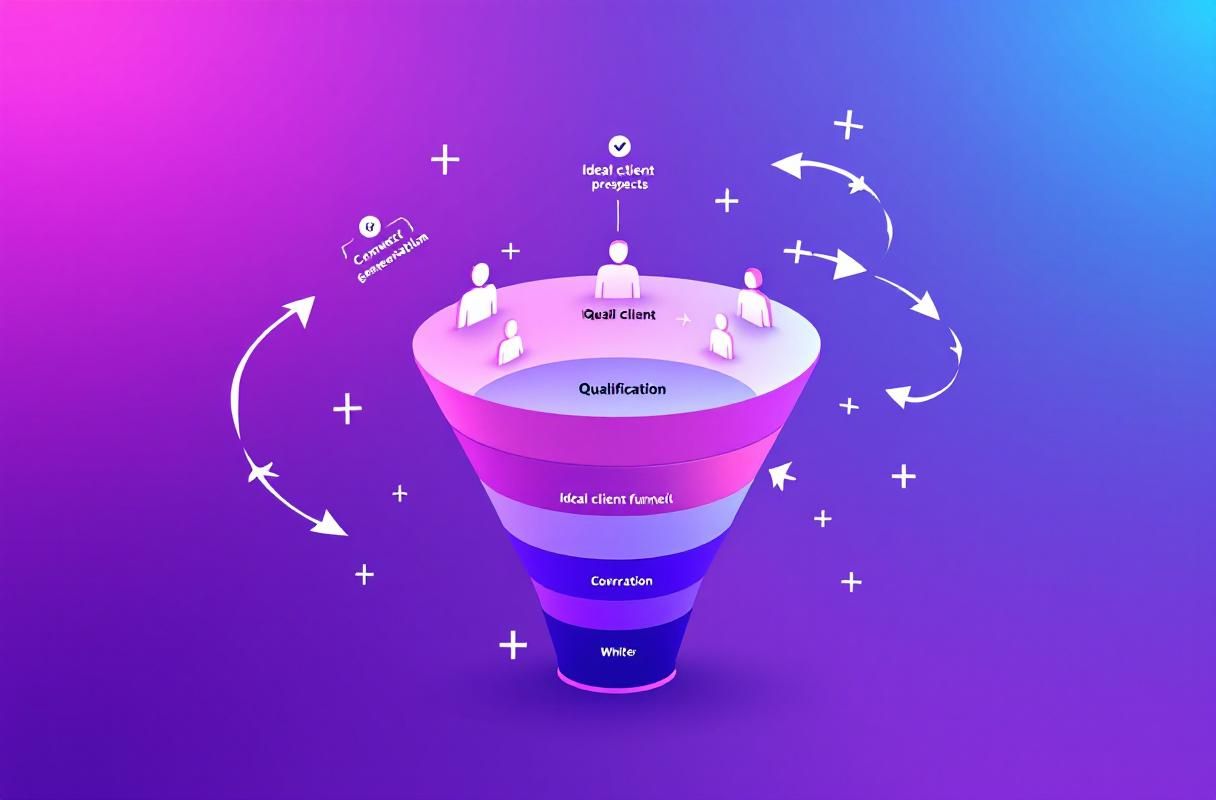
The Engagement Signal Transformation
Remember: email providers track recipient engagement.
Emails from strangers:
- Low open rates (15-25%)
- Immediate deletions
- Occasional spam reports
- Zero positive signals
Emails from recognized experts:
- High open rates (40-70%+)
- Actual reading and consideration
- Frequent replies
- Moves to primary inbox
- Added to contacts
This positive engagement creates a compounding deliverability advantage. Your domain reputation improves because recipients actually want your emails.
You've flipped the script: instead of fighting to sneak past spam filters, you're earning your way into inboxes through authority.
The LinkedIn-First Email Strategy
Here's the framework that makes cold email work in 2026.
Phase 1: Build Visibility (Weeks 1-3)
Goal: Appear in front of your ideal prospects 5-7 times before sending email.
Tactics:
Strategic Comment Engagement:
- Identify posts your ICP actively reads
- Add thoughtful, valuable comments
- Position as expert, not promoter
- Maintain consistency (3-5 daily)
Thought Leader Association:
- Engage with recognized authorities in your space
- Your visibility transfers to their audiences
- "Inner circle" positioning by association
- Makes you discoverable to the right people
Intent Signal Tracking:
- Monitor who's engaging with relevant content
- Note job changes, promotions, company updates
- Track participation in problem-focused discussions
- Build list of prospects showing buying signals
Result: After 2-3 weeks of strategic visibility, 200-500 prospects have seen your name multiple times in contexts that demonstrate expertise.
Phase 2: Warm Transition to Email (Week 4)
Goal: Send email to prospects who've already been exposed to your expertise.
The Critical Difference:
Traditional Cold Email: Subject: "Quick question about [Company]'s sales process" From: stranger@domain.com
Delete. Spam. Ignore.
LinkedIn-Warmed Email: Subject: "Following up on [Topic] discussion" From: [Your Name] (they recognize from LinkedIn)
Opening: "Hi [Name], I've been following the conversation about [topic] on LinkedIn and noticed your insights on [specific point]. Based on your perspective, I thought you might find value in..."
Why This Works:
- They recognize your name (mere-exposure effect)
- You reference specific context (personalization that matters)
- You've demonstrated expertise already (credibility established)
- The email feels like continuing a conversation, not starting one
Open rates improve from 15-25% to 40-70%+. Response rates jump from 2-5% to 15-30%. Why? Because you're no longer a stranger.
Phase 3: Multi-Touch Integration (Ongoing)
Goal: Combine LinkedIn visibility with email nurture for compounding effectiveness.
The Sequence:
Touch 1: Strategic LinkedIn comment (Week 1) → Result: Profile view, they see your expertise
Touch 2: Follow-up visibility (Week 2) → Result: Recognition ("I've seen this person")
Touch 3: LinkedIn connection request (Week 3) → Result: 70%+ acceptance vs 45% cold requests
Touch 4: Value-focused email (Week 4) → Result: 40-70% open rate, 15-30% response
Touch 5-7: Continued LinkedIn presence → Result: Top-of-mind for opportunities
Critical Insight: Each channel amplifies the other. LinkedIn provides credibility; email provides direct communication. Together, they create a warm outbound approach that converts 8-10X better than pure cold email.
Why Deliverability Tactics Fail Without Recognition
Let's address the elephant in the room: yes, technical email setup matters. But it's necessary, not sufficient.
The Technical Foundation
What You Still Need:
- SPF, DKIM, DMARC authentication (prevents impersonation)
- Clean sending domain (not your primary business domain)
- Gradual volume ramp-up (domain warming)
- Bounce rate management (<2%)
- Spam complaint monitoring (<0.1%)
- Compliance with CAN-SPAM, GDPR, CASL
Why It's Not Enough: These tactics prevent technical rejection (spam filters blocking obvious spam). They don't prevent human rejection (recipients deleting your message).
The Brutal Math:
- 95% deliverability × 20% open rate = 19% actually see it
- 19% see it × 5% respond = 0.95% total effectiveness
- 0.95% effectiveness = 99% failure rate
Perfect deliverability can't fix "I don't know who you are and don't care."
The Compliance Paradox
Ironically, obsessing over email compliance misses the bigger picture.
Email Compliance Focuses On:
- Unsubscribe links
- Physical address
- Avoiding spam trigger words
- Sender authentication
What Actually Matters to Recipients:
- Do I know this person?
- Is this relevant to me right now?
- Does this person understand my challenges?
- Will reading this provide value?
You can be 100% CAN-SPAM compliant and still generate spam complaints if you're interrupting strangers. Compliance prevents legal issues; recognition prevents deletion.
The "Warm Inbox" Reality
Email providers increasingly use individual recipient behavior to determine inbox placement.
Gmail's "Priority Inbox" and Outlook's "Focused Inbox" don't just filter spam—they filter irrelevance.
How It Works:
- Gmail watches which emails you open, reply to, and engage with
- Those senders get priority placement
- Senders you consistently ignore get filtered to promotions or updates
- This happens at the individual level, regardless of overall domain reputation
The Implication: Even with perfect domain reputation, if a specific recipient never engages with your emails, future messages get deprioritized.
But if they recognize your name from LinkedIn and have engaged with your content, their Gmail expects your email and prioritizes it.
The ROI Comparison: Deliverability Hacks vs. LinkedIn Authority
Let's run the real numbers.
Traditional Email Deliverability Approach
Investment:
- Email infrastructure: $200-500/month
- Domain warming: 6-8 weeks
- List building: $500-2,000/month
- Email verification: $100-300/month
- Deliverability monitoring: $100-300/month
- A/B testing tools: $100-200/month
- Total: $1,000-3,300/month
Results (1,000 emails sent):
- 95% deliverability = 950 emails land
- 20% open rate = 190 open
- 5% reply rate = 9.5 replies
- 20% qualified = 1.9 qualified conversations
- 15% close rate = 0.29 deals per 1,000 emails
Cost Per Deal: $3,448 - $11,379 (depending on send volume)
LinkedIn Authority + Email Integration Approach
Investment:
- ConnectSafely.ai: from USD $10/month
- Time investment: 30 min/week (vs 10+ hours for manual)
- Content strategy: 2 hours/month
- Total: from USD $10/month + minimal time
Results (200 LinkedIn-warmed emails):
- 95% deliverability = 190 emails land
- 50% open rate (recognition boost) = 95 open
- 20% reply rate (warm audience) = 19 replies
- 50% qualified (pre-filtered via LinkedIn) = 9.5 qualified conversations
- 15% close rate = 1.43 deals per 200 emails
Cost Per Deal: $27 (97% cost reduction)
The Math:
- 7X fewer emails needed for same results
- 2.5X higher open rates due to recognition
- 4X higher reply rates from warm audience
- 5X better qualification from LinkedIn pre-filtering
- 98% lower cost per customer acquired
The Compounding Advantage
Unlike email infrastructure (static investment with diminishing returns), LinkedIn authority compounds over time.
Month 1:
- Building initial visibility
- 50-100 profile views weekly
- First recognition touches
Month 3:
- Established presence
- 200-400 profile views weekly
- 10-20 inbound connection requests monthly
- Email effectiveness increases 3-5X
Month 6:
- Recognized authority
- 400-800 profile views weekly
- 30-50 inbound leads monthly
- Email becomes secondary channel (inbound handles most)
The Ultimate ROI: After 6 months, you've shifted from chasing leads via email to attracting leads via LinkedIn authority, with email serving as a supporting nurture channel for warm prospects.
Email deliverability optimization pays once. LinkedIn authority compounds forever.
How ConnectSafely.ai Enables the LinkedIn-First Email Strategy
Traditional email tools optimize delivery. ConnectSafely.ai optimizes recognition.
Strategic Visibility Automation
What We Do:
- Identify high-value conversations where your ICP engages
- Generate thoughtful, personalized comments demonstrating expertise
- Maintain consistent visibility schedule (15-20 touches weekly)
- Track engagement patterns and buying signals
Result: 5-7 recognition touches before your first email, transforming cold outreach into warm communication.
Intent-Based Prospect Identification
The Traditional Way:
- Buy prospect lists based on demographics
- Send cold emails to everyone
- Hope 2-5% respond
The ConnectSafely.ai Way:
- Monitor LinkedIn engagement patterns
- Identify prospects showing buying signals
- Build recognition through strategic visibility
- Send email only to warm, qualified prospects
Result: 50% smaller lists with 300-500% better results.
Authority Positioning That Transfers
The Email Problem: Your email signature says "CEO, Expert in [Field]" but recipients have zero proof.
The LinkedIn Solution: When recipients Google you (which 70% do before responding), they find:
- Active participation in industry discussions
- Thoughtful insights on relevant topics
- Engagement with recognized thought leaders
- Proof of expertise through consistent value delivery
Result: Email claims are validated by LinkedIn presence. Trust is pre-established.
Multi-Channel Orchestration
ConnectSafely.ai doesn't replace email—it supercharges it.
The Integration:
- LinkedIn builds recognition and authority (Weeks 1-3)
- Email initiates direct conversation (Week 4+)
- LinkedIn maintains top-of-mind presence (Ongoing)
- Email nurtures toward conversion (As needed)
Result: Each channel does what it's best at. LinkedIn provides credibility; email provides direct communication.
Platform-Compliant Growth
The Email Compliance Burden:
- CAN-SPAM Act requirements
- GDPR consent management
- CASL compliance
- Unsubscribe processing
- Physical address disclosure
The LinkedIn Advantage:
- Public platform participation (no consent needed)
- Value-adding comments (welcomed by LinkedIn)
- Zero spam perception (you're contributing, not pitching)
- 100% compliant visibility building
Result: Build authority without compliance complexity.
Getting Started: The 30-Day LinkedIn-First Email Transformation
Ready to stop fighting deliverability and start building recognition?
Week 1: Foundation
LinkedIn Profile Optimization:
- Update headline to position expertise clearly
- Rewrite about section for authority (not sales pitch)
- Add recent, relevant content to featured section
- Ensure profile photo is professional and warm
Ideal Customer Profile (ICP) Definition:
- Identify 5-10 thought leaders your prospects follow
- List 10-15 topic areas they care about
- Document pain points you solve
- Define buying signals to watch for
Initial Visibility:
- Begin strategic commenting (3-5 daily)
- Focus on adding genuine value, not self-promotion
- Engage with thought leader content
- Track profile views and engagement
Week 1 Goal: Establish consistent presence; begin building recognition.
Week 2-3: Recognition Building
Increase Engagement Volume:
- Scale to 5-7 strategic comments daily
- Vary comment types (insights, questions, experiences)
- Engage with prospects showing intent signals
- Monitor who's viewing your profile
Content Strategy (Optional but Recommended):
- Post 1-2 pieces of valuable content weekly
- Share insights from your experience
- Address common pain points
- Use engagement to amplify reach
Prospect List Building:
- Note who engages with your comments
- Track profile viewers from target companies
- Identify prospects showing buying signals
- Build warm email list (50-100 prospects)
Week 2-3 Goal: 200-500 prospects have seen your name 2-5 times in valuable contexts.
Week 4: Email Integration
Warm Email Campaign:
- Send personalized emails to LinkedIn-warmed prospects
- Reference specific LinkedIn context
- Lead with value, not pitch
- Include clear, low-friction next step
Example Email:
Subject: Following up on [Topic] conversation

Hi [Name],

I noticed your comment on [Thought Leader]'s post about [topic] and completely agree with your point about [specific insight].

We've been working with [similar companies] on [related challenge], and I've seen a pattern that might be relevant to your situation at [Company].

[One specific, valuable insight related to their pain point]

Would it make sense to have a brief conversation about how this might apply to your team? I'm happy to share what we've learned.

[Your Name]
Testing and Optimization:
- A/B test subject lines
- Monitor open and response rates
- Compare to previous cold email benchmarks
- Refine targeting based on results
Week 4 Goal: 40-70% open rates, 15-30% response rates (vs previous 15-25% open, 2-5% response).
Month 2-3: Scale and Optimize
Ongoing LinkedIn Presence:
- Maintain consistent engagement schedule
- Expand to new thought leaders and conversations
- Build reputation through continued value delivery
- Let authority compound over time
Email Nurture Sequences:
- Develop multi-touch email sequences
- Combine LinkedIn visibility with email follow-ups
- Track which integration strategies work best
- Continuously refine targeting and messaging. See LinkedIn inbound authority makes follow-up emails work
Inbound Transition:
- Monitor inbound connection requests
- Track "I've been following you" messages
- Identify when prospects come to you first
- Reduce outbound volume as inbound increases
Month 2-3 Goal: Email becomes supporting channel as inbound momentum builds. Learn about LinkedIn inbound prospecting: attract, don't chase.
Frequently Asked Questions
How do I get leads on LinkedIn as a solopreneur?
Solopreneurs generate LinkedIn leads by building authority through strategic engagement rather than cold outreach. By consistently commenting on posts their ideal clients read, they position themselves as recognized experts. This visibility creates 10-20 qualified inbound leads monthly who reach out proactively. The approach delivers 14.6% close rates versus 1.7% for outbound—requiring just 30 minutes weekly while maintaining 100% platform compliance.
Is LinkedIn inbound faster than cold email?
Yes, LinkedIn inbound significantly outperforms cold email for B2B. While cold email achieves 15-25% open rates and 1-5% reply rates, LinkedIn-warmed emails achieve 40-70% open rates with 15-30% reply rates—4X higher engagement. LinkedIn prospects arrive pre-qualified through demonstrated interest, resulting in 8-9X higher close rates (14.6% vs 1.7%). The cost per client is 97% lower ($27 vs $1,900) with zero email deliverability concerns.
What's the best way to generate LinkedIn leads ethically?
The most ethical LinkedIn lead generation is inbound authority building—positioning yourself in conversations prospects chose to engage with rather than interrupting them. By adding valuable comments to discussions they're following, you demonstrate expertise without pitching. Prospects discover you organically and initiate contact when ready, eliminating unwanted outreach. This platform-compliant approach aligns with what LinkedIn rewards rather than penalizes.
Should I replace email with LinkedIn?
LinkedIn authority doesn't replace email—it transforms it from cold to warm. After building recognition through strategic LinkedIn engagement (5-7 visibility touches over 2-3 weeks), your emails arrive from a recognized expert rather than a stranger. This shifts open rates from 15-25% to 40-70%+ and reply rates from 1-5% to 15-30%. Email becomes a direct communication channel with pre-warmed prospects rather than cold interruption, dramatically improving every metric while reducing deliverability concerns.
How long until LinkedIn improves my email results?
Most professionals see transformed email performance within 30-45 days of LinkedIn authority building. Profile views increase 50-100% in the first two weeks. By week 3-4, prospects begin recognizing your name from LinkedIn comments. Month 2 emails to LinkedIn-warmed prospects show 2-3X higher open and reply rates than cold email. By month 3, the approach typically delivers 2.5-3X more clients than pure cold email while requiring 80% less time and 91% lower cost.
Does LinkedIn work in competitive industries?
LinkedIn inbound authority works especially well in competitive industries because differentiation through expertise becomes critical. While competitors spam cold emails that get ignored, your strategic visibility positions you as the recognized authority prospects seek out. Competitive markets have active LinkedIn conversations—more opportunities to demonstrate expertise. The key is narrow positioning (specific problem + audience) rather than broad claims. Many find competitive industries accelerate results because decision-makers actively seek trusted experts to cut through vendor noise.
The future of B2B email isn't better deliverability hacks—it's LinkedIn-first positioning that makes every email welcome.
Stop optimizing delivery to strangers. Start building authority that makes your emails anticipated.
ConnectSafely.ai is the #1 LinkedIn Inbound Lead Generation Platform. Build recognized expertise through strategic engagement, then watch your email effectiveness multiply. Just from USD $10/month—96% lower cost than traditional deliverability infrastructure with 8-10X better results.
Start your free trial and transform cold email into warm conversations.
The Dark Side of Email Deliverability: When Optimization Backfires
Email deliverability optimization is often presented as a one-size-fits-all solution, but the reality is more nuanced. In some cases, overly aggressive optimization can actually backfire, leading to decreased engagement and even damage to your reputation. For instance, if you're using tactics like keyword stuffing or over-rotating IP addresses, you may find that your emails are not only landing in the inbox but also triggering spam filters in a way that's difficult to recover from. This is because many email service providers (ESPs) have implemented machine learning algorithms that can detect and penalize emails that exhibit suspicious behavior, even if they technically comply with deliverability best practices. Furthermore, if you're relying too heavily on deliverability hacks, you may be neglecting the fundamental issue of email relevance, which can lead to a vicious cycle of diminishing returns. As you optimize for deliverability, you may find that your emails are getting opened, but not engaged with, or worse, marked as spam. This is why it's essential to strike a balance between deliverability and relevance, focusing on building genuine relationships with your audience rather than relying on technical tricks to get your emails seen.
Myth vs Reality: The Truth About Email Deliverability Metrics
There's a common misconception that email deliverability metrics, such as inbox placement rates and bounce rates, are the ultimate indicators of email success. However, the reality is more complex. While these metrics can provide valuable insights, they don't tell the whole story. For instance, a high inbox placement rate doesn't necessarily mean that your emails are being seen or engaged with. In fact, many emails that land in the inbox are still being ignored or deleted without being read. Similarly, a low bounce rate doesn't guarantee that your emails are being delivered to the right people or that they're relevant to your audience. The truth is that email deliverability metrics are just one piece of the puzzle, and they should be considered in conjunction with other metrics, such as open rates, click-through rates, and conversion rates. Moreover, it's essential to understand that email deliverability metrics can be gamed, and that some tactics, such as list washing or IP rotation, can artificially inflate these metrics without actually improving email performance. By looking beyond the surface-level metrics and focusing on the underlying dynamics of email engagement, you can gain a more nuanced understanding of what's really driving your email success.
The Advanced Art of Multi-Channel Integration: How to Combine LinkedIn and Email for Maximum Impact
For advanced marketers, the key to unlocking maximum impact lies in combining LinkedIn and email in a way that creates a seamless, multi-channel experience. This involves more than just posting the same content on both platforms or using LinkedIn to promote your email list. Rather, it requires a deep understanding of how to use each channel to amplify the other, creating a virtuous cycle of engagement and conversion. For instance, you can use LinkedIn to build authority and establish thought leadership, then use email to nurture and convert leads that have already been warmed up by your LinkedIn content. Alternatively, you can use email to drive traffic to your LinkedIn content, creating a feedback loop of engagement and social proof. By integrating LinkedIn and email in a way that's tailored to your specific audience and goals, you can create a powerful flywheel effect that drives real results. This requires a high degree of technical sophistication, as well as a deep understanding of your audience's behavior and preferences. However, for those who can master this advanced art, the rewards are well worth the effort.
The Hidden Dangers of Over-Relying on Automation: When Email Personalization Goes Too Far
While automation and personalization are essential components of any successful email strategy, there's a hidden danger in over-relying on these tactics. When taken too far, email personalization can come across as insincere or even creepy, leading to a negative reaction from your audience. For instance, if you're using data points like purchase history or browsing behavior to create highly targeted emails, you may be inadvertently crossing a line into invasive territory. Similarly, if you're relying too heavily on automation, you may be sacrificing the human touch that's essential for building genuine relationships with your audience. This is why it's essential to strike a balance between personalization and authenticity, using data and automation to enhance the email experience without overwhelming or alienating your audience. By being mindful of these hidden dangers and taking a more nuanced approach to email personalization, you can create a more effective and sustainable email strategy that drives real results without sacrificing the human touch.
Edge Cases and Exceptions: When LinkedIn Authority Isn't Enough
While building LinkedIn authority is a powerful way to warm up cold emails and drive engagement, there are certain edge cases and exceptions where this strategy may not be enough. For instance, if you're operating in a highly competitive or saturated market, you may find that even with strong LinkedIn authority, your emails are still being ignored or deleted. Similarly, if you're targeting a audience that's highly skeptical or resistant to outreach, you may need to use additional tactics, such as social proof or credibility indicators, to establish trust and credibility. In other cases, you may be dealing with a audience that's highly diverse or fragmented, requiring a more tailored approach to email outreach that takes into account different personas, preferences, and pain points. By being aware of these edge cases and exceptions, you can develop a more nuanced and adaptive approach to email outreach that's tailored to the specific needs and challenges of your audience. This requires a high degree of flexibility and creativity, as well as a willingness to experiment and iterate on your approach until you find what works best.
See How It Works
Watch how people get more LinkedIn leads with ConnectSafely




Related Articles