AI Marketing Operations: LinkedIn Inbound Workflow
AI marketing operations transform LinkedIn from manual effort to scalable inbound workflows that attract qualified B2B leads consistently.

AI marketing operations transform LinkedIn from time-intensive manual effort into scalable inbound workflows that attract qualified leads consistently. According to McKinsey's 2025 State of AI report, 78% of organizations now use AI in at least one business function. For LinkedIn, the highest-ROI application isn't automating outreach—it's building operational workflows that scale authority and attract prospects. Research shows every dollar spent on marketing automation sees an average ROI of $5.44 in the first three years.
Key Takeaways
- Marketing automation delivers 544% ROI in the first three years when applied correctly
- AI operations scale what works—authority building, engagement, and visibility
- Manual LinkedIn presence requires 2-3 hours daily; AI workflows reduce this to minutes
- Inbound leads convert at 14.6% versus 1.7% for outbound
- Operations focus shifts from doing to orchestrating—AI handles execution
- ConnectSafely.ai provides operational infrastructure for LinkedIn inbound from USD $10/month
What Are AI Marketing Operations?
AI marketing operations combine artificial intelligence with systematic processes to execute marketing activities at scale. Unlike simple automation that follows fixed rules, AI operations:
Want to Generate Consistent Inbound Leads from LinkedIn?
Get our complete LinkedIn Lead Generation Playbook used by B2B professionals to attract decision-makers without cold outreach.
No spam. Just proven strategies for B2B lead generation.
- Adapt to performance data: Adjust tactics based on what's working
- Make decisions within parameters: Choose optimal timing, format, and targeting
- Scale human judgment: Apply your strategy consistently without constant supervision
- Learn and improve: Get better over time as data accumulates
For LinkedIn, this means transforming sporadic manual effort into consistent, scalable authority building.
The LinkedIn Operations Challenge
Building LinkedIn authority manually requires significant daily investment:
| Activity | Manual Time Required | Frequency Needed |
|---|---|---|
| Content creation | 30-60 minutes | 3-5x per week |
| Strategic commenting | 30-45 minutes | Daily |
| Engagement responses | 15-30 minutes | Daily |
| Connection management | 15-20 minutes | Daily |
| Lead tracking | 20-30 minutes | Daily |
| Total | 2-3 hours | Daily |
Most professionals can't sustain this alongside client work and other responsibilities. The result: inconsistent presence that fails to build the authority that attracts leads.
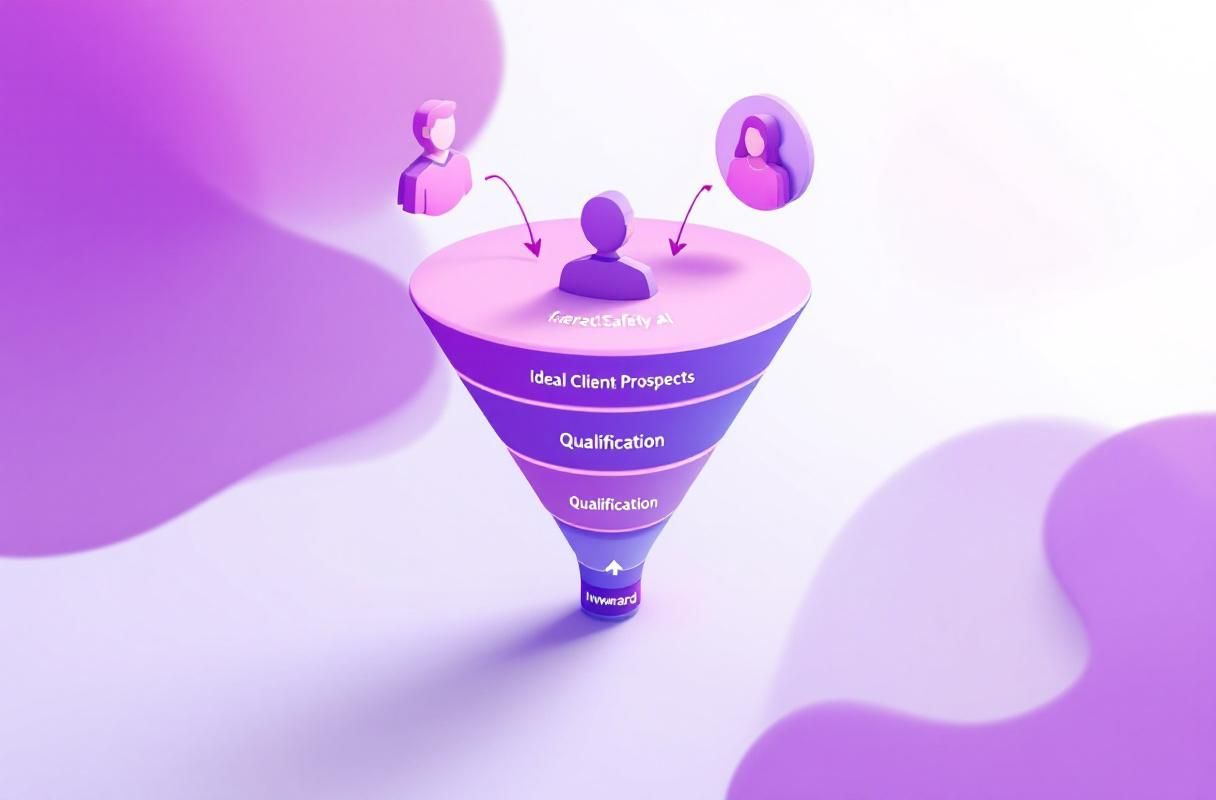
AI-Powered Inbound Workflow Architecture
Layer 1: Content Operations
AI systems handle content creation and distribution:
Content Generation
- Topic identification based on audience interest signals
- Draft creation aligned with your voice and expertise
- Format recommendations (carousel, video, text) based on topic
- Hashtag and keyword optimization
Content Scheduling
- Optimal timing based on audience activity patterns
- Consistent cadence without manual calendar management
- Performance-based adjustments to posting strategy
- Cross-platform coordination if relevant
Layer 2: Engagement Operations
AI maintains consistent visibility through strategic engagement:
Comment Management
- Identification of high-value posts to engage with
- Substantive comment generation (not "Great post!")
- Voice matching to maintain authenticity
- Timing optimization for maximum visibility
Response Handling
- Comment response on your content
- Conversation continuation with engaged prospects
- Escalation flags for high-intent interactions
- Relationship nurturing sequences
Layer 3: Intelligence Operations
AI tracks and analyzes engagement for lead identification:
Signal Tracking
- Profile view monitoring with ICP matching
- Engagement pattern analysis across your content
- Intent signal identification
- Buying cycle correlation
Lead Scoring
- Recency and frequency weighting
- Engagement depth analysis
- Fit scoring against ideal customer profile
- Prioritization for human follow-up
Layer 4: Conversion Operations
AI enables warm outreach when signals warrant:
Trigger-Based Sequences
- Automated follow-up when engagement thresholds cross
- Personalized messaging based on engagement history
- Multi-touch nurturing for high-value prospects
- Handoff protocols for sales-ready leads
Building Your LinkedIn Operations Stack
Step 1: Define Success Metrics
Before implementing AI operations, clarify what success looks like:
Authority Metrics
- Profile views per week
- Content engagement rates
- Search appearances
- Follower growth rate
Lead Metrics
- Inbound connection requests
- Message conversations initiated
- Qualified lead volume
- Conversion to opportunity
Revenue Metrics
- Opportunities from LinkedIn
- Close rate on inbound leads
- Revenue attributed to LinkedIn
- Customer acquisition cost
Step 2: Map Your Current State
Document existing LinkedIn activities:
- What are you doing manually today?
- Where do you spend the most time?
- What activities drive the best results?
- What falls through the cracks?
Step 3: Identify Automation Opportunities
Prioritize AI operations by impact and feasibility:
High Impact, High Feasibility
- Content scheduling and timing optimization
- Engagement tracking and signal identification
- Performance analytics and reporting
High Impact, Medium Feasibility
- Strategic commenting at scale
- Lead scoring and prioritization
- Trigger-based follow-up sequences
Medium Impact, Lower Feasibility
- Original content generation
- Complex conversation handling
- Nuanced relationship development
Step 4: Implement in Layers
Don't try to automate everything at once:
- Start with visibility: Scheduling and engagement tracking
- Add intelligence: Signal tracking and lead scoring
- Enable scale: AI-assisted engagement and commenting
- Optimize conversion: Trigger sequences and handoffs

The ROI of AI Marketing Operations
All About AI's marketing statistics show AI-driven marketing delivers significant returns:
- 22% higher ROI versus traditional methods
- 41% revenue increase reported by implementing organizations
- 32% reduction in customer acquisition costs
- 544% ROI from marketing automation over three years
Applied specifically to LinkedIn inbound:
| Metric | Manual Approach | AI Operations |
|---|---|---|
| Time investment | 2-3 hours/day | 20-30 min/day |
| Consistency | Sporadic | Daily |
| Engagement reach | Limited | Expanded |
| Lead identification | Manual review | Automated signals |
| Close rate | Varies | 14.6% (inbound) |
Common Operations Mistakes to Avoid
Mistake 1: Automating Outreach Instead of Authority
The most common error: using AI to send more cold messages faster. This violates LinkedIn terms, generates poor results, and risks account restrictions.
Correct approach: Use AI to build the authority that makes outreach unnecessary.
Mistake 2: Optimizing for Vanity Metrics
Likes and follower counts don't pay bills. Operations should optimize for:
- Qualified profile views
- Engagement from ICP matches
- Inbound conversations
- Revenue attribution
Mistake 3: Removing Human Judgment Entirely
AI operations scale human judgment—they don't replace it. Maintain human involvement in:
- Strategy definition
- Voice and tone guidelines
- High-stakes conversations
- Relationship development
Mistake 4: Set and Forget
AI operations require ongoing optimization:
- Regular performance reviews
- Strategy adjustments based on data
- Voice guideline refinements
- Escalation threshold tuning
The ConnectSafely.ai Operations Platform
ConnectSafely.ai provides the operational infrastructure for LinkedIn inbound:
- Content operations: AI-optimized scheduling and format recommendations
- Engagement operations: Strategic commenting that builds visibility at scale
- Intelligence operations: Signal tracking and lead scoring
- Conversion operations: Warm prospect identification and follow-up enablement
Starting from USD $10/month, it's a fraction of what enterprise marketing operations platforms cost—with the LinkedIn-specific focus that actually generates results.
Getting Started with AI Marketing Operations
Transform your LinkedIn presence from manual effort to scalable operations:
- Audit current activities: Document where time goes today
- Define success metrics: Clarify what you're optimizing for
- Implement visibility layer: Scheduling and tracking first
- Add intelligence: Signal identification and scoring
- Scale engagement: AI-assisted commenting and content
- Enable conversion: Warm lead surfacing and follow-up
The goal isn't to automate everything—it's to automate the repetitive work so you can focus on the relationships that drive revenue.
Frequently Asked Questions
What are AI marketing operations?
AI marketing operations combine artificial intelligence with systematic processes to execute marketing activities at scale. Unlike simple automation, AI operations adapt based on performance, make decisions within parameters, and improve over time.
How much time can AI operations save on LinkedIn?
Manual LinkedIn authority building requires 2-3 hours daily. AI operations reduce this to 20-30 minutes for oversight and high-value activities. The time savings compound as operations scale.
Is automating LinkedIn engagement safe?
AI-powered engagement focused on authority building is platform-compliant. The risk comes from automating cold outreach—bulk messages and connection requests. Strategic commenting and content operations work with LinkedIn's algorithm, not against it.
What ROI can I expect from AI marketing operations?
HubSpot research shows marketing automation delivers 544% ROI over three years. For LinkedIn specifically, expect reduced time investment, increased consistency, higher engagement, and more qualified inbound leads.
How is ConnectSafely.ai different from general marketing automation platforms?
General platforms like HubSpot or Marketo focus on email and multi-channel automation. ConnectSafely.ai provides LinkedIn-specific operations—content scheduling, strategic engagement, signal tracking, and lead identification—purpose-built for inbound authority building.
Ready to transform LinkedIn from manual effort to scalable operations? Start your free trial and build inbound workflows that attract qualified leads.
The Dark Side of Automation: When AI Marketing Operations Backfire
While AI marketing operations can be a game-changer for LinkedIn inbound workflows, there are situations where automation can backfire. One such scenario is when the automated system is not properly calibrated to the target audience's needs and preferences. For instance, if the AI is programmed to prioritize quantity over quality, it may end up spamming the audience with irrelevant content, leading to a decrease in engagement and even account suspension. Another potential pitfall is when the automation system is not designed to handle exceptions and edge cases, such as sudden changes in market trends or unexpected events that require a more nuanced response. In such cases, the automated system may struggle to adapt, leading to a loss of credibility and trust with the audience. It's essential to carefully consider these potential risks and take a more thoughtful approach to automation, one that prioritizes quality, relevance, and adaptability.
Myth vs Reality: The Truth About AI-Generated Content on LinkedIn
There's a common misconception that AI-generated content is inherently low-quality and ineffective on LinkedIn. However, this myth doesn't entirely hold up to scrutiny. While it's true that some AI-generated content can be clumsy and lack the nuance of human-created content, the reality is that AI has made tremendous strides in recent years, and high-quality AI-generated content is now a reality. In fact, some of the most successful LinkedIn influencers and thought leaders are already using AI-generated content to supplement their human-created content, with impressive results. The key is to use AI-generated content in a way that complements and enhances human-created content, rather than replacing it entirely. By leveraging AI-generated content to handle more routine and repetitive tasks, such as data-driven posts and updates, human creators can focus on higher-level tasks that require more creativity, empathy, and strategic thinking. Ultimately, the effectiveness of AI-generated content on LinkedIn depends on how it's used, not whether it's used at all.
Advanced-Level AI Marketing Operations: Using Machine Learning to Optimize LinkedIn Ad Campaigns
For advanced practitioners, one of the most exciting applications of AI marketing operations on LinkedIn is the use of machine learning to optimize ad campaigns. By leveraging machine learning algorithms to analyze vast amounts of data on user behavior, ad performance, and market trends, marketers can create highly targeted and effective ad campaigns that drive real results. One approach is to use reinforcement learning, which enables the AI system to learn from trial and error and adapt to changing market conditions in real-time. Another approach is to use natural language processing (NLP) to analyze user feedback and sentiment, and adjust the ad creative and targeting accordingly. By combining these advanced techniques with more traditional marketing strategies, such as A/B testing and segmentation, marketers can create ad campaigns that are truly unstoppable. However, this requires a high level of technical expertise and access to specialized tools and platforms, making it a more advanced-level application of AI marketing operations.
The Human Factor: Why AI Marketing Operations Require Emotional Intelligence and Empathy
While AI marketing operations can handle many routine and repetitive tasks, there's one critical aspect of marketing! that AI systems still struggle with: emotional intelligence and empathy. As any experienced marketer knows, building trust and rapport with the audience requires a deep understanding of their needs, desires, and pain points, as well as the ability to communicate in a way that resonates with them on an emotional level. This is where human marketers come in, bringing their unique perspective, creativity, and empathy to the table. By combining the analytical power of AI with the emotional intelligence and empathy of human marketers, businesses can create marketing campaigns that truly connect with their audience and drive real results. However, this requires a more nuanced understanding of the interplay between AI and human marketing, and a willingness to prioritize emotional intelligence and empathy in the marketing strategy.
Edge Cases and Exceptions: When AI Marketing Operations Require a More Nuanced Approach
Finally, there are certain edge cases and exceptions where AI marketing operations require a more nuanced approach. For instance, what happens when the target audience is highly skeptical or even hostile to AI-generated content? Or what about situations where the market is highly regulated, and AI-generated content needs to comply with complex legal and regulatory requirements? In such cases, a more thoughtful and adaptive approach to AI marketing operations is required, one that takes into account the unique needs and constraints of the situation. This may involve using more specialized AI tools and platforms, or working with human experts who have deep knowledge of the market and its requirements. By acknowledging and addressing these edge cases and exceptions, businesses can create AI marketing operations that are truly effective and sustainable in the long term, even in the most challenging and complex environments.
See How It Works
Watch how people get more LinkedIn leads with ConnectSafely




Related Articles