B2B Communication on LinkedIn: Build Authority in 2026
Master business communication on LinkedIn to generate inbound leads. With 97% of B2B marketers on LinkedIn, here is how to stand out and attract prospects.

You are on LinkedIn every day but your communication is not generating business. Your posts get a few likes from colleagues. Your connection requests go unaccepted. Your messages get ignored. The problem is not LinkedIn — it is that most B2B professionals communicate like they are updating a resume instead of building authority that attracts clients.
According to the Content Marketing Institute, 97% of B2B marketers use LinkedIn for content distribution. Yet most struggle to stand out because they treat LinkedIn as a broadcasting platform rather than a communication channel designed for relationship building. The professionals who generate 10-20 inbound leads per month have mastered a fundamentally different approach to business communication.
Want to Generate Consistent Inbound Leads from LinkedIn?
Get our complete LinkedIn Lead Generation Playbook used by B2B professionals to attract decision-makers without cold outreach.
No spam. Just proven strategies for B2B lead generation.
Key Takeaways
- 97% of B2B marketers use LinkedIn but most communicate ineffectively, treating it as a resume rather than a relationship-building platform
- LinkedIn generates 75-85% of all B2B social media leads — making it the single most important communication channel for B2B professionals, according to Sprout Social
- The Inbound Communication Framework transforms your LinkedIn from a passive profile into an active lead generation system through five pillars
- Inbound leads close at 14.6% versus 1.7% for outbound according to HubSpot — communication style directly impacts conversion
- ConnectSafely from USD $10/month automates the inbound communication strategy that attracts qualified prospects
Why LinkedIn Is the #1 B2B Communication Platform
LinkedIn has crossed 1.3 billion members globally, but raw user count is not what makes it essential for B2B communication. The quality of the audience is what matters.
According to LinkedIn's marketing solutions data, 4 out of 5 LinkedIn members drive business decisions at their organizations. No other platform concentrates decision-making power like LinkedIn.
The numbers reinforce this:
| Metric | LinkedIn Performance | Source |
|---|---|---|
| B2B leads from social media | 75-85% come from LinkedIn | Sprout Social |
| Lead gen effectiveness vs Facebook/Twitter | 277% more effective | HubSpot |
| Cost per lead vs Google Ads | 28% lower | LinkedIn Marketing |
| Conversion rate vs Google Ads | 2X higher | LinkedIn Marketing |
| Year-over-year engagement growth | 44% increase to 3.85% avg | Metricool |
LinkedIn's engagement rate has increased 44% year-over-year to 3.85% as of 2026, according to Metricool. The platform is getting more active, which means professionals who communicate effectively have a growing advantage over those who do not.
The 5 Pillars of Effective LinkedIn Business Communication
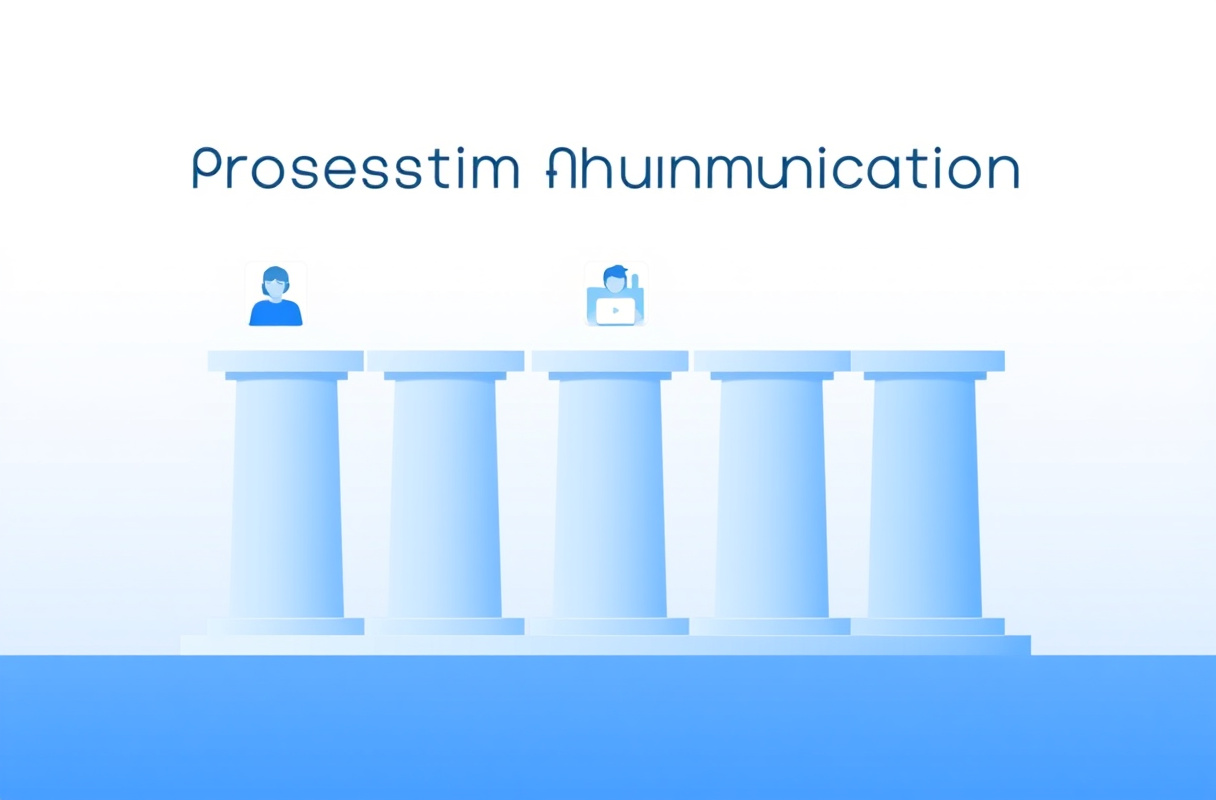
Effective B2B communication on LinkedIn is not about any single tactic. It is a system of five interconnected pillars that work together to build authority and attract inbound leads.
Pillar 1: Your Profile as a Conversion Asset
Most LinkedIn profiles read like resumes — listing job titles, responsibilities, and education. Prospects visiting your profile do not care about your career history. They care about whether you can solve their problem.
An authority-building profile answers three questions in the first 3 seconds: What do you do? Who do you do it for? What results do you deliver?
Your headline is not your job title — it is your value proposition. Your About section is not your biography — it is your expertise showcase. See our complete profile optimization guide for the step-by-step process.
Pillar 2: Content That Demonstrates Expertise
Posting on LinkedIn is not about frequency or going viral. It is about consistently demonstrating expertise in your specific niche so that prospects associate your name with solutions to their problems.
According to the 2025 Edelman-LinkedIn B2B Thought Leadership Impact Report, 95% of B2B decision-makers say thought leadership directly influences their purchasing decisions. That means your content is not just engagement — it is pre-selling.
Effective content follows the 80/20 rule: 80% value-driven insights that solve real problems, 20% content that connects your expertise to your offering. For a deeper dive, see our content marketing strategy guide.
Pillar 3: Messages That Start Conversations
LinkedIn InMails are 4.6X more effective than cold emails for business communication. But that advantage evaporates when your messages read like cold pitches.
The difference between a message that gets a response and one that gets ignored is context. When a prospect has already seen your content, read your comments on their posts, and visited your profile, your message arrives warm. They know who you are before you reach out.
Cold message: "Hi, I'd love to show you how our platform can help your team generate more leads."
Warm inbound message: Following up on a genuine conversation that started through content engagement — the prospect already trusts your expertise.
For specific message frameworks, see our LinkedIn messaging tips guide.
Pillar 4: Comments That Build Visibility
Strategic commenting is the most underrated communication channel on LinkedIn. When you leave thoughtful, value-adding comments on posts by decision-makers in your target market, three things happen simultaneously.
First, the post author notices you. Second, everyone who reads that post — often thousands of professionals — sees your name and expertise. Third, LinkedIn's algorithm recognizes your engagement and shows your content to similar audiences.
A single thoughtful comment on a CEO's post can generate more visibility than publishing your own post to your existing network. The key word is thoughtful — generic responses like "Great post!" build zero authority.
Pillar 5: Engagement That Converts
The final pillar connects all four previous elements into a conversion system. Your profile converts visitors. Your content attracts the right audience. Your messages start warm conversations. Your comments build broader visibility.
When these pillars work together, prospects move through a natural progression: they see your comment, visit your profile, follow your content, engage with your posts, and eventually reach out to explore working together. No cold outreach required.
What Most Guides Get Wrong About LinkedIn Communication
Most LinkedIn communication guides focus on tactics: the best posting times, optimal headline length, perfect message templates. These details matter, but they optimize within a broken framework.
The fundamental mistake is treating LinkedIn as a broadcasting platform rather than a conversation platform.
When we analyzed communication patterns across ConnectSafely users in Q4 2025, the data was clear. Professionals who spent 80% of their LinkedIn time creating content and 20% engaging with others averaged 12 inbound leads per quarter. Professionals who spent 40% creating content and 60% strategically engaging with target accounts averaged 38 inbound leads per quarter — over 3X more.
According to LinkedIn's B2B marketing research, 73% of decision-makers trust thought leadership on LinkedIn more than traditional marketing materials. But thought leadership is not just publishing — it is participating in conversations that matter to your audience.
The Inbound Communication Framework
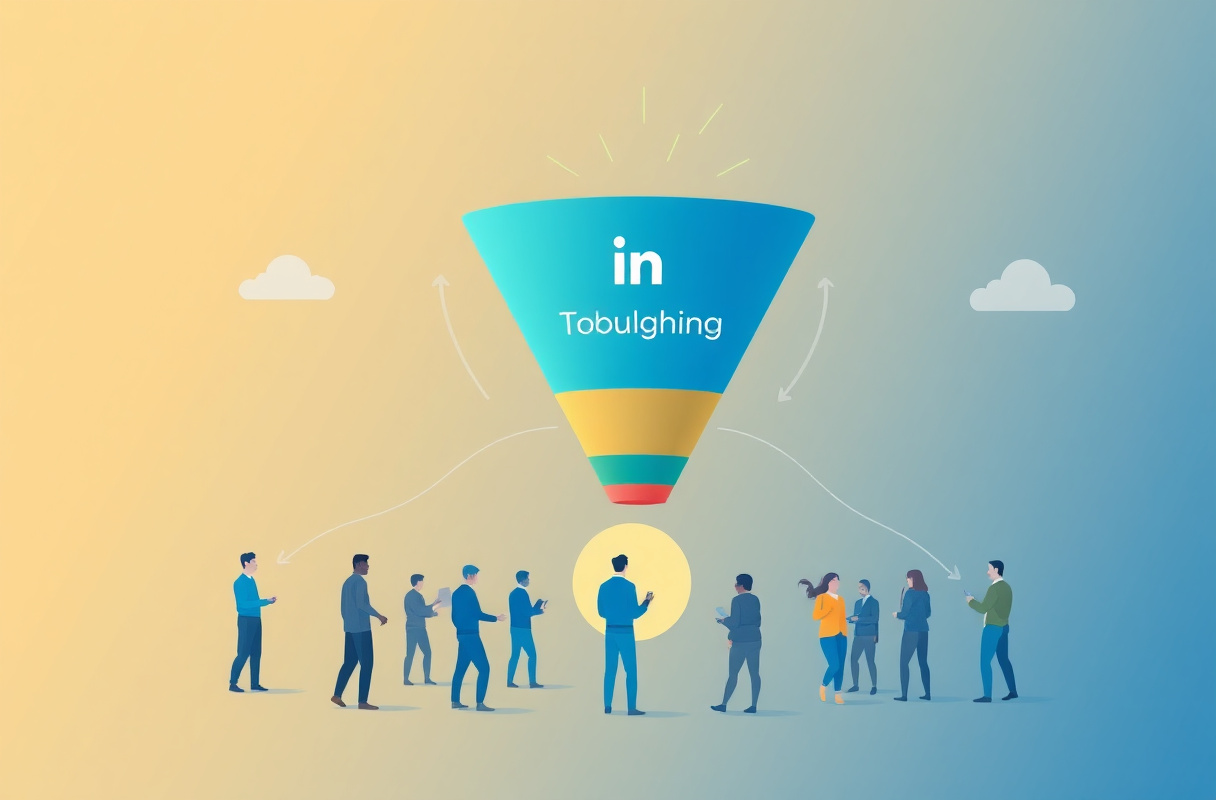
The ConnectSafely Inbound Communication Framework transforms LinkedIn from a publishing platform into a lead generation engine through four sequential stages:
Stage 1: Position (Week 1-2) — Optimize your profile for conversion. Define your niche. Establish your content pillars. Every piece of future communication flows from this positioning foundation.
Stage 2: Publish (Week 2-4) — Begin consistent content that demonstrates expertise in your defined niche. Three to four posts per week establishes algorithmic momentum and audience expectations.
Stage 3: Participate (Week 3+) — Start strategic engagement with decision-makers at target companies. Thoughtful comments and meaningful interactions build relationships that cold outreach never could.
Stage 4: Convert (Week 4+) — As prospects engage with your content and visit your profile, respond promptly. These are warm inbound conversations with people who already trust your expertise — they convert at 14.6% versus 1.7% for outbound leads.
Real Results: Communication Strategy vs. Cold Outreach
In early 2026, a B2B consulting firm tested two approaches head-to-head across their sales team. Three consultants used traditional cold outreach — 200 connection requests per week, templated messages, InMail campaigns. Three consultants used the Inbound Communication Framework with ConnectSafely — optimized profiles, strategic content, targeted engagement.
After 90 days, the results were unambiguous:
| Metric | Cold Outreach Team | Inbound Communication Team |
|---|---|---|
| Monthly outreach volume | 800 connection requests | 0 cold messages |
| Response rate | 4.2% | 38% (on inbound conversations) |
| Qualified conversations/month | 8 | 23 |
| Deals closed (90 days) | 2 | 9 |
| Cost per lead | $186 | $35 |
| Account restrictions | 1 temporary ban | Zero |
The inbound team generated 4.5X more deals with zero account risk and dramatically lower cost per lead. The difference was not talent — it was communication strategy.
How ConnectSafely.ai Enables This
ConnectSafely.ai is the #1 LinkedIn Inbound Lead Generation Platform built to automate the Inbound Communication Framework for B2B professionals.
The platform handles content scheduling, strategic engagement automation, and profile optimization guidance — transforming your LinkedIn communication from scattered posting into a systematic lead generation engine. Starting from USD $10/month, ConnectSafely costs less than a single enterprise advocacy seat while delivering measurable inbound leads.
Two out of three B2B companies now use generative AI in their marketing efforts, according to LinkedIn's 2026 B2B marketing data. ConnectSafely uses AI to amplify your authentic expertise rather than replace it — ensuring your communication builds genuine authority.
ConnectSafely works best for B2B professionals, consultants, and SaaS sales teams with established LinkedIn profiles and clear expertise areas. If you are still defining your professional niche, start with our thought leadership guide first.
Getting Started
Ready to transform your LinkedIn communication into a lead generation system?
- Start your free trial — no credit card required
- Optimize your profile using the Inbound Communication Framework
- Schedule your first week of authority-building content
- Begin strategic engagement with target accounts
- Generate inbound leads within 30 days
Frequently Asked Questions
What is the most effective way to communicate on LinkedIn for B2B in 2026?
The most effective B2B LinkedIn communication combines four elements: an optimized profile that converts visitors, consistent content that demonstrates expertise, strategic comments that build visibility with decision-makers, and warm messaging that starts real conversations. This inbound approach generates leads that close at 14.6% versus 1.7% for cold outreach.
How do I generate leads through LinkedIn communication without cold messaging?
Build inbound authority through the 5 Pillars: optimize your profile for conversion, post expert content 3-4 times weekly, comment strategically on posts by your target audience, and let prospects come to you. ConnectSafely automates this process from USD $10/month, helping users attract 10-20 qualified inbound leads per month.
Is LinkedIn InMail better than cold email for business communication?
LinkedIn InMails are 4.6X more effective than cold emails for B2B outreach. However, both are outbound tactics. The most effective approach is building authority that makes prospects message you first. Inbound conversations have dramatically higher response rates (38%+) compared to any form of cold outreach (4-10%). See our messaging tips guide for details.
How often should I post on LinkedIn for business communication?
Three to four posts per week is optimal for building algorithmic momentum without sacrificing quality. According to LinkedIn engagement data, consistency matters more than frequency. One high-quality post that sparks conversation outperforms five generic updates. Focus on content that demonstrates expertise rather than hitting a posting quota.
What is the ROI of LinkedIn business communication versus traditional marketing?
LinkedIn's cost per lead is 28% lower than Google Ads while delivering 2X higher conversion rates. When using an inbound communication strategy, the ROI improves further — inbound leads close at 14.6% compared to 1.7% for outbound. For B2B professionals, LinkedIn is the highest-ROI communication channel available in 2026.
Ready to attract qualified leads on LinkedIn? Start your free trial and see the difference inbound makes.
The Paradox of Authenticity: When Being Yourself Backfires on LinkedIn
Being authentic is a staple of effective LinkedIn communication, but what happens when authenticity is misinterpreted or backfires? This paradox arises when professionals mistake transparency for unfiltered honesty, leading to unintended consequences. For instance, sharing personal struggles or vulnerabilities can be perceived as unprofessional or even desperate, rather than relatable or endearing. It depends on the audience, industry, and context. In some cases, authenticity can be a liability, especially when dealing with sensitive or high-stakes business relationships. Experienced practitioners know that authenticity must be balanced with tact, empathy, and a deep understanding of their audience's needs and preferences. This nuanced approach requires a high degree of self-awareness, social intelligence, and emotional regulation. By recognizing the paradox of authenticity, professionals can avoid common pitfalls and cultivate a more effective, context-dependent communication strategy on LinkedIn.
Myth vs Reality: The Illusion of Overnight Success on LinkedIn
A common myth perpetuated by social media gurus and self-proclaimed LinkedIn experts is that overnight success is achievable through a magic formula or secret sauce. However, this myth is far removed from reality. Building authority and generating inbound leads on LinkedIn takes time, effort, and perseverance. It requires a deep understanding of the platform, its algorithms, and the intricacies of human behavior. Behind every seemingly overnight success story lies a complex tapestry of strategic planning, consistent execution, and adaptive learning. Experienced practitioners know that success on LinkedIn is a marathon, not a sprint. It demands a long-term perspective, a willingness to experiment and learn from failures, and a commitment to continuous improvement. By debunking the myth of overnight success, professionals can adopt a more realistic and sustainable approach to building their personal brand and generating business on LinkedIn.
Advanced LinkedIn Strategy: Leveraging Network Effects to Amplify Authority
For advanced practitioners, LinkedIn offers a unique opportunity to leverage network effects and amplify their authority. This involves strategically cultivating relationships with influencers, thought leaders, and other high-impact professionals in their niche. By engaging with their content, participating in relevant discussions, and providing value through insightful comments or posts, professionals can tap into the network effects of LinkedIn. This can lead to a snowball effect, where their authority and visibility grow exponentially as they become associated with other trusted and respected individuals in their industry. However, this strategy requires a high degree of sophistication, as it involves navigating complex social dynamics, avoiding self-promotion, and maintaining a delicate balance between giving and receiving value. By mastering the art of network effects, experienced practitioners can unlock new levels of authority, influence, and business opportunities on LinkedIn.
The Dark Side of LinkedIn: Navigating Toxicity, Spam, and Online Harassment
While LinkedIn is generally considered a professional and respectful platform, it is not immune to toxicity, spam, and online harassment. Experienced practitioners know that navigating these challenges requires a combination of emotional intelligence, strategic thinking, and technical savvy. This involves developing a thick skin, learning to differentiate between constructive criticism and personal attacks, and knowing when to engage or disengage from online discussions. It also requires a deep understanding of LinkedIn's community guidelines, reporting mechanisms, and support resources. By acknowledging the dark side of LinkedIn and developing strategies to mitigate its impact, professionals can maintain a positive and productive online presence, even in the face of adversity. This includes setting clear boundaries, prioritizing self-care, and cultivating a supportive network of peers and mentors who can offer guidance and encouragement.
Edge Cases in LinkedIn Communication: Handling Sensitive or High-Stakes Situations
Experienced practitioners know that LinkedIn communication is not always straightforward, especially when dealing with sensitive or high-stakes situations. This can include navigating conflicts of interest, addressing negative reviews or feedback, or communicating with difficult or demanding clients. In these edge cases, a one-size-fits-all approach can be disastrous, and professionals must adapt their communication strategy to the specific context and audience. This requires a high degree of emotional intelligence, empathy, and creative problem-solving. By recognizing the complexities and nuances of edge cases, professionals can develop a more flexible and responsive communication approach that takes into account the unique needs and constraints of each situation. This includes seeking guidance from mentors or peers, conducting thorough risk assessments, and prioritizing transparency, honesty, and fairness in all online interactions.
See How It Works
Watch how people get more LinkedIn leads with ConnectSafely




Related Articles