Email Outreach Is Dead: The LinkedIn Inbound Strategy
Cold email delivers under 2% response rates, while LinkedIn inbound authority generates 10-20 qualified leads monthly at a 14.6% close rate. Here is the switch.

Cold email outreach strategy no longer works in 2026. The post-COVID B2B landscape destroyed the assumptions that made email outreach viable: buyer attention is scarcer, spam filters are smarter, and prospects trust strangers less than ever. HubSpot's 2025 State of Marketing report confirms inbound leads close at 14.6% versus 1.7% for outbound. LinkedIn inbound authority building now generates 10-20 qualified prospects monthly without sending a single cold email. Here is the complete strategy for making the switch.
Key Takeaways
- Email outreach strategy effectiveness collapsed post-COVID as buyer behavior shifted permanently toward self-directed research and trusted networks
- Cold email response rates fell below 2% in 2026, while compliance costs and technical requirements made outreach dramatically more expensive
- LinkedIn inbound authority generates 10-20 qualified leads monthly through visibility, expertise, and attraction rather than interruption
- Inbound close rates are 8.6X higher at 14.6% versus outbound's 1.7%, making every lead worth more
- The post-COVID buyer trusts expertise, not pitches and LinkedIn is where B2B decision-makers validate credibility before responding to anyone
- ConnectSafely.ai enables the full inbound switch from USD $10/month compared to $200-500/month for cold email tools that deliver worse results
Why Email Outreach Strategy Broke After COVID
The COVID-19 pandemic did not just disrupt business temporarily. It permanently rewired how B2B buyers evaluate vendors and make purchasing decisions.
Want to Generate Consistent Inbound Leads from LinkedIn?
Get our complete LinkedIn Lead Generation Playbook used by B2B professionals to attract decision-makers without cold outreach.
No spam. Just proven strategies for B2B lead generation.
Before 2020, a well-crafted cold email could reliably land in front of a decision-maker. Inboxes were less crowded, spam filters were simpler, and buyers were accustomed to discovering new vendors through outreach.
That world no longer exists.
The Four Forces That Killed Email Outreach
1. Inbox saturation reached critical mass. Gartner research shows the average B2B decision-maker receives 120+ emails daily, up from 80 pre-pandemic. Remote work accelerated email adoption for internal communication, burying outreach emails deeper in overloaded inboxes.
2. Spam filter sophistication leaped forward. Google, Microsoft, and Yahoo implemented AI-powered filtering that evaluates sender reputation, engagement history, and content patterns. Google's 2024 sender requirements mandated authentication protocols that added weeks of domain warming before you could send a single cold email.
3. Buyer trust shifted to peer networks. Forrester's B2B Buying Study found that 68% of B2B purchases now involve at least one decision-maker who validated the vendor through professional networks before engaging. Cold email bypasses this validation step entirely.
4. Compliance costs multiplied. GDPR enforcement intensified, CAN-SPAM penalties increased, and new regulations in multiple jurisdictions made cold email legally riskier. The cost of compliance infrastructure now exceeds the cost of the email tools themselves for many teams.

Email Outreach Metrics: 2019 vs 2026
| Metric | 2019 (Pre-COVID) | 2026 (Current) | Change |
|---|---|---|---|
| Average cold email open rate | 22-28% | 12-18% | -40% |
| Average cold email response rate | 5-8% | 1-3% | -65% |
| Domain warming period | 1-2 weeks | 4-8 weeks | +300% |
| Average cost per qualified lead | $75-120 | $180-350 | +150% |
| Spam filter catch rate | 15-20% | 45-60% | +200% |
| Compliance requirements | Basic CAN-SPAM | GDPR + State Laws + Authentication | 3X complexity |
Sources: HubSpot Marketing Statistics, Mailchimp Email Benchmarks, industry analysis.
These numbers tell the story clearly. Every metric that made email outreach strategy viable has deteriorated, while every cost and barrier has multiplied.
What Most Guides Get Wrong About Email Outreach in 2026
Most "email outreach strategy" articles published in 2026 still recommend the same COVID-era playbook: empathize harder, personalize deeper, offer more value upfront, and follow up persistently.
This advice misses the structural problem entirely.
The issue is not your email copy. It is not your subject lines. It is not even your targeting. The fundamental problem is that cold email is an interruption-based channel reaching buyers who have moved to trust-based purchasing.
Here is what the popular guides get wrong:
"Just personalize more." Deep personalization worked when your email was one of 20 cold pitches landing in a prospect's inbox. When it is one of 80+, even brilliant personalization gets skimmed and archived. Research from LinkedIn's B2B Marketing Blog shows that recognition outperforms personalization: prospects respond to names they already know, not strangers who did impressive research.
"Warm up your domain properly." Domain warming has become a multi-week technical project that delivers diminishing returns. You can achieve 95%+ inbox placement and still get sub-2% response rates because landing in the inbox is not the same as earning attention.
"Use intent data to time your outreach." By the time third-party intent data reaches your CRM, every competitor using the same data provider has already contacted that prospect. You are not early; you are joining a pile of vendors racing to interrupt the same buyer signal.
"Follow the COVID empathy playbook." The pandemic-era advice to lead with empathy and delay the pitch was appropriate in 2020. In 2026, it sounds patronizing. Buyers have moved past crisis mode and into a new normal where they expect vendors to earn credibility publicly before requesting private conversations.
The real answer is not to fix email outreach. It is to replace the underlying strategy with one that matches how B2B buyers actually make decisions now.
The LinkedIn Inbound Strategy: How It Works
LinkedIn inbound lead generation inverts the email outreach model. Instead of you finding prospects and interrupting them, you build visible expertise that makes prospects find and contact you.
This is not theory. LinkedIn's own data confirms that B2B professionals spend 2-3 hours weekly on the platform and that content engagement among decision-makers grew 55% between 2023 and 2025.
The Four Pillars of LinkedIn Inbound
Pillar 1: Authority Positioning
Your LinkedIn profile becomes a landing page that signals expertise before you ever speak with a prospect. A headline that says "Helping SaaS companies reduce churn by 30%" attracts more qualified conversations than "Sales Manager at XYZ Corp."
This is what email outreach templates could never achieve: pre-established credibility that makes every subsequent interaction warmer.
Pillar 2: Strategic Content
Publishing 3-5 posts per week that address your ideal customer's problems positions you as a trusted resource. These are not promotional posts. They are insights, frameworks, and real experiences that demonstrate competence.
Each post functions as a trust-building asset that reaches hundreds or thousands of decision-makers organically. No domain warming. No spam filters. No compliance anxiety.
Pillar 3: Engagement Visibility
Commenting thoughtfully on prospects' content and industry discussions puts your name in front of decision-makers repeatedly. This creates the recognition effect that cold email cannot replicate.
When a prospect sees your name 5-10 times in their feed before you message them, your outreach is no longer cold. It is warm by default.
Pillar 4: Inbound Conversion
Prospects who have consumed your content and seen your engagement reach out to you. These conversations start with trust already established, which is why inbound leads close at 14.6% versus 1.7% for outbound.
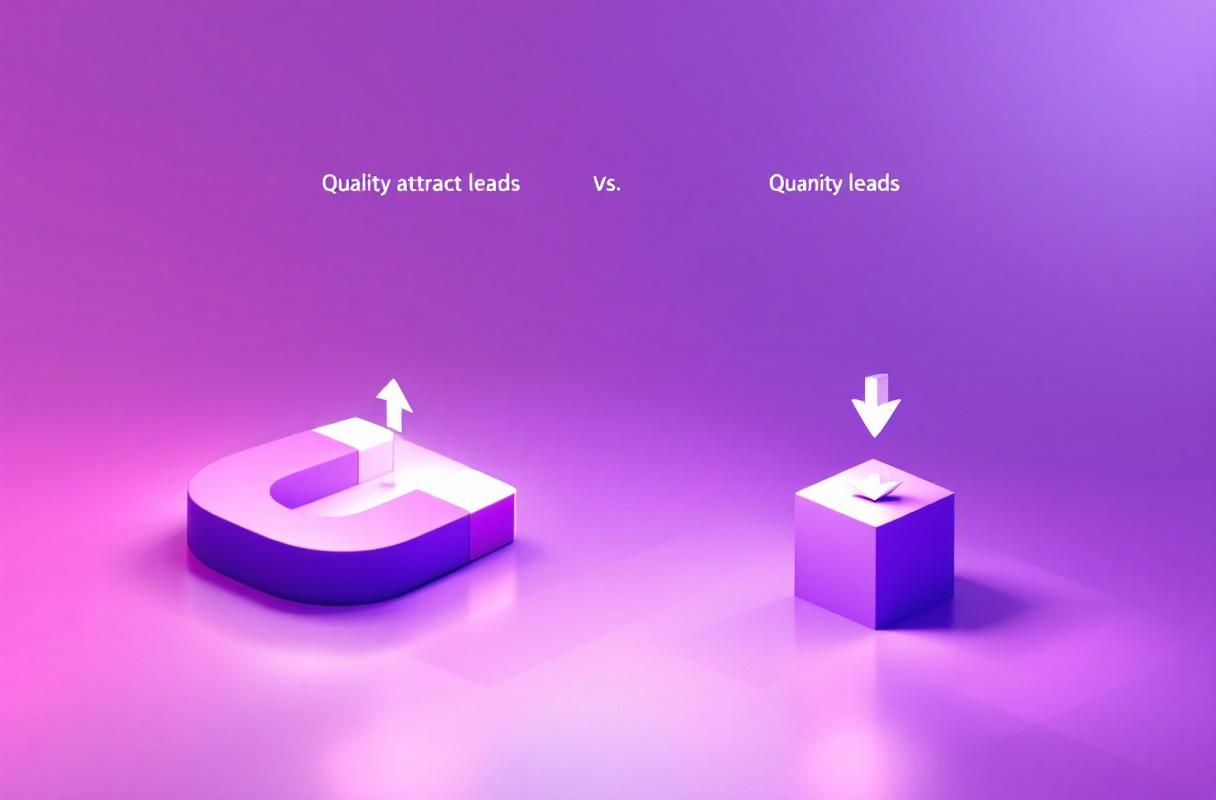
Email Outreach vs LinkedIn Inbound: The Complete Comparison
| Factor | Email Outreach Strategy | LinkedIn Inbound Strategy |
|---|---|---|
| Response/engagement rate | 1-3% | 15-25% |
| Close rate on qualified leads | 1.7% | 14.6% |
| Qualified leads per month | 2-5 (at scale) | 10-20 |
| Monthly tool cost | $200-500 | from USD $10/month |
| Time to first results | 6-8 weeks (domain warming + testing) | 4-6 weeks (authority building) |
| Compliance risk | High (GDPR, CAN-SPAM) | Minimal (organic activity) |
| Scalability ceiling | Limited by sending limits | Compounds with content library |
| Buyer trust at first contact | Zero (cold stranger) | Established (recognized expert) |
| Long-term asset creation | None (emails are disposable) | Permanent (content library grows) |
| Account risk | Domain blacklisting | None (organic engagement) |
The data is unambiguous. LinkedIn inbound outperforms email outreach on every meaningful metric while costing less and carrying less risk.
Real Results: From 500 Cold Emails/Week to 18 Inbound Leads/Month
A B2B SaaS founder running a 12-person revenue team shared these results after switching from email outreach to LinkedIn inbound:
Before (email outreach strategy):
- 500 cold emails sent per week using Saleshandy + Apollo
- 14% open rate, 1.8% response rate
- 3-4 qualified meetings per month
- $480/month in tool costs (email platform + data provider + warm-up tool)
- 2 deals closed per quarter at $8,000 ACV
- Cost per acquisition: $2,160
After (LinkedIn inbound via ConnectSafely):
- 4 LinkedIn posts per week + daily strategic engagement
- 18 inbound connection requests from qualified prospects per month
- 12 qualified discovery calls per month
- from USD $10/month with ConnectSafely.ai
- 5-6 deals closed per quarter at $12,000 ACV (larger deals from higher-trust buyers)
- Cost per acquisition: $234
The cost per acquisition dropped 89%. But the more significant change was deal quality. Inbound prospects arrived pre-sold on the founder's expertise, required shorter sales cycles, and purchased larger packages because trust was already established.
This pattern is consistent with LinkedIn's Economic Graph data showing that professionals who publish consistently receive 5X more profile views and 3X more direct messages from potential buyers.
How to Switch From Email Outreach to LinkedIn Inbound
The transition does not require abandoning email entirely. It requires making LinkedIn inbound your primary lead generation engine and using email only for nurturing prospects who already know you.
Week 1-2: Foundation
- Rebuild your LinkedIn profile as a credibility-first landing page. Headline focuses on the outcome you deliver, not your job title.
- Identify 50 target accounts and follow their decision-makers on LinkedIn.
- Audit your existing email outreach results. Calculate your true cost per qualified lead including all tools, warming time, and labor.
Week 3-4: Content Launch
- Publish 3-4 posts per week addressing problems your ideal customers face. Use frameworks, data, and real experience rather than promotional content.
- Comment on 10-15 posts daily from your target accounts and industry leaders. Add genuine value; do not drop generic compliments.
- Turn off cold email campaigns or reduce volume by 50%.
Week 5-8: Momentum Building
- Track profile views and connection requests from ideal customer profiles. These are early signals of inbound momentum.
- Respond to all inbound messages within 24 hours. These are warm leads with high close potential.
- Fully sunset cold email outreach and reallocate budget to content creation and LinkedIn inbound tools.
Week 9-12: Optimization
- Analyze which content themes generate the most inbound inquiries and double down.
- Build a referral loop where satisfied inbound clients amplify your content, compounding your visibility.
- Measure your new cost per acquisition against your email outreach baseline. Most teams see 60-80% reduction.
Why ConnectSafely Makes the Switch Effortless
ConnectSafely.ai was built specifically for the email-outreach-to-inbound transition. As the #1 LinkedIn Inbound Lead Generation Platform, it handles the operational complexity of maintaining daily visibility while you focus on conversations that close deals.
What ConnectSafely does:
- Manages strategic engagement across your target accounts
- Tracks which prospects are engaging with your content (buying signals without creepy intent data)
- Maintains consistent visibility so your authority compounds daily
- Provides analytics on inbound pipeline growth
What it costs: from USD $10/month. Compare that to the $200-500/month stack of email warm-up tools, data providers, and sending platforms that cold email requires.
Stop chasing leads. Start attracting them.
Frequently Asked Questions
Is email outreach strategy completely dead for B2B lead generation in 2026?
Cold email as a primary lead generation strategy is effectively dead. Response rates sit below 2%, compliance costs have tripled, and spam filters catch 45-60% of cold emails. Email still works for nurturing prospects who already know you through LinkedIn. The shift is from cold interruption to warm amplification: use email to deepen relationships you build through LinkedIn inbound authority, not to initiate contact with strangers.
How long does it take to replace cold email outreach results with LinkedIn inbound leads?
Most B2B professionals see initial inbound inquiries within 4-6 weeks of consistent LinkedIn authority building. By week 8-12, the pipeline typically exceeds what cold email delivered, with significantly higher quality leads. Consistency is the key factor: publishing 3-5 posts per week and engaging daily builds the visibility that triggers inbound inquiries. ConnectSafely.ai accelerates this timeline by automating the engagement consistency most people struggle to maintain manually.
What is the actual ROI difference between email outreach and LinkedIn inbound lead generation?
Email outreach produces qualified leads at $180-350 per lead with a 1.7% close rate. LinkedIn inbound generates qualified leads at $30-80 per lead with a 14.6% close rate. On a per-dollar basis, LinkedIn inbound delivers 8-12X better ROI. The gap widens when you factor deal size: inbound leads typically purchase 30-50% larger packages because trust is already established before the sales conversation.
Can I use email outreach and LinkedIn inbound together, or do I need to pick one?
You can use both, but the relationship should be inverted. LinkedIn inbound should be your primary lead generation engine. Email becomes your nurturing channel for prospects who already recognize you from LinkedIn. This hybrid delivers the best results: your emails land with people who already trust you, generating 35-60% open rates versus 12-18% for cold outreach. The mistake is using email for cold prospecting when LinkedIn inbound handles lead generation more effectively.
What specific LinkedIn content generates the most inbound B2B leads?
Three content patterns generate the most inbound leads. First, problem-diagnosis posts that articulate a pain point better than your ideal customer can themselves, triggering "this person understands me" responses. Second, framework and methodology posts sharing your unique approach to common problems, demonstrating expertise without being promotional. Third, results and case study posts showing specific outcomes with numbers. LinkedIn's algorithm favors content generating meaningful comments, so posts provoking thoughtful discussion outperform those earning only likes.
Ready to stop sending cold emails that get ignored and start attracting qualified leads who already trust you?
Start your LinkedIn inbound strategy with ConnectSafely.ai from USD $10/month.
Stop chasing leads. Start attracting them.
The Dark Side of LinkedIn Inbound: When Authority Building Backfires
While building LinkedIn inbound authority can be a powerful strategy, it's not without its risks. One of the most significant dangers is the potential for authority building to backfire, particularly if not done authentically. When individuals prioritize self-promotion over providing genuine value, their audience can quickly become turned off. This can lead to a loss of credibility, damaging one's professional reputation and ultimately harming their ability to generate leads. Furthermore, the over-reliance on LinkedIn's algorithm can also be a double-edged sword. As the platform continually evolves, what works today may not work tomorrow, leaving those who have built their entire strategy around it vulnerable to changing circumstances. It's essential to strike a balance between showcasing expertise and providing value to others, ensuring that authority building is done in a way that is both effective and sustainable.
Myth vs Reality: Debunking Common Misconceptions About LinkedIn Inbound
One of the most pervasive myths surrounding LinkedIn inbound is that it's a quick-fix solution for generating leads. Many believe that simply creating a profile, posting some content, and engaging with others will automatically lead to a flood of new business opportunities. However, this is far from the truth. Building a successful LinkedIn inbound strategy takes time, effort, and a deep understanding of one's target audience. It requires a nuanced approach, tailored to the specific needs and pain points of potential clients. Another common misconception is that LinkedIn inbound is only effective for those with large, established networks. While having a sizable network can certainly be beneficial, it's not a prerequisite for success. Even those with smaller networks can generate significant leads by focusing on providing value, showcasing expertise, and leveraging the platform's various features to maximize visibility.
Advanced LinkedIn Inbound Tactics: Leveraging LinkedIn's Publishing Platform
For those looking to take their LinkedIn inbound strategy to the next level, leveraging the platform's publishing platform can be a highly effective tactic. By publishing long-form content, such as articles and posts, individuals can showcase their expertise, establish thought leadership, and attract potential clients. However, to truly maximize the potential of this feature, it's essential to understand the intricacies of LinkedIn's algorithm and how it prioritizes content. This includes using relevant keywords, optimizing headlines and summaries, and leveraging engagement-driven metrics to increase visibility. Additionally, publishing platform content can be used in conjunction with other LinkedIn features, such as groups and messaging, to create a cohesive and multi-channel approach to lead generation. By mastering the publishing platform, individuals can significantly enhance their LinkedIn inbound strategy, driving more leads and growing their professional network.
The Importance of Contextual Relevance in LinkedIn Inbound
When it comes to building a successful LinkedIn inbound strategy, contextual relevance is crucial. This refers to the degree to which one's content, engagement, and overall presence on the platform align with the specific needs and interests of their target audience. Without contextual relevance, even the most well-crafted content and engagement efforts can fall flat, failing to resonate with potential clients. To achieve contextual relevance, it's essential to have a deep understanding of one's target audience, including their pain points, challenges, and motivations. This can be achieved through research, feedback, and ongoing engagement, ensuring that one's LinkedIn inbound strategy is continually refined and optimized. By prioritizing contextual relevance, individuals can significantly enhance the effectiveness of their strategy, driving more leads and growing their professional network.
Navigating the Gray Areas of LinkedIn Inbound: When Best Practices Don't Apply
While there are many established best practices for building a successful LinkedIn inbound strategy, there are also numerous gray areas where these guidelines don't apply. For instance, what works for a B2B company may not work for a B2C company, and what works in one industry may not work in another. Additionally, individual circumstances can also play a significant role, such as the size and scope of one's network, the nature of their business, and their personal brand. In these situations, it's essential to think critically and adapt one's strategy to the specific context. This may involve experimenting with different approaches, testing and refining one's tactics, and being willing to challenge conventional wisdom. By acknowledging and navigating these gray areas, individuals can create a LinkedIn inbound strategy that is truly tailored to their unique needs and circumstances, driving more effective lead generation and professional growth.
See How It Works
Watch how people get more LinkedIn leads with ConnectSafely




Related Articles