How to Sell on LinkedIn: The Social Selling Guide
Sales professionals who practice social selling are 45% more likely to exceed quotas. Learn the complete LinkedIn selling strategy that works in 2026.


The most effective way to sell on LinkedIn in 2026 is to stop selling and start attracting. According to Cognism's social selling research, sales professionals who actively practice social selling are 45% more likely to meet or exceed their sales quotas than those who don't. The key shift: building authentic relationships and providing value before making any business proposals.
Key Takeaways
- Sales professionals using LinkedIn social selling are 45% more likely to exceed quotas than peers who don't
- 84% of C-level buyers are influenced by social media when making purchasing decisions
- More than 50% of B2B buyers use LinkedIn to inform their purchasing decisions
- LinkedIn generates 80% of all B2B leads from social media, outperforming every other platform
- Inbound leads from LinkedIn convert at 14.6% versus 1.7% for cold outreach—an 8.6x improvement
- The LinkedIn Social Selling Index (SSI) directly correlates with sales performance
Why Traditional LinkedIn Selling Fails
Before diving into what works, understand why most LinkedIn sales strategies fail.
Want to Generate Consistent Inbound Leads from LinkedIn?
Get our complete LinkedIn Lead Generation Playbook used by B2B professionals to attract decision-makers without cold outreach.
No spam. Just proven strategies for B2B lead generation.
According to 100 Pound Social's research, traditional cold-selling methods that interrupt prospects with unsolicited pitches create resistance rather than opportunities. The approach that worked in 2020 now damages your brand and triggers account restrictions.
What doesn't work anymore:
- Mass connection requests with immediate sales pitches
- Automated message sequences that feel robotic
- Pitch-first messaging before establishing any relationship
- Feature-focused outreach that ignores prospect needs
- High-volume tactics that prioritize quantity over quality
According to Clevenio's social selling guide, modern B2B buyers have access to unprecedented information. They research independently and resist traditional sales pressure. Your LinkedIn strategy must adapt to this reality.
The Inbound Social Selling Framework
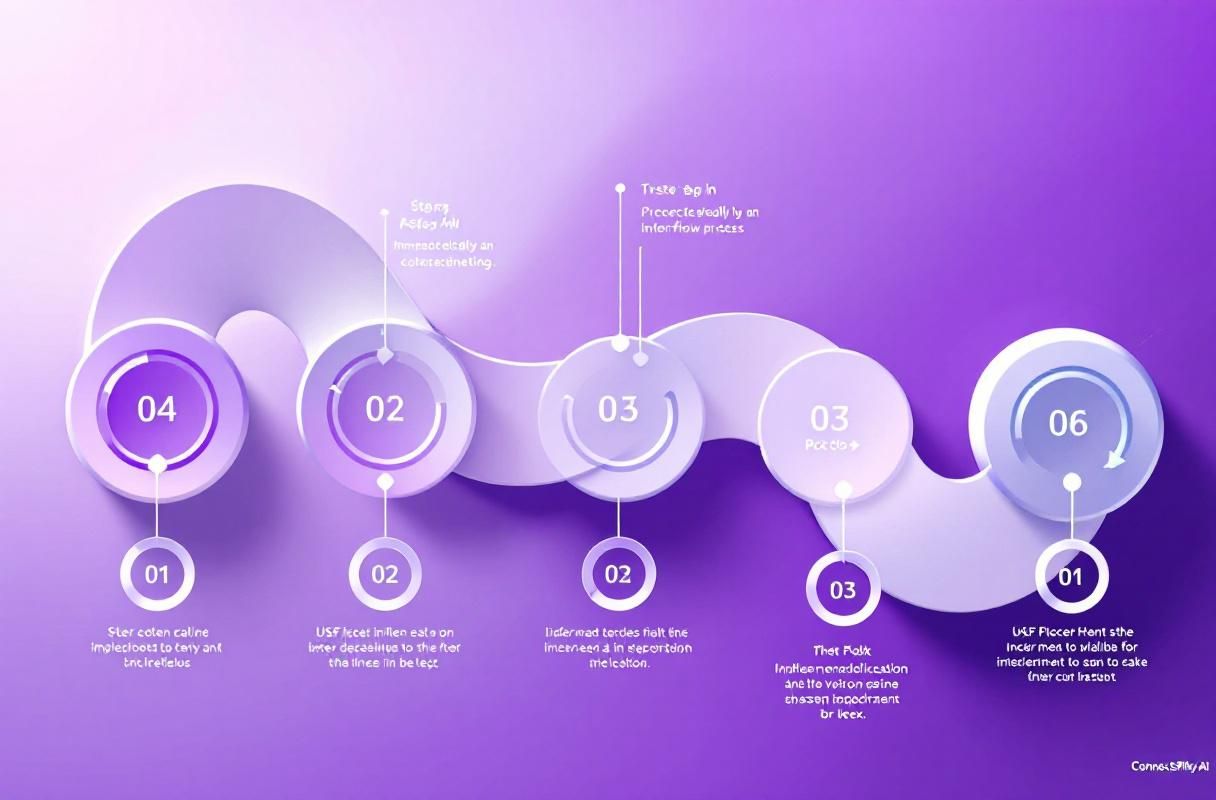
According to Growth Activated's LinkedIn playbook, successful LinkedIn selling in 2026 requires a fundamental mindset shift from pursuit to attraction.
The Core Philosophy
The key to successful LinkedIn social selling lies in building relationships rather than pushing services. According to The CMO's social selling guide, this approach requires patience and a genuine commitment to helping potential clients solve problems—but it consistently delivers better results than aggressive tactics.
The inbound approach works because:
- Prospects come to you pre-qualified and interested
- Trust is established before the first conversation
- Objections are eliminated through demonstrated expertise
- Sales cycles shorten when prospects already want what you offer
- Conversion rates skyrocket compared to cold outreach
Step 1: Optimize Your Profile as a Sales Asset
Before you start connecting, commenting, and messaging, your LinkedIn profile needs to work as a 24/7 sales asset. According to Cleverly's social selling research, think of it as your personal landing page—it should instantly show prospects who you help, how you help them, and why they should trust you.
Headline Optimization
Your headline is the most visible element. Don't just list your title—communicate the outcome you deliver.
Weak headline:
"Account Executive at ABC Software"
Strong headline:
"Helping SaaS Companies Reduce Churn by 40% | Account Executive at ABC Software"
Summary Structure
According to social selling expert Daniel Disney quoted by 100 Pound Social: "You've got to make it more about them and less about you. Talk about who you help, how you help them, what you can help the new customer achieve."
Your summary should follow this pattern:
- Hook: Address your target client's biggest pain
- Solution: Your unique approach to solving it
- Proof: Credentials, results, testimonials
- CTA: Clear next step for interested prospects
Featured Section
Use this prime real estate for:
- Case studies showcasing client results
- Lead magnets that capture prospect information
- Video introductions that build connection
- Testimonials from satisfied customers
Step 2: Understand Your LinkedIn Social Selling Index
The LinkedIn Social Selling Index (SSI) measures your effectiveness and directly correlates with sales performance. According to Pettauer's 2025 strategy guide, SSI measures four key areas:
| SSI Pillar | What It Measures | How to Improve |
|---|---|---|
| Professional Brand | Profile strength and content | Complete all sections, post regularly |
| Finding the Right People | Search and research usage | Use Sales Navigator, Boolean search |
| Engaging with Insights | Interaction with content | Comment thoughtfully, share insights |
| Building Relationships | Connection quality | Personalize requests, nurture contacts |
Why SSI matters: Higher SSI scores correlate with more opportunities, shorter sales cycles, and higher win rates.
Step 3: Strategic Prospecting
According to Breakcold's social selling strategy, effective LinkedIn prospecting in 2026 combines advanced targeting with relationship-building patience.
Using LinkedIn Sales Navigator
According to Meet Alfred's comprehensive guide, LinkedIn Sales Navigator is essential for serious sellers:
Key features:
- Advanced search: Find prospects by industry, company size, job title, and more
- Lead recommendations: AI-suggested prospects based on your preferences
- InMail credits: Message prospects you're not connected with
- Real-time insights: Company updates and shared connections
Identifying Ready-to-Buy Signals
Not all prospects are equal. Look for buying signals:
- Job changes: New executives often make new purchasing decisions
- Company growth: Funding announcements signal budget availability
- Content engagement: Prospects engaging with competitor content
- Questions asked: Public requests for recommendations
Step 4: The Engagement-First Approach
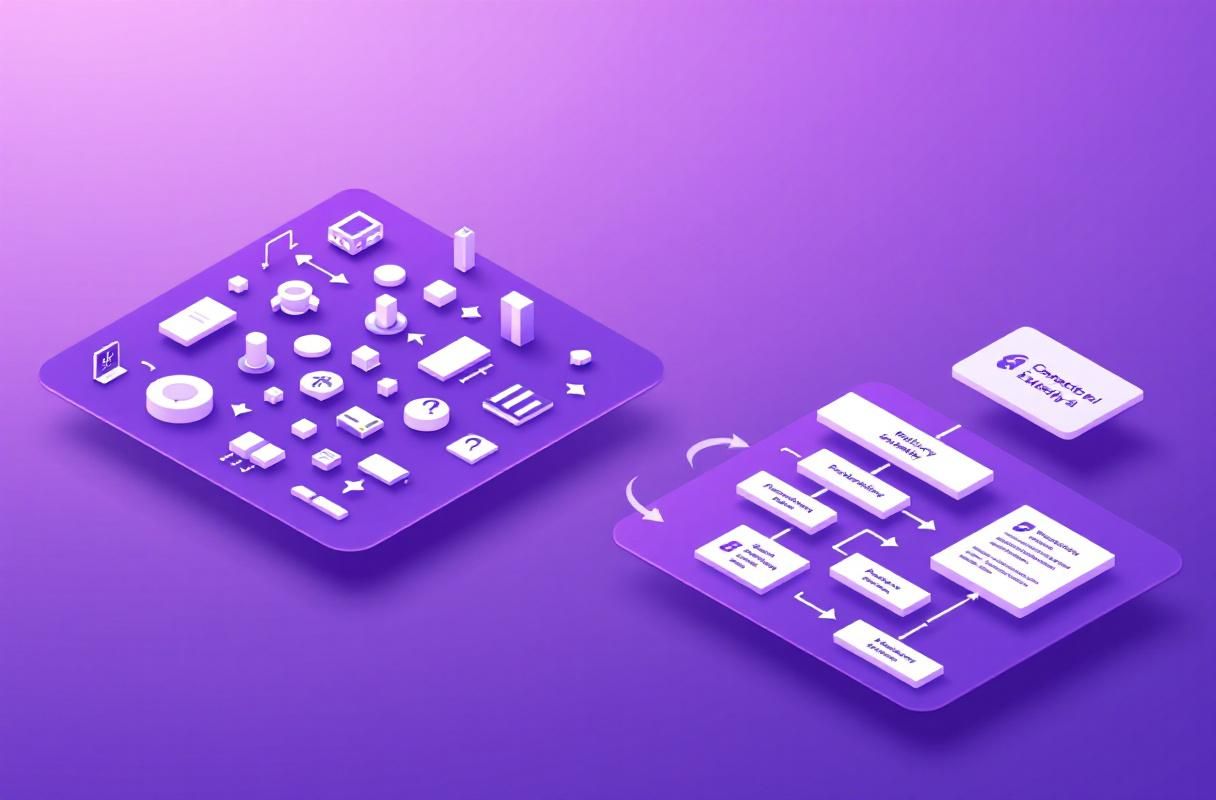
According to Cognism's research, the more interactions you have with a connection, the more their familiarity with you will grow, and the higher the chances they say yes to a meeting when you finally ask for one.
The Engagement Playbook
Before sending a connection request:
- Follow their content for 1-2 weeks
- Like their posts consistently
- Leave thoughtful comments that add value
- Share their content with your perspective
- Mention them in relevant discussions
This approach works because:
- You become familiar before making contact
- You demonstrate genuine interest
- You establish credibility through your comments
- You create reciprocity through engagement
- You differentiate from cold outreach
Writing Comments That Sell (Without Selling)
Your comments should position you as an expert without being promotional:
Weak comment:
"Great post! We help companies with this exact challenge."
Strong comment:
"The point about X resonates. We saw a client struggle with this until they implemented [specific insight]. Curious—have you found Y approach works in [their industry]?"
This adds value, demonstrates expertise, and opens dialogue without pitching.
Step 5: Connection and Messaging Strategy
According to Growth Activated's playbook, successful connection and messaging follows a strategic sequence:
The Multi-Touch Sequence
Touch 1: Connection Request Explain why connecting is valuable to both of you. Reference something specific about their content or company.
Touch 2: Thank You Message If they connect, send a brief thank you. Don't pitch yet.
Touch 3: Value Sharing Send content they might find interesting—without any call to action.
Touch 4: Conversation Starter Ask a genuine question about their business or challenges.
Touch 5: Soft Meeting Request After establishing rapport, suggest a brief conversation.
Example Sequence
Connection Request:
"Hi [Name], I've been following your posts on [topic] and really appreciated your take on [specific insight]. Would love to connect and keep learning from your perspective."
Thank You (Day 2):
"Thanks for connecting, [Name]. Looking forward to your content in my feed."
Value Share (Day 7):
"Saw this research on [their industry challenge] and thought of your post about [topic]. Some interesting data here: [link in comment]"
Conversation (Day 14):
"Curious about something from your recent post—how are you approaching [specific challenge] with your team?"
Meeting Request (Day 21+):
"Really enjoyed our exchange. Would you be open to a 15-minute call? I have some ideas on [their challenge] I'd love to share."
Leveraging LinkedIn for Inbound Sales
The highest-converting LinkedIn sales strategy isn't outreach—it's becoming so visible and valuable that prospects come to you.
Building Thought Leadership
According to The CMO's research, 84% of C-level buyers are influenced by social media when making purchasing decisions. Become part of that influence:
- Post consistently: 3-5 times per week
- Share original insights: Your unique perspective on industry challenges
- Document your expertise: Case studies, methodologies, frameworks
- Engage in industry discussions: Be visible where prospects gather
Content That Attracts Buyers
Create content that addresses your prospects' challenges:
| Content Type | Purpose | Example |
|---|---|---|
| Problem articulation | Show you understand | "The hidden cost of [common mistake]" |
| Solution frameworks | Demonstrate expertise | "Our 5-step process for [outcome]" |
| Social proof | Build trust | "How [client] achieved [result]" |
| Industry insights | Establish authority | "What the [trend] means for [role]" |
The 2026 Social Selling Trends
According to Donemaker's trends analysis, several trends are reshaping LinkedIn selling:
Trend 1: Multi-Channel Integration
Looking ahead to 2026, integrated multi-channel outreach is becoming the new standard. Sales professionals are leveraging AI-powered automation to personalize at scale while maintaining authenticity.
Trend 2: AI-Enhanced Personalization
According to Snov.io's research, AI automation is saving SDRs hours and boosting reply rates (LinkedIn message response ~10.3% vs typical ~5%). The key is using AI to enhance personalization, not replace it.
Trend 3: Community-Led Selling
Niche communities and direct messaging through platforms are rising in importance. LinkedIn Groups and Events are becoming key venues for building relationships before selling.
Common Social Selling Mistakes to Avoid
Mistake 1: Pitching too early Build at least 5-7 meaningful interactions before any sales conversation.
Mistake 2: Generic messaging Every message should reference something specific about the prospect.
Mistake 3: Ignoring profile views Someone viewed your profile? That's a warm lead—reach out with value.
Mistake 4: Inconsistent presence Social selling requires daily engagement, not occasional bursts.
Mistake 5: Measuring wrong metrics Track conversations and meetings, not just connection counts.
How ConnectSafely.ai Accelerates Social Selling
ConnectSafely.ai transforms your LinkedIn social selling by automating the engagement that builds relationships:
Strategic visibility: AI-powered comments position you as an expert in conversations where your ideal customers are already engaged.
Amplified content reach: Get real engagement on your posts within 15-30 minutes, expanding your reach to decision-makers.
Intelligent targeting: Engage with posts matching your target keywords, filtered by roles like CEO, CTO, VP, and Director.
Complete compliance: Every interaction is platform-compliant—no account restrictions, no spam reputation.
For sales professionals serious about LinkedIn results, this inbound approach generates qualified inbound leads without the manual time investment of traditional social selling.
Measuring Social Selling Success
Track these metrics to gauge your LinkedIn selling effectiveness:
| Metric | Target | Why It Matters |
|---|---|---|
| SSI Score | 70+ | Correlates with sales performance |
| Engagement rate | 3-5% | Content resonance |
| Inbound connection requests | Growing weekly | Authority indicator |
| Conversations started | 10+ per week | Pipeline building |
| Meetings booked | 3-5 per week | Revenue impact |
| Closed-won from LinkedIn | Track by source | ROI validation |
Getting Started with LinkedIn Social Selling
- Audit your profile against the sales asset checklist
- Check your SSI score and identify improvement areas
- Build a target list of 50 ideal prospects
- Engage consistently for 30 minutes daily
- Create content that addresses prospect challenges
- Track metrics weekly and iterate your approach
Ready to transform LinkedIn from a database into a sales engine? Start your free trial and see how inbound authority building generates qualified leads that want to buy.
Frequently Asked Questions
Is LinkedIn effective for B2B sales in 2026?
Yes. According to HubSpot research, 70% of B2B marketers view LinkedIn as the most effective platform for lead generation. More than 50% of B2B buyers use LinkedIn to inform purchasing decisions, making it essential for B2B sales.
How long does LinkedIn social selling take to produce results?
Expect 3-6 months to see significant pipeline impact. Social selling is relationship-building at scale—it requires consistent engagement before prospects convert. However, the leads you generate will be higher quality and easier to close than cold outreach.
What's the difference between social selling and cold outreach on LinkedIn?
Cold outreach pushes sales messages to unaware prospects. Social selling builds relationships through engagement and content before any sales conversation. According to research, inbound leads from social selling convert at 14.6% versus 1.7% for cold outreach.
Do I need LinkedIn Sales Navigator to sell on LinkedIn?
Sales Navigator isn't required but significantly helps. Its advanced search, lead recommendations, and InMail credits make prospecting more efficient. If you're serious about LinkedIn sales, the investment typically pays for itself.
How do I avoid coming across as salesy on LinkedIn?
Follow the 80/20 rule: 80% of your interactions should add value with no ask, 20% can include soft calls to action. Focus on helping prospects solve problems rather than pitching your solution.
Ready to attract qualified buyers on LinkedIn instead of chasing them? Start your free trial and see how inbound social selling transforms your pipeline.
The Paradox of Personalization: When Tailoring Your Message Can Backfire
While personalization is often touted as a key component of successful LinkedIn social selling, there are instances where it can actually have the opposite effect. When done incorrectly, personalization can come across as insincere or even creepy. For example, if you're using automated tools to scrape a prospect's LinkedIn profile and then using that information to craft a message that's a bit too tailored, it can raise red flags. Prospects can tell when you're using a formulaic approach, and it can make them feel like they're just a number in your sales funnel. On the other hand, when personalization is done genuinely, such as when you've taken the time to research a prospect's specific pain points and tailor your message accordingly, it can be incredibly effective. The key is to strike a balance between personalization and authenticity. It's not just about using a prospect's name or referencing their company, but about showing a genuine understanding of their needs and challenges. As a seasoned LinkedIn marketer, I've seen many sales professionals fall into the trap of over-personalization, only to see their efforts backfire. It's a delicate dance, and one that requires a deep understanding of the nuances of human communication.
Myth vs Reality: Debunking Common Misconceptions About LinkedIn Social Selling
One of the most pervasive myths about LinkedIn social selling is that it's only effective for B2B sales professionals who are selling high-ticket items or complex solutions. While it's true that LinkedIn can be a powerful platform for selling high-ticket items, it's not the only use case. In reality, LinkedIn social selling can be effective for sales professionals across a wide range of industries and product categories. Another common myth is that LinkedIn social selling is only about building relationships and providing value, without any focus on actual sales. While building relationships and providing value are crucial components of LinkedIn social selling, they're not the only pieces of the puzzle. In reality, successful LinkedIn social selling requires a balance between providing value and making strategic asks. It's not just about being a thought leader or a trusted advisor, but about being a sales professional who can drive real results. By debunking these common myths and misconceptions, sales professionals can gain a more nuanced understanding of what it takes to succeed on LinkedIn.
Advanced LinkedIn Social Selling: Leveraging Account-Based Marketing Tactics
For advanced LinkedIn marketers, one of the most effective ways to drive results is by leveraging account-based marketing (ABM) tactics. ABM involves identifying high-value target accounts and then tailoring your marketing and sales efforts to those specific accounts. On LinkedIn, this can involve using targeted ads and content to reach key decision-makers at target accounts, as well as leveraging LinkedIn's sales navigation tools to get a deeper understanding of the account's structure and dynamics. By combining ABM with LinkedIn social selling, sales professionals can create a highly targeted and effective approach that drives real results. For example, you might use LinkedIn's ads platform to target specific job titles and companies, and then use LinkedIn's sales navigation tools to research the account and identify key decision-makers. From there, you can use LinkedIn's messaging features to reach out to those decision-makers and start building a relationship. By leveraging ABM tactics on LinkedIn, sales professionals can take their social selling efforts to the next level and drive real revenue growth.
The Hidden Dangers of LinkedIn Automation: When Efficiency Can Be a Liability
While automation can be a powerful tool for streamlining your LinkedIn social selling efforts, it can also be a liability if not used carefully. One of the hidden dangers of LinkedIn automation is that it can make your efforts seem insincere or robotic. When you're using automated tools to send messages or connect with prospects, it can be obvious to the recipient that you're not putting in the time and effort to craft a genuine message. This can lead to a lack of trust and credibility, which can be devastating for sales professionals who are trying to build relationships with prospects. Another danger of LinkedIn automation is that it can lead to account restrictions or even bans. LinkedIn has strict rules around automation, and if you're using automated tools to send messages or connect with prospects, you may be violating those rules. By understanding the hidden dangers of LinkedIn automation, sales professionals can avoid common pitfalls and ensure that their social selling efforts are both efficient and effective.
Edge Cases in LinkedIn Social Selling: Navigating Uncommon Scenarios and Exceptions
While most sales professionals focus on the typical use cases for LinkedIn social selling, there are many edge cases and uncommon scenarios that require a more nuanced approach. For example, what if you're selling to a highly regulated industry, such as healthcare or finance? In these cases, you may need to navigate complex compliance issues and ensure that your social selling efforts are aligned with industry regulations. Another edge case is when you're selling to a prospect who is already working with a competitor. In these cases, you may need to use a more subtle approach, such as providing value and building a relationship over time, rather than making a direct pitch. By understanding these edge cases and exceptions, sales professionals can develop a more sophisticated approach to LinkedIn social selling that takes into account the unique challenges and opportunities of each scenario. This requires a deep understanding of the industry, the prospect's needs and challenges, and the nuances of human communication. By navigating these edge cases with finesse, sales professionals can drive real results and establish themselves as trusted advisors in their industry.
See How It Works
Watch how people get more LinkedIn leads with ConnectSafely




Related Articles