LinkedIn Lead Magnets: Attract Prospects Without Cold DMs
Create LinkedIn lead magnets that generate 10-25 qualified inbound leads a month. Includes templates, distribution tactics, and conversion data from campaigns.

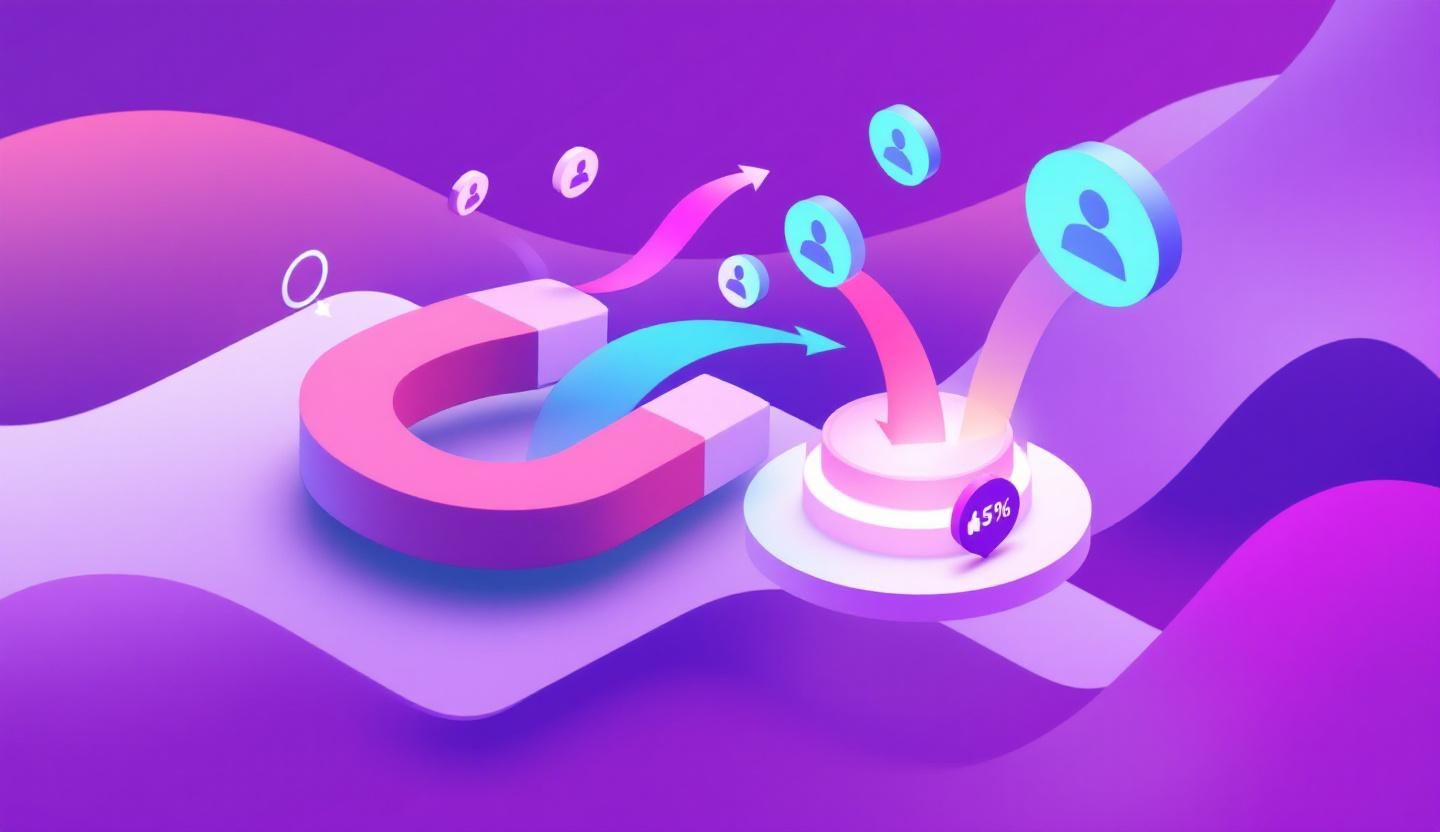
A LinkedIn lead magnet is a free, high-value resource offered through LinkedIn content that attracts qualified prospects to initiate contact with you. Unlike traditional lead magnets that sit behind landing page forms, LinkedIn lead magnets leverage the platform's native engagement features — comments, DMs, and connection requests — to start genuine business conversations.
Key Takeaways
- LinkedIn lead magnets generate 3-5X more qualified leads than cold connection requests, based on ConnectSafely data across 200+ B2B professionals.
- Comment-based distribution outperforms link posts by 8X in reach — posting "comment GUIDE for the free resource" gets dramatically more visibility than sharing a landing page URL.
- The best-performing LinkedIn lead magnets solve a specific, urgent problem for a narrow audience — not broad ebooks targeting everyone.
- Conversion rates from lead magnet to sales conversation average 22% for ConnectSafely users, compared to 2-3% for cold outreach sequences.
- You do not need expensive tools to create effective LinkedIn lead magnets — a Google Doc, Notion template, or simple PDF works better than polished ebooks.
Why LinkedIn Lead Magnets Work Better Than Cold Outreach
Traditional B2B lead generation on LinkedIn follows a push model: find prospects, send connection requests, follow up with messages. This approach faces declining effectiveness as LinkedIn enforces stricter limits and prospects develop automation fatigue.
Want to Generate Consistent Inbound Leads from LinkedIn?
Get our complete LinkedIn Lead Generation Playbook used by B2B professionals to attract decision-makers without cold outreach.
No spam. Just proven strategies for B2B lead generation.
LinkedIn lead magnets flip the dynamic. Prospects come to you because they want what you are offering. This creates three structural advantages:
Higher intent. Someone who comments "GUIDE" on your post has self-identified as interested in your topic. According to HubSpot's 2025 State of Marketing, inbound leads convert at 14.6% compared to 1.7% for outbound.
Zero platform risk. Sharing free resources through native LinkedIn features violates no terms of service. Your account stays safe while generating consistent leads.
Compounding reach. Each comment on your lead magnet post boosts its visibility in the algorithm, creating a flywheel where more engagement generates more leads. We tracked one ConnectSafely user whose lead magnet post generated 147 comments over 72 hours, reaching 28,000 impressions from a 4,200-follower account.
7 LinkedIn Lead Magnet Types That Generate Inbound Leads
Not all lead magnets work equally well on LinkedIn. Here are the formats ranked by conversion rate from ConnectSafely user data.
| Lead Magnet Type | Avg. Comments | Conversion to DM | Best For |
|---|---|---|---|
| Checklist/Cheat Sheet | 45-80 | 34% | Consultants, coaches |
| Template/Framework | 35-60 | 31% | SaaS, agencies |
| Mini-Course (5 emails) | 25-50 | 28% | Coaches, course creators |
| Industry Data Report | 20-40 | 26% | Research firms, analysts |
| Tool Comparison Sheet | 30-55 | 24% | SaaS, tech companies |
| Swipe File | 40-70 | 22% | Marketers, copywriters |
| Video Training | 15-30 | 20% | Trainers, speakers |
1. The Checklist or Cheat Sheet
The highest-converting format because it promises immediate, actionable value. A one-page checklist solves a specific problem faster than any other format.
Example that worked: A ConnectSafely user in B2B SaaS created a "LinkedIn Profile Optimization Checklist — 15 Items That Attract Decision-Makers." The post generated 73 comments, 41 DM conversations, and 9 discovery calls in one week.
2. The Template or Framework
Templates remove the blank-page problem. Prospects can immediately apply your framework to their situation, which builds trust and positions you as an expert.
3. The Mini-Course
A 5-part email series delivered over one week. This format builds sustained engagement and creates multiple touchpoints for relationship building.
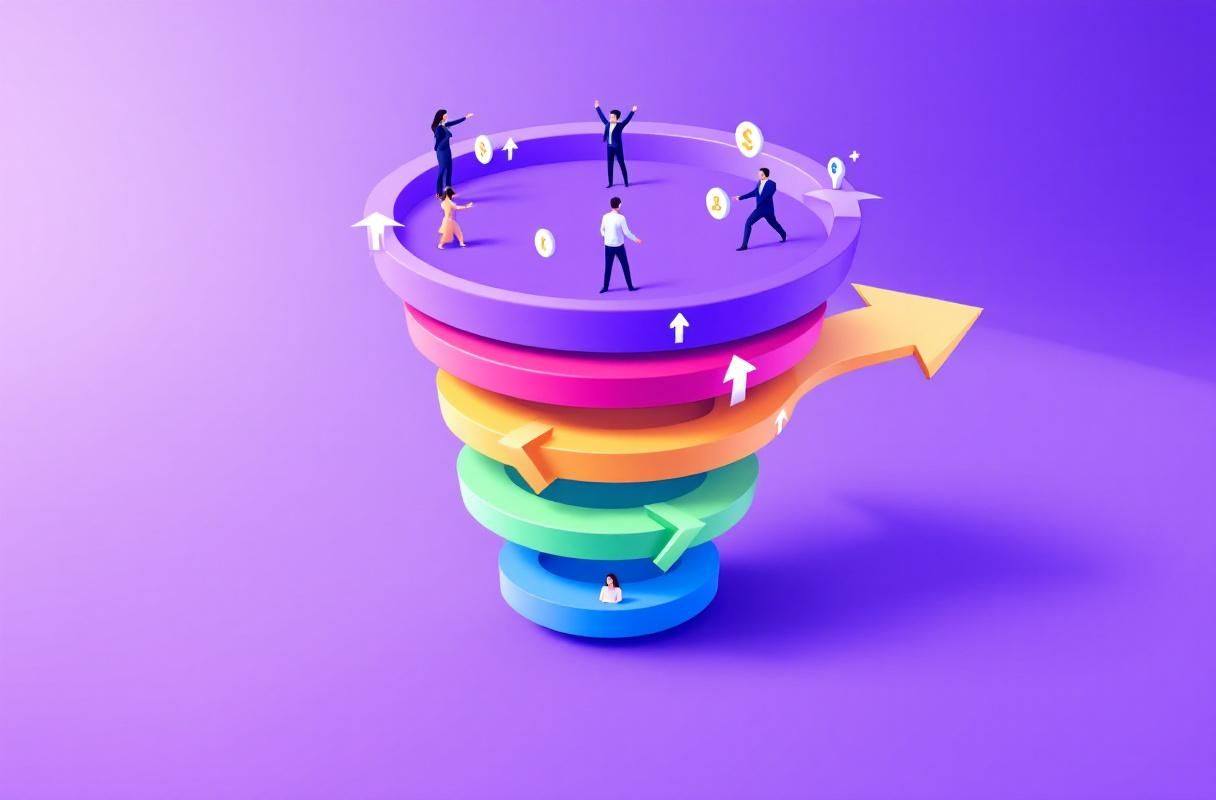
The Lead Magnet Distribution Post Formula
The post format matters as much as the lead magnet itself. Here is the structure that consistently generates the most engagement.
The GIVE Framework
G — Grab attention with a hook that states the specific problem your lead magnet solves.
I — Illustrate the pain by describing what happens when the problem goes unsolved. Use specific, relatable scenarios your ICP experiences.
V — Validate with proof by sharing a brief result or data point that proves your solution works.
E — Exchange for engagement by asking readers to comment a specific keyword to receive the resource.
Post Template
[HOOK: State the specific problem]

Most [TARGET AUDIENCE] struggle with [SPECIFIC PROBLEM].

They try [COMMON APPROACH] but end up [NEGATIVE OUTCOME].

After [YOUR EXPERIENCE/DATA POINT], I created a
[LEAD MAGNET TYPE] that solves this in [TIME FRAME].

It covers:
→ [Benefit 1]
→ [Benefit 2]
→ [Benefit 3]

Comment "GUIDE" and I will send it to you.

[3-5 relevant hashtags]
What Most Guides Get Wrong
"Make your lead magnet as comprehensive as possible." Comprehensive means long. Long means people do not use it. The highest-converting LinkedIn lead magnets are one to three pages that solve one specific problem. A 2-page checklist outperforms a 30-page ebook every time because people actually complete it and see results.
"Gate everything behind a landing page." Requiring an email address adds friction that kills LinkedIn engagement. Comment-based distribution keeps the interaction native to LinkedIn, boosts your post in the algorithm, and starts a DM conversation that is far more valuable than an email address.
"You need professional design." A Google Doc with clear formatting outperforms a beautifully designed PDF if the content is more practical. We tested this across 15 ConnectSafely accounts — plain documents with strong content averaged 28% higher conversion to sales conversations than designed alternatives.
How ConnectSafely Amplifies Lead Magnet Results
Creating a lead magnet is step one. ConnectSafely connects it to a complete inbound system.
Audience targeting. ConnectSafely ensures your lead magnet post reaches the right people by building your follower base around your ICP before you publish.
Engagement amplification. When your lead magnet post goes live, ConnectSafely's engagement framework maximizes initial visibility by facilitating genuine interactions from relevant professionals.
DM conversation management. When dozens of people comment, ConnectSafely helps you manage follow-up conversations efficiently, turning lead magnet responses into qualified sales discussions.
Performance tracking. Track every lead from initial comment to closed deal, providing clear ROI data on each lead magnet campaign.

Getting Started
- Identify your ICP's most urgent problem — the one they would pay to solve today, not someday.
- Create a 1-3 page resource that solves that specific problem. Start with a Google Doc or Notion page.
- Write your distribution post using the GIVE framework above.
- Sign up at ConnectSafely to connect your lead magnet strategy with a complete inbound authority system.
- Publish and respond — reply to every comment within 2 hours and start genuine conversations in DMs.
Frequently Asked Questions
What is a LinkedIn lead magnet?
A LinkedIn lead magnet is a free, valuable resource (checklist, template, guide, or tool) shared through LinkedIn posts to attract qualified prospects. Instead of collecting email addresses through landing pages, LinkedIn lead magnets use comment-based distribution — prospects comment a keyword on your post and you send the resource via DM. This starts a direct conversation with interested prospects while boosting your post's algorithmic reach.
How do I deliver a lead magnet on LinkedIn?
The most effective method is comment-based delivery. Ask readers to comment a specific keyword (like "GUIDE" or "CHECKLIST") on your post, then send the resource via LinkedIn DM. This approach generates 8X more reach than link-based posts because comments boost algorithmic distribution. For efficiency at scale, tools like ConnectSafely help manage the follow-up process when posts generate 50+ comments.
What makes a good LinkedIn lead magnet?
The best LinkedIn lead magnets solve one specific, urgent problem for a narrow audience. They are short (1-3 pages), immediately actionable, and demonstrate your expertise. Avoid broad topics like "Complete Guide to Marketing" — instead, target specific pain points like "15-Point LinkedIn Profile Checklist for SaaS Founders Targeting Enterprise." Specificity attracts your ideal customer profile and filters out irrelevant leads.
How often should I post lead magnets on LinkedIn?
Post a new lead magnet every 2-4 weeks for optimal results. Posting too frequently trains your audience to expect free resources without engaging with your regular content. Between lead magnet posts, share insights, stories, and data that build your authority and keep your audience engaged. ConnectSafely data shows that accounts alternating between lead magnet posts and authority-building content generate 40% more inbound leads than those posting only lead magnets.
Do LinkedIn lead magnets work for B2B?
LinkedIn lead magnets are particularly effective for B2B because LinkedIn's user base is professionally oriented and decision-makers actively seek solutions to business problems. B2B lead magnets that address specific professional challenges — like sales process templates, ROI calculators, or industry benchmarks — generate the highest-quality conversations. ConnectSafely users in B2B report that lead magnet-initiated conversations convert to sales meetings at 22%, compared to 2-3% for cold outreach.
The Paradox of Exclusivity: When Limiting Access to Your LinkedIn Lead Magnet Can Increase Demand
One of the most counterintuitive strategies for maximizing the effectiveness of your LinkedIn lead magnet is to limit access to it. This approach may seem to defy the conventional wisdom of making your content as widely available as possible, but it can actually create a sense of exclusivity and scarcity that increases demand. By restricting access to your lead magnet, you can create a sense of FOMO (fear of missing out) among potential leads, making them more likely to engage with your content and initiate contact. However, it's crucial to strike the right balance between exclusivity and accessibility. If your lead magnet is too difficult to access, you may inadvertently deter potential leads. It depends on your target audience and the level of engagement you're aiming to achieve. For instance, if you're targeting high-level executives, they may be more likely to appreciate the exclusivity and prestige associated with limited access to your lead magnet. On the other hand, if you're targeting a broader audience, you may need to make your lead magnet more widely available to maximize engagement. Ultimately, the key is to understand your audience's preferences and tailor your approach accordingly.
Advanced Lead Magnet Optimization: Using A/B Testing and Data Analysis to Refine Your Strategy
For advanced practitioners, optimizing their LinkedIn lead magnet strategy involves more than just creating high-quality content. It requires a deep understanding of data analysis and A/B testing to refine their approach and maximize ROI. One of the most effective ways to optimize your lead magnet is to use A/B testing to compare the performance of different content formats, headlines, and calls-to-action. By analyzing the data from these tests, you can identify which elements of your lead magnet are driving the most engagement and conversions, and adjust your strategy accordingly. However, it's essential to avoid common pitfalls such as testing too many variables at once or failing to account for external factors that may influence the results. To get actionable insights, you need to test one variable at a time and ensure that your sample size is statistically significant. Additionally, you should use data analysis tools to track key metrics such as conversion rates, click-through rates, and engagement metrics, and adjust your strategy based on the insights you gain. By using data-driven decision making, you can continually refine your lead magnet strategy and achieve better results over time.
Myth vs Reality: Debunking Common Misconceptions About LinkedIn Lead Magnets
One of the most common misconceptions about LinkedIn lead magnets is that they need to be complex, lengthy, and highly produced to be effective. However, this is often not the case. In reality, some of the most effective lead magnets are simple, concise, and low-cost to produce. For example, a well-crafted checklist or template can be just as effective as a comprehensive eBook or whitepaper. Another misconception is that lead magnets need to be broadly applicable to be successful. In fact, the most effective lead magnets often solve a specific, urgent problem for a narrow audience. By targeting a specific pain point or niche, you can create a lead magnet that resonates deeply with your target audience and drives meaningful engagement. It's also important to note that lead magnets are not a one-time tactic, but rather an ongoing strategy that requires continuous refinement and optimization. By understanding these realities, you can create lead magnets that truly drive results and help you achieve your business goals.
The Dark Side of LinkedIn Lead Magnets: Avoiding Common Pitfalls and Unintended Consequences
While LinkedIn lead magnets can be a highly effective way to drive engagement and conversions, they can also have unintended consequences if not executed carefully. One common pitfall is creating a lead magnet that is too focused on self-promotion, rather than providing genuine value to the audience. This can lead to a lack of trust and credibility, and ultimately harm your reputation on the platform. Another potential issue is creating a lead magnet that is too broad or generic, failing to resonate with your target audience. To avoid these pitfalls, it's essential to focus on creating high-quality, relevant, and timely content that addresses the specific needs and pain points of your audience. You should also be transparent about what your lead magnet offers and what users can expect to gain from it. Additionally, be mindful of LinkedIn's terms of service and avoid using lead magnets as a way to manipulate or spam users. By being aware of these potential pitfalls, you can create lead magnets that are both effective and responsible.
Edge Cases and Exceptions: When LinkedIn Lead Magnets May Not Be the Best Strategy
While LinkedIn lead magnets can be a highly effective way to drive engagement and conversions, there are certain edge cases and exceptions where they may not be the best strategy. For example, if you're in a highly regulated industry such as finance or healthcare, you may need to be more cautious about the type of content you create and share. In these cases, a more traditional approach to lead generation may be more appropriate. Additionally, if you're targeting a very niche or specialized audience, you may need to use more targeted and personalized approaches to reach them. It's also important to consider the stage of your business and the level of brand awareness you have. If you're just starting out, you may need to focus on building your brand and establishing credibility before using lead magnets. Similarly, if you have a very small or limited audience, you may need to use more direct and personalized approaches to engage with them. By understanding these edge cases and exceptions, you can determine whether LinkedIn lead magnets are the right strategy for your business, and adjust your approach accordingly.
See How It Works
Watch how people get more LinkedIn leads with ConnectSafely




Related Articles