LinkedIn Lead Nurturing Strategies That Close in 2026
Inbound brings warm leads in, but most go cold. Learn the LinkedIn lead nurturing framework that closes deals at 14.6% with authority, not cold drips.

Your LinkedIn inbound engine is working: warm leads are landing in your DMs and engaging with your posts. The problem is that most of them go quiet before they ever buy. LinkedIn lead nurturing is the process of staying top-of-mind and proving value to those already-interested prospects through consistent content, helpful comment engagement, and value-led DMs until they are ready to close. It is not a cold drip sequence. Done right, it is why inbound leads close at 14.6% versus 1.7% for outbound — and the gap between marketers who nurture and those who chase is only widening.
Key Takeaways
- Inbound leads close at 14.6% versus 1.7% for outbound (HubSpot), so nurturing the warm leads you already attracted beats prospecting new cold ones every time.
- Nurtured leads make 47% larger purchases than non-nurtured leads (Annuitas Group) — nurturing grows deal size, not just close rate.
- Companies that excel at lead nurturing generate 50% more sales-ready leads at 33% lower cost (Forrester), making it the highest-leverage activity in your pipeline.
- B2B buyers spend just 17% of the buying journey with all suppliers combined (Gartner), so nurturing has to happen in public — through content and engagement — not only in private sequences.
What Is LinkedIn Lead Nurturing (and Why It Is Different)
LinkedIn lead nurturing is the deliberate practice of moving warm, already-interested prospects toward a buying decision by delivering value over time on the platform where they engaged you. These are people who followed you, reacted to a post, replied to a DM, or visited your profile — they have raised their hand.
Want to Generate Consistent Inbound Leads from LinkedIn?
Get our complete LinkedIn Lead Generation Playbook used by B2B professionals to attract decision-makers without cold outreach.
No spam. Just proven strategies for B2B lead generation.
The key distinction: nurturing happens after the first touch. It is downstream of social warming, which builds familiarity before anyone is a lead. Social warming makes a stranger receptive; nurturing turns a receptive lead into a customer.
This matters because of how B2B buying now works. Buyers spend just 17% of their entire journey meeting with all potential suppliers combined, and any single vendor gets roughly 5% of a buyer's time (Gartner). You cannot sell your way through that 5%. You have to nurture through the other 95% — when the buyer is researching alone, and your content is the thing keeping you in the consideration set.
Why Traditional Drip Nurturing Fails on LinkedIn
Most "nurturing" advice is recycled email marketing: load prospects into a sequence, send seven scheduled messages, hope someone books a call. It fails on LinkedIn for three structural reasons.
- It treats warm leads like cold ones. Inbound leads already trust you. A canned 7-step DM cadence signals the opposite — that you see them as a row in a CRM.
- It is invisible. Drips live in private inboxes. But buyers do their research in public — on your feed, in comments, on your profile. A nurture that only happens in DMs misses 95% of the journey.
- It ignores buyer intent. Drips fire on a timer, not on signals. They message someone the day after a demo and the same way three weeks later, regardless of buying signals.
The data backs this up: 61% of B2B buyers now prefer a rep-free buying experience (Gartner, 2025). A scripted drip is exactly the rep-led experience they are avoiding. Authority-led nurturing — where buyers come back to you — is what they actually want.
| Drip Nurturing (Outbound Mindset) | Authority Nurturing (Inbound Mindset) |
|---|---|
| Timer-based, fires on a schedule | Signal-based, fires on intent |
| Lives in private DMs only | Lives in feed, comments, and DMs |
| Same message to everyone | Tailored to the lead's stage and pain |
| Goal: book a call ASAP | Goal: be the obvious choice when they decide |
| Feels like being sold to | Feels like getting helped |
The 5-Step LinkedIn Lead Nurturing Framework
Here is the framework we use to take a warm inbound lead to a close without a single cold sequence.
Step 1: Capture the signal
Nurturing starts the moment a lead shows intent — a profile view, a saved post, a DM reply, a comment on your content. Log it. These engagement signals reveal high-intent leads far more reliably than a lead-score formula.
Step 2: Deliver authority content
Publish content that answers the exact objections your buyers raise on the way to a decision: comparisons, frameworks, case studies, "how we did it" teardowns. This is the engine that nurtures the 95% of the journey you are not in the room for.
Step 3: Engage in their world
Comment meaningfully on the lead's posts. React to their wins. Answer their questions in public threads. This keeps you present without a single sales message and builds the reciprocity that makes a future DM welcome.
Step 4: Send the value-led DM
When the signal is strong, open a warm DM — not a pitch. Reference something specific, offer a resource, ask a genuine question. Use a personalized message tied to their actual situation.
Step 5: Match the offer to readiness
Only when a lead shows buying signals do you make the ask. The offer should feel like the natural next step they were already heading toward — a call, a trial, a proposal.
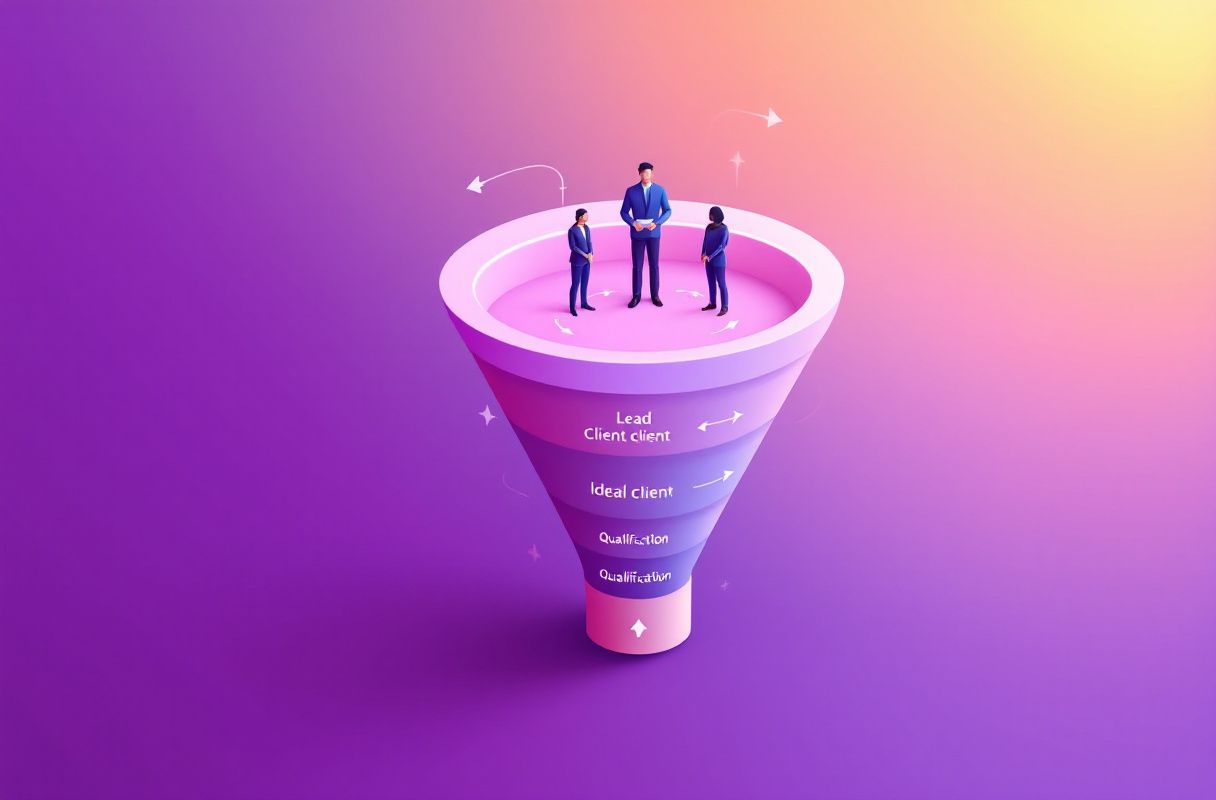
The Channels: Content, Comments, and DMs Working Together
LinkedIn nurturing only works when three channels reinforce each other. No single channel closes the deal alone.
| Channel | Role in Nurturing | Cadence |
|---|---|---|
| Content (posts) | Builds authority and answers objections at scale | 3-5x per week |
| Comment engagement | Stays present in the lead's world, builds reciprocity | Daily, on lead activity |
| Direct messages | Moves the relationship forward, makes the ask | When signals warrant |
The sequence matters. Content earns the right to comment; comments earn the right to DM; DMs earn the right to ask for the sale. Skip a layer and the next one feels cold. A buyer who has read three of your posts and traded two comment replies opens your DM as a peer — not a pitch.
This multichannel approach is also measurably more effective: it is part of why companies that excel at nurturing generate 50% more sales-ready leads at 33% lower cost (Forrester). You are spreading the nurture across the surfaces where the buyer actually spends their time.
Metrics That Actually Tell You Nurturing Is Working
Vanity metrics — follower count, post likes — do not tell you whether nurturing is converting. Track these instead:
- Reply rate on value-led DMs — are warm leads engaging back?
- Inbound conversation starts — how many leads message you first?
- Profile views from engaged leads — research-mode buyers checking you out.
- Time from first signal to call booked — is nurturing accelerating the cycle?
- Close rate on nurtured vs. non-nurtured leads — the bottom line.
Watch the deal-size metric too. Because nurtured leads make 47% larger purchases (Annuitas Group), a well-nurtured pipeline shows up not just in close rate but in average contract value. If your nurtured deals are not bigger, your nurturing is too shallow.
What Most Guides Get Wrong About Lead Nurturing
Most lead nurturing guides make one fundamental error: they assume nurturing is something you do to a lead, on your timeline, with your cadence. The truth is nurturing is something you make available to a lead, on theirs.
The buyer controls the journey now — they spend just 17% of it with suppliers at all (Gartner). So the goal of nurturing is not to push someone through stages faster. It is to be consistently, visibly valuable so that when they hit a buying moment, you are the obvious answer.
This reframes everything. You stop measuring "did they open my message" and start measuring "did I stay relevant." You stop building sequences and start building a body of work — content and engagement that nurtures dozens of leads passively while you sleep. The guides that tell you to "increase touch frequency" have it backward. The lever is not more touches. It is more value per touch, delivered where the buyer is already looking.
The second thing guides get wrong: they separate nurturing from authority. They are the same thing. On LinkedIn, the act of nurturing — showing up helpfully, repeatedly — is how you build the authority that closes the deal. There is no nurture track and authority track. There is one practice.

How ConnectSafely.ai Nurtures Inbound Leads
ConnectSafely.ai is built for the inbound model — stop chasing leads, start attracting them — and that includes the nurture stage, not just the first touch. The platform surfaces the engagement signals that tell you which warm leads are heating up, so you nurture based on real intent instead of a timer.
Instead of loading prospects into cold sequences, ConnectSafely.ai helps you stay present where buyers research: amplifying your authority content, surfacing the right moments to engage in comments, and flagging when a lead's buying signals mean it is time for a value-led DM. It is the system that turns the inbound leads you already attracted into closed deals — without making them feel chased.
See how it fits your pipeline on the pricing page.
FAQ
What is the difference between lead nurturing and social warming on LinkedIn?
Social warming happens before someone is a lead — it builds familiarity with strangers so your first touch lands warm. Lead nurturing happens after the first touch, moving an already-interested prosect toward a close. Warming creates receptivity; nurturing converts it. You can read the full social warming guide here.
How long should LinkedIn lead nurturing take?
There is no fixed timeline because the buyer controls the pace — they spend only about 17% of the journey engaging suppliers at all. Instead of forcing a schedule, nurture continuously through content and engagement so you are present whenever the buyer reaches a decision point. Some close in days; others take months.
Are cold DM sequences good for lead nurturing?
No. Cold, timer-based sequences treat warm leads like cold prospects and signal that you see them as a number. With 61% of B2B buyers preferring a rep-free experience, scripted drips actively repel the people you want to close. Use value-led warm DMs triggered by real signals instead.
What content nurtures B2B leads best?
Content that answers the specific objections buyers raise on the way to a decision: comparisons, frameworks, case studies, and honest "how we did it" breakdowns. This nurtures the 95% of the buying journey you are not personally in the room for. See more inbound lead-gen best practices.
How do I know when a nurtured lead is ready to buy?
Watch for buying signals — repeat profile views, saving your posts, asking pricing or implementation questions, or DMing you first. These engagement signals reveal high-intent leads far better than a timed sequence. When the signals cluster, make the offer.
Tired of watching warm LinkedIn leads go cold before they buy? Try ConnectSafely.ai free for 7 days and turn the inbound leads you already attracted into closed deals — with authority-led nurturing, not cold sequences. It is the difference between a 1.7% and a 14.6% close rate.
Why I Stopped Building Nurture Sequences Entirely
For years I built elaborate nurture sequences — branching logic, scored triggers, a message for every stage. They underperformed a simple practice: showing up helpfully, in public, every day. The realization that changed my approach was that a sequence assumes I know what the lead needs next. I almost never do. The buyer is moving through a journey I cannot see, spending the vast majority of it researching without me. A pre-built sequence is a guess about a path I have no visibility into. What works instead is making myself consistently available and valuable — through content that answers real objections and engagement that keeps me present — so the lead can pull what they need when they need it. The nurture happens on their terms, not mine. Counterintuitively, removing the machinery made conversion go up, because every interaction became a genuine response to where the lead actually was, rather than the next scheduled step in a plan they never agreed to.
The Reciprocity Engine Behind Comment Nurturing
The most underrated nurturing channel is the comment section, and the reason is reciprocity. When I leave a thoughtful comment on a warm lead's post — not "great insight," but a genuine addition — I am giving them something: visibility, validation, a useful angle. Reciprocity is a powerful force in human behavior, and it quietly accumulates. By the time I send a DM, I am not a stranger asking for time. I am someone who has shown up for them, repeatedly, with no ask attached. That changes how the message is received entirely. The DM open rate on leads I have engaged in comments is dramatically higher than on cold ones, and the tone of their replies is different — warmer, more peer-to-peer. The mistake most people make is treating comments as a vanity activity for the algorithm. They are not. They are the cheapest, highest-trust nurturing surface LinkedIn offers, and almost nobody uses them deliberately.
How Buyer Intent Should Drive Every Nurture Decision
Every nurture decision I make is downstream of one question: what is this lead's intent right now? A lead who just followed me needs different treatment than one who has viewed my profile three times this week and saved my pricing post. The first needs content and patience. The second needs a conversation, today. Timer-based nurturing is blind to this distinction — it sends the same message at the same interval regardless of what the lead is signaling. That is why it converts so poorly. The discipline I have built is to read signals before I act and let the lead's behavior dictate the channel and the message. High intent gets a direct DM. Medium intent gets engagement and a relevant piece of content. Low intent gets nothing but my continued visibility. This sounds obvious, but most teams do not do it because signal-reading is harder than scheduling. The payoff is that you stop wasting your strongest moves on leads who are not ready, and you stop missing the ones who are.
Why Authority Is the Only Nurture That Compounds
A nurture sequence is a depreciating asset — once it has run, it is spent, and you start over with the next lead. Authority content compounds. A single post that clearly answers a buyer's objection nurtures every lead who finds it, this month and next year, while I sleep. That is the structural advantage of authority-led nurturing over sequence-led nurturing: leverage. Over time, my body of work does the nurturing at a scale no DM cadence could match, and it does it in the public surfaces where buyers actually research. This is also why nurturing and authority are not two separate efforts — the act of nurturing leads well, consistently, in public, is precisely what builds the authority that makes the next batch of leads easier to close. The flywheel is real. The teams that win on LinkedIn are not the ones with the cleverest sequences. They are the ones who treated every nurture interaction as a deposit into a compounding asset, and let that asset do the heavy lifting their inbox never could.
See How It Works
Watch how people get more LinkedIn leads with ConnectSafely




Related Articles