25+ LinkedIn Outreach Tools vs One Inbound Strategy
Stop comparing LinkedIn outreach automation tools. Learn why building inbound authority delivers better results than any combination of outreach platforms.

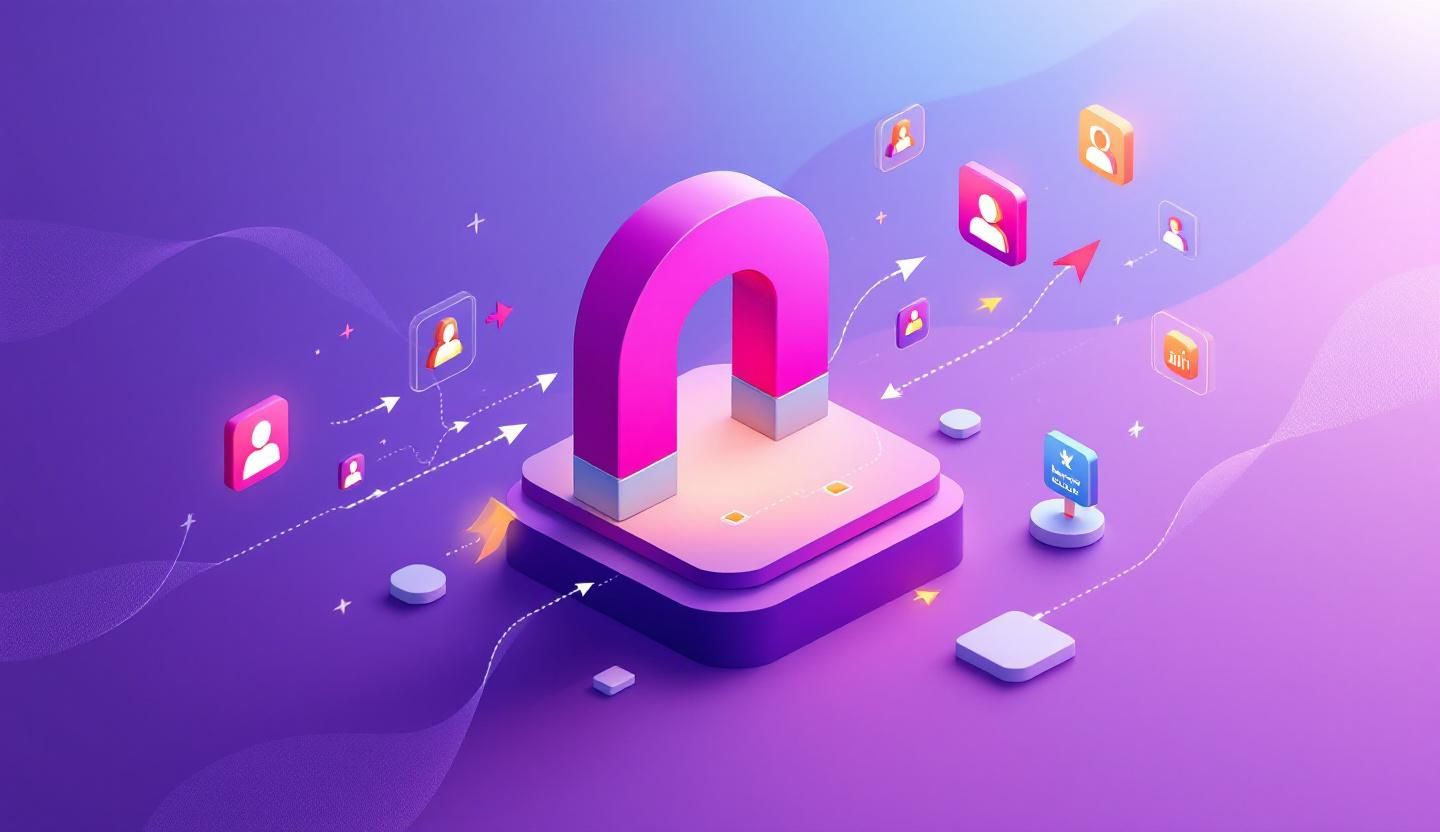
There's a fundamentally better approach than using 25+ LinkedIn outreach tools: building LinkedIn inbound authority that makes outreach tools unnecessary. Instead of automating cold outreach at scale, position yourself so qualified prospects discover you, engage with your expertise, and reach out when they're ready to buy. The ROI difference isn't marginal—it's transformational.
Key Takeaways
The professionals with the fullest pipelines aren't those with the best outreach tool stacks—they're those who've built authority so compelling that prospects seek them out.
Want to Generate Consistent Inbound Leads from LinkedIn?
Get our complete LinkedIn Lead Generation Playbook used by B2B professionals to attract decision-makers without cold outreach.
No spam. Just proven strategies for B2B lead generation.
Five principles for moving beyond outreach tools:
- Authority beats automation - Build trust that attracts instead of tools that interrupt
- Simplicity beats complexity - One inbound platform beats multiple outreach tools
- Compound beats linear - Authority grows stronger; campaigns just repeat
- Quality beats quantity - 10 inbound leads beat 100 cold contacts
- Sustainability beats optimization - Build assets that work regardless of tool changes
Stop building your LinkedIn outreach tool stack. Start building authority that makes the entire stack unnecessary.
The LinkedIn Outreach Tool Dilemma
The Promise vs. The Reality
LinkedIn outreach automation tools promise compelling benefits:
Time Efficiency: Automate repetitive tasks like sending connection requests and follow-ups.
Mass Personalization: Deliver customized outreach at scale using merge tags and templates.
Performance Tracking: Comprehensive reporting on campaign metrics and response rates.
Response Rate Optimization: A/B testing capabilities for messaging variations.
Platform Integration: Seamless connections with CRM systems for workflow automation.
These capabilities are real. The tools do what they promise. But they all share a fundamental limitation: they optimize interruption, not attraction.
The Tool Stack Complexity
To maximize LinkedIn outreach, you're told to combine multiple specialized tools:
Connection Automation:
- Sales Navigator ($99/month) - Advanced search and targeting
- Dripify ($59-99/month) - Lead generation campaigns
- We-Connect ($49/month) - Secure connection automation
Messaging Automation:
- Expandi ($99/month) - Multi-channel sequences
- Waalaxy ($60/month) - Combined email and LinkedIn messaging
Data Enrichment:
- PhantomBuster ($56-352/month) - Profile scraping and data extraction
- LeadFuze ($147-397/month) - Contact data enrichment
Analytics & Optimization:
- LinkedIn Campaign Manager - Native analytics
- Third-party dashboard tools for cross-platform reporting
The total cost: Easily $200-500+/month for a comprehensive stack.
The result: You're managing multiple platforms, monitoring campaigns across tools, optimizing sequences, and still getting 5-15% response rates from cold outreach.
The LinkedIn Limitations Problem
Even with the best tools, you're constrained by LinkedIn's restrictions:
- 200 connection requests per day maximum
- 150 messages per day limit
- 150 profile visits per day cap
- Automated activity detection systems
- Account restrictions for policy violations
Outreach tools help you navigate these limits "safely"—but they can't eliminate them. You're still fundamentally limited in how many people you can interrupt per day.
The Hidden Costs
Beyond subscription fees, LinkedIn outreach tools carry additional costs:
Time Investment:
- Learning multiple platforms
- Setting up and monitoring campaigns
- Optimizing messaging and targeting
- Managing integrations and workflows
- 10-15 hours weekly on campaign management
Risk Exposure:
- Account restrictions despite using "safe" tools
- Platform policy changes invalidating your approach
- Reputation damage from scaled automation
- No guarantees despite careful compliance
Opportunity Cost:
- Not building authority that compounds
- Not creating content that works indefinitely
- Not positioning for long-term success
- Not attracting higher-quality prospects
You can invest thousands of dollars annually in tools and hundreds of hours in optimization, and you're still chasing prospects who don't know you.
The Inbound Authority Alternative
A Different ROI Calculation
LinkedIn inbound authority operates from completely different economics:
Investment:
- ConnectSafely.ai: from USD $10/month
- Time: 2-3 hours/week (vs. 10-15 for outreach)
- Learning curve: Minimal
- Risk: Zero platform violation exposure
Returns:
- 10-20 qualified inbound leads/month
- 14.6% close rate vs. 1.7% for cold outreach
- 3-5X faster sales cycles
- Growing authority asset that compounds
The difference: You're spending less money, less time, taking less risk, and getting fundamentally better results.
How Inbound Authority Works

Building authority that attracts inbound leads involves three integrated strategies:
Step 1: Strategic Visibility Through Engagement
Instead of automating connection requests to cold prospects, engage authentically in conversations where your ideal clients already pay attention.
Identify High-Value Conversations:
- Posts from thought leaders your prospects follow
- Discussions about problems you solve
- Industry topics your ICP cares about
Contribute Meaningful Insights:
- Comments that add genuine perspective
- Questions that spark deeper thinking
- Data or frameworks that enhance discussion
Build Recognition Through Consistency:
- Regular presence in key conversations
- Quality engagement over volume
- Focus on relevance and value
When prospects repeatedly see your thoughtful contributions, they notice. They visit your profile. They follow you. They begin to see you as someone worth knowing—and eventually, worth contacting.
No connection automation required. No daily limits apply. No risk of restrictions.
Step 2: Authority-Building Content
Instead of optimizing message templates and sequences, create content that demonstrates why you're worth listening to.
Share Your Unique Perspective:
- Insights from actual client work
- Frameworks you've developed
- Contrarian takes on conventional wisdom
Demonstrate Expertise:
- Case studies (appropriately anonymized)
- Industry predictions based on patterns
- Data-backed analysis and recommendations
Invite Dialogue:
- Questions that spark engagement
- Responses that continue conversations
- Perspectives that generate discussion
The combination creates compound effects—visibility makes people aware of you, content establishes your authority, dialogue builds relationships.
No messaging automation required. No A/B testing needed. No campaign management overhead.
Step 3: Profile Optimization for Conversion
Instead of integrating multiple tools and managing complex workflows, optimize your profile to convert the attention you're earning.
Outcome-Focused Headline: Not your job title—the result you deliver for clients.
Qualifying About Section: Clear articulation of who you help and what problems you solve.
Featured Social Proof: Your best content and testimonials prominently displayed.
Clear Next Step: An obvious way for interested prospects to start a conversation.
When prospects find you through engagement and content, your profile converts attention into inbound inquiries—no CRM integration or workflow automation needed.
Why Inbound Outperforms Outreach Tool Stacks
The Performance Comparison
Let's compare actual results:
- Investment: $200-500/month in tools
- Time: 10-15 hours/week managing campaigns
- Reach: Limited by LinkedIn's daily caps
- Response rate: 5-15% for cold outreach
- Conversion: 1.7% close rate
- Risk: Ongoing account restriction exposure
LinkedIn Inbound Authority:
- Investment: from USD $10/month (ConnectSafely.ai)
- Time: 2-3 hours/week on engagement and content
- Reach: Unlimited (organic visibility)
- Inquiry rate: 10-20 qualified leads/month
- Conversion: 14.6% close rate
- Risk: Zero (doing what platform rewards)
The math: You're spending 75-90% less money, 70-80% less time, taking zero platform risk, and closing 8-9X more leads.
The Lead Quality Difference

Beyond efficiency, inbound leads are fundamentally different quality:
Outreach Tool Leads Arrive:
- Skeptical of your motives
- Unfamiliar with your expertise
- Requiring extensive education
- Needing to be convinced of your credibility
- Comparing you to other cold outreach they received
Inbound Authority Leads Arrive:
- Already familiar with your thinking
- Pre-sold on your methodology
- Confident you understand their challenges
- Ready to discuss solutions, not needing education
- Choosing you specifically based on demonstrated expertise
This quality difference transforms every aspect of your sales process—from initial conversations to final close.
The Compound Advantage
Outreach tools produce linear results. Inbound authority compounds:
Outreach Tool Pattern:
- Month 1: Run campaigns, generate leads
- Month 3: Run campaigns, generate leads
- Month 6: Run campaigns, generate leads
- Month 12: Run campaigns, generate leads
- Stop campaigns → leads stop immediately
Inbound Authority Pattern:
- Month 1: Build visibility, establish presence
- Month 3: Growing recognition, increasing engagement
- Month 6: Authority established, consistent inquiries
- Month 12: Recognized expert, steady qualified opportunities
- Content and reputation work indefinitely
Each piece of content, each strategic comment, each thoughtful insight builds on everything before it. Your authority asset grows stronger over time while outreach campaigns reset with each new sequence.
The Multi-Channel Integration Reality
The outreach tool advice often recommends combining LinkedIn with email for "multi-channel" reach. But consider:
With Outreach Tools: You're cold on LinkedIn AND cold via email. You're interrupting on multiple channels, not building trust on any.
With Inbound Authority: Your LinkedIn authority makes email outreach work better. When you do send selective emails to warm connections, recipients recognize your name, have seen your expertise, and respond differently.
The best multi-channel strategy isn't interrupting on multiple platforms—it's building authority on one platform that makes all channels more effective.
How ConnectSafely.ai Replaces Your Tool Stack
ConnectSafely.ai is the #1 LinkedIn Inbound Lead Generation Platform because it delivers better results than entire outreach tool stacks at a fraction of the cost.
What ConnectSafely.ai Replaces
Instead of Connection Automation Tools: Strategic engagement that makes people want to connect with you.
Instead of Messaging Automation: Authority-building content that answers questions before prospects ask.
Instead of Data Enrichment Tools: Profile optimization that qualifies prospects as they discover you.
Instead of Analytics Dashboards: Simple metrics: inbound inquiry rate and conversion rate.
Instead of CRM Integration Complexity: Straightforward workflow: prospects reach out → you respond.
Platform-Compliant Engagement
ConnectSafely.ai automates the visibility-building activities LinkedIn explicitly rewards:
- AI-powered commenting that sounds like you, not a bot
- Strategic targeting of high-value conversations
- Consistent engagement that builds recognition over time
- Activities LinkedIn wants to see more of
The Cost Comparison
Traditional Outreach Stack:
- Sales Navigator: $99/month
- Connection automation: $49-99/month
- Messaging automation: $99/month
- Data enrichment: $56-147/month
- Total: $303-442/month minimum
ConnectSafely.ai:
- Complete inbound authority system: from USD $10/month
- Savings: $264-403/month
You're paying 90% less while building an approach that converts 8-9X better.
Results ConnectSafely.ai Users Experience
- 10-20 qualified inbound leads per month from strategic positioning
- 70%+ positive conversations vs. 5-15% outreach response rates
- 8-9X higher conversion rates because leads arrive pre-qualified
- Zero ban risk with platform-compliant engagement
- 8+ hours saved weekly on campaign management
- $264-403 saved monthly vs. outreach tool stacks
Making the Transition
From Tool Stack to Authority Building
Transitioning from outreach tools to inbound authority involves strategic shifts:
From "Which tools should I use?" to "What authority should I build?" Stop optimizing your tool stack. Start demonstrating your expertise.
From "How do I scale outreach?" to "How do I scale visibility?" Stop automating interruption. Start earning attention.
From "What's my response rate?" to "What's my inquiry rate?" Stop measuring how many strangers respond. Start measuring how many prospects reach out.
From "How do I integrate platforms?" to "How do I integrate insights?" Stop connecting tools. Start connecting ideas that demonstrate value.
The Implementation Path
Week 1-2: Strategic Assessment
- Audit current outreach tool ROI honestly
- Identify conversations where ICP pays attention
- Assess your content and engagement presence
Week 3-4: Foundation Building
- Begin consistent strategic engagement
- Develop authority-building content
- Optimize profile for inbound conversion
- Pause (don't cancel yet) outreach campaigns
Month 2: Scale with ConnectSafely.ai
- Automate strategic engagement in targeted conversations
- Maintain consistent visibility without daily manual work
- Build recognition with your ideal client profiles
- Compare inbound inquiry quality to outreach leads
Month 3+: Full Transition
- Cancel outreach tools as inbound leads exceed outreach volume
- Enjoy compound returns as authority grows
- Reinvest tool savings into content or other growth initiatives
- Scale confidently with an appreciating authority asset
FAQ: LinkedIn Outreach Tools vs. Inbound Authority
Which tool should I use for LinkedIn outreach?
The question assumes you need outreach tools at all. The best LinkedIn strategy isn't finding the perfect outreach tool—it's building inbound authority that makes outreach unnecessary. Inbound authority delivers 10-20 qualified leads per month from USD $10/month with zero account risk, versus outreach tool stacks costing $200-500/month with ongoing restriction exposure and 1.7% conversion rates.
How much do I need to spend on LinkedIn tools?
A comprehensive LinkedIn outreach stack typically costs $200-500+/month including Sales Navigator ($99/month), connection automation ($49-99/month), messaging automation ($99/month), and data enrichment ($56-147/month). Plus 10-15 hours weekly managing campaigns. In comparison, ConnectSafely.ai starts from USD $10/month and requires only 2-3 hours weekly, saving $264-403 monthly.
Do automation tools work on LinkedIn?
LinkedIn automation tools do what they promise—they automate connection requests and messages. But they all share a fundamental limitation: they optimize interruption, not attraction. With 5-15% response rates and 1.7% conversion, plus ongoing account restriction risks, they deliver poor ROI compared to inbound authority's 14.6% close rate and zero ban risk.
Should I stack multiple LinkedIn tools?
Yes, but combining multiple tools increases complexity, cost, and risk without proportional results. You're still fundamentally interrupting strangers who didn't ask to hear from you, just on more platforms. Inbound authority building delivers better results than any combination of outreach tools because prospects arrive pre-qualified and pre-sold.
What's better ROI - tools or inbound?
LinkedIn outreach tools typically cost $200-500/month plus 10-15 hours weekly, generating 2-4 qualified leads monthly at 1.7% close rate. Inbound authority with ConnectSafely.ai starts from USD $10/month plus 2-3 hours weekly, generating 10-20 qualified leads monthly at 14.6% close rate—delivering 5-10X more customers at 75-90% lower cost.
Are outreach tools safe on LinkedIn?
Even "safe" outreach tools carry ongoing account restriction risk because they automate activities LinkedIn wants to limit. LinkedIn's detection systems continuously improve, and platform policy changes can invalidate your approach overnight. Inbound authority has zero compliance risk because you're doing what the platform actively rewards—sharing valuable content and engaging thoughtfully.
Ready to replace your outreach tools with inbound authority? Start your free trial of ConnectSafely.ai and discover what happens when you stop chasing prospects—10-20 qualified inbound leads per month, 8-9X better conversion rates, and $264-403 saved monthly vs. outreach tool stacks.
Because the best LinkedIn tool isn't better automation. It's becoming someone prospects want to find.
The Dark Side of Outreach Tools: Unintended Consequences on Personal Branding
When leveraging LinkedIn outreach tools, it's essential to consider the potential impact on your personal branding. While these tools can save time and increase reach, they can also lead to a phenomenon known as "outreach fatigue." This occurs when your connections begin to feel bombarded by automated messages, causing them to tune out or even block you. Furthermore, over-reliance on outreach tools can result in a lack of genuine, human interaction, which is critical for building trust and establishing a strong personal brand. It's crucial to strike a balance between efficiency and authenticity, ensuring that your outreach efforts don't come at the cost of your professional reputation. A strategic approach to personal branding involves focusing on high-quality, engaging content and meaningful conversations, rather than relying solely on automated outreach. By doing so, you can maintain a strong online presence and avoid the potential pitfalls of outreach tool overuse.
Myth vs Reality: The Automation Myth and Its Impact on Human Connection
A common misconception in the world of LinkedIn marketing is that automation is the key to success. Many believe that by leveraging outreach tools, they can scale their efforts and reach a wider audience without sacrificing personal touch. However, this myth neglects the importance of human connection in building meaningful relationships. While automation can certainly streamline processes, it often comes at the cost of authenticity and emotional intelligence. In reality, people are more likely to engage with and trust individuals who demonstrate empathy, vulnerability, and a genuine interest in their needs and concerns. By prioritizing human connection and focusing on building strong relationships, you can create a loyal network of advocates who will champion your brand and drive real results. It's time to debunk the automation myth and recognize the value of personal, human interaction in achieving long-term success on LinkedIn.
Advanced-Level: Leveraging Inbound Authority to Create a Flywheel Effect
For experienced marketers, creating a flywheel effect is the ultimate goal. This occurs when your inbound authority reaches a critical mass, generating a self-sustaining cycle of engagement, leads, and revenue. To achieve this, you must focus on creating high-quality, relevant content that resonates with your target audience. This content should be designed to attract and educate, rather than simply promote or sell. By doing so, you can establish yourself as a thought leader and build trust with your audience. As your authority grows, so does your reach, and your content begins to attract high-quality leads. These leads, in turn, become advocates, sharing your content and driving even more leads to your doorstep. The flywheel effect is a powerful force that can propel your business forward, but it requires a deep understanding of inbound marketing principles and a strategic approach to content creation. By leveraging inbound authority and creating a flywheel effect, you can achieve exponential growth and establish a dominant position in your industry.
The Hidden Cost of Tool Switching: Preserving Institutional Knowledge and Avoiding Vendor Lock-In
When evaluating LinkedIn outreach tools, it's essential to consider the potential costs of switching vendors. While it may seem convenient to jump from one tool to another in search of the perfect solution, this approach can lead to a significant loss of institutional knowledge and a substantial increase in switching costs. Each time you switch tools, you must relearn the platform, rebuild your workflows, and retrain your team. This can result in a significant decrease in productivity and an increase in errors. Furthermore, vendor lock-in can be a major concern, as many tools use proprietary formats or restrict data export. To avoid these pitfalls, it's crucial to carefully evaluate your tool choices and consider the long-term implications of vendor lock-in. By prioritizing flexibility, scalability, and data portability, you can preserve institutional knowledge and avoid the hidden costs of tool switching.
Edge Cases: When Outreach Tools Backfire – Understanding the Risks of Over-Automation
While LinkedIn outreach tools can be incredibly effective, there are situations in which they can backfire. One such scenario is over-automation, where the reliance on tools leads to a lack of personal touch and a decrease in engagement. This can occur when messages are overly generic, lack empathy, or fail to account for the recipient's specific needs and concerns. Another edge case is the "spray and pray" approach, where tools are used to blast messages to a large audience without proper targeting or segmentation. This can result in a high volume of unqualified leads and a significant waste of resources. To avoid these risks, it's essential to understand the limitations of outreach tools and to use them in a strategic, targeted manner. By doing so, you can minimize the risks of over-automation and ensure that your outreach efforts are effective, efficient, and respectful of your audience's time and attention.
See How It Works
Watch how people get more LinkedIn leads with ConnectSafely




Related Articles