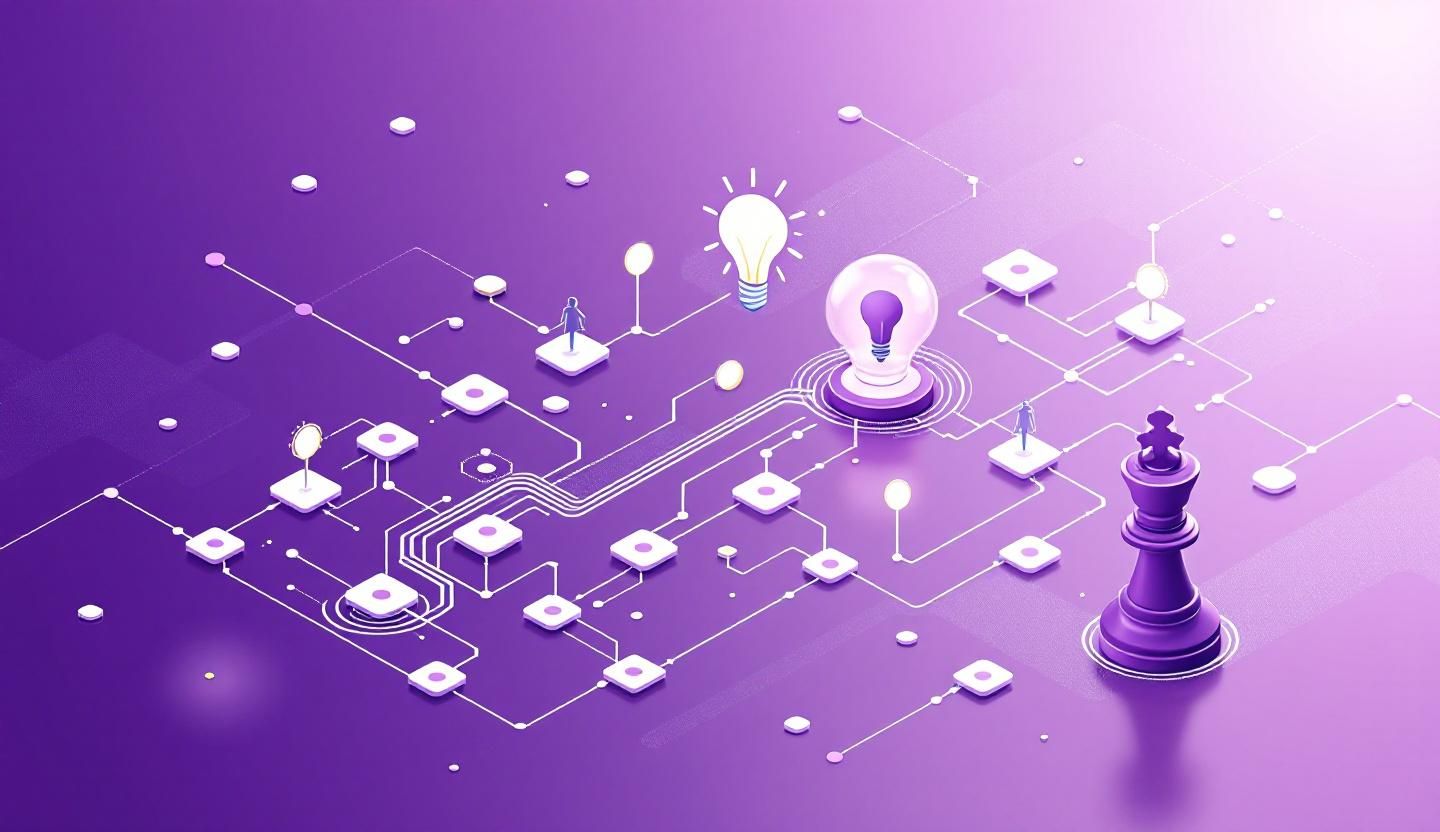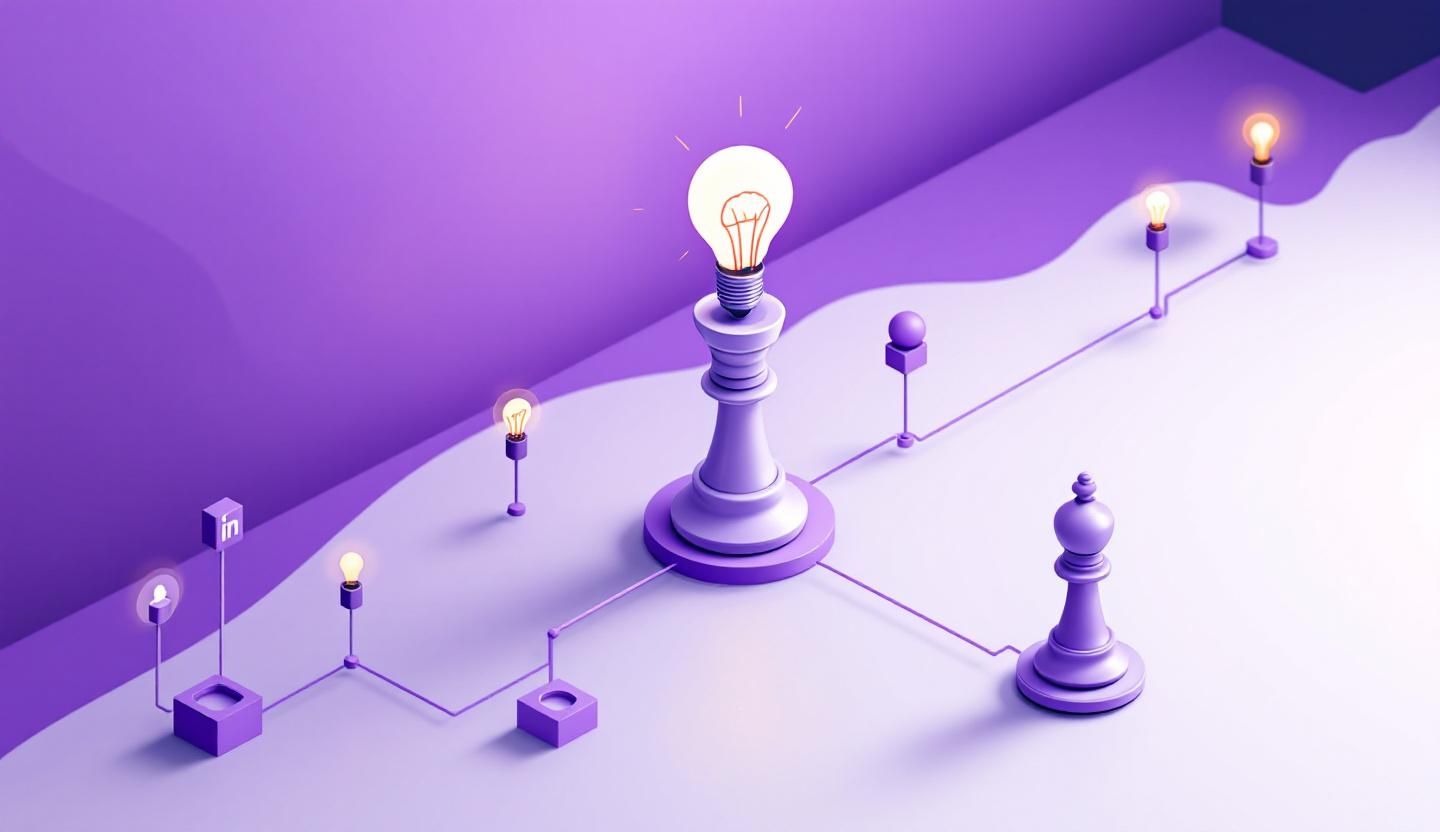
Advanced Multichannel Conditions: Branching Logic
If-then branching turns generic cadences into responsive campaigns. Here are 5 advanced multichannel condition templates that adapt to prospect behavior.


Linear cadences are dead. The teams getting 25%+ reply rates in 2026 aren't running rigid 10-touch sequences — they're running campaigns that branch based on what each prospect actually does. Opened the email? Send a LinkedIn touch. Connected on LinkedIn? Pause the cold email and switch to InMail. Replied with interest? Stop the cadence and route to a rep.
This is what "advanced multichannel conditions" means: if-then logic that turns a generic outreach sequence into a responsive campaign. Lemlist's research on conditional sequences shows that branching cadences outperform linear ones by 35-50% on reply rates while reducing prospect fatigue by 60%+. The framework is simple. The implementation is where most teams break down.
Want to Generate Consistent Inbound Leads from LinkedIn?
Get our complete LinkedIn Lead Generation Playbook used by B2B professionals to attract decision-makers without cold outreach.
No spam. Just proven strategies for B2B lead generation.
This guide covers the core branching primitives, five proven condition templates you can copy directly, and the common pitfalls that turn well-intentioned conditional campaigns into operational disasters.
Key Takeaways
- Linear cadences send the same touches regardless of behavior. Conditional cadences adapt — replied prospects exit, opened-no-reply prospects get a channel swap, ignored prospects get a pattern break.
- The four core branching primitives are: replied, opened, clicked, and connected. Most advanced templates combine these.
- Branching cadences outperform linear cadences by 35-50% on reply rates while reducing fatigue.
- The most common branch is "opened-no-reply → LinkedIn touch within 48 hours" — a high-leverage move that recovers warm prospects.
- Over-engineering branches is a real risk. Most teams should start with 3-5 conditions, not 15.
- ConnectSafely.ai's Outreach Campaigns support behavior-based branching natively without requiring custom workflows.
What Are Multichannel Advanced Conditions?
Multichannel advanced conditions are if-then rules that change a campaign's behavior based on what the prospect does or doesn't do at each step. Instead of sending Touch 4 to everyone on Day 9, a conditional cadence asks: "Did they open Touch 3? Did they reply? Did they connect on LinkedIn?" — and routes the prospect down a different path based on the answer.
A linear cadence treats every prospect identically. A conditional cadence treats every prospect according to their actual behavior. The difference compounds across thousands of prospects.
The core mechanic is the branch: a decision point in the campaign where the prospect's behavior determines the next touch. Branches can be simple ("if replied, stop") or complex ("if opened twice but not replied within 72 hours, send LinkedIn DM via Account B, then wait 4 days, then send a video email").
The Four Core Branching Primitives
Every advanced multichannel campaign is built from four basic behavioral signals.
1. Replied
The simplest and most important primitive. If a prospect replies to any touch — positive, negative, or neutral — the campaign pauses or stops, and the prospect is routed to a human. Continuing to send automated touches after a reply is the #1 way to destroy trust.
2. Opened
Email opens (and LinkedIn message reads, on platforms that track them) signal attention without commitment. Opened-no-reply is one of the highest-leverage states in outreach — these prospects saw your message, didn't dismiss it, but didn't act. A channel swap within 48 hours often converts them.
3. Clicked
Click signals stronger intent than opens. A prospect who clicked your case study link is meaningfully more engaged than one who only opened the email. Click-triggered branches often route to higher-touch follow-ups: a phone call, a personalized video, or a direct meeting request.
4. Connected
LinkedIn-specific. When a connection request is accepted, the relationship moves from "stranger" to "first-degree connection." This unlocks DMs without InMail credits and adds social proof to subsequent touches. The connected state should trigger a meaningful next move — usually a value-first DM within 24-48 hours.
These four primitives combine into the conditional templates below.
Template 1: Replied → Pause Campaign
The most important branch in any campaign.
If [Reply Received] on any touch:
  → Pause all future touches
  → Notify rep
  → Route to inbox for manual response
This is non-negotiable. Continuing to send automated touches to a prospect who replied — even if the reply was just "not interested right now" — destroys trust and often triggers spam complaints. Every cadence tool supports this branch; not every team turns it on properly.
The subtle version: if a prospect replies with an out-of-office, don't pause the cadence. Resume after the OOO end date. Many tools handle this automatically; verify yours does.
Template 2: Opened-No-Reply → LinkedIn Touch
The highest-leverage branch in modern outreach.
If [Email Opened ≥ 2 times] AND [No Reply within 72 hours]:
  → Wait 24 hours
  → Send LinkedIn connection request with personalized note
  → If accepted, send value-first DM within 48 hours
An opened-no-reply prospect is interested but not yet ready to engage. Hitting them again on the same channel (email) yields diminishing returns. Swapping to LinkedIn breaks the pattern and adds social proof.
Lemlist's data shows this single branch recovers 15-25% of opened-no-reply prospects who would otherwise go silent. It's the highest-ROI condition you can add to a campaign.
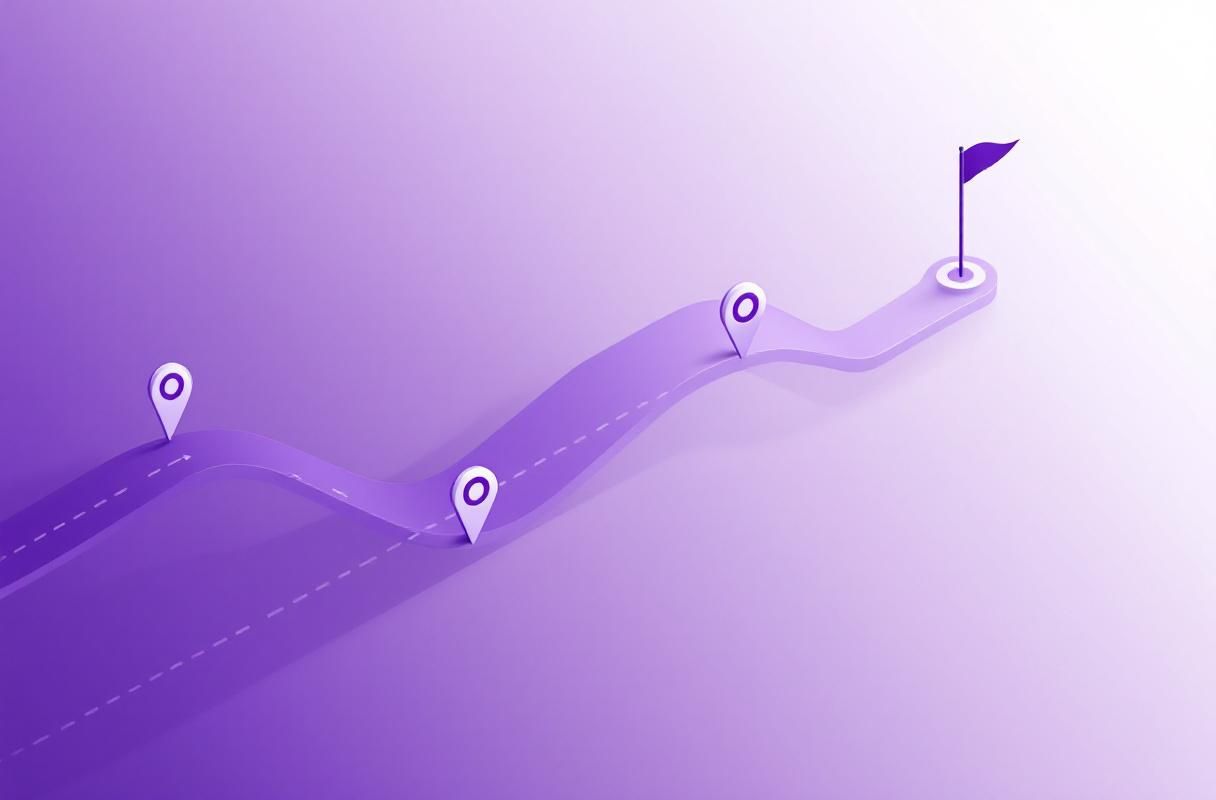
Template 3: Connected → Switch to LinkedIn-Only Cadence
For LinkedIn-first prospects.
If [LinkedIn Connection Accepted] at any point:
  → Pause email cadence
  → Send value-first LinkedIn DM within 48 hours
  → Continue LinkedIn-only touches (DM, comment engagement, content share)
  → Resume email only if no LinkedIn response after 7 days
Some prospects strongly prefer LinkedIn over email. When they accept your connection, that's a signal — they're open to a LinkedIn conversation. Hammering them with email after they've already engaged on LinkedIn feels redundant.
This branch keeps the cadence concentrated on the channel the prospect already chose. If LinkedIn goes silent for a week, you can reintroduce email — but give the connected channel a real chance first.
Template 4: Clicked → Accelerate to Phone
For high-intent prospects.
If [Link Clicked] in any email:
  → Wait 2 hours
  → Send personalized follow-up email referencing the clicked content
  → Wait 24 hours
  → Phone call (rep-driven, not automated)
  → If no answer, leave voicemail + LinkedIn DM same day
A click is the closest thing to intent in cold outreach. The prospect actively chose to engage with content you sent. The right move is to accelerate — don't wait for the next scheduled touch on Day 9 if they clicked on Day 3.
Acceleration branches like this often double conversion rates from clicked prospects because you're catching them while they're still in research mode.
Template 5: Multi-Identity Rotation on Silence
For protecting deliverability and breaking through ignored prospects.
If [No Opens AND No Replies] after 4 touches:
  → Pause cadence on Identity A (current sender)
  → Wait 5-7 days
  → Resume cadence on Identity B (different sender, different domain)
  → Position as a different team member following up
When a prospect has fully ignored Identity A's outreach, sending more from the same sender is wasted effort. Switching to a different sender — a colleague, a different domain, a manager — can break through because the prospect is registering a "new" contact rather than the same one they've been ignoring.
This branch ties directly to multi-identity strategies and sender rotation. It's also one of the most common branches in advanced campaigns because it solves two problems: deliverability (preventing one sender from looking like a single-source spammer) and breakthrough (giving silent prospects a reason to look).
Designing Your Own Conditional Logic
Once you understand the primitives and the templates, you can design branches for your own campaigns. A few principles guide good condition design.
Start With Exits, Not Branches
Before adding sophisticated branching, make sure your campaign properly exits prospects who reply, unsubscribe, or book a meeting. Most "advanced campaign" problems are actually basic exit logic problems.
Prefer Few, Powerful Branches
Three well-designed branches that adapt to clear behaviors will outperform fifteen branches that try to cover every edge case. Each branch you add increases operational complexity and the chance of bugs.
Use Time Delays Generously
Don't trigger the next branch immediately. A prospect who opens an email at 9 AM doesn't want a LinkedIn DM at 9:05 AM. Wait 24-48 hours minimum between detected behavior and the responding action.
Test Branches Like Experiments
Run linear cadence vs. conditional cadence A/B tests on identical prospect pools. Track reply rate, meeting rate, and prospect fatigue (unsubscribe rate, spam complaint rate). Don't assume branches help — measure.
Common Pitfalls
Over-engineered branching trees. Some teams build 12-branch decision trees that no one understands. Six months later, no rep can predict what message a given prospect will receive. Keep it simple.
Failing to exit on reply. Continuing to send automated touches after a prospect replies is the most common cause of damaged sender reputation in outreach.
Branching on weak signals. Treating a single email open as a strong intent signal leads to false positives. Most platforms now track email opens unreliably (image preloading by mail clients inflates open rates). Treat opens as a tiebreaker, not a primary signal.
Triggering branches too fast. Sending an immediate LinkedIn DM 5 minutes after the prospect opens an email reads as creepy automation. Time delays are mandatory.
Branches that re-introduce closed channels. If you paused email because the prospect connected on LinkedIn, re-introducing email a day later signals you don't actually respect their channel preference. Give the chosen channel a real window before reverting.
Ignoring deliverability impact. Some branching patterns concentrate too much volume on one mailbox or one LinkedIn account, killing deliverability. Branch logic and identity rotation should be designed together.
How ConnectSafely.ai Handles Advanced Conditions
Most outreach tools treat branching as a power-user feature buried three menus deep. ConnectSafely.ai's upcoming Outreach Campaigns feature treats branching as the default — because that's what 2026 outreach actually requires.
Specifically:
- Native behavior tracking across email opens, clicks, replies, LinkedIn connection state, and LinkedIn message reads.
- Pre-built condition templates for the five branches covered above, ready to deploy without custom logic.
- Identity-aware branching that coordinates sender rotation with conditional logic, so silent prospects automatically get a fresh sender.
- Safety guardrails — campaigns can't be configured in ways that exceed safe touch density or skip mandatory reply-exit logic.
- Ethical defaults — no dark patterns, no aggressive volume settings that trigger account restrictions.
The point isn't to add branches for the sake of branches. The point is to run campaigns that respect prospect behavior. ConnectSafely is built around that principle.
Frequently Asked Questions
What are advanced multichannel conditions in outreach campaigns?
Advanced multichannel conditions are if-then rules that change a campaign's behavior based on prospect actions like opens, clicks, replies, or LinkedIn connection acceptance. Instead of sending the same touches to everyone on a fixed schedule, conditional campaigns route prospects down different paths based on what they actually do. The result is 35-50% higher reply rates and 60%+ lower prospect fatigue compared to linear cadences.
What is the most important branch in a multichannel campaign?
The "replied → pause campaign" branch is non-negotiable. If a prospect replies to any touch — positive, negative, or neutral — all future automated touches should stop and the prospect should be routed to a rep for manual handling. Continuing to send automated messages after a reply is the most common cause of damaged sender reputation and lost deals.
How does opened-no-reply branching work?
Opened-no-reply branching detects prospects who opened an email two or more times within 72 hours but didn't respond, then routes them to a different channel — typically a LinkedIn connection request followed by a value-first DM. This single branch recovers 15-25% of opened-no-reply prospects who would otherwise go silent, making it one of the highest-ROI conditions in modern outreach campaigns.
How many branches should an outreach campaign have?
Most teams should start with 3-5 branches: replied (exit), opened-no-reply (channel swap), connected (switch to LinkedIn-only), clicked (accelerate), and no engagement after 4 touches (identity rotation). Adding more branches increases operational complexity and the chance of bugs. Three powerful branches consistently outperform fifteen marginal ones.
Which tools support advanced multichannel branching in 2026?
Leading platforms with native branching include Lemlist, Outreach, Salesloft, and ConnectSafely.ai's upcoming Outreach Campaigns feature. The key capabilities to look for are: behavior tracking across email and LinkedIn, pre-built condition templates, identity-aware branching that coordinates with sender rotation, and safety guardrails that prevent unsafe campaign configurations. ConnectSafely.ai is purpose-built for ethical conditional campaigns with built-in identity rotation and reply-exit defaults.
Linear cadences treat every prospect like they're the same person. They aren't. Conditional campaigns acknowledge that a prospect who opened your email twice is different from one who ignored you completely, and responds accordingly.
If you're ready to upgrade from rigid sequences to responsive campaigns, explore ConnectSafely.ai and see how Outreach Campaigns make advanced multichannel branching accessible without the operational complexity.
See How It Works
Watch how people get more LinkedIn leads with ConnectSafely




Related Articles