Multichannel Cold Outreach: LinkedIn + Email Strategy
Multichannel cold outreach combining LinkedIn and email gets 40% more engagement. But inbound at $39/mo converts 8.5X better. Full strategy inside.

Single-channel cold outreach is dying. Email response rates sit between 1-10%. LinkedIn messages perform only slightly better at 5-20%. If you are still relying on one channel alone, you are leaving pipeline on the table.
Multichannel cold outreach -- combining email, LinkedIn, and phone in a coordinated sequence -- delivers 40% higher engagement and 31% lower cost per lead than single-channel campaigns. That said, there is a ceiling. Even the best multichannel cold outreach strategy cannot match the 14.6% close rate that inbound leads deliver, compared to outbound's 1.7%. This guide covers the full multichannel playbook, the best tools available in 2026, and why the smartest teams are shifting spend toward inbound authority instead.
Want to Generate Consistent Inbound Leads from LinkedIn?
Get our complete LinkedIn Lead Generation Playbook used by B2B professionals to attract decision-makers without cold outreach.
No spam. Just proven strategies for B2B lead generation.
Key Takeaways
- Omnichannel outreach campaigns produce 40% more engagement and 31% lower CPL than single-channel efforts.
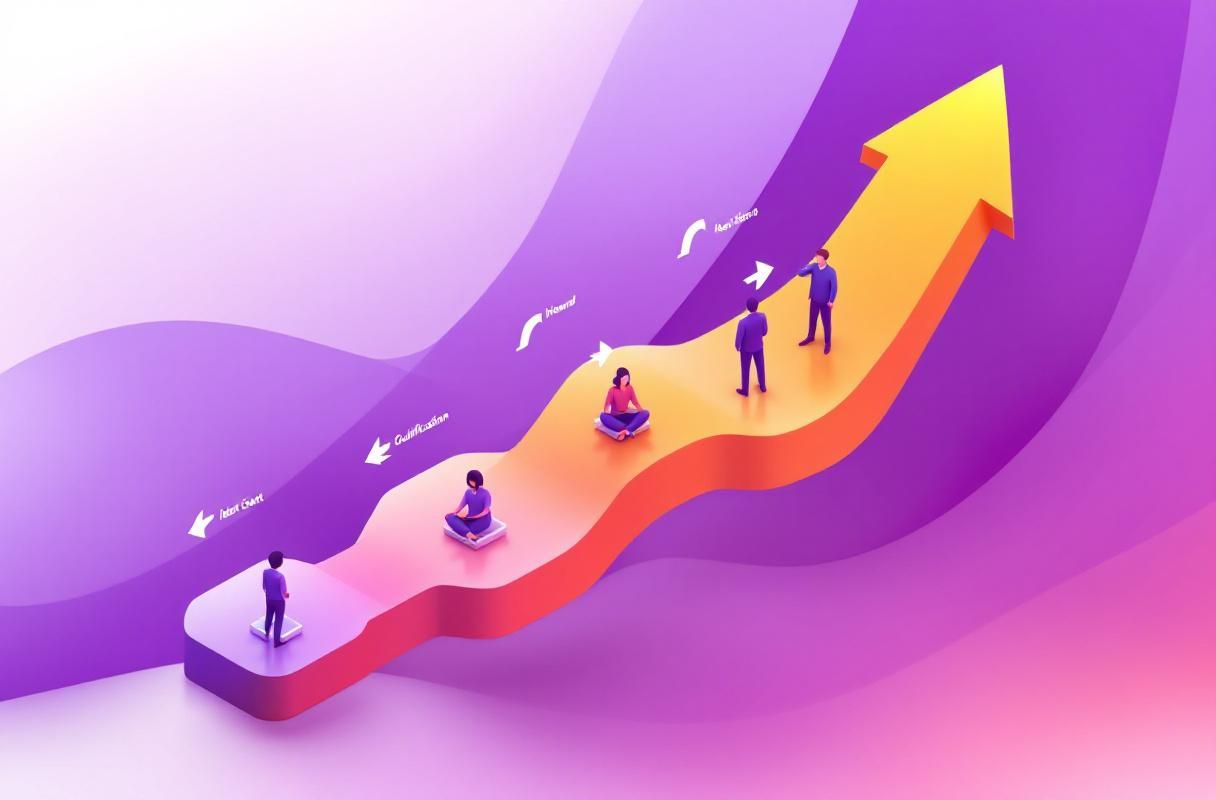
- The ideal sequence is email first (Day 1), LinkedIn connection (Day 3), LinkedIn message (Day 5), phone call (Day 8), and a final follow-up email (Day 10).
- LinkedIn generates 80% of B2B social media leads, making it the highest-value channel in any multichannel mix.
- Combining cold email with LinkedIn outreach and light calling yields 10-21% more replies than any single channel alone.
- Despite multichannel improvements, inbound leads still close at 14.6% vs 1.7% for outbound -- an 8.5X difference that no sequencing can erase.
- ConnectSafely.ai offers inbound authority building from USD $10/month with zero ban risk, eliminating the need for complex multichannel toolstacks.
What Is Multichannel Cold Outreach?
Multichannel cold outreach is the practice of contacting prospects across two or more channels -- typically email, LinkedIn, and phone -- in a coordinated, timed sequence. Instead of blasting 500 cold emails and hoping for replies, you create multiple touchpoints that surround a prospect with relevant, personalized messages.
The logic is sound. Buyers operate across channels. They check email in the morning, scroll LinkedIn at lunch, and answer calls in the afternoon. Reaching them where they already are increases the odds of a response.
Research from SalesRobot shows that omnichannel campaigns yield 40% higher engagement rates compared to single-channel approaches. The cost per lead drops by 31% because you are not relying on volume from a single source.
But multichannel outreach is not the same as spamming three channels simultaneously. The difference lies in sequencing, timing, and personalization -- the topics we cover next.
The Ideal Multichannel Sequence
The most effective multichannel sequences follow a specific rhythm. Rushing the cadence feels aggressive. Stretching it too thin loses momentum. Here is the sequence that consistently performs best in 2026.
Day 1: Cold Email (Opening Touch)
Start with email. It is the least intrusive channel and gives the prospect time to evaluate your message on their own terms. Keep the email under 100 words, reference something specific about their company or role, and ask a single question.
Do not pitch in the first email. Your only goal is a reply.
Day 3: LinkedIn Connection Request
Two days after the email, send a LinkedIn connection request with a personalized note. Reference your email without being pushy -- something like "Sent a note about [topic] earlier this week. Would love to connect here too."
This is where LinkedIn's dominance in B2B becomes critical. LinkedIn accounts for 80% of high-quality B2B social media leads, so this touchpoint carries disproportionate weight.
Day 5: LinkedIn Direct Message
If they accept your connection request, send a value-first message. Share a relevant case study, article, or insight. Do not ask for a meeting yet.
If they have not accepted, engage with one of their recent posts. A thoughtful comment keeps you visible without being intrusive.
Day 8: Phone Call (Light Touch)
A brief, well-timed phone call can break through when digital channels have not. Reference your previous touchpoints: "I sent an email and connected on LinkedIn about [topic]. Wanted to put a voice to the name."
Keep it under two minutes. Offer to send a calendar link rather than pushing for an immediate meeting.
Day 10: Final Follow-Up Email
Close the sequence with a breakup email. Summarize your value proposition, acknowledge their busy schedule, and leave the door open. This email often gets the highest reply rate because it removes pressure.
Timing Summary Table
| Day | Channel | Action | Goal |
|---|---|---|---|
| 1 | Personalized cold email | Open a conversation | |
| 3 | Connection request with note | Establish social proof | |
| 5 | DM or comment engagement | Deliver value | |
| 8 | Phone | Brief warm call | Add personal touch |
| 10 | Breakup follow-up | Create urgency |
Channel-by-Channel Breakdown
Not all channels perform equally. Understanding the strengths and limitations of each helps you allocate effort where it matters most.
Email remains the backbone of B2B outreach because of scale. You can send hundreds of emails per day with proper infrastructure (domain warming, SPF/DKIM, inbox rotation). But scale comes with diminishing returns.
Average reply rates sit between 1-10%, depending on industry, personalization, and list quality. In 2026, AI-driven spam filters are flagging templated sequences more aggressively than ever. Generic outreach is being filtered before it reaches the inbox.
Best for: Initial touchpoint, scalable follow-ups, sharing resources.
LinkedIn outreach delivers the highest reply rates of any B2B channel at 5-20%. The reason is context. When you message someone on LinkedIn, they can immediately see your profile, headline, mutual connections, and content history. That built-in social proof does the selling before your message even gets read.
The constraint is volume. LinkedIn limits connection requests to roughly 100 per week, and aggressive outreach triggers account restrictions. This is where understanding LinkedIn's automation boundaries becomes essential.
Best for: High-intent touches, relationship building, social proof.
Phone
Cold calling is not dead, but its role has changed. In a multichannel sequence, the phone is a support channel, not the lead channel. Calling a prospect who has already seen your email and LinkedIn presence converts 10-21% better than a pure cold call.
Best for: Breaking through after digital touches, high-value accounts, adding personal connection.
Channel Comparison Table
| Channel | Reply Rate | Scalability | Cost | Risk |
|---|---|---|---|---|
| Cold Email | 1-10% | High (500+/day) | Low ($50-200/mo tools) | Spam filters, domain blacklisting |
| LinkedIn DM | 5-20% | Low (100 requests/week) | Medium ($79-300/mo tools) | Account bans, restrictions |
| Phone | 2-5% cold, 10-15% warm | Very Low | High (SDR time) | Time-intensive, gatekeepers |
| Multichannel Combined | 15-25% | Medium | Medium ($150-500/mo total) | Complexity, tool management |
Best Multichannel Outreach Tools
Several platforms have emerged to manage multichannel sequences from a single dashboard. Here is how the leading tools compare in 2026.
| Tool | Channels | Starting Price | Best For | Key Limitation |
|---|---|---|---|---|
| Lemlist | Email + LinkedIn + Calls | $59/mo | Email-first sequences with LinkedIn steps | LinkedIn automation requires browser extension |
| Expandi | LinkedIn + Email | $99/mo | LinkedIn-heavy outreach | No native phone integration |
| Apollo.io | Email + Phone + LinkedIn | $49/mo | Data + outreach in one platform | LinkedIn features are limited |
| MeetAlfred | LinkedIn + Email + Twitter | $59/mo | Multi-social selling | Smaller user base, less frequent updates |
All four tools require careful setup to avoid triggering LinkedIn restrictions. You need dedicated LinkedIn accounts, proxy configurations, and warm-up periods. The complexity adds operational overhead that most teams underestimate.
This is one reason why teams evaluating LinkedIn automation tools increasingly consider whether the infrastructure burden is worth the marginal reply rate improvement.
Common Multichannel Mistakes
Even well-designed multichannel campaigns fail when teams make these errors.
Sending identical messages across channels. If your LinkedIn DM is a copy-paste of your email, you look lazy. Each channel needs a distinct message that references the others without repeating them.
Moving too fast between touches. Hitting someone on email, LinkedIn, and phone within 48 hours feels like harassment, not persistence. Space touches 2-3 days apart minimum.
Skipping personalization for scale. In 2026, AI detection is restricting generic outreach across email and LinkedIn. Platforms are penalizing templated messages that lack genuine personalization. Volume without relevance is just spam with more steps.
Ignoring channel preferences. Some prospects live on LinkedIn and never check cold email. Others never accept connection requests from strangers. Rigid sequences that do not adapt to prospect behavior waste effort.
Over-investing in tooling. A stack of Lemlist + Expandi + a dialer + a CRM can run $300-500/month per seat. Before committing, calculate whether the reply rates justify the spend compared to alternatives like inbound lead generation.
What Most Guides Get Wrong
Here is the uncomfortable truth that multichannel outreach guides never address: they optimize the chase instead of questioning why you are chasing.
Every multichannel strategy starts from the same assumption -- your prospects do not know you exist, so you need to interrupt them across multiple channels until they respond. The entire framework is built on interruption.
The data exposes the problem. Even the best multichannel sequences max out at 15-25% reply rates. And a reply is not a deal. Of those replies, maybe 20-30% are positive. Of those, maybe 10-15% convert to meetings. Of those meetings, maybe 20-30% close.
Run the math on a 1,000-prospect multichannel campaign: 1,000 prospects lead to 200 replies, which lead to 50 positive responses, which produce 7 meetings, which result in 1-2 deals. That is a 0.1-0.2% end-to-end conversion rate from an operation that requires multiple tools, daily management, and constant list building.
Compare that to HubSpot's finding that inbound leads close at 14.6% versus 1.7% for outbound. The difference is not marginal. It is an order of magnitude.
The reason is trust. When a prospect discovers you through your content, engages with your insights, and reaches out on their own terms, they arrive pre-qualified and predisposed to buy. No amount of multichannel sequencing can replicate that dynamic.
Why Inbound Authority Beats Multichannel Cold Outreach
Multichannel cold outreach treats LinkedIn as one channel in a sequence. ConnectSafely.ai treats LinkedIn as the foundation of an inbound authority engine.
The difference matters. When you use LinkedIn for cold outreach, you are borrowing the platform's reach to interrupt strangers. When you use LinkedIn for inbound authority, you are building an asset that compounds over time -- every post, comment, and engagement increases your visibility to the exact people you want to reach.
Here is what inbound authority looks like in practice:
- Consistent, strategic content positions you as a subject-matter expert in your niche.
- Engagement with your ICP's posts makes you visible in the conversations that matter.
- Profile optimization turns visitors into leads without a single cold message.
- Algorithmic amplification rewards genuine engagement with broader reach.
ConnectSafely.ai automates the inbound playbook at from USD $10/month -- less than the cost of most single-channel outreach tools. There are no connection request limits to worry about, no account ban risks, and no complex multichannel toolstacks to manage.
The results speak through the math. If inbound leads close at 14.6% and outbound leads close at 1.7%, every dollar spent building authority delivers 8.5X more revenue than every dollar spent on multichannel cold outreach.
You do not need to reach more people. You need the right people to reach you.
Frequently Asked Questions
What is multichannel cold outreach and how does it work in 2026?
Multichannel cold outreach is the practice of contacting B2B prospects across email, LinkedIn, and phone in a coordinated, timed sequence. In 2026, it works by creating 4-6 touchpoints over 10-14 days, starting with email, moving to LinkedIn, and closing with a phone call or follow-up email. Omnichannel campaigns produce 40% higher engagement than single-channel approaches, but AI-driven spam detection now requires genuine personalization at every touchpoint.
What is the best channel sequence for multichannel B2B outreach?
The highest-performing sequence starts with a personalized cold email on Day 1, followed by a LinkedIn connection request on Day 3, a LinkedIn direct message or comment engagement on Day 5, a brief phone call on Day 8, and a breakup email on Day 10. This sequence works because each channel reinforces the others -- the prospect recognizes your name across platforms, building familiarity before you ask for a meeting.
How do multichannel outreach reply rates compare across email, LinkedIn, and phone?
Cold email delivers 1-10% reply rates depending on personalization and list quality. LinkedIn direct messages average 5-20% reply rates due to built-in social proof. Cold phone calls average 2-5% when truly cold, but 10-15% when the prospect has already seen your email or LinkedIn presence. Combining all three channels in a coordinated sequence typically yields 15-25% total reply rates -- 10-21% more than any single channel alone.
Is multichannel cold outreach better than inbound lead generation?
Multichannel cold outreach produces more replies than single-channel approaches, but inbound lead generation produces dramatically better conversions. According to HubSpot, inbound leads close at 14.6% compared to 1.7% for outbound leads -- an 8.5X difference. The reason is buyer intent: inbound prospects have already self-qualified through engagement with your content. For teams with limited budgets, investing in inbound authority often delivers higher ROI than building a multichannel outreach infrastructure.
What tools are best for managing multichannel cold outreach campaigns?
The leading multichannel outreach tools in 2026 include Lemlist ($59/mo) for email-first sequences with LinkedIn steps, Expandi ($99/mo) for LinkedIn-heavy outreach, Apollo.io ($49/mo) for combined data and outreach, and MeetAlfred ($59/mo) for multi-social selling. Each tool requires careful setup including LinkedIn account warming, proxy configuration, and domain warm-up. An alternative approach is using ConnectSafely.ai (from USD $10/month) for inbound authority building, which eliminates the need for complex multichannel toolstacks and carries zero risk of account bans.
Multichannel cold outreach works better than single-channel in 2026. That is not the question. The question is whether chasing prospects across three channels is the best use of your time and budget when inbound authority delivers 8.5X better conversion rates at a fraction of the cost.
If you are ready to stop chasing and start attracting, explore ConnectSafely.ai pricing and see what inbound authority building looks like from USD $10/month -- no bans, no complex toolstacks, no guessing.
The Dark Side of Multichannel Cold Outreach: When Over-Sequence Kills Pipeline
While multichannel cold outreach can be a powerful strategy, there's a fine line between persistence and annoyance. Over-sequencing can lead to a phenomenon known as "prospect fatigue," where the prospect becomes overwhelmed by the sheer volume of messages across different channels. This can result in a decrease in response rates and even damage to your brand reputation. I've seen cases where sales teams have inadvertently created a "boomerang effect," where prospects who were initially interested become so frustrated with the constant barrage of messages that they not only ignore future outreach attempts but also warn their colleagues about the company's aggressive sales tactics. To avoid this, it's crucial to carefully calibrate the sequence and cadence of your multichannel outreach, taking into account the prospect's preferred communication channels and pace. It's also essential to have a clear "stop loss" mechanism in place, where you cease outreach efforts if the prospect explicitly opts out or remains unresponsive after a predetermined number of attempts.
Myth vs Reality: Debunking the "More Channels, More Conversion" Fallacy
One common misconception in the world of multichannel cold outreach is that adding more channels to the mix will automatically lead to higher conversion rates. While it's true that using multiple channels can increase engagement, there's a point of diminishing returns. In fact, research has shown that using too many channels can actually decrease conversion rates, as prospects become overwhelmed by the sheer volume of messages. Moreover, not all channels are created equal, and some may be more effective than others for specific industries or target audiences. For instance, LinkedIn may be an excellent channel for B2B outreach, but it may not be as effective for B2C companies. Similarly, phone calls may be more effective for high-ticket sales, but may not be as effective for lower-ticket items. The key is to focus on the channels that matter most to your target audience and to use them in a way that's tailored to their preferences and behaviors.
Advanced Multichannel Sequencing: Using AI-Powered Intent Data to Supercharge Pipeline
For advanced practitioners, one of the most exciting developments in multichannel cold outreach is the use of AI-powered intent data to supercharge pipeline. By leveraging machine learning algorithms and natural language processing, companies can now analyze vast amounts of data to identify prospects who are actively researching solutions like yours. This intent data can be used to trigger highly targeted, personalized messages across multiple channels, increasing the likelihood of conversion. For example, a company selling marketing automation software might use intent data to identify prospects who are researching topics like "marketing automation" or "lead generation." They could then use this data to trigger a sequence of messages across email, LinkedIn, and phone, each tailored to the prospect's specific interests and pain points. By using AI-powered intent data, companies can take their multichannel outreach to the next level, achieving higher conversion rates and faster sales cycles.
The Human Element: Why Emotional Intelligence Matters in Multichannel Cold Outreach
While technology has made it easier to automate and scale multichannel cold outreach, it's essential to remember that sales is still a human-to-human activity. Emotional intelligence plays a critical role in building relationships and establishing trust with prospects, even in the context of automated outreach sequences. Companies that prioritize emotional intelligence in their sales teams tend to perform better, as they're able to empathize with prospects, understand their pain points, and tailor their messages accordingly. Moreover, emotional intelligence helps sales teams navigate complex, high-stakes sales conversations, where the stakes are high and the prospect's emotions are running hot. By prioritizing emotional intelligence in their sales strategy, companies can create a more human-centric approach to multichannel cold outreach, one that balances technology with empathy and understanding.
Edge Cases and Exceptions: When Multichannel Cold Outreach Doesn't Work (And What to Do Instead)
While multichannel cold outreach can be an effective strategy for many companies, there are certain edge cases and exceptions where it may not be the best approach. For instance, companies operating in highly regulated industries like finance or healthcare may need to be more cautious in their outreach efforts, as they're subject to strict compliance requirements. Similarly, companies with very niche or specialized products may find that multichannel cold outreach is less effective, as their target audience is highly specialized and may not respond well to broad-based outreach efforts. In these cases, companies may need to rely on more targeted, account-based marketing strategies, where they focus on building relationships with a smaller number of high-value prospects. Alternatively, they may need to use more traditional sales tactics, like trade shows or referrals, to reach their target audience. By understanding these edge cases and exceptions, companies can tailor their sales strategy to their unique needs and circumstances, rather than trying to force-fit a one-size-fits-all approach.
See How It Works
Watch how people get more LinkedIn leads with ConnectSafely

Related Articles