SPIN Selling on LinkedIn: The B2B Sales Framework (2026)
Master the SPIN selling framework for LinkedIn B2B sales. Learn how Situation, Problem, Implication & Need-Payoff questions close more deals in 2026.

SPIN selling was developed from 35,000+ sales call observations by researcher Neil Rackham between 1974 and 1984. Four decades later, it remains one of the most effective B2B sales frameworks—and LinkedIn makes it more powerful than ever.
The key insight: top salespeople don't pitch. They ask questions in a specific sequence that guides buyers to discover their own need for your solution. On LinkedIn, where 80% of B2B social media leads originate, SPIN selling transforms cold outreach into consultative conversations.
Want to Generate Consistent Inbound Leads from LinkedIn?
Get our complete LinkedIn Lead Generation Playbook used by B2B professionals to attract decision-makers without cold outreach.
No spam. Just proven strategies for B2B lead generation.
Key Takeaways
- SPIN stands for Situation, Problem, Implication, Need-Payoff—four question types asked in sequence
- LinkedIn profiles provide free Situation data, letting you skip low-value discovery questions
- Implication questions are the most powerful—they make prospects quantify the cost of inaction
- Inbound authority building pre-qualifies prospects so SPIN conversations start warmer and close faster
What Is SPIN Selling?
SPIN selling is a consultative sales methodology built on four types of questions:
| Type | Purpose | Example |
|---|---|---|
| Situation | Understand the prospect's current state | "What tools does your team use for lead generation?" |
| Problem | Identify pain points and challenges | "What's your biggest challenge with LinkedIn outreach response rates?" |
| Implication | Expand the problem's impact | "If response rates stay at 3%, how does that affect your Q3 pipeline?" |
| Need-Payoff | Guide them to articulate the value of solving it | "What would it mean for your team if leads came to you pre-qualified?" |
According to Highspot's analysis, Rackham's research proved that successful salespeople spend significantly more time on Implication and Need-Payoff questions than average performers—who rush to pitching after identifying a surface-level problem.
Why SPIN Selling Works on LinkedIn
LinkedIn is uniquely suited for SPIN selling because it solves the framework's biggest weakness: the Situation phase.
Traditional SPIN selling requires spending valuable call time asking basic questions about the prospect's role, company, and current tools. On LinkedIn, this information is freely available:
- Profile headline and about section reveal their role and priorities
- Recent posts and comments show what problems they're thinking about
- Company page and job postings indicate growth stage and challenges
- Mutual connections provide warm introduction pathways
- Activity feed reveals engagement with competitor content
According to RepVue's guide, reps who extract contextual details from LinkedIn before conversations sound informed from the start and skip low-value questions entirely.
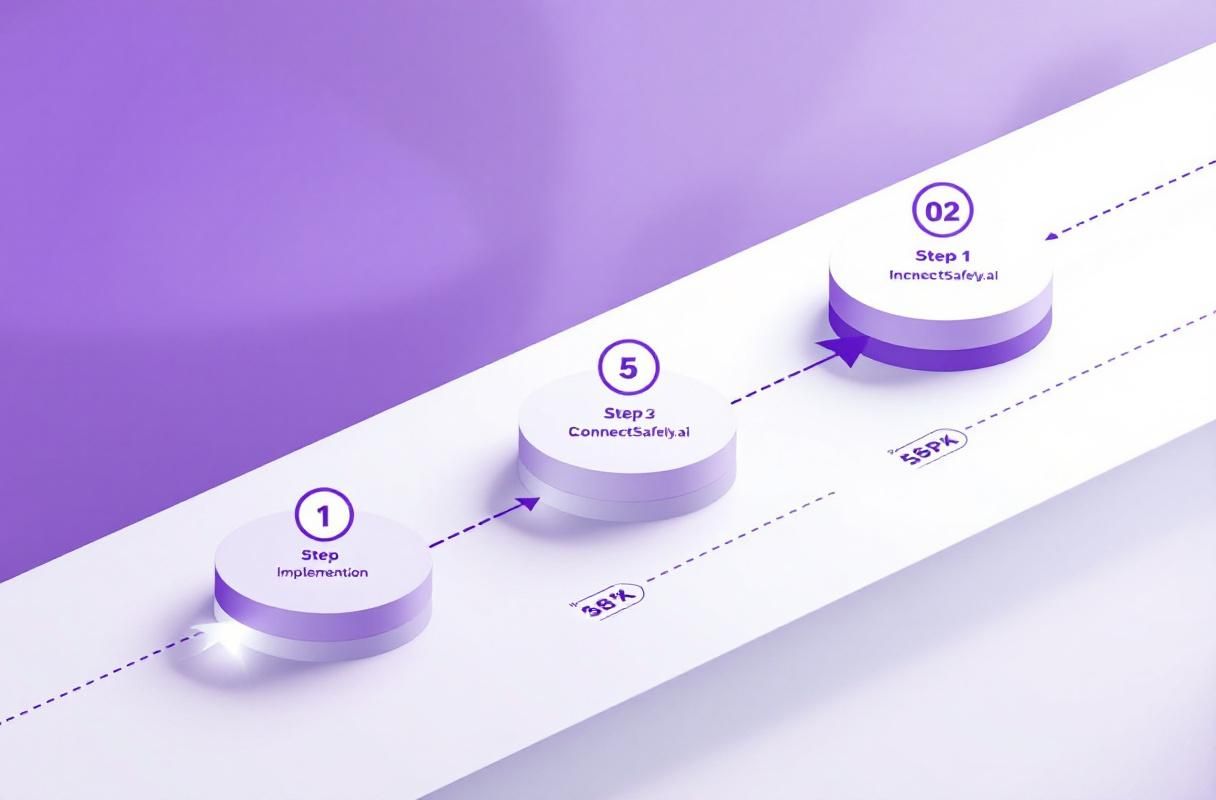
How to Apply SPIN Selling on LinkedIn: Step by Step
Step 1: Research (Pre-Situation)
Before any contact, mine LinkedIn for Situation intelligence:
Profile analysis:
- Current role and tenure (recently promoted = different priorities)
- Career trajectory (pattern reveals what they value)
- Skills and endorsements (technology stack clues)
- Recommendations (what others say about their challenges)
Company analysis:
- Recent company posts (product launches, hiring, funding)
- Employee count trends (growing or shrinking?)
- Job openings (what roles indicate which problems?)
Content analysis:
- What topics do they post about?
- What content do they engage with?
- Are they commenting on competitor content?
This pre-work lets you skip most Situation questions and demonstrate instant credibility.
Step 2: Problem Questions via Engagement
Instead of cold messaging with Problem questions, use LinkedIn's engagement features:
Comment on their posts with insight:
"Great point about LinkedIn response rates dropping. We're seeing similar patterns—teams relying on volume automation are hitting diminishing returns. Have you found any approaches that are bucking the trend?"
React to their content strategically:
- Thoughtful comments build familiarity before you ever message
- Engaging with their content signals genuine interest
- Multiple touchpoints create warm recognition
This approach aligns with what Jiminny's research describes as "coaching the discovery"—letting the prospect feel in control of the conversation.
Step 3: Implication Questions in Conversation
Once a conversation is established (through engagement or connection), Implication questions expand the problem:
Key Implication questions for LinkedIn B2B sales:
- "If your team's connection acceptance rate stays under 20%, what does that mean for your quarterly pipeline targets?"
- "When SDRs spend 70% of their time on manual outreach, how does that affect their ability to handle inbound inquiries?"
- "If LinkedIn restricts your account for automation, what's the revenue impact of 2-4 weeks without outreach?"
According to noCRM.io's analysis, Implication questions are where deals are won or lost. They force prospects to quantify the cost of doing nothing—which is always the biggest competitor in B2B sales.
Step 4: Need-Payoff Questions That Close
Need-Payoff questions guide the prospect to articulate the value of your solution in their own words:
- "If qualified prospects were reaching out to you instead of the other way around, how would that change your sales process?"
- "What would it mean for your team's morale if leads were warm and responsive from the first conversation?"
- "If you could attract 10-20 inbound leads per month without automation risk, how would that affect your growth plan?"
The power of Need-Payoff questions: the prospect sells themselves. They're articulating why they need what you offer before you've made a single pitch.
SPIN Selling vs. Cold Outreach on LinkedIn
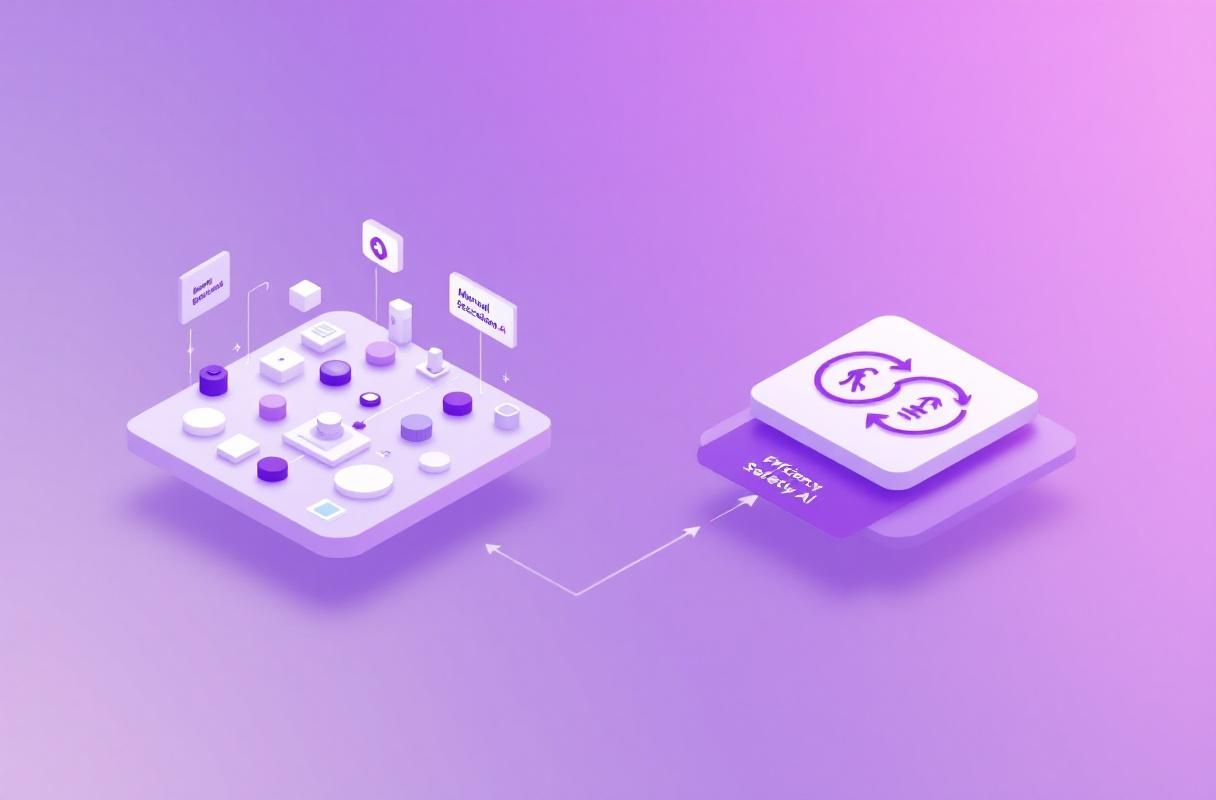
Most LinkedIn outreach ignores SPIN entirely. The typical approach:
- Send connection request with generic note
- Immediately pitch product in first message
- Follow up 3-4 times with increasing desperation
- Get ignored or marked as spam
The SPIN approach on LinkedIn:
- Research prospect's Situation via their profile and activity
- Engage with their content using Problem-aware comments
- Start conversation with Implication questions that demonstrate understanding
- Guide them to Need-Payoff conclusions naturally
The difference in results is dramatic. According to LinkedIn's own data, personalized outreach that demonstrates research gets 40-50% connection acceptance rates vs. 10-15% for generic messages.
| Metric | Cold Pitch Approach | SPIN-Based Approach |
|---|---|---|
| Connection acceptance | 10-15% | 40-50% |
| Response rate | 3-5% | 15-25% |
| Meeting conversion | 1-2% | 8-12% |
| Close rate | 1.7% | 10-14.6% |
Why Inbound Authority Makes SPIN Selling Even More Effective
SPIN selling becomes dramatically more powerful when prospects already know who you are.
When you've built LinkedIn authority through consistent, valuable content, the SPIN framework accelerates because:
- Situation knowledge is mutual—they've seen your expertise in their feed
- Problem awareness is established—your content already addresses their pain points
- Implication is understood—your posts have highlighted the cost of inaction
- Need-Payoff is pre-built—they already associate you with the solution
According to HubSpot's research, inbound leads convert at 14.6% because trust is established before the sales conversation begins. SPIN selling with inbound authority isn't just consultative—it's collaborative.
How ConnectSafely.ai Powers SPIN-Ready Conversations
ConnectSafely.ai combines inbound authority building with the engagement that makes SPIN selling natural:
- AI-powered engagement builds familiarity with your target audience before you ever message them
- Authority content strategy establishes your expertise so prospects come pre-educated
- Engagement signals identify which prospects are most Problem-aware and ready for Implication conversations
- Platform-compliant approach means zero account risk while building SPIN-ready relationships
At from USD $10/month, it's a fraction of what outbound automation tools cost—and the leads are warmer from the first touchpoint.
Frequently Asked Questions
What is SPIN selling and how does it work on LinkedIn?
SPIN selling is a consultative B2B sales framework using four question types: Situation, Problem, Implication, and Need-Payoff. On LinkedIn, it works by using profile data for research, engaging with prospect content to build rapport, and guiding conversations through strategic questions rather than cold pitches.
Is SPIN selling still effective for B2B sales in 2026?
Yes. According to Sales Enablement Collective, the psychology behind buyer behavior hasn't changed—buyers still need to articulate their own need before committing. LinkedIn amplifies SPIN's effectiveness by providing free access to prospect research data.
How do I use SPIN selling questions in LinkedIn messages?
Don't lead with SPIN questions in cold messages. First, engage with the prospect's content to build recognition. Then, when you connect, use Problem questions that reference their specific situation. Save Implication and Need-Payoff questions for calls or deeper message threads.
Can I combine SPIN selling with LinkedIn inbound marketing?
SPIN selling and inbound authority building are highly complementary. Inbound content establishes Problem awareness and credibility, so when you engage prospects using SPIN questions, they already trust your expertise. This combination produces the highest close rates in B2B sales.
What are the best SPIN selling questions for LinkedIn lead generation?
The best SPIN questions are specific to your prospect's industry and role. Strong Problem questions reference observable challenges: "How is the shift to LinkedIn's 100/week connection limit affecting your team's pipeline?" Strong Implication questions quantify cost: "If that trend continues for 6 months, what's the revenue gap?"
Ready to combine SPIN selling with inbound authority? Start your free trial with ConnectSafely.ai and build the LinkedIn presence that makes every sales conversation warmer.
The Paradox of Personalization in SPIN Selling on LinkedIn
When applying the SPIN selling framework on LinkedIn, personalization is often touted as a key factor in successful outreach. However, there's a paradox at play. While personalization can help establish a connection with the prospect, over-personalization can come across as insincere or even creepy. It's essential to strike a balance between demonstrating knowledge of the prospect's situation and respecting their boundaries. For instance, referencing a prospect's recent post or comment can show that you've taken an interest in their thoughts, but referencing their personal life or hobbies can be seen as an invasion of privacy. It depends on the context and the prospect's own boundaries, which can be difficult to gauge. Experienced practitioners know that the key is to focus on the professional aspects of the prospect's life and to use personalization as a way to add relevance to the conversation, rather than trying to build a personal relationship.
Advanced SPIN Selling Tactics: Using Implication Questions to Create a Sense of Urgency
For advanced practitioners, creating a sense of urgency is crucial in SPIN selling. One effective way to do this is by using implication questions that highlight the potential consequences of inaction. For example, if a prospect is struggling with low response rates on LinkedIn, an implication question could be: "If your response rates remain at 3% for the next quarter, how will that impact your team's ability to meet their sales targets?" This type of question encourages the prospect to think critically about the potential consequences of not addressing the problem, creating a sense of urgency and motivating them to take action. However, it's essential to use these questions judiciously, as they can come across as aggressive or pushy if not handled carefully. The goal is to create a sense of urgency, not to apply pressure, and experienced practitioners know how to walk this fine line.
Myth vs Reality: The Idea that SPIN Selling is a One-Size-Fits-All Solution
One common misconception about SPIN selling is that it's a one-size-fits-all solution that can be applied universally to all prospects and situations. However, this is far from the truth. In reality, SPIN selling is a flexible framework that needs to be adapted to each individual prospect and situation. What works for one prospect may not work for another, and experienced practitioners know how to tailor their approach to the specific needs and circumstances of each prospect. For instance, a prospect who is highly analytical may respond well to implication questions that highlight the potential ROI of a solution, while a prospect who is more focused on relationships may respond better to situation questions that establish a personal connection. It's essential to understand the prospect's unique needs and preferences and to adapt the SPIN selling framework accordingly.
Edge Cases: When SPIN Selling Doesn't Work (and What to Do Instead)
While SPIN selling is a highly effective framework, there are certain edge cases where it may not work as well. For example, if a prospect is extremely skeptical or has been burned by previous sales experiences, they may be resistant to the SPIN selling approach. In these cases, it's essential to have a backup plan and to be able to adapt to the situation. One approach is to use a more consultative approach, focusing on providing value and insights rather than trying to sell a specific solution. This can help to build trust and establish credibility, making it more likely that the prospect will be receptive to the SPIN selling framework in the future. Another approach is to use social proof, such as case studies or testimonials, to demonstrate the value of the solution and build credibility. Experienced practitioners know how to recognize these edge cases and to adjust their approach accordingly.
The Hidden Reality of SPIN Selling on LinkedIn: The Importance of Post-Conversation Follow-Up
While the SPIN selling framework is highly effective for starting conversations and building relationships on LinkedIn, there's a hidden reality that many practitioners overlook: the importance of post-conversation follow-up. After a conversation, it's essential to follow up with the prospect to provide additional value, answer any remaining questions, and continue to build the relationship. This can be done through a series of strategically timed messages or comments, each designed to provide additional insights or value. However, it's essential to avoid coming across as pushy or aggressive, and to respect the prospect's boundaries and decision-making process. Experienced practitioners know how to balance the need for follow-up with the need to respect the prospect's autonomy, and they understand that post-conversation follow-up is a critical component of the SPIN selling framework on LinkedIn. By providing ongoing value and support, practitioners can build trust and establish themselves as authorities in their field, making it more likely that the prospect will eventually become a customer.
See How It Works
Watch how people get more LinkedIn leads with ConnectSafely




Related Articles