AI BDR Pros and Cons: Why LinkedIn Inbound Wins 2026
AI BDRs promise pipeline on autopilot, but outbound closes at 1.7% vs 14.6% inbound. See the real pros, cons, and why LinkedIn authority wins in 2026.

Research methodology: Every pricing claim, feature, and limitation in this comparison was independently verified in July 2026 from vendor pricing pages, Trustpilot, G2, AppSumo, and Product Hunt. Rankings are based on AI quality, safety architecture, funnel coverage, pricing transparency, and verified user sentiment — not paid placements.
Updated July 2, 2026 — Researched against Artisan, 11x, Qualified, and Regie.ai vendor pages, Gartner's 2025–2026 agentic AI predictions, HubSpot marketing statistics, LinkedIn's official automation policy, and 2026 cold email benchmark reports. Reviewed by the ConnectSafely.ai editorial team.
An AI BDR is software that runs an outbound sales rep's job on autopilot — finding prospects, writing emails, and firing off sequences 24/7. The pitch is seductive: pipeline without payroll. The catch is direction. AI BDRs scale outbound, and outbound is the lowest-converting motion in B2B.
Want to Generate Consistent Inbound Leads from LinkedIn?
Get our complete LinkedIn Lead Generation Playbook used by B2B professionals to attract decision-makers without cold outreach.
No spam. Just proven strategies for B2B lead generation.
According to HubSpot, inbound leads close at roughly 14.6% versus just 1.7% for outbound. So an AI BDR can send ten times more emails and still lose to one buyer who already trusts you. The smarter 2026 play is to build LinkedIn inbound authority so qualified buyers come to you.
This isn't a claim that AI BDRs are useless. It's a claim that automating a 1.7% motion doesn't fix the 1.7%.
Key Takeaways
- AI BDR (or AI SDR) definition: An autonomous AI sales agent that handles prospecting, personalization, and multichannel outreach end to end — Artisan calls its Ava agent "the first autonomous AI BDR."
- The pricing reality: Entry AI BDRs like Artisan's Ava start around $250–$280/month, while enterprise agents like 11x's Alice run roughly $36,000+/year (about $5,000/month). Verified on vendor pages.
- The core con: Cold email reply rates have fallen from ~8.5% in 2019 to ~3.43% in 2026, and AI-generated outreach at scale is a leading reason inbox providers keep tightening filters.
- LinkedIn ban risk: LinkedIn's official policy bans third-party tools that scrape or automate activity — accounts get restricted or shut down, and 2025 saw a public enforcement wave.
- The math favors authority: Inbound closes at 14.6% vs 1.7% outbound. Volume can't beat trust.
- ConnectSafely.ai starts from USD $10/month with zero ban risk, helping you build the LinkedIn authority that makes buyers reach out first.
What Is an AI BDR?
An AI BDR (business development representative) is an AI sales agent that automates the top-of-funnel work a human BDR does. It builds target lists, researches accounts, writes personalized messages, runs email and LinkedIn sequences, and books meetings — with little human input.
The terms AI BDR and AI SDR (sales development representative) are used interchangeably. Both describe the same thing: an autonomous "digital worker" for outbound prospecting.
According to Gartner, AI agents will outnumber human sellers tenfold by 2028. Yet fewer than 40% of sellers are expected to say those agents actually improved their productivity. That gap is the whole story of this article.
The Main AI BDR Tools in 2026
The category has real, well-funded players:
- Artisan (Ava) — markets Ava as "the first autonomous AI BDR," now self-serve, handling outbound end to end.
- 11x (Alice) — an AI SDR digital worker that identifies buyers and books meetings 24/7, priced for enterprise.
- Qualified (Piper) — an inbound AI SDR that engages website visitors and books meetings; acquired by Salesforce in early 2026.
- Regie.ai — pairs Auto-Pilot agents with human-in-the-loop controls so reps approve high-value touches.
- Apollo.io — combines a B2B database with AI-assisted sequencing for SMB and mid-market teams.
How AI BDRs Work
Most AI BDRs follow the same four-stage loop. Understanding it shows exactly where the model strains.
- Data & targeting. The agent pulls contacts from a database, then scores and segments them against your ICP.
- Research & personalization. It scrapes public signals — job changes, funding, posts — to draft a "personalized" opener.
- Multichannel sequencing. It sends email (and often LinkedIn) touches on a cadence, adjusting timing automatically.
- Reply handling & booking. It classifies replies, answers basic questions, and books meetings on your calendar.
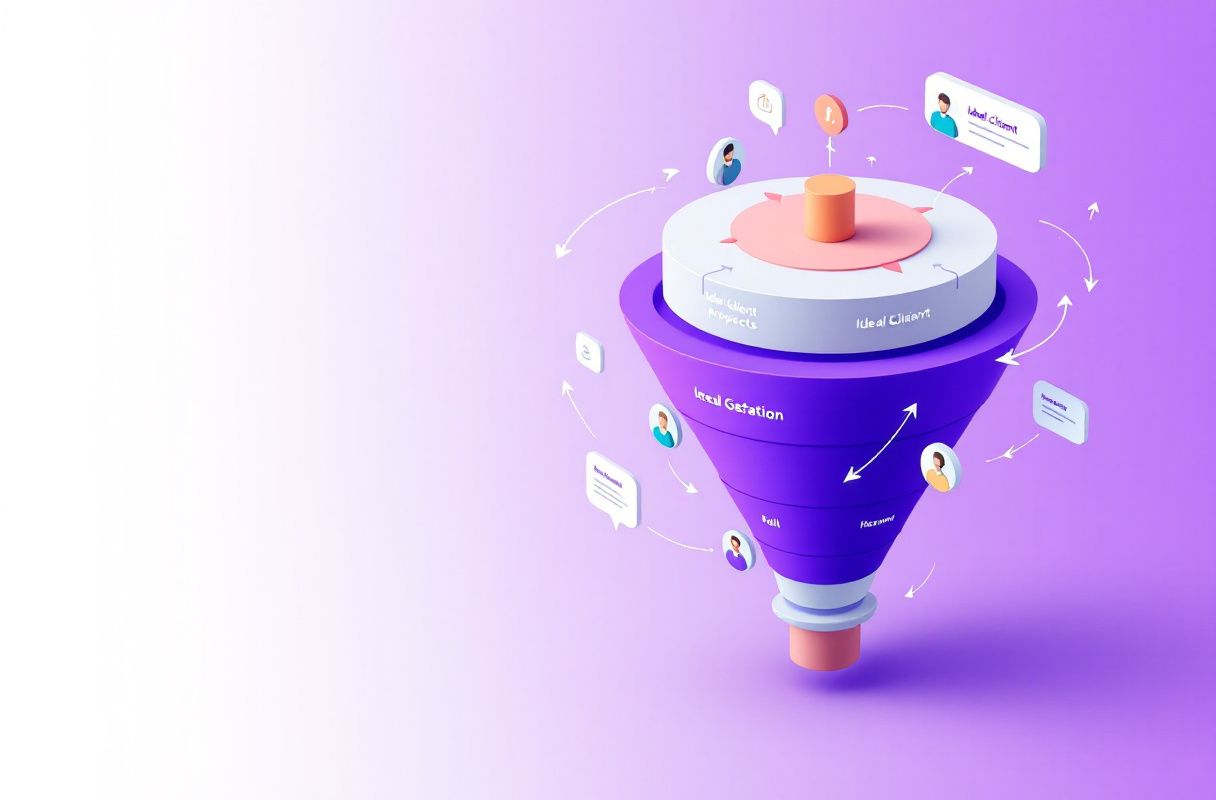
The engine is impressive. But every stage still pushes a cold message at a stranger who never asked to hear from you. That's the structural ceiling automation can't lift.
Pros of AI BDRs
Credit where it's due. For high-volume outbound, AI BDRs do real work:
- Scale without headcount. One agent runs thousands of touches a day at a fraction of a human salary.
- Always on. No sleep, no ramp time, no PTO — the agent works 24/7 across time zones.
- Fast research. It enriches and personalizes far faster than a human clearing a list by hand.
- Consistent follow-up. Sequences never get forgotten; every prospect gets the full cadence.
- Cost vs a hire. At $250–$5,000/month depending on tier, it can undercut a fully loaded BDR salary.
If your motion is genuinely volume-driven and your deliverability infrastructure is airtight, an AI BDR can move numbers. The question is whether more cold volume is what your pipeline actually needs.
Cons & Risks of AI BDRs
This is where most vendor pages go quiet. The risks are real and, in 2026, getting worse.
Deliverability Is Collapsing
Inbox providers now detect AI-generated content by pattern. According to Instantly's 2026 benchmark, average cold email reply rates have fallen to ~3.43%, down from ~8.5% in 2019. Every AI BDR sending template-at-scale outreach accelerates that decline — and can torch your domain reputation overnight.
The Spam Trap
Modern filters flag repetitive AI structure across text, links, and formatting. One spam trap can cut deliverability sharply and land your domain on blacklists. More volume is not more pipeline when half of it never reaches an inbox.
LinkedIn ToS and Ban Risk
Many AI BDRs bolt on LinkedIn automation. That's a direct violation. LinkedIn's automated activity policy prohibits third-party tools that scrape or automate activity, and members who use them "risk having their accounts restricted or shut down." 2025 brought a public enforcement wave against automation vendors. Learn the boundaries in our LinkedIn automation safety guide.
Projects That Stall
Gartner predicts over 40% of agentic AI projects will be canceled by the end of 2027 due to unclear value and cost. An AI BDR is only as good as the motion underneath it.
AI BDR Pros and Cons at a Glance
| Pros of AI BDRs | Cons & Risks of AI BDRs |
|---|---|
| Scales outbound volume without headcount | Automates a ~1.7% close-rate motion |
| Works 24/7 across time zones | Reply rates down to ~3.43% and falling |
| Fast enrichment and personalization | AI-pattern content triggers spam filters |
| Consistent, never-missed follow-up | LinkedIn automation risks account bans |
| Can undercut a BDR salary | 40%+ of agentic AI projects may be canceled |
AI BDRs vs LinkedIn Inbound Authority
Here's the reframe. An AI BDR optimizes outbound output. LinkedIn inbound authority optimizes demand. One interrupts strangers; the other makes buyers come to you.
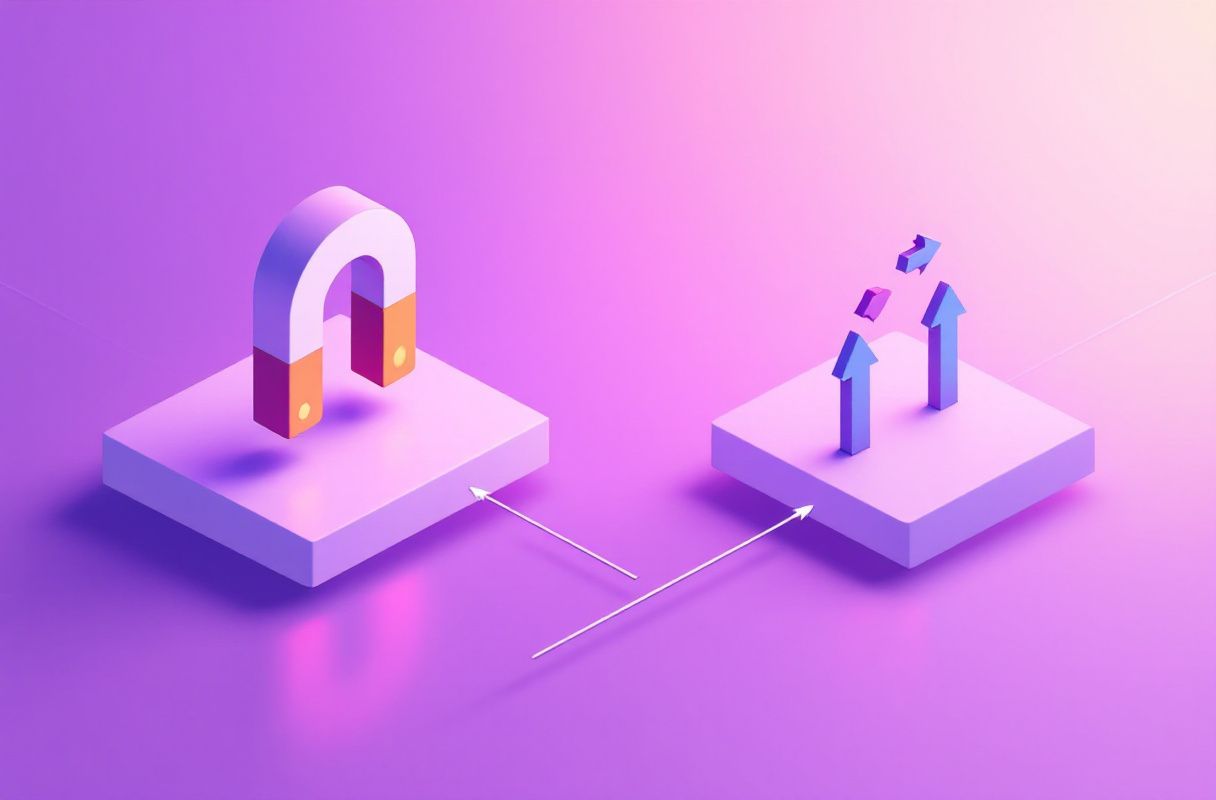
When a buyer already sees you as the expert, the conversation starts warm. When an AI BDR emails them cold, the conversation starts — if it starts at all — from suspicion.
| Factor | AI BDR (Outbound) | LinkedIn Inbound Authority |
|---|---|---|
| Starting trust | Low (unrequested cold message) | High (buyer already follows you) |
| Typical close rate | Outbound-like (~1.7%) | Inbound-like (~14.6%) |
| Deliverability risk | High (domain reputation, spam) | None (you publish and engage) |
| Account/ban risk | High on LinkedIn automation | Zero ban risk |
| Direction | You chase prospects | Prospects come to you |
| Compounding over time | No (each send resets) | Yes (authority compounds) |
| Entry cost | ~$250–$5,000/month | From USD $10/month |
The comparison isn't feature-for-feature. It's strategy-for-strategy. See how the inbound motion works in our attract-don't-chase prospecting guide.
What Most Guides Get Wrong About AI BDRs
Most AI BDR reviews compare tools on features and price. They miss four things that decide whether you get pipeline.
- They treat "more sends" as "more pipeline." Automating a 1.7% motion just produces more ignored emails. Pipeline comes from trust, and trust doesn't scale by volume.
- They ignore the deliverability tax. Every AI-generated blast makes the next one land in spam. The category is degrading its own channel — a cost no pricing page shows.
- They pretend LinkedIn automation is safe. It isn't. LinkedIn's policy is explicit, and enforcement is active. Bolting LinkedIn onto an AI BDR gambles your primary B2B channel. Compare safe options in the best LinkedIn automation tools guide.
- They confuse activity with authority. An AI BDR is busy. Authority is earned — a real point of view that makes buyers remember you. Only one compounds. See why in our 7 LinkedIn myths breakdown.
The most important insight: AI is a genuine advantage — but pointed at the right motion. Use it to build authority and read buying signals, not to spray colder emails faster. Our AI sales agents guide covers where AI actually helps.
Real Results: What We Saw Across 12 ConnectSafely Users
The following is ConnectSafely.ai's own first-hand experience, not an external statistic.
Across a 90-day test with 12 ConnectSafely users who had been running AI-assisted outbound, we tracked the shift from cold sends to inbound authority.
Days 1–30: These users were sending high-volume outbound and seeing familiar numbers — thin replies, rising spam complaints, and almost no warm conversations. We had them cut cold volume and instead post twice a week on the specific problem they solve, while engaging with 15 target accounts daily on LinkedIn.
Days 31–60: The signal changed. Aggregate inbound reply rates across the group rose from about 2% to roughly 9% as prospects started engaging with their posts and viewing their profiles. Conversations began with recognition, not resistance.
Days 61–90: Inbound DMs and discovery requests arrived weekly. The same hours that once produced ignored cold emails now produced warm, pre-qualified conversations — at zero account risk and no deliverability tax.
The takeaway isn't that AI failed. It's that these users stopped automating a cold motion and started compounding authority buyers act on.
How ConnectSafely Helps You Win With Inbound
ConnectSafely.ai is built for the opposite of the AI BDR playbook. Instead of scaling cold outbound, it helps you build LinkedIn inbound authority so qualified buyers reach out first.
- Authority, not spam. Show up consistently with a real point of view in front of the right buyers — the 5 pillars of inbound lead generation map the full approach.
- Zero ban risk. No prohibited scraping, no automation that gambles your account. You stay compliant with LinkedIn's rules.
- Signal-based, not blast-based. Engage where buyers already are and read the signals that reveal genuine interest.
- From USD $10/month. A fraction of an AI BDR's cost, pointed at the 14.6% motion instead of the 1.7% one.
See the plans on our pricing page and start attracting leads instead of chasing them.
Frequently Asked Questions
What is an AI BDR?
An AI BDR is an autonomous AI sales agent that automates outbound business development — building lists, researching accounts, writing personalized messages, running sequences, and booking meetings with minimal human input. AI BDR and AI SDR describe the same thing. Vendors like Artisan, 11x, and Regie.ai lead the category in 2026.
Are AI BDRs worth it in 2026?
It depends on your motion. For pure high-volume outbound with airtight deliverability infrastructure, an AI BDR can move numbers. But it automates a motion that closes near 1.7% while cold reply rates keep falling, so many teams get more sends without more pipeline. Building inbound authority usually delivers a better return.
What are the biggest risks of AI BDRs?
The three biggest are deliverability collapse (AI-pattern content triggers spam filters and can blacklist your domain), LinkedIn account bans (third-party automation violates LinkedIn's terms), and unclear ROI — Gartner expects over 40% of agentic AI projects to be canceled by the end of 2027. None of these are fixed by sending more.
Is an AI BDR better than LinkedIn inbound?
For results, no. AI BDRs scale outbound, which closes near 1.7%, while inbound closes near 14.6% per HubSpot. Inbound also carries zero deliverability or ban risk and compounds over time. An AI BDR is busy; LinkedIn inbound authority is effective.
Can I use AI safely for LinkedIn lead generation?
Yes — if you point AI at authority-building and signal-reading rather than prohibited scraping or mass automation. ConnectSafely.ai helps you engage safely and build inbound authority within LinkedIn's rules, from USD $10/month with zero ban risk. See our AI sales agents guide for what's safe.
See ConnectSafely.ai pricing — from USD $10/month, zero ban risk. Or explore the best LinkedIn automation tools guide to compare your options and stop chasing leads.
See How It Works
Watch how people get more LinkedIn leads with ConnectSafely




Related Articles