Best ATC Alternative 2026: Personalize vs Attract
ATC personalizes content to existing contacts; ConnectSafely.ai creates net-new LinkedIn inbound—14.6% vs 1.7%, from USD $10/month.

Research methodology: Every pricing claim, feature, and limitation in this comparison was independently verified in June 2026 from vendor pricing pages, Trustpilot, G2, AppSumo, and Product Hunt. Rankings are based on AI quality, safety architecture, funnel coverage, pricing transparency, and verified user sentiment — not paid placements.
Updated June 17, 2026 — Researched against Air Traffic Control's vendor pages, Crunchbase, and independent tool reviews. Reviewed by the ConnectSafely.ai editorial team.
The best Air Traffic Control alternative in 2026 is ConnectSafely.ai — as long as you are clear about what Air Traffic Control is built to do. Air Traffic Control, or ATC (airtrafficcontrol.io), is an AI-powered B2B content personalization engine. It builds individual "interest graphs" from a contact's interactions and LinkedIn activity, then delivers the most relevant existing content to each person across email, web, and paid ads. Its own promise is to "Grow Pipeline With Existing Content." That is real, useful work. But it is worth stating directly: personalizing content to people already in your database is not the same as creating new demand from strangers.
Want to Generate Consistent Inbound Leads from LinkedIn?
Get our complete LinkedIn Lead Generation Playbook used by B2B professionals to attract decision-makers without cold outreach.
No spam. Just proven strategies for B2B lead generation.
ATC optimizes nurture — how precisely you deliver content to an audience you already have. It makes known contacts more engaged and your existing funnel more efficient. That is a smarter way to work a list — not a system that produces net-new pipeline. The spine of this comparison is one distinction: personalizing content to people already in your funnel versus creating net-new inbound demand on LinkedIn. A more relevant nurture experience is an optimization. Qualified strangers reaching out to you is the outcome that grows the business.
That distinction matters because of how pipeline economics work. Inbound leads close at roughly 14.6%, versus about 1.7% for outbound and cold tactics, according to HubSpot's marketing statistics. When demand comes to you, your win rate multiplies. A personalization engine can make every contact you already have see more relevant content, but it has no mechanism to add qualified new contacts to the top of the funnel. The channel where net-new B2B demand is actually created — where buyers research vendors and deals begin — is LinkedIn. If you want the mechanics before reading on, start with our founder's guide to LinkedIn inbound lead generation.
Key Takeaways
- Air Traffic Control is a content-personalization engine, not a demand-generation engine. It builds interest graphs and delivers existing content to known contacts across channels, per its own vendor pages — but a more relevant nurture experience is not net-new pipeline.
- Inbound closes ~8x better than outbound. The 14.6% vs 1.7% gap is the strongest argument for investing in net-new demand creation over personalizing to a list you already have (HubSpot).
- ATC pricing is custom and sales-led. It is enterprise, demo-driven, and quote-based — book a demo to get numbers. There is no public self-serve price, which signals a different buyer and motion than a focused, low-cost inbound tool.
- ConnectSafely.ai starts from USD $10/month and builds compounding organic authority on LinkedIn with zero ban risk — a leading driver that creates the new demand a personalization engine can only help you nurture once it already exists.
- Review coverage is about personalization power, not net-new leads. Profiles on Crunchbase and reviews like FrontBrick describe a strong 1:1 personalization and ad-audience tool — useful, but distinct from generating qualified inbound.
- The two tools answer different questions. "How do I deliver the most relevant content to people already in my funnel?" is an ATC question. "How do I get more qualified strangers to reach out to me?" is a ConnectSafely.ai question.
What Is Air Traffic Control?
Air Traffic Control (airtrafficcontrol.io) is an AI-powered B2B content personalization platform. Its premise is that you already own enough content to drive pipeline — you just need to deliver the right piece to the right person at the right moment. ATC makes that precise, automated, and individualized.
Its core capabilities include:
- Individual interest graphs — builds a per-person model from interactions and LinkedIn activity to predict what content each contact most wants to see.
- Cross-channel personalized delivery — serves the most relevant existing content across email, web, and paid ads, tailored to each individual rather than to a broad segment.
- HubSpot and Pardot integration — plugs into your existing marketing automation stack to act on known-contact data and engagement.
- Custom LinkedIn ad audiences — exports tailored audiences you can target with paid LinkedIn ads, sharpening spend against people already in your data.
- Pipeline-from-existing-content positioning — the platform markets itself as a way to "Grow Pipeline With Existing Content," squeezing more value from assets you have already produced.
It is a capable tool for a real problem. The point here is not that ATC is weak at its job. It is that its job — personalizing existing content to people already in your database — works an audience you already have, but does nothing to solve the problem most founders and B2B teams actually face: not enough qualified new people entering the funnel at all.
Air Traffic Control Pricing
Air Traffic Control does not publish pricing. It runs an enterprise, sales-led motion: you book a demo and receive a custom quote based on your stack, contact volume, and channels. There is no public self-serve tier, which tells you a lot about the buyer it is built for — a marketing team with an existing automation platform, an existing content library, and an existing audience to personalize against.
| Tier | Price | Who it's for | Notable features |
|---|---|---|---|
| Enterprise (only) | Custom / contact sales | Marketing teams on HubSpot or Pardot | Interest graphs, cross-channel personalization, LinkedIn ad audiences |
We do not invent numbers ATC has not published. Whatever the quote, the pattern holds: you are paying to personalize delivery to contacts you already have — not to build a system that produces net-new inbound on its own.
Where Air Traffic Control Is Genuinely Better
In the interest of an honest comparison, here is where ATC wins outright and ConnectSafely.ai does not compete:
- 1:1 personalization at scale. If you have a large content library and a real audience, ATC's per-person interest graphs deliver the most relevant asset to each contact in a way manual nurture never could.
- HubSpot and Pardot integration. For teams already running those platforms, ATC slots into the existing stack and acts on the data you already collect.
- Interest graphs from real behavior. Modeling each person from interactions and LinkedIn activity is genuinely sophisticated and improves the relevance of every touch.
- Lowering paid-ad CPC. Exporting tighter, intent-aligned LinkedIn ad audiences can make existing ad spend more efficient against people already in your data.
If your goal is to personalize existing content to an audience you already have, ATC is a strong pick. If your goal is to create the net-new inbound demand worth nurturing in the first place, keep reading.
Why You Need an Air Traffic Control Alternative

The case for an alternative is not that ATC is bad. It is that personalization optimizes an audience you already have, while most teams have the opposite problem: not enough qualified new people entering the funnel to personalize to.
Problem 1: Personalizing to a list isn't creating new demand
This is the whole thing. ATC helps you deliver the most relevant content to each contact already in your database. But a known contact who sees a better-matched asset is still a contact you already had. You can perfect your personalization and still add zero net-new qualified leads.
You do not have a content-relevance problem. You have a net-new-demand problem. And new demand is created by building genuine authority and showing up in front of buyers who are not yet in your funnel — not by tuning the experience for people who already are.
Problem 2: It optimizes nurture, not net-new pipeline
Personalization sharpens the middle of the funnel — engagement, relevance, efficiency on contacts you have. That is valuable, but it is a multiplier on an audience that already exists. If the top of the funnel is thin, a better nurture experience multiplies a small number. The work that actually grows the business is filling the top with qualified strangers, and that happens where B2B buyers discover and research vendors: LinkedIn.
| Capability | Content personalization (ATC) | Inbound authority (ConnectSafely.ai) |
|---|---|---|
| What it does | Delivers relevant content to known contacts | — |
| What it creates | Better nurture; higher engagement on existing list | New attention, authority, and inbound DMs |
| Audience type | People already in your funnel | Qualified strangers not yet in your funnel |
| Pipeline impact | Optimizes existing demand | Direct — net-new inbound at ~14.6% close rate |
| Channel focus | Your email, web, and ad stack | LinkedIn, where B2B discovers vendors |
A personalization engine tells you how relevant each touch was. It does not bring you anyone new. When the top of the funnel is empty, ATC's answer is "personalize harder to who you have"; an authority engine's answer is to build presence, engage strategically, and surface the buying signals that turn strangers into pipeline.
Problem 3: Enterprise complexity vs a focused inbound motion
ATC is sales-led, quote-based, and built to integrate with HubSpot or Pardot — a real implementation against an existing stack and content library. That is the right call for a mature marketing org. But for a founder or lean team that simply needs more qualified people reaching out, that complexity is overhead before any new lead arrives. A focused, low-cost inbound motion on LinkedIn — pure social selling and inbound engagement — moves revenue without an enterprise rollout.
ConnectSafely vs Air Traffic Control
| Dimension | Air Traffic Control | Other personalization tools | ConnectSafely.ai |
|---|---|---|---|
| Primary job | Personalize existing content to known contacts | Segment / personalize delivery | Build inbound authority on LinkedIn |
| Creates net-new demand? | No | No | Yes |
| Relationship to pipeline | Optimizes existing demand | Optimizes existing demand | Leading driver of new demand |
| Audience focus | People already in your funnel | Existing contacts | Qualified strangers not yet in your funnel |
| Ban / account risk | N/A (delivery layer) | Varies | Zero ban risk by design |
| Entry price | Custom / contact sales | Varies | From USD $10/month |
| Best for | Enterprise teams on HubSpot/Pardot | Personalization at scale | Founders & teams generating inbound |
| Cost over time | Quote-based, enterprise | Rises with usage | Compounds in your favor |
The honest framing: these tools can complement each other at scale and are a false choice for everyone else. If you are early and pipeline-starved, money spent personalizing to a thin list is money not spent building the authority that brings new people in.
The Inbound Alternative: Build the Authority That Creates Net-New Demand
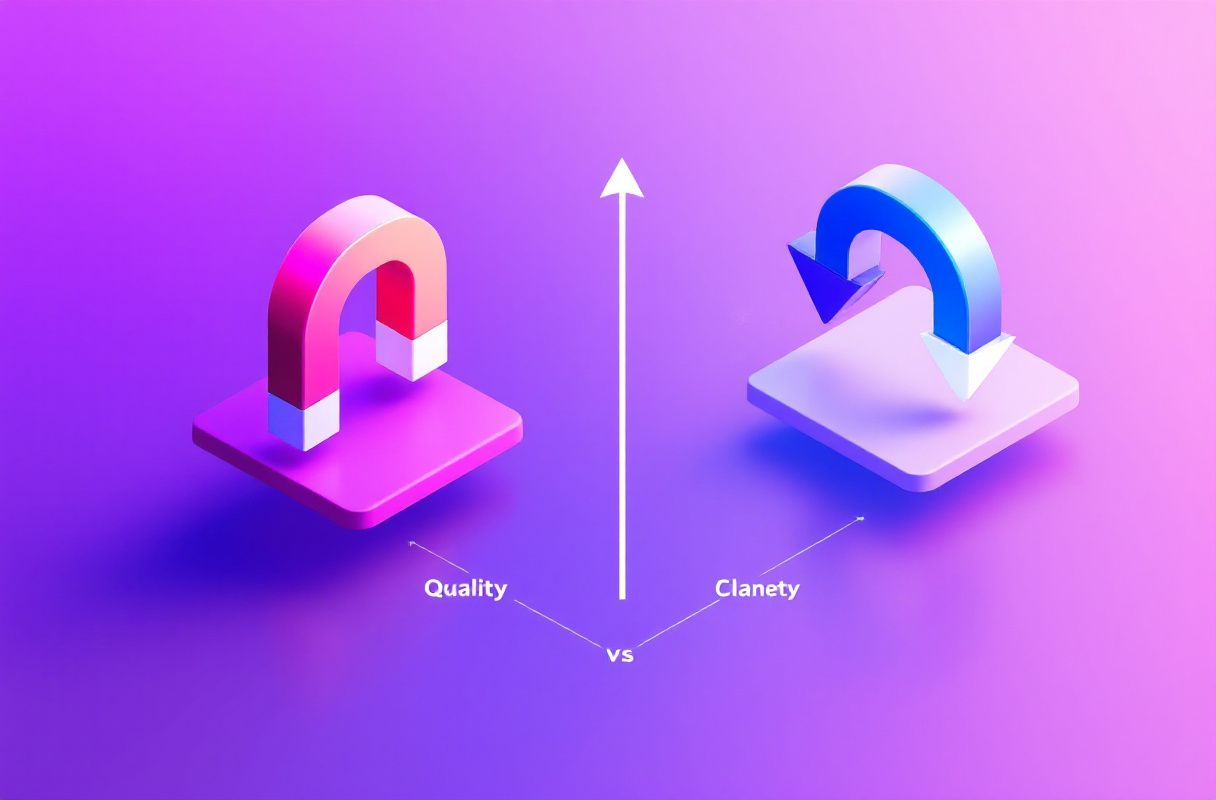
Instead of buying a tool to personalize to the audience you have, build the engine that adds qualified strangers to it. Here is the four-step ConnectSafely.ai approach:
- Establish a point of view. Publish consistent, opinionated LinkedIn content that positions you as the obvious authority in your niche. This is the raw material every future inbound conversation is eventually made of — and where AI tools for content growth accelerate output without requiring an enterprise stack.
- Engage where buyers already gather. Surface and act on the buying signals and engagement opportunities in your network — the comments and posts of people who match your ICP but are not yet contacts — so your presence builds new relationships, not just better nurture for old ones.
- Convert attention into net-new inbound. As authority compounds, qualified strangers start reaching out. Inbound replies and DMs close at ~14.6% versus 1.7% for cold outreach (HubSpot) — you are now adding pipeline, not refining the experience for people already in it.
- Compound safely. ConnectSafely.ai is built for zero ban risk and starts from USD $10/month, so authority grows month over month without an enterprise implementation or account-suspension exposure.
The output of this loop is exactly the thing a personalization engine only helps you nurture: net-new inbound conversations, pipeline, and revenue. The difference is you are creating new demand on the channel where B2B buyers are, not optimizing delivery to people you already had.
What Most Guides Get Wrong
- They treat personalization and demand creation as the same thing. They are not. One sharpens an existing audience; one adds new people to it. Comparing tools on "personalization features" misses that more relevant content does not equal more new customers.
- They assume a better nurture experience equals more growth. A perfectly personalized funnel produces no growth if no new qualified people enter it. Focused, authority-driven presence on LinkedIn brings them in. Optimization is only valuable once there is net-new demand to optimize.
- They mistake integration depth for pipeline. A deep HubSpot or Pardot integration improves how you act on data you already have. It has no view on whether new buyers ever discover you. Personalization delivers; it does not attract.
- They forget where net-new B2B demand is created. Tuning content relevance for known contacts is blind to the thing that fills the funnel on LinkedIn: being seen as the authority worth reaching out to. Personalizing to your list is not the same as authority building.
How to Choose: Decision Framework by Role
Founders and solo operators. You are demand-starved, not personalization-starved. Skip the enterprise personalization layer until you have a clear authority motion on LinkedIn bringing new people in. Start by creating demand — our founder's inbound guide is the fastest path.
Marketing and sales teams. If you have a real content library and an existing audience on HubSpot or Pardot, ATC can earn its keep on nurture and ad efficiency. But pair it with an inbound engine so you are also creating new demand on LinkedIn, using a social selling and engagement motion to convert strangers into pipeline.
Agencies. Client growth needs both. Use a personalization platform to sharpen nurture for clients with mature funnels, and use inbound to actually fill thin ones. If you are also weighing content tooling, see how AI tools accelerate LinkedIn content growth.
Freelancers and consultants. Your reputation is your business, and it is built one focused LinkedIn post and genuine conversation at a time, not by personalizing a list you may not even have yet. At USD $10/month, an inbound engine is the higher-leverage spend. Compare it against the broader market in our best LinkedIn automation tools guide.
Real Results: From Great Personalization to Net-New Pipeline
Consider a B2B SaaS marketing team that had invested heavily in personalization — tightly tuned email, web, and ad content delivered per-contact off a polished HubSpot setup. Their engagement metrics on existing contacts looked excellent. Three months in, the dashboards were strong — and the pipeline was flat. The top of their funnel was thin, and personalizing harder to the same people could not change that.
They redirected effort toward creating net-new demand on LinkedIn specifically: a consistent point of view, engagement that built relationships with ICP-matching strangers, and acting on buying signals instead of refining nurture for contacts they already had.
After 90 days:
- Net-new inbound DMs from qualified prospects became the top pipeline source — new people, not better-served old ones.
- Close rate on inbound conversations tracked toward the ~14.6% benchmark, multiples above their old cold numbers.
- Cost stayed at the entry tier — USD $10/month — while authority compounded on one channel, with no enterprise implementation required.
- Zero account warnings or restrictions, thanks to a ban-safe approach.
The lesson: they did not need to personalize better. They needed to build the authority on LinkedIn that makes new people reach out.
Frequently Asked Questions
Is ConnectSafely.ai a direct replacement for Air Traffic Control?
Not feature-for-feature. Air Traffic Control is a B2B content-personalization engine for known contacts; ConnectSafely.ai is a LinkedIn inbound authority engine for net-new demand. If your goal is generating qualified new leads rather than personalizing content to people already in your funnel, ConnectSafely.ai is the better investment — and from USD $10/month.
How much does Air Traffic Control cost in 2026?
Air Traffic Control does not publish pricing. It is enterprise and sales-led: you book a demo for a custom, quote-based price tied to your stack, contact volume, and channels. There is no public self-serve tier. ConnectSafely.ai, by contrast, starts at USD $10/month.
Is Air Traffic Control a good tool?
For B2B content personalization, it has real strengths: per-person interest graphs built from interactions and LinkedIn activity, cross-channel delivery across email, web, and ads, HubSpot and Pardot integration, and exportable custom LinkedIn ad audiences. It is profiled on Crunchbase and reviewed by sites like FrontBrick as a capable personalization platform. The caveat is that it optimizes nurture for an audience you already have rather than creating net-new demand — so it is most valuable once you already have qualified people in the funnel.
Why is LinkedIn inbound better than content personalization for net-new B2B leads?
Content personalization is an optimization layer: it makes existing contacts see more relevant content. LinkedIn inbound is net-new demand: qualified strangers reaching out on the channel where B2B buying happens. Inbound leads close at roughly 14.6% versus 1.7% for outbound, per HubSpot, so focused authority that fills the top of the funnel outperforms a tool that only refines delivery to people already in it.
Can I use Air Traffic Control and ConnectSafely together?
Yes, this complements well at enterprise scale: ConnectSafely.ai builds the LinkedIn authority and net-new inbound conversations, while Air Traffic Control personalizes how you nurture those contacts once they enter your HubSpot or Pardot funnel. For smaller teams that must choose, build the inbound authority engine first — there is little point personalizing nurture before you have new demand to nurture.
Ready to create the net-new inbound demand that makes personalization worthwhile instead of paying to nurture an audience you already have? See ConnectSafely.ai pricing starting at USD $10/month, or compare your options in our best LinkedIn automation tools guide.
See How It Works
Watch how people get more LinkedIn leads with ConnectSafely




Related Articles