Best Bigin Alternative 2026: LinkedIn Inbound
Bigin organizes the deals you already have — it can't create them. Inbound closes 14.6% vs 1.7%, from $10/mo. Fill the pipeline first, then track it.

Research methodology: Every pricing claim, feature, and limitation in this comparison was independently verified in September 2026 from vendor pricing pages, Trustpilot, G2, AppSumo, and Product Hunt. Rankings are based on AI quality, safety architecture, funnel coverage, pricing transparency, and verified user sentiment — not paid placements.
Updated September 2026 — Researched against Bigin by Zoho CRM's (bigin.com) product positioning, G2 reviews, and HubSpot inbound statistics. Reviewed by the ConnectSafely.ai editorial team.
You set up Bigin because the deals were slipping. Conversations lived in your inbox, your phone, and a WhatsApp thread; follow-ups fell through; and you had no single view of where each opportunity actually stood. Bigin fixed that. It gave you a clean pipeline, tidy contact records, and one workspace where every deal is visible. For a small business, that is genuinely useful — and if that is the problem you have, Bigin is a very good tool.
Want to Generate Consistent Inbound Leads from LinkedIn?
Get our complete LinkedIn Lead Generation Playbook used by B2B professionals to attract decision-makers without cold outreach.
No spam. Just proven strategies for B2B lead generation.
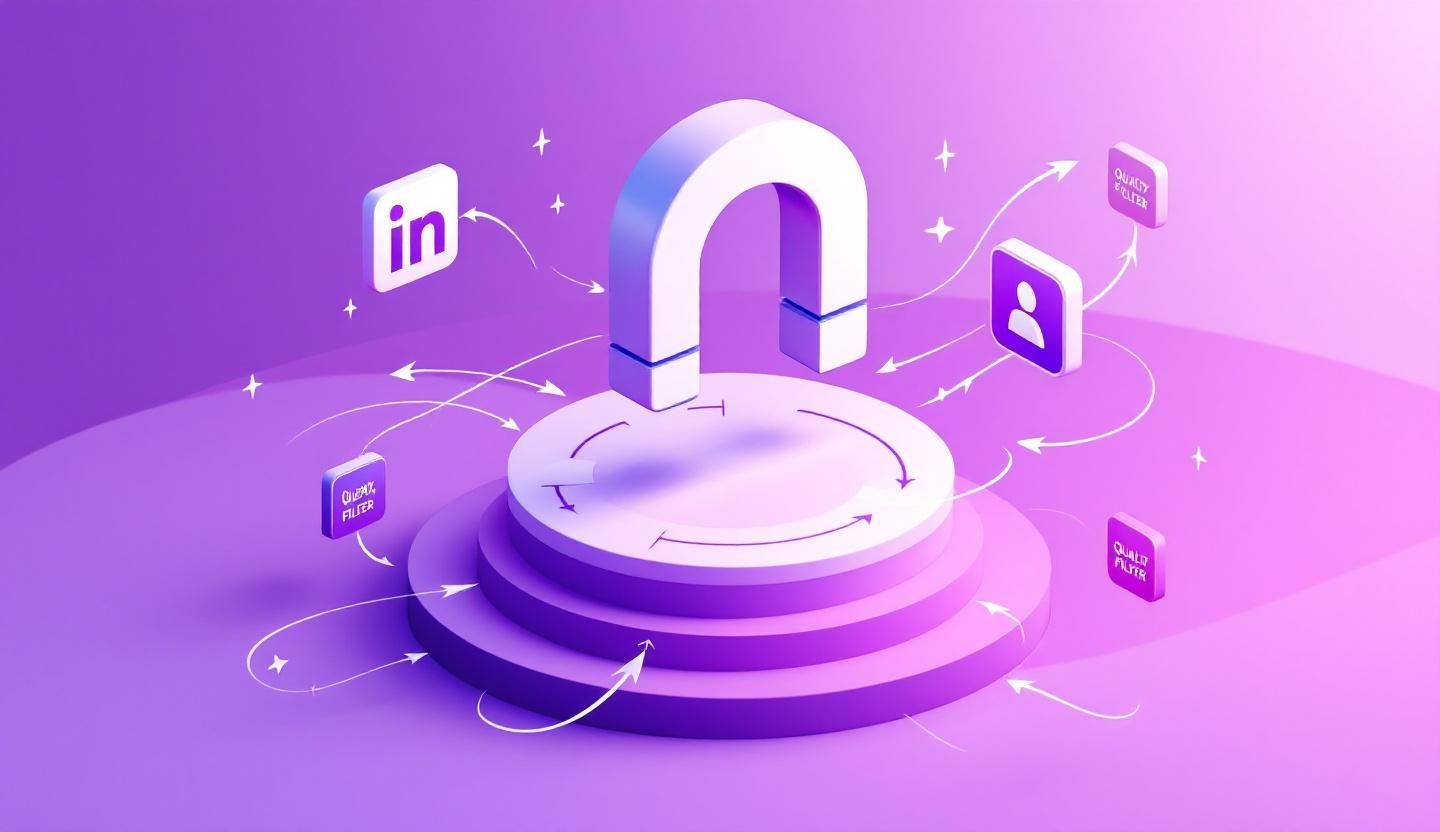
But if you are looking for a Bigin alternative, the honest answer is that you may not need a different CRM at all — you may need something Bigin was never built to be. A CRM organizes the demand you already have. It does not create demand. If your pipeline view is beautifully organized and still mostly empty, no CRM feature will fix that, because a funnel with nothing in it closes nothing. The direct answer: to actually fill the pipeline Bigin manages, you need an upstream inbound engine. That is what ConnectSafely does — it builds LinkedIn inbound authority so warm buyers enter the pipeline in the first place. And the reason this matters is math: according to HubSpot, inbound leads close at roughly 14.6% versus about 1.7% for outbound.
This guide is not a teardown. Bigin is excellent at what it does. The point is to draw a clean line between organizing demand and creating it — because those are two different jobs, and confusing them is why so many well-run pipelines stay thin.
Why people search for a Bigin alternative
- It organizes demand; it doesn't source it. Bigin tracks contacts, deals, and conversations you already have. It doesn't publish, attract, or generate net-new interest on your behalf.
- The pipeline is running dry. A tidy pipeline with few new deals entering it is a CRM problem you can't solve inside the CRM — you need something upstream feeding it.
- They confused a CRM with a growth engine. Teams buy a pipeline tool expecting more leads and discover it only manages the leads that arrive.
- They want the lead source, not another system of record. Small teams increasingly ask where warm buyers actually come from before investing in more tooling to track them.
Key Takeaways
- Bigin is a strong small-business CRM — pipeline-centric, affordable, and easy to use, with multichannel comms and native Zoho integration. It holds ~4.6/5 across ~876 G2 reviews.
- A CRM organizes demand; it doesn't create it. Bigin gives you a system of record for deals you already have. It does not originate net-new inbound interest.
- ConnectSafely is an inbound authority engine — it creates the net-new demand a CRM then tracks, starting from $10/month with zero ban risk.
- Inbound closes far harder — roughly 14.6% vs 1.7% (HubSpot) — because it rewards being found, not just being organized.
- They are complementary, not rivals. Generate demand with inbound upstream; track and close it in Bigin downstream.
What Is Bigin by Zoho CRM?
Bigin by Zoho CRM is a pipeline-centric CRM built and priced specifically for small businesses. It is part of the broader Zoho ecosystem, but it is a distinct, simpler product from the full Zoho CRM — Bigin is deliberately lightweight, aimed at teams that want a clean pipeline without enterprise complexity.
In plain terms, it answers one question well: "How do I keep every lead, deal, and customer conversation in one organized place so nothing slips?" It brings leads, deals, and conversations — email, calls, and WhatsApp — into a single workspace, so a small team can see exactly where each opportunity stands.
Its core capabilities include contact management, deal and pipeline tracking, pipeline visualization, multichannel communication, workflow automation, some built-in AI, and native integration across Zoho's apps. For a small business that already has deal flow, that is real, practical value.
What it is not is a demand-generation system. It organizes the leads that arrive; it does not go out and create new ones. It is the system of record — indispensable when there's pipeline to manage, and inert when there isn't.
Bigin Pricing
| Plan | Reported Price | Notes |
|---|---|---|
| Free | $0/user/mo | Core CRM for a single pipeline and small teams |
| Express | $7/user/mo | Up to 50,000 records, 3 team pipelines, email integration, 10 workflows |
| Premier | $12/user/mo | More pipelines, automation, and channel features |
| Bigin 360 | $18/user/mo | Fullest tier with the broadest feature set |
Pricing is reported and reflects annual billing — confirm current numbers on the Bigin vendor page before purchasing.
Where Bigin Is Genuinely Better
Let's be fair — there are jobs Bigin does that ConnectSafely simply does not, and where it is clearly the right tool.
- Organizing deals you already have. If your problem is scattered conversations and slipping follow-ups, Bigin's pipeline view and contact records solve exactly that. ConnectSafely does nothing of the kind.
- Affordability for small teams. Starting free and climbing only to $18/user/mo, Bigin is priced for the businesses it serves — a genuinely low-cost system of record.
- Multichannel comms in one workspace. Email, calls, and WhatsApp in a single place mean a small team doesn't tool-switch to manage a deal, and native Zoho integration extends that further.
- Ease of use and quick onboarding. A ~4.6/5 rating across ~876 G2 reviews reflects a genuinely intuitive product praised for fast onboarding and a clean pipeline view.
If your open question is "how do I keep my existing deals organized affordably?" — Bigin is an excellent answer, and this isn't a teardown. Credit where it's due.
The Problem a CRM Can't Solve
Here is the distinction that decides which tool actually grows your number.
A CRM organizes demand you already have. It takes the leads, deals, and conversations in your funnel and makes them visible, trackable, and hard to drop. That is the downstream job — the system of record that manages pipeline once it exists.
But an empty pipeline CRM has nothing to manage. A beautifully organized funnel with no leads in it closes nothing. You can have the cleanest pipeline view in your category — every stage labeled, every workflow firing, every conversation logged — and still watch a thin funnel stay thin, because organizing zero leads more neatly never adds a lead that wasn't already there.
That is the quiet limit of every CRM, Bigin included. The pipeline problem is rarely solved by better organization. It's solved by wiring a demand source into the front of the system — one that publishes, distributes, and attracts on your behalf. That is a different discipline entirely, and it's covered in depth in our guide on building an inbound lead pipeline with LinkedIn authority. The CRM is the filing cabinet. Demand is what you put in it.
Bigin vs ConnectSafely: The Real Comparison
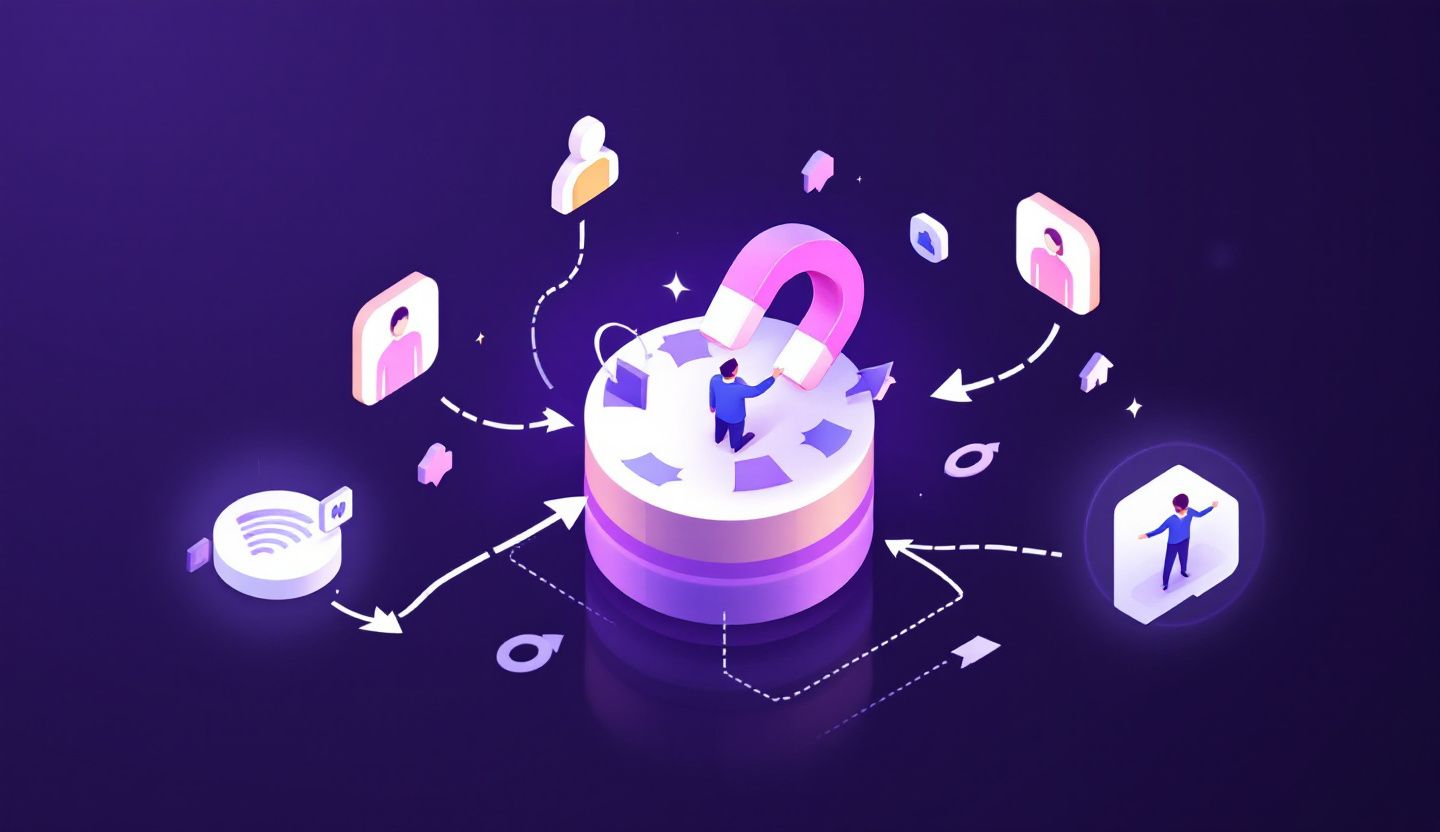
ConnectSafely is not another CRM. It is the LinkedIn inbound authority engine that creates the net-new demand a CRM then tracks.
| Bigin by Zoho CRM | ConnectSafely.ai | |
|---|---|---|
| Core job | Organize and track existing deals | Create net-new inbound demand |
| Creates demand? | No — manages demand you already have | Yes — attracts warm buyers to you |
| Prerequisite | You already have leads to track | None — it fills the funnel |
| Conversion posture | Downstream (manages what closes) | Upstream (feeds the 14.6% channel) |
| Primary channel | Email, calls, WhatsApp | LinkedIn inbound authority |
| Pricing from | $0 free; $7/user/mo (reported) | From $10/month, flat |
| Account-ban risk | None (system of record) | Zero ban risk |
| Best for | Small teams with deal flow to manage | Teams that need more pipeline, not just tidier pipeline |
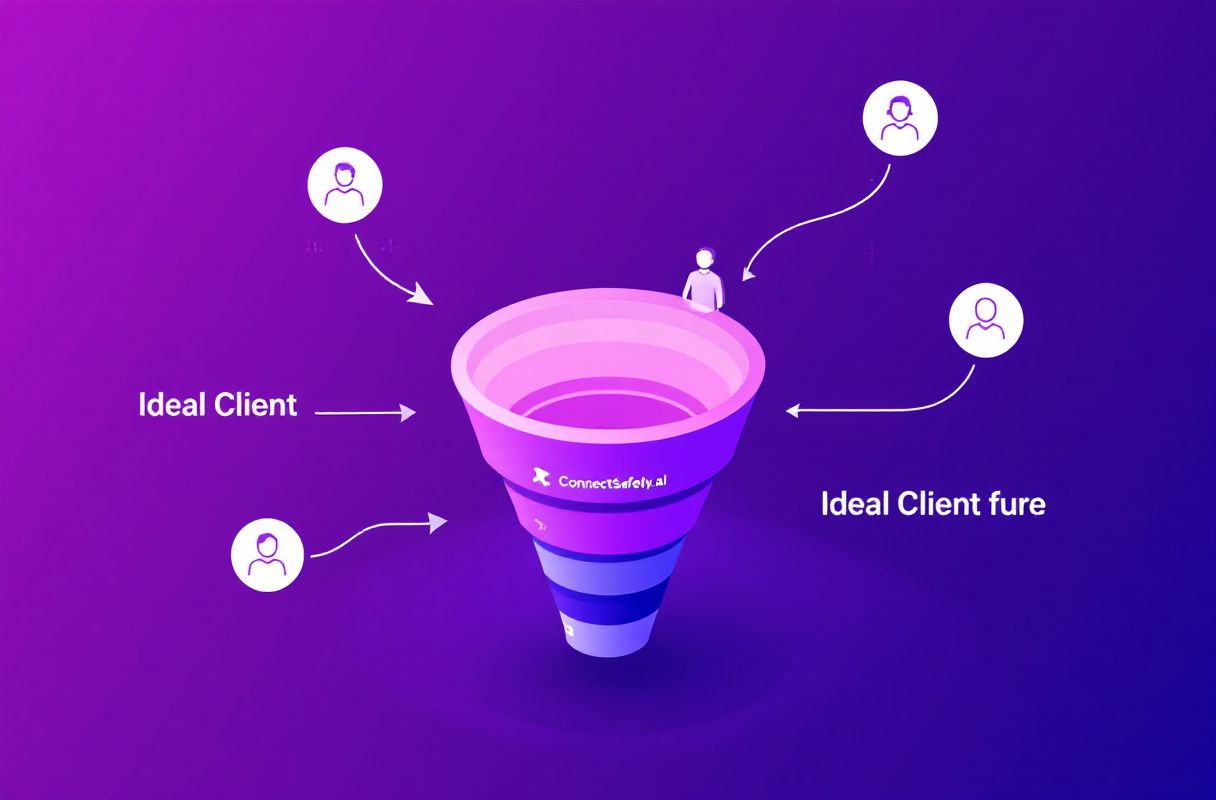
Bigin makes sure your existing deals stay organized. ConnectSafely makes sure there are more deals to organize in the first place.
What Most Guides Get Wrong About CRMs
Most comparison guides treat a CRM as a growth engine. It isn't. It's a system of record.
Myth: A better CRM will bring in more leads. Reality: No CRM originates leads. It organizes the ones that already arrive. Better organization of an empty pipeline changes nothing about your revenue.
Myth: If we track our pipeline perfectly, growth follows. Reality: Visibility is necessary but insufficient. You can see every deal clearly and still have too few of them. Growth comes from sourcing demand, not seeing it more clearly — the mechanism behind B2B social selling that converts engagement into revenue.
Myth: A cheaper CRM is the smart cost-saving move. Reality: The cost that matters most is the cost per lead entering the funnel. Saving a few dollars on the tool that tracks leads does nothing if leads aren't arriving — see the cost-per-lead benchmarks for LinkedIn.
Myth: Outbound plus a good CRM is enough to fill the pipeline. Reality: Outbound converts at roughly 1.7%. Inbound converts near 14.6%. A CRM doesn't change that math — the channel you feed it does, which is the whole point of inbound versus outbound on LinkedIn.

How to Choose: A Decision Framework
Remember: these tools are complementary. Demand creation sits upstream; the CRM sits downstream. Most teams that win use the inbound engine to fill the funnel that Bigin then tracks.
- Founders: If you have deal flow to organize affordably, Bigin. If your pipeline is thin and you need net-new buyers, start with the inbound engine — a CRM has nothing to manage without them.
- Small B2B sales teams: Lean on Bigin to keep multichannel conversations and follow-ups tidy. Lean on ConnectSafely to warm buyers so they arrive pre-sold rather than cold.
- Agencies: Use Bigin to track client deals and comms. Use ConnectSafely to generate net-new leads — for clients and for the agency itself.
- Solo operators and consultants: If your calendar is full and you just need to stay organized, Bigin's free tier is enough. If your calendar is empty, the constraint is demand, not organization — fix the source first.
If budget forces one choice and your funnel is thin, the inbound engine is the one that produces leads. If your funnel is already full and you just need to organize it, Bigin is the specialist. Compare plans on the ConnectSafely pricing page and decide based on which problem you actually have.
Frequently Asked Questions
What is the best Bigin alternative for 2026?
For LinkedIn lead generation specifically, ConnectSafely is the stronger fit — but it solves a different problem. Bigin organizes the deals you already have; ConnectSafely creates net-new ones by building LinkedIn inbound authority, from $10/month with zero ban risk. If your goal is more pipeline rather than tidier pipeline, you want a demand source, not another system of record. If you simply need an affordable CRM to track existing deal flow, Bigin itself is a fine choice.
How much does Bigin cost?
Reported pricing (confirm on the vendor page, billed annually) starts with a Free plan at $0/user/mo, then Express at $7/user/mo, Premier at $12/user/mo, and Bigin 360 at $18/user/mo. Express expands you to 50,000 records, 3 team pipelines, email integration, and 10 workflows. It's genuinely affordable for a small business — the pricing is one of Bigin's clear strengths.
Can a CRM like Bigin generate leads?
Not by itself. Bigin organizes, tracks, and manages the leads already in your funnel across email, calls, and WhatsApp — it doesn't publish, distribute, or attract new interest. A CRM is downstream of demand, not a substitute for it. To generate net-new leads, you need an engine that creates them, which is the gap ConnectSafely fills upstream.
Is Bigin good for a small team?
Yes. For a small team that already has deal flow and needs an affordable, simple place to manage it, Bigin is excellent — that's exactly who it's built and priced for. It holds ~4.6/5 across ~876 G2 reviews, with praise for ease of use, intuitive pipeline views, and quick onboarding. The main caveat reviewers note is that it can feel restrictive for advanced needs as a business grows. As a small-business system of record, it's a strong tool.
Can I use Bigin and ConnectSafely together?
Absolutely — that's the strongest play. Use ConnectSafely upstream to create net-new inbound leads by building LinkedIn authority. Then let Bigin downstream organize, track, and close those leads with its pipeline view and multichannel comms. Demand creation fills the funnel; the CRM manages it. They're complementary, not competitors.
The Bottom Line
A CRM is where a small business gets organized — but it's not where pipeline is born. Bigin is a genuinely good, affordable system of record, and if you have deal flow to manage, it earns its place. What it can't do is create the demand it organizes.
If your pipeline view is clean but too empty, the next move isn't a different CRM. It's an upstream engine that fills the funnel. ConnectSafely turns your expertise into published LinkedIn authority and net-new inbound conversations — from $10/month, with zero ban risk, feeding the channel that closes at 14.6% vs 1.7%.
See ConnectSafely pricing and explore the full playbook in our pillar guide to the best LinkedIn tools for authority-led growth. Fill the pipeline first — then let Bigin track it.
Ready to stop organizing an empty pipeline and start filling it? Build your LinkedIn inbound authority with ConnectSafely — from $10/month, zero ban risk.
See How It Works
Watch how people get more LinkedIn leads with ConnectSafely




Related Articles