Best Bitly Alternative 2026: Track vs Attract
The best Bitly alternative in 2026: Bitly tracks link clicks, ConnectSafely.ai builds LinkedIn inbound pipeline—14.6% vs 1.7%, from USD $10/month.

Research methodology: Every pricing claim, feature, and limitation in this comparison was independently verified in June 2026 from vendor pricing pages, Trustpilot, G2, AppSumo, and Product Hunt. Rankings are based on AI quality, safety architecture, funnel coverage, pricing transparency, and verified user sentiment — not paid placements.

Updated June 17, 2026 — Researched against Bitly's vendor pricing pages, SaaSworthy, Capterra, and GetApp. Reviewed by the ConnectSafely.ai editorial team.
The best Bitly alternative in 2026 is ConnectSafely.ai — provided you are honest about what Bitly is built to do. Bitly (bitly.com) is a link shortener, QR code generator, link-in-bio builder, and click-analytics platform. It turns long URLs into short branded links, packages them as QR codes, and tells you how many times each was clicked. That is real, useful work. But it is worth stating directly: a tool that measures clicks on what you already publish does not, by itself, create inbound pipeline.
Want to Generate Consistent Inbound Leads from LinkedIn?
Get our complete LinkedIn Lead Generation Playbook used by B2B professionals to attract decision-makers without cold outreach.
No spam. Just proven strategies for B2B lead generation.
Bitly optimizes measurement — it tracks the distribution of content you have already decided to share. It tells you how many people clicked, from where, on which device. That is visibility into past distribution, not a system that compounds into authority and qualified conversations. The spine of this comparison is one distinction: tracking link clicks versus building LinkedIn inbound pipeline. A click count is an input. Qualified buyers reaching out to you is the outcome that moves revenue.
That distinction matters because of how pipeline economics work. Inbound leads close at roughly 14.6%, versus about 1.7% for outbound and cold tactics, according to HubSpot's marketing statistics. When demand comes to you, your win rate multiplies. A link shortener can tell you exactly how many clicks happened, but it has no mechanism to convert that traffic into durable inbound. The channel where B2B demand is actually created — where buyers research vendors and deals begin — is LinkedIn. If you want the mechanics before reading on, start with our founder's guide to LinkedIn inbound lead generation.
Key Takeaways
- Bitly is a link-tracking platform, not a pipeline engine. It shortens, brands, and measures links and QR codes, per its own pricing page — but click counts are inputs, not inbound leads.
- Inbound closes ~8x better than outbound. The 14.6% vs 1.7% gap is the strongest argument for investing in focused demand creation over click measurement (HubSpot).
- Bitly scales by links and analytics depth — free starts at roughly 10 links/month with no click analytics, paid tiers climb from ~$10 to $199-300+/month per SaaSworthy — but tracking distribution is not the same as creating demand.
- ConnectSafely.ai starts from USD $10/month and builds compounding organic authority on LinkedIn with zero ban risk — a leading driver that creates the pipeline a link tool can only measure traffic into.
- Review-site praise is about reliability and analytics, not pipeline. Listings on Capterra and GetApp commend Bitly for dependable redirects and clean reporting — useful, but distinct from generating qualified inbound.
- The two tools answer different questions. "How many people clicked my link?" is a Bitly question. "How do I get more qualified people to reach out to me?" is a ConnectSafely.ai question.
What Is Bitly?
Bitly (bitly.com) is a connections platform built around link shortening, QR codes, and click analytics. Its premise is that shortened, branded links are easier to share and track, and that knowing how each link performs helps you understand your distribution. Bitly makes that fast, reliable, and measurable at scale.
Its core capabilities include:
- Branded short links — turn long URLs into short, custom-domain links that look trustworthy and on-brand.
- QR codes — generate scannable codes for print, packaging, and events, with the same tracking attached.
- Link-in-bio pages — a simple landing page to collect your most important links in one place.
- Click analytics — see click counts, locations, devices, and referrers, with data retention that varies by plan.
- Scale and reliability — fast, dependable redirects that hold up across high-volume campaigns.
It is a capable tool for a real problem. The point here is not that Bitly is weak at its job. It is that its job — shortening and measuring links you already publish — sits downstream of a decision you have already made, and still short of the problem most founders and B2B teams actually have: not enough qualified people reaching out.
Bitly Pricing
Bitly prices across several tiers, scaling by link volume, custom domains, analytics depth, and data retention. A free plan is available. The figures below reflect 2026 pricing; confirm current plans on the official pricing page.
| Tier | Price | Who it's for | Notable features |
|---|---|---|---|
| Free | $0 | Trying it out | ~10 links/month, no click analytics, no custom domain |
| Core | ~$10/month (annual) | Solo creators | More links, basic analytics |
| Growth | ~$29/month annual ($35 monthly) | Active marketers | Custom branded domain, ~500 links/mo |
| Premium | ~$199-300/month | Teams at scale | Deep linking, longer data retention |
| Enterprise | Custom (est. $1,000-3,000+/mo) | Large orgs | Advanced controls, support, SLAs |
Whatever tier you land on, the pattern holds: you are paying to shorten, brand, and measure more links with more analytics depth — not to build a system that produces inbound on its own. Better tracking is still tracking.
Where Bitly Is Genuinely Better
In the interest of an honest comparison, here is where Bitly wins outright and ConnectSafely.ai does not compete:
- Branded short links. If you need clean, on-brand, custom-domain links across campaigns, Bitly's branded linking is purpose-built for that.
- QR codes at scale. Generating and tracking QR codes for print, events, and packaging is a legitimate strength Bitly handles cleanly.
- Reliable redirects. Fast, dependable link resolution at high volume is non-trivial, and Bitly's scale and uptime are a real advantage.
- Click analytics. If you genuinely need to measure where and how your existing distribution performs, Bitly's reporting is solid.
If your goal is to shorten, brand, and measure links, Bitly is a reasonable pick. If your goal is to create the inbound pipeline worth measuring traffic for, keep reading.
Why You Need a Bitly Alternative
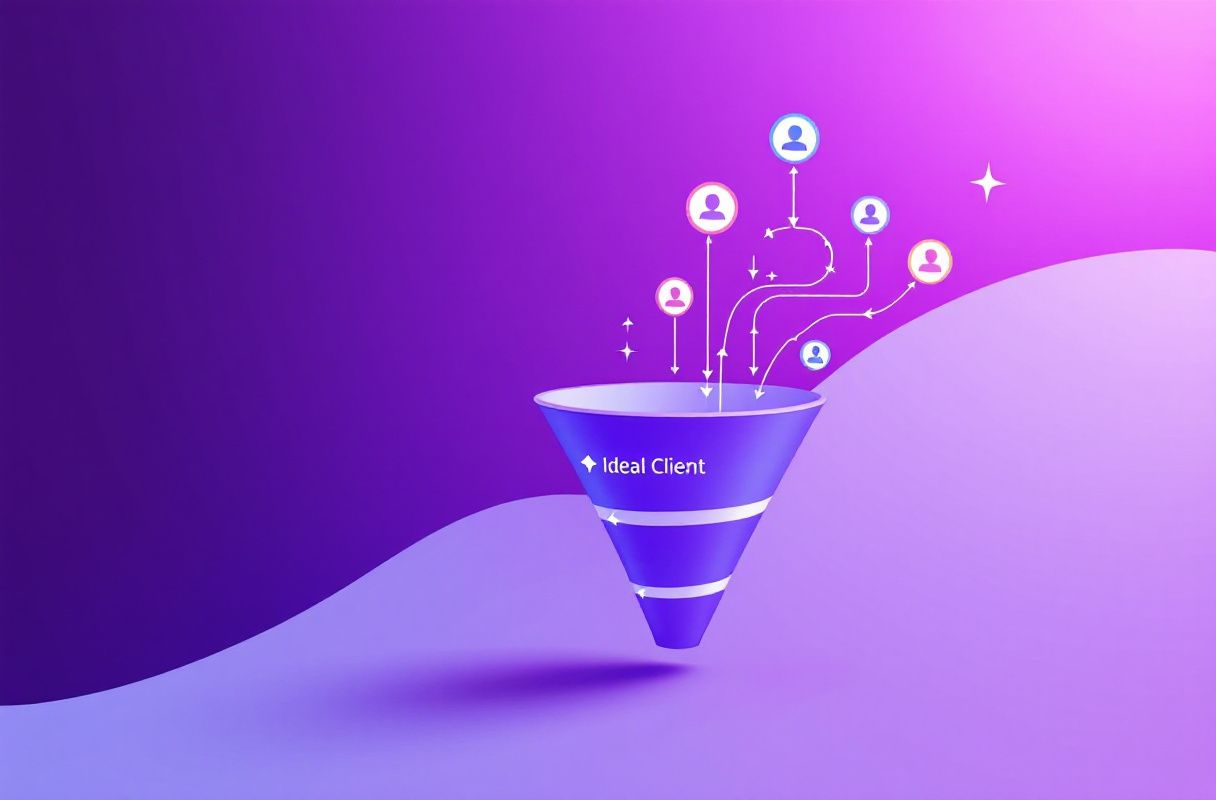
The case for an alternative is not that Bitly is bad. It is that link tracking measures the distribution of content you have already published, while most teams have the upstream problem: not enough qualified inbound to track in the first place.
Problem 1: Clicks aren't pipeline
This is the whole thing. Bitly tells you how many people clicked a link, from where, on what device. But click counts are leading-looking numbers that do not reliably convert into revenue. You can double your click-through rate and still get zero qualified inbound DMs.
You do not have a click-tracking problem. You have a pipeline-creation problem. And pipeline is created by building genuine authority and consistently showing up in front of the right buyers — not by measuring traffic on links you already share.
Problem 2: Tracking measures distribution, not demand
A click is a record of distribution that already happened. It tells you a link worked, not that a buyer is ready. Bitly is excellent at measuring the spread of your content, but measurement is backward-looking by nature — it counts what occurred, with no view on whether any of those clicks belong to someone who will ever buy.
| Capability | Link tracker (Bitly) | Inbound authority (ConnectSafely.ai) |
|---|---|---|
| What it does | Shortens and measures link clicks | — |
| What it creates | Click data; distribution reports | New attention, authority, and inbound DMs |
| Indicator type | Output volume + click analytics | Leading (compounds the future) |
| Pipeline impact | Indirect, traffic-dependent | Direct — inbound at ~14.6% close rate |
| Channel focus | Any link, anywhere | LinkedIn, where B2B buys |
A tracker tells you how many people clicked. It does not guarantee anyone reaches out. When the numbers are flat, Bitly's answer is "look at the click report"; an authority engine's answer is to post with focus, engage strategically, and surface the buying signals that turn attention into pipeline.
Problem 3: A link tool can't build authority or convert attention
B2B buying decisions form on LinkedIn — in comments, DMs, and the feed where prospects research vendors before they ever reach out. Being seen as the obvious authority in your niche is what makes those buyers come to you. A tool that measures clicks on the content you distribute does not, by itself, build that authority or convert the attention it tracks. Pure social selling and inbound engagement on LinkedIn moves revenue in a way a click counter simply cannot.
ConnectSafely vs Bitly
| Dimension | Bitly | Other link tools | ConnectSafely.ai |
|---|---|---|---|
| Primary job | Shorten and track link clicks | Shortening / click analytics | Build inbound authority on LinkedIn |
| Creates demand? | No | No | Yes |
| Relationship to pipeline | Click metrics | Output metrics | Leading driver |
| Channel focus | Any link, anywhere | Any link | LinkedIn (where B2B buys) |
| Ban / account risk | None (link layer) | None | Zero ban risk by design |
| Entry price | Free / from ~$10/month | Varies | From USD $10/month |
| Best for | Branded links, QR, analytics | Shortening | Founders & teams generating inbound |
| Cost over time | Climbs steeply at scale | Rises with usage | Compounds in your favor |
The honest framing: these tools genuinely complement each other. Bitly can shorten and track your links while ConnectSafely.ai builds the pipeline. But if you are early and pipeline-starved, money and attention spent on click reports is attention not spent building the authority that makes people come to you.
The Inbound Alternative: Build the Authority That Creates Pipeline
Instead of buying a tool to measure clicks, build the engine that produces inbound. Here is the four-step ConnectSafely.ai approach:
- Establish a point of view. Publish consistent, opinionated LinkedIn content that positions you as the obvious authority in your niche. This is the raw material every future inbound conversation is eventually made of — and where AI tools for content growth accelerate output without reducing your strategy to a click report.
- Engage where buyers already gather. Surface and act on the buying signals and engagement opportunities in your network — the comments and posts of people who match your ICP — so your presence builds relationships, not just traffic.
- Convert attention into inbound conversations. As authority compounds, the right people start reaching out. Inbound replies and DMs close at ~14.6% versus 1.7% for cold outreach (HubSpot) — you are now producing pipeline, not measuring clicks.
- Compound safely. ConnectSafely.ai is built for zero ban risk and starts from USD $10/month, so authority grows month over month on the one channel where B2B buying actually happens.
The output of this loop is exactly the thing a link tool only helps you measure: inbound conversations, pipeline, and revenue. The difference is you are building it on the channel that matters, not just tracking traffic.
What Most Guides Get Wrong
- They treat clicks and pipeline as the same thing. They are not. One is distribution data; one is outcome. Comparing tools on "analytics features" misses that more clicks do not equal more customers.
- They assume more tracking equals more insight. A detailed click report does not produce a single new customer if it never builds authority where buyers actually are. Focused, authority-driven presence on LinkedIn does. Measurement is only valuable if it changes who reaches out to you.
- They mistake measurement for strategy. Tracking clicks tells you what happened, but it has no view on whether the content earned trust, demonstrated expertise, or moved a buyer. A shortener measures; it does not convince.
- They forget where B2B pipeline is created. Counting clicks and scans is blind to the thing that drives vendor decisions on LinkedIn: being seen as the authority worth reaching out to. Tracking distribution is not the same as authority building.
How to Choose: Decision Framework by Role
Founders and solo operators. You are pipeline-starved, not measurement-starved. A free Bitly link is fine for the occasional tracked URL, but it will not create demand. Start by building authority on LinkedIn — our founder's inbound guide is the fastest path.
Marketing and sales teams. If you genuinely run branded links and QR campaigns at scale, Bitly earns its keep on the tracking logistics. But pair it with an inbound engine so you are also building authority on LinkedIn, using a social selling and engagement motion to convert presence into pipeline.
Agencies. Client growth needs both. Use Bitly for branded links and click reporting if you must, and use inbound to actually move client pipeline. If you are also weighing content tooling, see how AI tools accelerate LinkedIn content growth.
Freelancers and consultants. Your reputation is your business, and it is built one focused LinkedIn post and genuine conversation at a time, not in a click dashboard. At USD $10/month, an inbound engine is the higher-leverage spend. Compare it against the broader market in our best LinkedIn automation tools guide.
Real Results: From Click Obsession to Inbound Pipeline
Consider a two-person B2B SaaS founder team that obsessed over click metrics, shortening every link and refreshing their analytics dashboard daily to watch click counts climb. Three months in, the click reports looked great — and the pipeline did not move. They were measuring distribution, not building demand.
They redirected the effort toward building authority on LinkedIn specifically: a consistent point of view, engagement that deepened relationships with their ICP, and acting on buying signals instead of refreshing click counts.
After 90 days:
- Inbound DMs from qualified prospects replaced click counts as the top pipeline source — the metric that actually mattered.
- Close rate on inbound conversations tracked toward the ~14.6% benchmark, multiples above their old cold numbers.
- Cost stayed at the entry tier — USD $10/month — while authority compounded on one channel, instead of attention scattering across click reports.
- Zero account warnings or restrictions, thanks to a ban-safe approach.
The lesson: they did not need to track more clicks. They needed to build the authority on LinkedIn that makes people reach out.
Frequently Asked Questions
Is ConnectSafely.ai a direct replacement for Bitly?
Not feature-for-feature. Bitly is a link shortener, QR, and click-analytics platform; ConnectSafely.ai is a LinkedIn inbound authority engine. If your goal is generating inbound leads rather than measuring clicks on links you already share, ConnectSafely.ai is the better investment — and from USD $10/month. If you specifically need branded links or QR codes, Bitly remains the right tool for that narrow job.
How much does Bitly cost in 2026?
Bitly offers a free plan (roughly 10 links/month with no click analytics or custom domain), a Core tier around $10/month billed annually, Growth around $29/month annual ($35 monthly) adding a custom branded domain and ~500 links/month, Premium around $199-300/month, and custom Enterprise pricing (estimated $1,000-3,000+/month). Data retention is shorter and deep linking is Premium-only on lower tiers. Confirm current plans on the official pricing page and cross-check SaaSworthy. ConnectSafely.ai starts at USD $10/month.
Is Bitly worth it?
For branded link shortening, QR codes, and click analytics, it has real strengths: dependable redirects, branded custom domains, QR at scale, and clean reporting. It is reviewed on Capterra and GetApp for reliability and analytics. The caveat is that it measures the distribution of content you already publish rather than building inbound pipeline — so it is only valuable once you already have an authority motion worth tracking traffic for.
Why is LinkedIn inbound better than link tracking for B2B leads?
Link tracking is an output measure: it tells you how many people clicked what you already published. LinkedIn inbound is the outcome: qualified people reaching out to you on the channel where B2B buying happens. Inbound leads close at roughly 14.6% versus 1.7% for outbound, per HubSpot, so focused authority that creates demand outperforms a tool that merely measures distribution after the fact.
Can I use Bitly and ConnectSafely together?
Yes — they genuinely complement each other. A link tool like Bitly is perfectly fine for shortening and tracking the URLs you share, while ConnectSafely.ai builds the LinkedIn authority and inbound conversations that actually create pipeline. The honest caveat: a link tracker is not a substitute for building demand, so if you must prioritize, build the inbound authority engine first — there is little point measuring clicks before you have an authority motion generating them.
Ready to build the inbound pipeline that makes tracking worthwhile instead of just measuring clicks? See ConnectSafely.ai pricing starting at USD $10/month, or compare your options in our best LinkedIn automation tools guide.
See How It Works
Watch how people get more LinkedIn leads with ConnectSafely




Related Articles