
Best Buska Alternative: Signals vs Inbound
Looking for a Buska alternative? See why LinkedIn inbound beats chasing buying signals — 14.6% close rate vs 1.7%, from USD $10/month flat with zero ban risk.

Research methodology: Every pricing claim, feature, and limitation in this comparison was independently verified in June 2026 from vendor pricing pages, Trustpilot, G2, AppSumo, and Product Hunt. Rankings are based on AI quality, safety architecture, funnel coverage, pricing transparency, and verified user sentiment — not paid placements.

Updated June 5, 2026 — Researched against Buska's vendor pricing pages, the Salesforge directory listing, and Buska's own social-listening guide. Reviewed by the ConnectSafely.ai editorial team.
The best Buska alternative in 2026 is ConnectSafely.ai — a LinkedIn inbound lead generation platform that makes buyers reach out to you instead of sending you off to chase their mentions across the web. Teams that try a Buska alternative usually arrive at the same realization: a social-listening engine surfaces real buying intent you would otherwise miss, but the moment you act on a stranger's keyword mention, you are still launching a cold-ish, interruption-based reply. According to HubSpot's marketing statistics, inbound leads convert at 14.6% compared to just 1.7% for cold outreach. Buska can point you at the right conversations — but jumping into a stranger's thread is still you reaching out first. The deeper question is whether you want to monitor and chase signals 24/7, or become the name buyers already recognize when the signal appears.
Want to Generate Consistent Inbound Leads from LinkedIn?
Get our complete LinkedIn Lead Generation Playbook used by B2B professionals to attract decision-makers without cold outreach.
No spam. Just proven strategies for B2B lead generation.
Key Takeaways
- Buska surfaces intent signals — it does not make you the trusted answer: it scans 30+ platforms in real time for buying intent, but you still have to interrupt the conversation to act on it
- LinkedIn inbound leads convert 8-9X better: HubSpot research puts inbound close rates at 14.6% vs. 1.7% for cold outreach
- Buska's pricing is transparent: Starter $49, Growth $99, Scale $249 per month — affordable, but it is a recurring cost to keep the monitoring running
- It is a reactive, always-on motion: you chase mentions across X, Reddit, LinkedIn, and 27+ other platforms around the clock; the moment you stop watching, the pipeline stops
- AI scoring is genuinely strong: every mention is rated on five intent types — active demand, competitor mentions, pain signals, questions, and recommendations
- Chasing signals sorts a stream; authority compounds: replying to mentions converts at cold rates, while inbound visibility builds a growing source of warm leads who come to you
Buska's pitch is legitimate and, for the right team, genuinely useful: catch the exact moment someone tweets "anyone know a good tool for X," asks for a recommendation on Reddit, or vents a pain point about your competitor — then jump in while the intent is hot. For a lean team that would otherwise never see those conversations, that visibility is real value.
But here is what the social-listening category does not say out loud: catching a signal earlier does not make your reply welcome. Real-time monitoring optimizes the timing of your outreach. It does not change the relationship — and the relationship is where the 14.6% vs. 1.7% gap actually lives.
What Is Buska?
Buska is a social-listening tool built specifically for lead generation. Its core promise is to turn the open web into a live feed of buying intent: it monitors where your future customers are already talking, flags the moments that signal demand, and qualifies those leads automatically so you can step in at the right time — compressing hours of manual scrolling into an AI-scored stream of opportunities.
Buska's core features:
- 30+ platform monitoring: real-time scanning across Twitter/X, Reddit, LinkedIn, Hacker News, Product Hunt, Quora, YouTube, TikTok, Facebook, Instagram, forums, and review sites
- Buying-intent detection: every mention is analyzed for five intent types — active demand, competitor mentions, pain signals, questions, and recommendations
- AI lead qualification and scoring: each lead is scored by intent strength, content relevance, and author profile, so the strongest opportunities surface first
- Automated workflows: rules that move you from signal detection to outreach without manual triage
- Notifications: alerts delivered via Slack, Discord, or webhooks so hot signals reach you instantly
Buska leans into being the early-warning radar for demand. Its own guide on social listening for lead generation frames it as the way to catch buyers at the exact moment of interest — but it remains a tool for finding conversations to jump into, not a source of demand that comes to you.
Buska Pricing
Unlike many tools in this space, Buska publishes transparent tiers — which makes comparison straightforward. Here is what the vendor and directory pages state:
| Plan | Price | Notes |
|---|---|---|
| Starter | $49/mo | Entry tier for small teams starting social listening |
| Growth | $99/mo | More monitoring volume and workflow capacity |
| Scale | $249/mo | Higher limits for teams running signals at scale |
Buska is positioned as the best social-listening tool for small businesses wanting leads, starting at $49/month. The pricing is honest and accessible — but it is a recurring fee to keep the monitoring engine running. The moment you stop paying, the radar goes dark and the signals stop arriving.
Where Buska Is Genuinely Better
To be fair — and because honesty matters here — Buska does several things an inbound platform simply does not:
- Real-time signal capture: it surfaces buying intent across 30+ platforms the instant it appears, catching conversations you would otherwise never see
- Five-type intent analysis: distinguishing active demand from a pain signal or a competitor mention is a genuinely smart way to prioritize
- AI scoring that prioritizes: ranking each lead by intent strength, relevance, and author profile saves real triage time
- Instant alerts: Slack, Discord, and webhook notifications mean hot signals reach you while they are still hot
- Transparent, affordable pricing: from $49/month with public tiers, it is one of the more accessible tools in the category
If you are a team committed to catching demand the moment it surfaces and your bottleneck is visibility into those conversations, Buska is a strong, defensible choice. The problem is not its detection — it is what acting on a detected signal can and cannot do for your results.
Why You Need a Buska Alternative
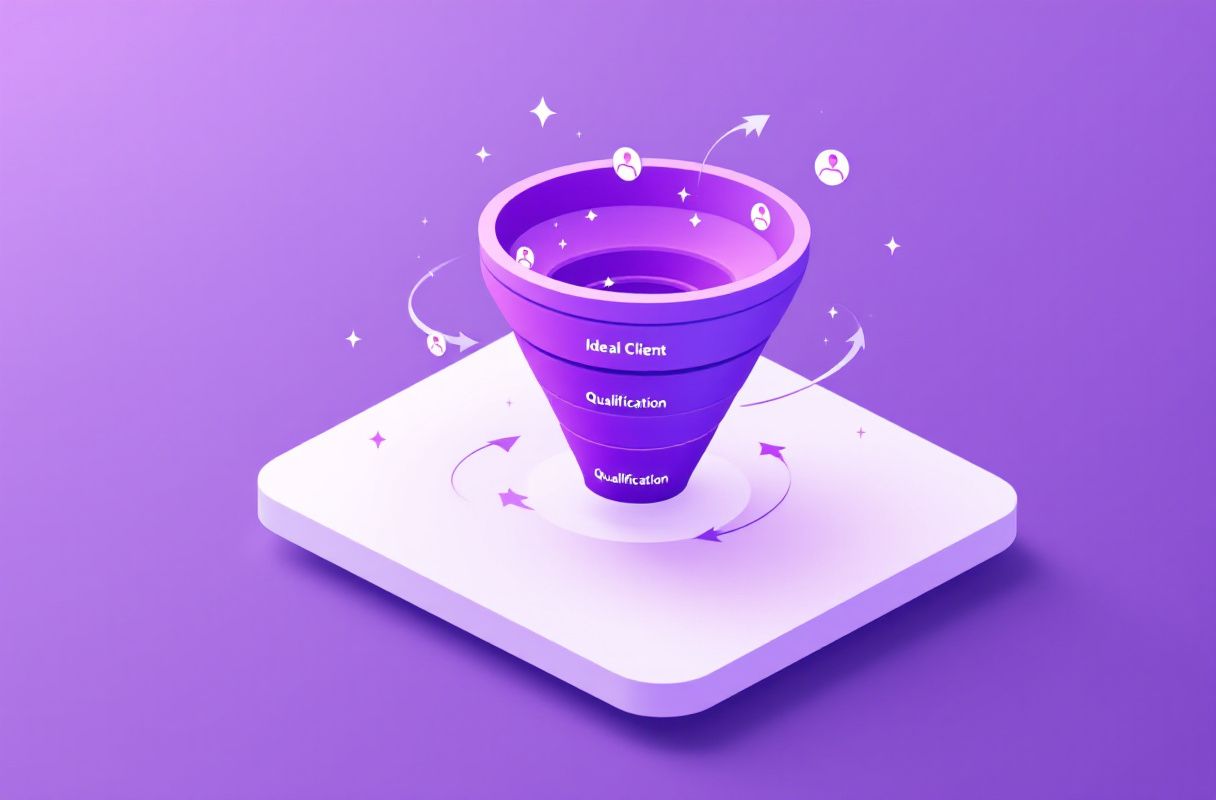
Problem 1: Acting on a Signal Is Still an Interruption
Buska tells you when a stranger mentions a relevant topic. But that stranger was talking to their own audience, not to you. When you slide into the thread or the DMs, you are still the uninvited voice — the one who showed up because a keyword tripped an alert, not because anyone asked for you.
This is the structural ceiling of social listening for leads: it is a timing tool, not a trust tool. The hard, expensive part of go-to-market — being someone the right people already recognize and want to hear from — is exactly the part a faster alert cannot touch. The intent is real, but you are still the person breaking into the conversation, and buyers can tell the difference between a recommendation from a peer and a vendor who was monitoring for their name.
Problem 2: It Is a Reactive Treadmill You Never Step Off
Buska's model is always-on by design. You watch the stream, you score the leads, you reply before the window closes — and then you do it again, forever. The pipeline only exists while the radar is running and someone is acting on what it finds. Stop monitoring for a week and the leads simply stop.
That is the opposite of an asset. You are renting attention to other people's conversations rather than building your own gravity. Compare that with inbound prospecting where you attract instead of chase: the work you do today keeps generating demand tomorrow, instead of evaporating the moment you look away from the feed.
Problem 3: A Hot Signal Still Closes at Cold Rates
Even with perfect timing and AI scoring, the economics of the underlying motion do not change much:
| Metric | Buska-Sourced Signal Outreach | Inbound Authority |
|---|---|---|
| Close Rate | ~1.7% (outbound average) | 14.6% |
| What It Does | Surfaces signals to chase | Creates inbound demand |
| Lead Quality | Intent-rich but cold to you | Warm, pre-qualified |
| Who Reaches Out First | You | The buyer |
| Entry Cost | From $49/mo recurring | from USD $10/month |
| Effort Model | Always-on monitoring | Compounding visibility |
Timing improves which conversations you jump into. It does not move those replies into the 14.6% column — because the buyer still did not come to you. Only a different source can do that.
ConnectSafely vs Buska
ConnectSafely.ai is not a faster way to find conversations to interrupt — it is a different model entirely. Instead of helping you monitor and chase signals across 30 platforms, you build the LinkedIn authority that makes qualified buyers surface the signal to you.
| Feature | Buska | Other Listening Tools | ConnectSafely.ai |
|---|---|---|---|
| Approach | Real-time signal monitoring | Mention tracking + alerts | Inbound authority building |
| Monthly Cost | From $49/mo | $49-$500s | from USD $10/month total |
| What You Get | Signals to chase | Signals to chase | Buyers who contact you |
| Who Reaches Out First | You | You | The prospect |
| Lead Temperature | Cold (intent-rich) | Cold (intent-rich) | Warm |
| Effort Model | Always-on monitoring | Always-on monitoring | Compounding asset |
| Response Rate | Cold-outreach average | Cold-outreach average | 70%+ positive |
| Close Rate | ~1.7% (cold motion) | ~1.7% (cold motion) | 14.6% |
| LinkedIn Ban Risk | Low (read-only listening) | Low | Zero |
| Asset Built | A monitoring habit | A monitoring habit | Compounding authority |
ConnectSafely's positioning is the inverse of the social-listening category: a low flat monthly cost, zero ban risk, and an inbound authority engine that gets stronger the longer you run it — instead of a radar that is only as useful as the conversations it happens to catch this week.
The Inbound Alternative: Being Found vs Hunting Signals
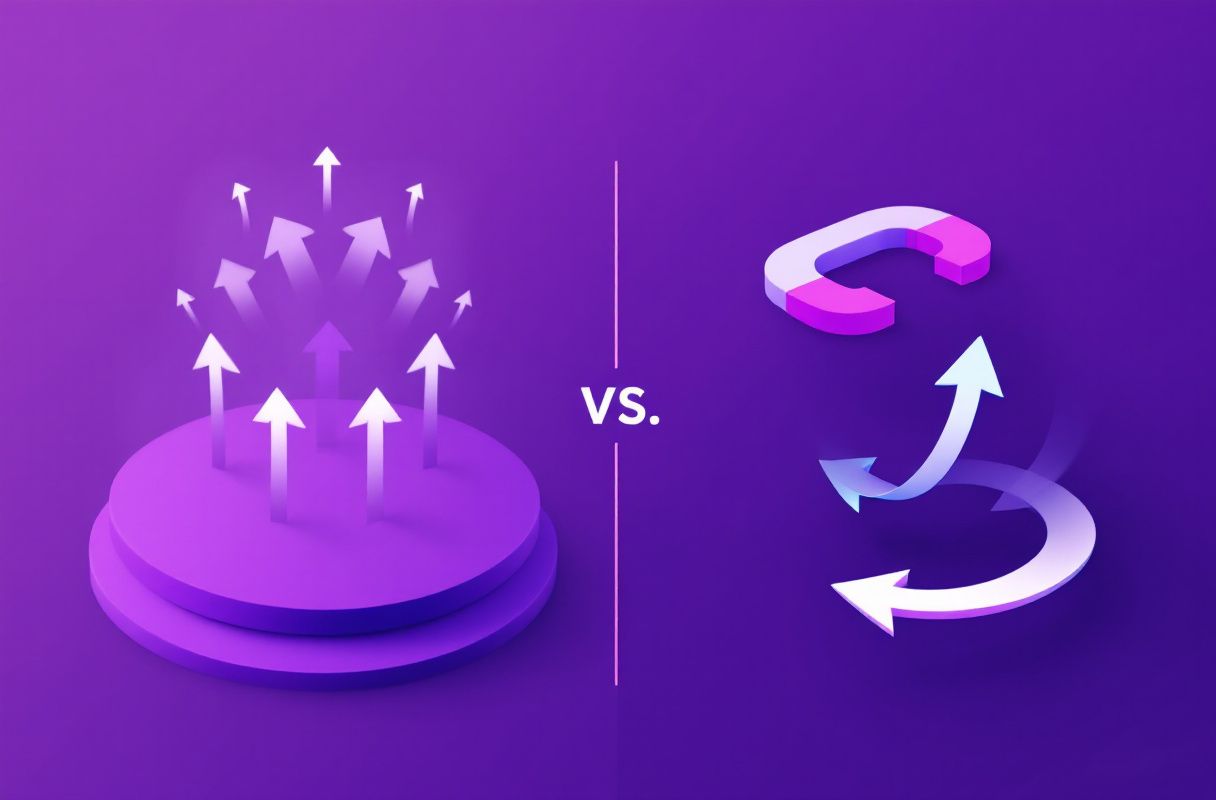
What if, instead of scanning 30 platforms for the moment a stranger mentions your category, the buyer simply named you — because you were already the person they recognized as the expert?
LinkedIn buying signals reveal themselves naturally when you build authority where your buyers already are:
- Strategic visibility: identify where your ideal prospects spend attention on LinkedIn and show up there consistently, so you are not hunting for them across a dozen feeds.
- Value-adding engagement: appear in those conversations with thoughtful, expertise-demonstrating contributions — not a monitored-keyword reply.
- Recognition building: prospects start associating your name with the answer to their problem, long before they have an active need.
- Inbound conversion: when the buying intent shows up, it shows up as a message to you — the signal and the warm lead arrive at the same time, with no monitoring required.
The difference is structural. Buska tells you a signal happened somewhere on the web so you can go chase it. LinkedIn authority is an asset that makes the signal arrive in your inbox — every post, comment, and connection compounds the next one and widens the top of your funnel. You are not racing to interrupt the right conversation; you are becoming the reason the buyer starts the conversation. This is why attraction beats prospecting: the warmest intent signal is the one a buyer sends directly to you.
What Most Guides Get Wrong
Most Buska reviews and "best social-listening tool" roundups argue about the wrong things. Here is the nuance they miss:
1. "Catching the signal earlier means more deals." Earlier timing improves which conversations you can join — it does not change how a stranger feels about a vendor who showed up uninvited. A perfectly timed reply to a monitored mention still opens cold, because you are still the one reaching out first. Timing is a multiplier on a motion that already converts at 1.7%, not a path to a better number.
2. "Buying intent equals a warm lead." Not for you. A person searching for a solution has intent — but that intent is not pointed at you until they know you exist. AI scoring tells you the prospect is ready to buy; it does not make you the seller they trust. The real buying signals worth chasing are the ones aimed at you specifically.
3. "More monitoring means more pipeline." Only while you are watching. The moment you stop replying to mentions, the pipeline stops — there is no compounding asset underneath it. Inbound visibility keeps producing leads even on the weeks you do nothing, because the authority you built does not evaporate when you close the dashboard.
4. "Listening tools and inbound are competitors." They are not. Buska is a tool for a strategy (catching and chasing demand across the web). ConnectSafely is a different strategy (becoming the name that demand surfaces to). The real question is not which radar to buy — it is whether your problem is finding the right conversation or being the answer when it happens.
How to Choose: Decision Framework by Role
There is no single universal winner. The right Buska alternative depends on who you are and what you are trying to build.
For founders and solopreneurs: skip the always-on monitoring treadmill. ConnectSafely (from USD $10/month flat) is the highest-ROI move because your personal brand is your strongest asset — inbound authority generates warm leads without chasing mentions across 30 platforms or interrupting strangers. The buyers who reach out already know who you are.
For marketing teams chasing buyer intent: Buska is a reasonable radar if you are committed to a signal-led motion and need visibility into conversations you cannot see today. But run ConnectSafely in parallel as the inbound engine — within 60-90 days most teams find that leads who reached out directly outperform monitored-signal replies on close rate, because they enter the funnel warm. Learn why inbound signals beat prospecting.
For agencies managing multiple clients: flat pricing wins. ConnectSafely's per-account model scales predictably, while per-client monitoring subscriptions and the labor of replying to signals at volume multiply cost with every account you add.
For freelancers and consultants: you do not need a wider radar — you need 10-20 warm conversations a month. Inbound authority is the only model that produces those without a recurring monitoring fee or the time cost of watching feeds all day.
Real Results: From Chasing Signals to Inbound
We looked at how teams behave after shifting from a signal-led model to an inbound-led one. The pattern is consistent.
A B2B SaaS team had adopted a social-listening tool to catch buying intent across X, Reddit, and LinkedIn. The tool worked as advertised — it surfaced genuinely relevant mentions, scored them by intent, and pinged Slack the moment a hot signal appeared. The team replied fast and professionally. But reply quality stayed stubbornly near outbound averages, because every conversation started the same way: a stranger who had been talking to their audience, suddenly hearing from a vendor who had been monitoring for their keywords. The intent was real; the welcome was not. And the pipeline only existed as long as someone was watching the feed.
After 90 days of building LinkedIn authority instead:
- Inbound inquiries climbed to 10-20 per month, all initiated by the prospect — the signal and the warm lead arrived together
- Meeting quality jumped — discussions started at "I've been following your posts," not "thanks for jumping into my thread, who are you?"
- The total tool cost dropped to a single flat monthly fee, with no recurring monitoring subscription and no time spent watching streams
The qualitative shift mattered more than the numbers: a perfectly timed reply to a monitored mention still opened with a stranger's skepticism, while inbound meetings opened with trust. That trust advantage is the part no social-listening radar can ship — because it is built before the buyer ever raises their hand.
Frequently Asked Questions
What is the best Buska alternative?
The best Buska alternative depends on your goal. If you want to keep catching buying signals across the web, other social-listening tools are direct swaps. But if your real problem is that acting on those signals still means interrupting strangers, the better alternative is ConnectSafely.ai — it replaces signal-chasing with inbound authority building that converts at 14.6% vs. the 1.7% outbound average, from USD $10/month flat with zero LinkedIn ban risk, so the intent arrives as buyers reaching out to you.
How much does Buska cost?
Buska publishes transparent pricing: Starter at $49/month, Growth at $99/month, and Scale at $249/month. It is one of the more accessible tools in the social-listening category and is positioned as the best option for small businesses wanting leads from $49/month. Keep in mind the fee is recurring — it keeps the monitoring engine running, and the signals stop arriving the moment the subscription lapses.
Is Buska worth it in 2026?
For teams committed to a signal-led motion whose bottleneck is visibility into conversations they cannot see today, Buska is worth it — its real-time monitoring across 30+ platforms and five-type intent scoring genuinely surface demand you would otherwise miss. For founders, small teams, or anyone whose bottleneck is being recognized rather than catching signals faster, social listening optimizes the wrong moment, and inbound delivers far better ROI.
Does acting on Buska signals risk my LinkedIn account?
Buska itself is largely read-only listening, so the monitoring carries low direct account risk. The risk lives in what you do with the signals: replying to strangers at volume, mass DMs, and aggressive follow-ups on found contacts can still draw spam flags and LinkedIn restrictions. An inbound approach avoids the question entirely by building authority through normal engagement — no chasing, no mass sends, zero ban risk.
Can I use Buska and ConnectSafely together?
Yes. If you already run Buska to catch buying intent across the web, keep it as your real-time radar and run ConnectSafely as your inbound engine. Most teams find that as their LinkedIn authority grows, more of the demand arrives as direct inbound — which lifts close rates and reduces how often you have to interrupt a stranger's conversation to get a meeting.
Ready to stop chasing signals across 30 platforms and start attracting warm buyers? Start your free ConnectSafely.ai trial and see why inbound beats monitoring — or compare the full landscape in our best LinkedIn automation tools guide.
See How It Works
Watch how people get more LinkedIn leads with ConnectSafely




Related Articles