Best Highspot Alternative 2026: LinkedIn Inbound
Highspot arms reps with perfect content for the deals they're in. But enablement doesn't create the deal. LinkedIn inbound closes 14.6% vs 1.7%, from $10/mo, zero ban risk.

Research methodology: Every pricing claim, feature, and limitation in this comparison was independently verified in August 2026 from vendor pricing pages, Trustpilot, G2, AppSumo, and Product Hunt. Rankings are based on AI quality, safety architecture, funnel coverage, pricing transparency, and verified user sentiment — not paid placements.

Updated August 2026 — Researched against Highspot's (highspot.com) reported pricing, G2 reviews (1,190+ ratings, 4.7/5), Capterra, and HubSpot's marketing statistics. Reviewed by the ConnectSafely.ai editorial team.
You bought Highspot because your reps kept losing time — and sometimes deals — at the worst possible moment. A buyer asked for the security one-pager, the manufacturing case study, or the ROI deck, and the rep couldn't find the current version. Or worse, they sent an outdated one. So you invested in a system that governs content, guides selling, and trains the team, all in one place.
Want to Generate Consistent Inbound Leads from LinkedIn?
Get our complete LinkedIn Lead Generation Playbook used by B2B professionals to attract decision-makers without cold outreach.
No spam. Just proven strategies for B2B lead generation.
And Highspot solved that. Genuinely. Reps now walk into every conversation armed with the right material, approved and on-brand. That is real value.
But here is the line worth drawing carefully. Highspot works on the deals your reps are already in. It makes them better at advancing an opportunity that already exists. It does not originate the opportunity.
Think of Highspot as the armory. It equips the soldiers you have for the battles they are already fighting. What an armory does not do is recruit the enemy to the battlefield in the first place. If your pipeline is thin, the sharpest sword in the world is swinging at empty air.
This guide credits what Highspot does well, lays out its 2026 costs honestly, and then makes the case for a different lane entirely: LinkedIn inbound, where publishing your own expertise both attracts buyers and produces the enablement content your reps were missing. For the broader landscape, see our best LinkedIn automation tools pillar.
Key Takeaways
- Highspot is a sales enablement platform, not a lead source. It governs content, guides selling, and trains reps — all for deals already in motion.
- Reported pricing is enterprise-tier: median annual contract around $59,640 (range ~$21,131 to ~$174,131), plus implementation fees of $10,000–$50,000+, per 167 verified transactions. Quote-only. Confirm on the vendor page.
- The ROI timeline is long: G2 reviewers report an average of roughly 15 months to payback and about 2 months to implement.
- A February 2026 merger with Seismic adds pricing and roadmap uncertainty — no continuity commitments have been published.
- The core gap: enablement advances deals; it doesn't create them. Perfectly organized content handed to reps with no inbound pipeline is polishing an empty funnel.
- LinkedIn inbound closes at ~14.6% vs ~1.7% for outbound-style lists (HubSpot), starts from $10/month, and carries zero ban risk — while the content you publish doubles as enablement.
What Highspot Actually Does Well
Let's be fair. Highspot earns its 4.7/5 across roughly 1,197 G2 reviews for real reasons.
Content governance at scale. For a 200-rep org with thousands of assets, versioning chaos is a genuine revenue leak. Highspot enforces a single source of truth, retires stale decks, and ensures the case study a rep sends is the approved one. At scale, that discipline is hard to replicate manually.
Guided selling. Highspot surfaces the right play, the right content, and the right next step based on deal stage and buyer signals. For newer reps especially, that guidance compresses ramp time and standardizes what "good" looks like.
Rep training and coaching. Onboarding curricula, certification, and in-context reinforcement live alongside the content itself, so training isn't a separate LMS the team forgets to open.
Adoption and content analytics. Highspot tells you which assets get used, which get opened by buyers, and which never move a deal. That feedback loop helps marketing build what actually works.
These are legitimate, best-in-class capabilities. If your problem is "my reps can't find or trust their content," Highspot is a strong answer. The question is whether that's actually your biggest problem.
What Highspot Costs in 2026
Highspot is quote-only, so public numbers come from verified buyer transactions and review platforms rather than a published price sheet. Treat everything below as reported — confirm on the vendor page.
| Cost component | Reported figure (2026) |
|---|---|
| Median annual contract | ~$59,640 |
| Contract range | ~$21,131 – ~$174,131 |
| Per-user pricing | ~$50+/user/month |
| Implementation / onboarding | ~$10,000 – $50,000+ |
| Training / enablement services | ~$5,000 – $25,000 extra |
| Average implementation time | ~2 months |
| Average ROI timeline | ~15 months |
| G2 perceived cost | $$$$$ |
The figures above are based on 167 verified transactions and G2 reviewer data. Pricing is custom and negotiated, so your quote will vary with seat count, modules, and contract length.
Two things deserve emphasis. First, the ~15-month average ROI timeline means you are funding an enterprise system for well over a year before it pays back — a long runway for any team that isn't already sitting on healthy pipeline. Second, on February 12, 2026, Highspot and Seismic announced their intent to merge. As of this writing, no pricing continuity or roadmap commitments have been published. We're reporting that honestly: it introduces uncertainty for anyone signing a multi-year contract right now. Ask directly about post-merger pricing and product direction before you commit.
The Gap: Enablement Advances Deals, It Doesn't Create Them
Here is the whole argument in one sentence: Highspot makes your existing pipeline convert better; it does not make your pipeline bigger.
Enablement is a multiplier. It multiplies whatever pipeline flows into it. And multipliers are wonderful — when there's something to multiply. If ten qualified opportunities enter the quarter, better content and guided selling might turn six wins into seven. Real money.
But multiply zero by anything and you still get zero. An armory full of pristine weapons is worthless if no one shows up to fight. The battlefield stays empty because nothing summoned the buyer there in the first place.
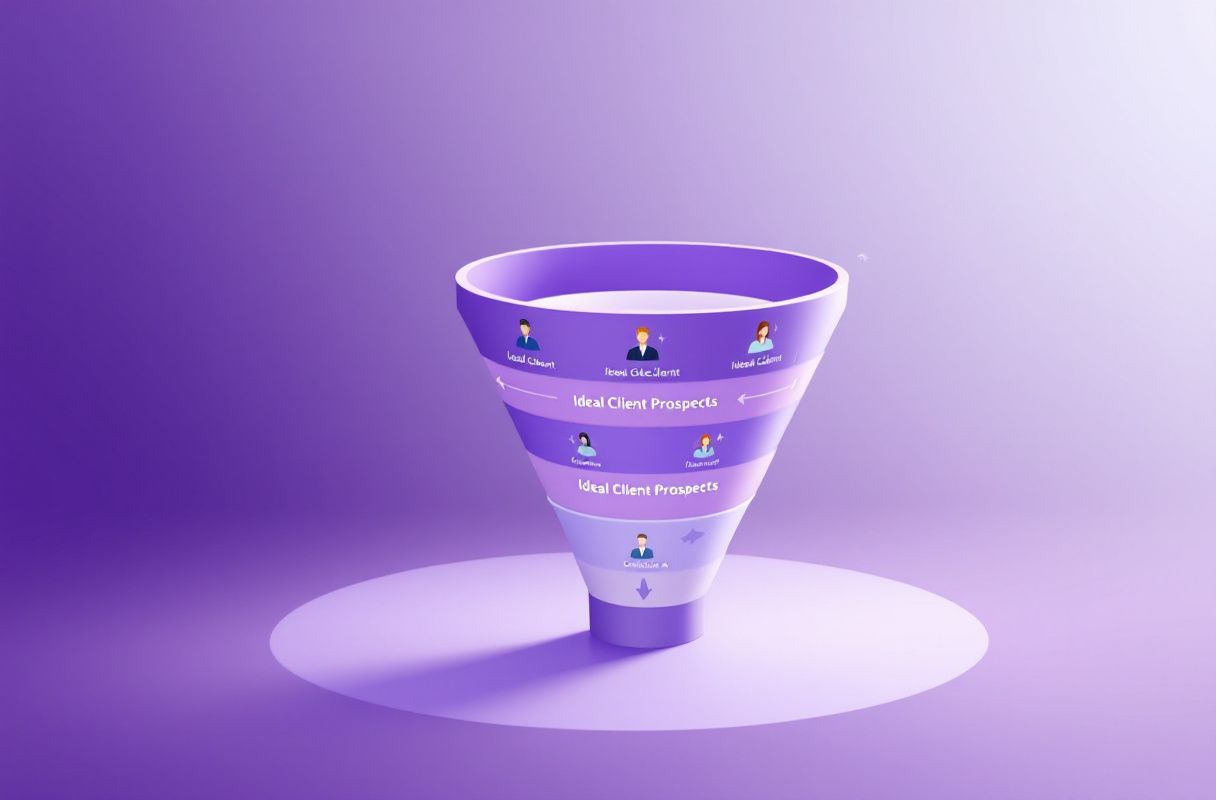
This is the quiet trap of enablement spend. It's easy to justify — reps are visibly happier, content is visibly cleaner, marketing gets attribution on assets. Everything looks like progress. But none of it addresses the top of the funnel. Highspot equips the rep for the meeting. It does not book the meeting.
That's not a criticism of Highspot. It's a category boundary. Sales enablement is defined as making reps more effective in deals — it lives downstream of demand. The question you have to answer is whether your constraint is conversion (Highspot's domain) or origination (an entirely different lane). Most teams that feel stuck are origination-constrained and buying conversion tools. For the origination side, our B2B social selling guide walks through how engagement turns into revenue.
Where Highspot Is Genuinely Better
We won't pretend LinkedIn inbound replaces Highspot. It doesn't, and honesty matters more than a clean pitch.
Large sales organizations with sprawling content chaos genuinely benefit from Highspot. When you have hundreds of reps, dozens of product lines, regulated industries, and a content library that has grown feral, governance at scale is a real problem that a spreadsheet cannot fix. Highspot is built for exactly that.
Long, structured onboarding is another Highspot strength. If you hire in cohorts and need certification, ramp curricula, and in-context coaching, Highspot's training layer is purpose-built.
Deal-stage guided selling across a big team standardizes execution in a way that individual coaching can't.
ConnectSafely is not a content-governance system for reps. We don't version-control your decks or run certification programs. If those are your acute pains, Highspot — or a lighter enablement tool — is the right buy, and you should make it.
The point of this guide is narrower and more important: before you spend $60,000 a year making reps better at deals, make sure deals are actually showing up.
What Most "Highspot Alternative" Guides Get Wrong
Search "Highspot alternative" and nearly every result optimizes for the same thing: cheaper enablement. Seismic vs. Highspot. Showpad vs. Highspot. Mindtickle, Allego, Guru — cheaper armories, all of them.
That framing accepts a flawed premise. It assumes your problem is that enablement costs too much. For most teams, that isn't the problem at all.
Perfectly organized content given to reps who have no inbound pipeline is polishing an empty funnel. You can cut your enablement bill in half and still not close more deals, because the constraint was never content organization. It was that not enough qualified buyers were entering conversations in the first place.
The contrarian truth: the highest-leverage "Highspot alternative" for a demand-constrained team isn't a different enablement tool. It's a demand engine — something that puts your expertise in front of buyers and pulls them toward you. Once that engine runs, your reps have deals to work, and the content you published to attract those buyers is your enablement content. You build the pipeline and the assets in the same motion.
Cheaper enablement optimizes the wrong variable. This guide optimizes the one that actually caps your revenue.
A Decision Framework by Role
Different roles have different real constraints. Match the tool to yours.
| Role | Primary constraint | Best fit |
|---|---|---|
| Enterprise enablement leader | 100+ reps, content chaos, compliance | Highspot — governance and training at scale justify the spend |
| Mid-market sales team | Thin pipeline, reps have time but no deals | LinkedIn inbound (ConnectSafely) — originate demand first |
| Agency / consultancy | Need authority and inbound leads for clients | LinkedIn inbound — publishing expertise attracts buyers |
| Solo founder / small team | No budget for $60k enablement, needs deals now | LinkedIn inbound from $10/mo — pipeline before polish |
If you're at the top row, buy Highspot with confidence. If you're anywhere in the bottom three, spending enterprise enablement money before you've solved origination is premature. Fix the funnel's top before you optimize its middle. Our 5 pillars of LinkedIn lead generation lays out the origination playbook.
Real Results: What the Inbound Motion Looks Like
We won't invent precise numbers — the CLAUDE-honest version matters more than a shiny fake stat.
Consider the pattern we see illustratively across B2B operators who shift budget from pure enablement toward inbound authority. A mid-market team stops treating LinkedIn as a broadcast channel and starts publishing genuine point-of-view content: teardown posts, contrarian takes on their category, and specific how-to material drawn from real deals.
Within a few months, the shape of their pipeline typically changes. Instead of reps chasing cold lists, buyers arrive pre-warmed — they've read the content, they trust the perspective, and they reach out already leaning toward "yes." Those conversations convert dramatically better because the relationship started before the first call.
And here's the compounding part: every post published to attract a buyer becomes a reusable asset a rep can send in a live deal. The demand engine and the enablement library grow together, from the same effort. That's the structural advantage enablement-only spend can never match, because enablement starts after the buyer already exists.
Treat this as an illustrative pattern, not a guaranteed outcome — results depend on your niche, consistency, and offer. For the mechanics, see how to use LinkedIn for sales.
Why LinkedIn Inbound Outperforms
The numbers behind inbound aren't subtle. According to HubSpot's inbound marketing research, inbound-sourced conversations convert at roughly 14.6%, versus about 1.7% for outbound-style list approaches. That's not a rounding difference — it's an order of magnitude.

Here's why ConnectSafely's LinkedIn inbound approach fits demand-constrained teams:
- From $10/month. Compare that to Highspot's reported ~$59,640 median annual contract plus implementation. You can run an inbound demand engine for a year for less than a single Highspot onboarding fee.
- Zero ban risk. ConnectSafely is built for safe, sustainable LinkedIn presence — no aggressive automation that jeopardizes your account.
- Publishing your expertise IS enablement content. The posts, frameworks, and teardowns you publish to attract buyers are exactly the assets reps reach for in deals. One motion, two outputs.
- It solves origination, not just conversion. This is the lane Highspot structurally cannot occupy. Enablement begins after the buyer exists; inbound authority creates the buyer.
The buyer who found you through a sharp LinkedIn post arrives already warm. Your rep doesn't need a guided-selling nudge to overcome cold-open friction — the friction was removed before the conversation began. That's why authority-led content attracts leads more efficiently than any enablement layer bolted onto a cold pipeline.
Highspot makes a good rep better in a deal. LinkedIn inbound makes sure the deal exists.
Frequently Asked Questions
How much does Highspot cost in 2026?
Highspot is quote-only, but reported figures from 167 verified transactions put the median annual contract around $59,640, with a range of roughly $21,131 to $174,131. Add implementation and onboarding fees of about $10,000–$50,000+ and optional training services of $5,000–$25,000. Per-user pricing runs around $50+/user/month. These are reported figures — confirm current pricing on highspot.com, especially given the pending Seismic merger.
Is Highspot worth it for a small team?
For most small teams, no. Highspot is built for large sales organizations with sprawling content and structured onboarding. The reported ~15-month ROI timeline and ~$60k median contract make it hard to justify when your real constraint is pipeline, not content governance. A small team is almost always better served by first building inbound demand — from as little as $10/month — before investing in enterprise enablement.
What is a cheaper alternative to Highspot?
If you need enablement specifically, lighter tools like Guru or Showpad cost less. But if your actual problem is thin pipeline rather than messy content, the more useful "alternative" is a demand engine like ConnectSafely's LinkedIn inbound, from $10/month with zero ban risk. It originates the deals that enablement tools can only help you advance — and the content you publish doubles as enablement material.
Does sales enablement generate leads?
No. Sales enablement — Highspot included — makes reps more effective in deals that already exist. It governs content, guides selling, and trains reps, all downstream of demand. It does not generate leads. Lead generation is a separate function: inbound content, outbound outreach, paid, or referral. Confusing the two is why teams buy enablement and still wonder why pipeline stays flat.
What happens to Highspot after the Seismic merger?
On February 12, 2026, Highspot and Seismic announced their intent to merge. As of this writing, no pricing continuity or product-roadmap commitments have been published. That introduces genuine uncertainty for anyone signing a multi-year contract. If you're evaluating Highspot now, ask directly about post-merger pricing, product direction, and support commitments before you commit.
The Bottom Line
Highspot is a strong armory. It equips your reps with governed content, guided selling, and training for the deals they're already fighting to win. If you run a large sales org drowning in content chaos, it's worth the enterprise spend.
But an armory doesn't recruit buyers to the battlefield. If your pipeline is thin, the smarter first move isn't a better enablement tool — it's a demand engine that summons buyers and produces your enablement content in the same motion.
LinkedIn inbound converts at ~14.6% vs ~1.7%, starts from $10/month, and carries zero ban risk. Originate the deal first. Then, if you still need to, arm the rep.
See ConnectSafely pricing or explore the full best LinkedIn automation tools guide to build a demand engine before you spend on polish.
See How It Works
Watch how people get more LinkedIn leads with ConnectSafely




Related Articles