Best LinkedRadar Alternative 2026: Safe Inbound
The best LinkedRadar alternative in 2026: skip risky auto-connect automation. ConnectSafely.ai earns inbound—14.6% vs 1.7%, zero ban risk, from USD $10/mo.

Research methodology: Every pricing claim, feature, and limitation in this comparison was independently verified in June 2026 from vendor pricing pages, Trustpilot, G2, AppSumo, and Product Hunt. Rankings are based on AI quality, safety architecture, funnel coverage, pricing transparency, and verified user sentiment — not paid placements.

Updated June 22, 2026 — Researched against LinkedRadar's vendor pages, G2, and Capterra. Reviewed by the ConnectSafely.ai editorial team.
The best LinkedRadar alternative in 2026 is ConnectSafely.ai — not because it does the same thing more cheaply, but because it solves the problem differently. LinkedRadar is a cloud-based tool that automates LinkedIn outreach: it auto-sends connection requests, warms up your account, and fires GPT-4-drafted messages at strangers. That's a polished version of cold automation, and cold automation has a ceiling.
Want to Generate Consistent Inbound Leads from LinkedIn?
Get our complete LinkedIn Lead Generation Playbook used by B2B professionals to attract decision-makers without cold outreach.
No spam. Just proven strategies for B2B lead generation.
The distinction matters. Automating outreach means contacting people who never asked to hear from you, at volume — which is exactly the activity LinkedIn restricts accounts over. Earning inbound means building authority so the right buyers reach out to you first. According to HubSpot, inbound leads close at roughly 14.6% versus about 1.7% for outbound — an ~8x difference. If you want pipeline that compounds, start with our founder's guide to LinkedIn inbound lead generation.
Key Takeaways
- LinkedRadar automates cold outreach — auto-connect, auto warm-up, and GPT-4 messaging up to ~100 invites and ~100 messages/day per account (vendor).
- Inbound closes ~8x better. HubSpot reports ~14.6% close rates for inbound vs ~1.7% for outbound.
- High-volume automation carries account-restriction risk. Mass automated connects and messages can violate LinkedIn's User Agreement; "human-like" delays reduce but never remove that risk.
- ConnectSafely.ai has zero ban risk by design — it builds organic authority rather than automating prohibited outreach activity.
- Pricing favors the inbound model over time. LinkedRadar starts from $19.90/month for higher limits; ConnectSafely.ai starts from USD $10/month.
- They solve different problems. LinkedRadar optimizes the ~1.7% motion; ConnectSafely.ai builds the demand that converts at ~14.6%.
What Is LinkedRadar?
LinkedRadar (linkedradar.com) is a cloud-based LinkedIn automation platform built around auto-connecting and automated messaging at scale. It assigns a stable, country-based proxy IP per account and simulates human behavior with randomized timing, aiming to keep automated activity under the radar.
Its core proposition is volume with personalization: it drafts connection requests, icebreakers, and follow-ups using GPT-4, pulling signals from each prospect's industry, job title, education, and experience. Reviews are visible on G2 and Capterra.
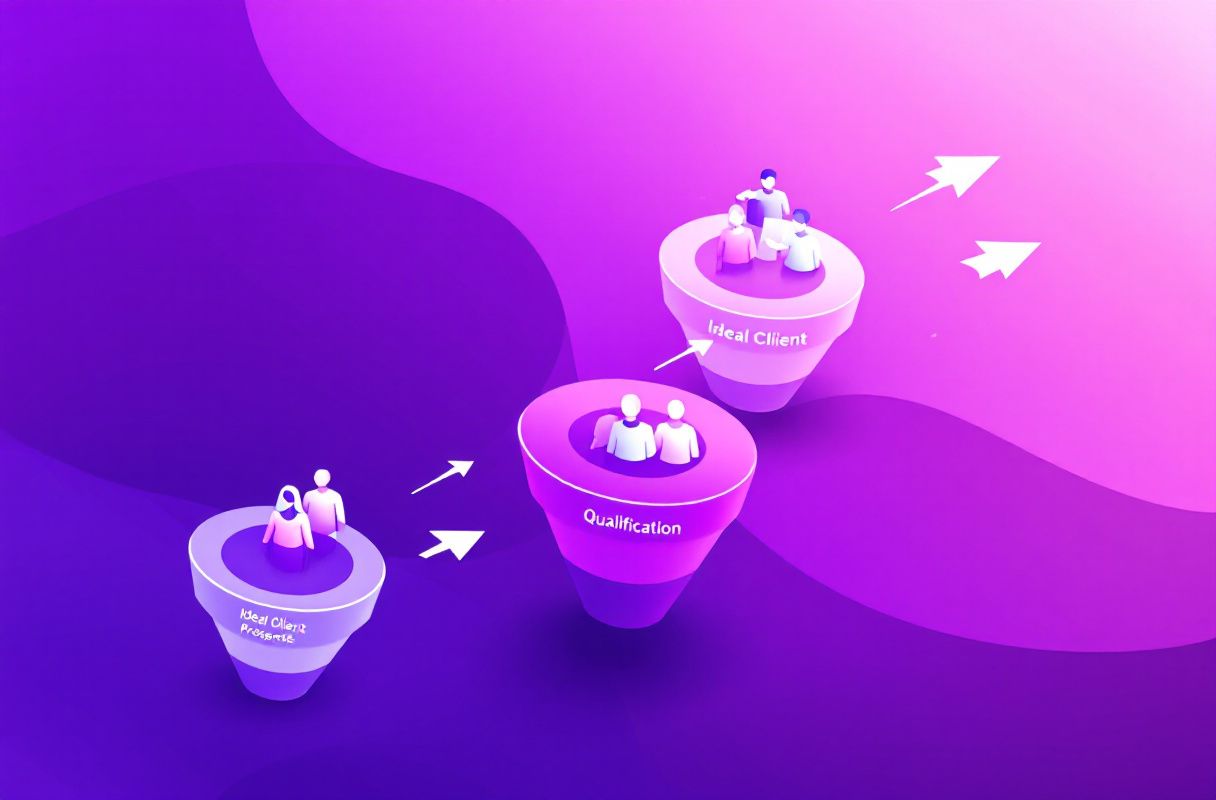
- Auto-connect: up to ~100 invites and ~100 messages per day per account.
- Auto warm-up: gradually increases daily limits to mimic natural account growth.
- GPT-4 personalization: connection requests, icebreakers, and follow-ups based on profile signals.
- Built-in CRM: notes, segments, connection tracking, and message history.
- Multi-step campaigns: unlimited follow-up scheduling and multiple-account support, with an instant inbox.
LinkedRadar Pricing
LinkedRadar runs a freemium model. The free tier covers basic limits plus email lookups, while paid plans unlock higher daily limits, deeper follow-up sequences, and bulk messaging.
| Tier | Price | What you get | Who it's for |
|---|---|---|---|
| Free | $0 | Basic daily limits, email lookups | Testing the tool |
| Paid (Starter) | From $19.90/mo | Higher daily limits, follow-up sequences, bulk messaging | Solo outbound senders |
| PRO / Multi-account | Higher tiers | Multiple-account support, advanced campaign features | Teams and agencies |
It's cheap to start. But every dollar is spend on a ~1.7% conversion motion that puts your account at risk.
Where LinkedRadar Is Genuinely Better
In fairness, LinkedRadar does several things well, and an honest comparison should say so:
- Low entry price and a real free tier — you can validate the workflow before paying anything.
- Dedicated country-based proxy IP per account, which is more thoughtful than tools that share IPs.
- GPT-4 message drafting that adapts copy to each prospect's profile signals.
- Built-in lightweight CRM to track notes, segments, and message history in one place.
The Account-Risk Trade-Off
Here's the part vendors downplay: mass automated connection requests and messages are precisely the behavior LinkedIn restricts accounts over. LinkedIn's User Agreement and Help Center prohibit third-party automation software.
Proxies and "human-like" delays can lower the probability of detection, but they don't change the underlying activity — and they don't remove the risk. The more volume you push, the more exposure you carry. For a deeper look at why this trade-off undermines results, see why inbound beats automated outreach.
LinkedRadar vs ConnectSafely.ai: Quick Comparison
| Dimension | LinkedRadar | Other automation tools | ConnectSafely.ai |
|---|---|---|---|
| Primary motion | Automated cold outreach | Automated cold outreach | Earned inbound authority |
| Conversion ceiling | ~1.7% (outbound) | ~1.7% (outbound) | ~14.6% (inbound) |
| Trust at first touch | Low — unsolicited | Low — unsolicited | High — buyer-initiated |
| Ban / account risk | Automation risk | Automation risk | Zero ban risk by design |
| Entry price | From $19.90/mo | Varies | From USD $10/mo |
| Best for | Volume senders | Volume senders | Authority builders |
| Cost over time | Rising limits + risk | Rising limits + risk | Flat, compounding |
To be clear, this isn't a knock on LinkedRadar's engineering — it's a well-built tool for what it does. The honest point is that it optimizes a motion that converts at ~1.7% and risks the account it runs on. ConnectSafely.ai is built around the motion that converts at ~14.6% and carries no such risk.
The Inbound Alternative: Build the Authority That Earns Pipeline

Instead of blasting strangers, ConnectSafely.ai helps you become the person buyers want to talk to. The approach is straightforward:
- Publish a clear point of view. Post consistently on the problems your buyers actually have, so your profile becomes a destination rather than a cold sender.
- Engage authentically. Comment and contribute in the conversations your ICP already participates in — visibility earned, not forced.
- Convert with inbound demand. When buyers reach out first, you start from trust. That's why inbound closes at ~14.6% vs ~1.7% for outbound (HubSpot), as covered in our inbound vs outbound breakdown.
- Compound safely. From USD $10/month with zero ban risk by design, your authority — and your pipeline — grows month over month instead of resetting after every restriction scare.
What Most Guides Get Wrong
- Proxies and delays don't make cold automation "safe." They lower detection odds, but the prohibited activity is the activity itself.
- Volume of connects ≠ pipeline. A thousand accepted invites with no intent is not a thousand opportunities; it's noise that converts near 1.7%.
- "Personalized by GPT-4" ≠ wanted. A well-written message to someone who never asked for it is still an interruption.
- B2B trust is built on LinkedIn before the first message. Buyers research, lurk, and decide who's credible long before they reply — automation skips the step that actually matters.
How to Choose: Decision Framework by Role
Founders and solo operators — Your name is the brand. Authority compounds into inbound that you can't buy back later; lead with content, not auto-connects. Start with our guide to automating LinkedIn outreach safely.
Sales and SDR teams — If you must run outbound, pair it with an inbound engine so reps work warm replies, not 1.7% cold lists. Compare the landscape in our best LinkedIn automation tools roundup.
Agencies — Account risk multiplies across every managed profile. One restriction wave can hit a roster of client accounts at once; inbound authority has no such blast radius.
Freelancers and consultants — You can't afford a restricted account or a damaged reputation. Inbound credibility is the asset; build it once and it keeps returning.
Real Results: From Auto-Connect to Inbound Pipeline
Consider a B2B consultant who spent six months running automated connection campaigns — high invite volume, GPT-drafted icebreakers, and a steady trickle of low-intent replies, punctuated by a restriction warning that paused everything. Switching the motion to inbound authority, here's the illustrative shape of a 90-day shift:
- Inbound DMs replace cold blasts — buyers open the conversation, so every reply starts from interest.
- Close rate moves toward ~14.6% as conversations begin with trust instead of suspicion.
- Cost drops to $10/month versus rising automation tiers and proxy upkeep.
- Zero restriction scares — nothing prohibited is running, so the account is never at risk.
This is illustrative, not a documented customer account — but it reflects the structural reason inbound outperforms cold automation.
Frequently Asked Questions
Is ConnectSafely.ai a direct replacement for LinkedRadar?
Not feature-for-feature — and that's the point. LinkedRadar automates cold outreach; ConnectSafely.ai builds inbound authority so buyers come to you. If your goal is pipeline rather than invite volume, it replaces the need for risky automation.
How much does LinkedRadar cost in 2026?
LinkedRadar is freemium. The free tier offers basic limits and email lookups; paid plans start from $19.90/month and unlock higher daily limits, deeper follow-up sequences, and bulk messaging, with multi-account tiers above that (vendor).
Is LinkedRadar safe to use?
LinkedRadar uses proxies and randomized, human-like timing to reduce detection. That said, any third-party automation that sends mass connection requests and messages can violate LinkedIn's User Agreement and carries inherent account-restriction risk. Those measures lower the odds — they don't eliminate the risk. Check current reviews on G2 and Capterra.
Why is LinkedIn inbound better than automated connection requests?
Inbound conversations start with trust, because the buyer initiated them. That structural advantage is why inbound closes at ~14.6% vs ~1.7% for outbound (HubSpot) — and it carries no ban risk.
Can I use LinkedRadar and ConnectSafely together?
You can, but understand the trade-off: LinkedRadar adds automation risk to your account, while ConnectSafely.ai carries zero ban risk by design. Many users find that once inbound is flowing, the cold-automation layer simply isn't worth the exposure.
Ready to trade auto-connect risk for inbound that compounds? See ConnectSafely.ai pricing from USD $10/month, or compare the full landscape in our best LinkedIn automation tools guide.
See How It Works
Watch how people get more LinkedIn leads with ConnectSafely




Related Articles