Best Lix Alternative 2026: LinkedIn Inbound Authority
Lix exports LinkedIn contacts and emails in bulk, but a scraped list is cold, not a relationship. Inbound closes 14.6% vs 1.7%, from $10/mo, zero ban risk.

Research methodology: Every pricing claim, feature, and limitation in this comparison was independently verified in September 2026 from vendor pricing pages, Trustpilot, G2, AppSumo, and Product Hunt. Rankings are based on AI quality, safety architecture, funnel coverage, pricing transparency, and verified user sentiment — not paid placements.

Updated September 2026 — Researched against Lix's (lix-it.com) vendor pricing and product pages, third-party reviews on G2, and HubSpot's marketing statistics. Reviewed by the ConnectSafely.ai editorial team.
You bought Lix for one reason: volume. Run a search on LinkedIn or Sales Navigator, click a button, and export a few thousand rows of names, titles, companies, and verified emails straight into a spreadsheet. No copy-paste, no manual profile-by-profile grind — a targeted search becomes a clean CSV in minutes. For a prospector who needs a big contact list fast, that speed is genuinely useful.
Want to Generate Consistent Inbound Leads from LinkedIn?
Get our complete LinkedIn Lead Generation Playbook used by B2B professionals to attract decision-makers without cold outreach.
No spam. Just proven strategies for B2B lead generation.
But look at what a scraper actually produces. Lix is a data export pipe — it turns LinkedIn into rows in a spreadsheet. What it hands you is a list of strangers' contact details, not a single relationship. A verified email address is a way to interrupt someone who has never heard of you; it is not permission, interest, or trust. The export is where the hard part starts, not where it ends.
That's the ceiling teams hit a few campaigns in. The CSV is 3,000 rows deep, the emails validate at high accuracy, and the reply rate is still a rounding error — because a scraped list is a cold list, and cold lists have to be cold-emailed to mean anything. You didn't buy demand; you bought contact information for demand you still have to manufacture, one interruption at a time.
Here's the number that reframes the whole problem. Inbound leads — people who raise their hand first — close at 14.6%, while outbound and cold methods convert at roughly 1.7%, according to HubSpot's inbound marketing research. That's an 8-to-9x difference in close rate, driven entirely by who starts the conversation — and a scraped contact never does.
So if your real bottleneck is "these exported people don't know or trust me," the tool you're comparing Lix against shouldn't be another scraper. It should be a system that makes those same people come to you — like ConnectSafely.
Why people search for a Lix alternative
- A scraped list is cold, not warm. Lix extracts contact data at scale, but every row is a stranger. Exported emails add zero trust — they still have to be cold-emailed before they mean anything, at the 1.7% end of the funnel.
- Ban risk sits with your account. Lix's extension works while you're logged into LinkedIn, and LinkedIn's User Agreement explicitly prohibits scraping "through any means (including crawlers, browser plugins and add-ons)." The account exposure is yours, not the vendor's.
- Credits run out on real campaigns. Reviewers note that credit-based pricing drains quickly on large scraping runs, and some report activation and license-code friction — you're metered on extraction, not on outcomes.
- Wrong layer for a demand problem. A prospector with a full inbox of ignored cold emails doesn't need more addresses to email. They need people who arrive already interested — a different job entirely.
Key Takeaways
- Lix is a capable extraction tool — one-click export from LinkedIn and Sales Navigator to Excel, CSV, or a CRM-ready list, verified emails, and a Realtime API for programmatic access. For building a raw contact list fast, it does that job well.
- A scraper extracts data; it doesn't build relationships. Lix hands you strangers' contact details; the trust, interest, and permission still have to be created from scratch.
- Inbound closes at 14.6% vs 1.7% for cold (HubSpot) — the biggest revenue lever is who starts the conversation, not how many emails you scraped.
- ConnectSafely starts from $10/month and builds LinkedIn inbound authority so qualified prospects come to you already warm.
- Zero ban risk — ConnectSafely is engineered to keep your LinkedIn account safe, rather than relying on a scraper that runs against LinkedIn's own User Agreement.
What Is Lix?
Lix (lix-it.com) is a LinkedIn and Sales Navigator data-extraction tool built for B2B prospectors who need enriched contact lists at scale. Its core is a browser extension: you run a search or open a Sales Navigator list, click a button, and Lix exports the results — names, titles, companies, and contact details — directly to Excel, CSV, or a native "Lix List" that syncs with a CRM. On top of the extension, Lix sells "Valid Email Credits" to find and validate email addresses (the vendor advertises 98% validation accuracy) and a Realtime API for programmatic access to profile data.
The core idea is throughput: turn a targeted LinkedIn search into a clean, enriched spreadsheet without copy-pasting profiles by hand. The vendor advertises exports of up to 10,000 leads per day and support across Chrome, Firefox, Edge, Opera, Safari, and Brave. For a solo prospector or a small team that lives in cold outreach, that's a real time-saver on the data-gathering step.
On G2, Lix holds roughly 4.4 out of 5 across about 12 reviews, and about 4.6 out of 5 on Capterra across roughly 27 reviews. Users praise the speed, the simple interface, and data that's often "spot on," including some locked profiles. The recurring critiques are activation and license-code friction and credits that run down fast on big campaigns. It's a well-liked tool — it's just built for a job that comes before the hard one: it assumes you already have a way to turn a stranger's email into a customer.
Lix Features
- One-click export from LinkedIn and Sales Navigator searches
- Export to Excel, CSV, or a CRM-ready "Lix List"
- "Valid Email Credits" for email finding, with advertised 98% validation accuracy
- Realtime API for programmatic access to LinkedIn profile data
- Enrichment of names, titles, companies, and contact details
- Advertised exports of up to 10,000 leads per day
- Browser support across Chrome, Firefox, Edge, Opera, Safari, and Brave
- Credits that roll over month-to-month and expire one year from deposit
- Multiple seats included on paid plans for small teams
Lix Pricing
Lix prices around credits and search-data volume, and figures are quoted in GBP on the vendor site, so the numbers below are reported estimates. Always confirm on the Lix pricing page.
| Plan | Reported Price | Notes |
|---|---|---|
| Starter | Free | ~50 email credits, ~1,000 rows of search data, ~10 API credits — reported, confirm on the vendor page |
| Leads | ~£39 / mo | ~300–1,000 email credits, ~3,000 rows of search data — reported, confirm on the vendor page |
| Data Plus | ~£109 / mo | ~500–10,000 email credits, unlimited search data — reported, confirm on the vendor page |
Credits reportedly roll over month-to-month and expire one year from the date they're deposited, and paid plans include multiple seats as standard. Some third-party sources quote entry pricing in USD (around $39/month), so exact figures depend on region and current promotion. Lix sits at the affordable end of the extraction market, which is part of its appeal for solo prospectors. That value is real if you already have a way to convert cold contacts; it's spend on raw addresses if you don't. Treat every figure above as reported, confirm on the vendor page.
Where Lix Is Genuinely Better
Let's be fair, because this matters. If your problem is specifically "I need a large, structured contact list out of LinkedIn, fast," Lix is a genuinely strong tool.
The one-click export is the real differentiator — it removes the tedious copy-paste of building a prospect list by hand, and the enrichment fills in emails and firmographics you'd otherwise chase manually. The Realtime API gives developers programmatic access for building their own workflows, credits roll over so you don't lose what you paid for, and the roughly 4.4/5 on G2 and 4.6/5 on Capterra reflect genuine satisfaction with speed and data quality. For a team whose downstream process is already dialed in, that's a legitimate job — and a different one from creating demand.
ConnectSafely doesn't scrape profiles, export CSVs, or hand you a bulk email list, and doesn't pretend to. These tools sit at different layers — Lix extracts contact data, ConnectSafely builds the relationship that makes contact welcome. One produces rows; the other produces inbound conversations.
What Most Guides Get Wrong
Most "Lix alternative" articles line up five more scrapers — Evaboot, Wiza, Apollo, PhantomBuster, Cleanlist — and compare credit prices, export limits, and email hit rates. That's the wrong axis entirely.
Swapping one scraper for another doesn't touch your actual constraint if the constraint is cold. You'll just export the same strangers from a differently-branded extension, land in the same inbox nobody asked you to be in, and convert at the same ~1.7%. A scraper is a multiplier on list size, not a source of interest, and a longer list of people who don't know you is a longer to-do list, not more pipeline. The honest question isn't "which scraper is best?" — it's "why am I still starting every conversation cold?"
If your downstream conversion is already strong and you genuinely just need cleaner data faster, stay in the category; Lix is a capable, affordable pick. But every scraped export also carries account risk: LinkedIn's User Agreement bars extraction via "browser plugins and add-ons," and the exposure lands on your logged-in account, not the vendor's. The alternative to a scraper, for a cold problem, is a warmth engine — see the full landscape in our LinkedIn automation tools guide.
Lix vs ConnectSafely
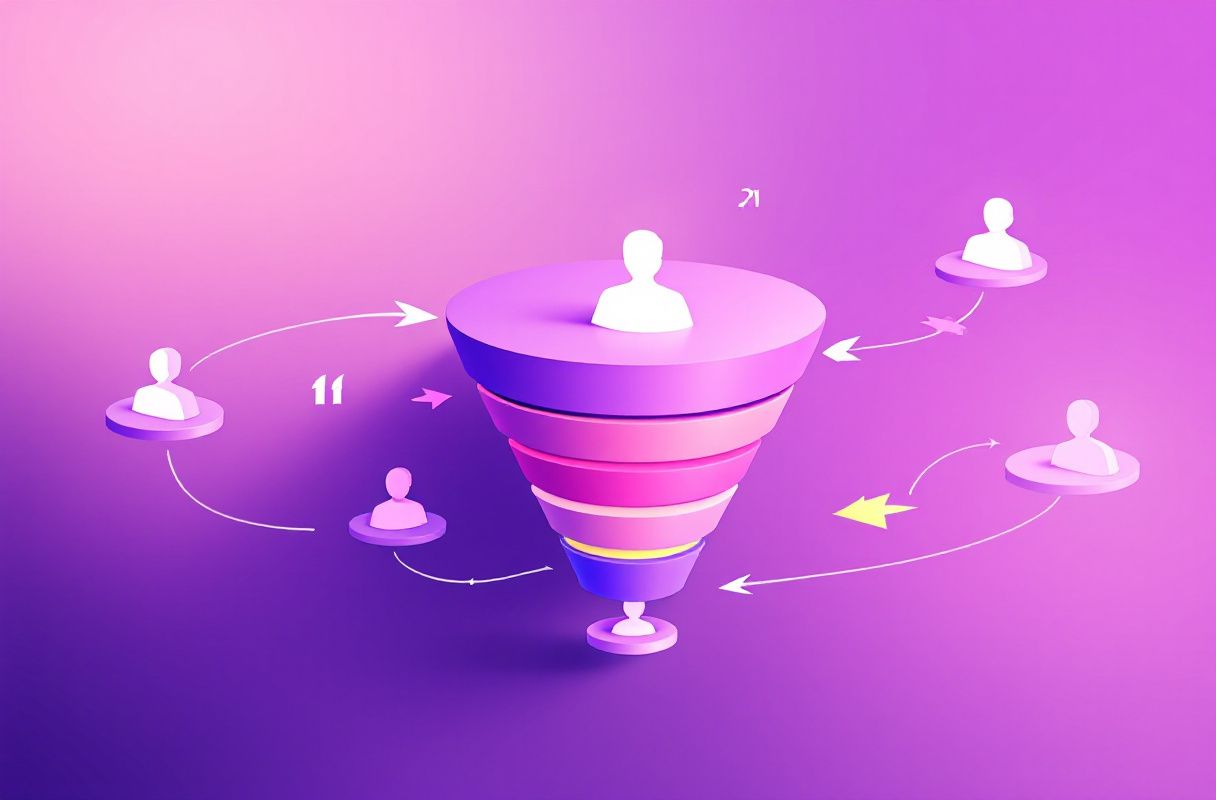
These aren't head-to-head competitors — they attack opposite ends of the same funnel. The table shows where each one wins.
| Dimension | Lix | ConnectSafely | Winner |
|---|---|---|---|
| Core job | Extracts contact data in bulk | Generates inbound conversations | Depends on your bottleneck |
| Creates warmth/trust | No — hands you cold strangers | Yes — LinkedIn inbound authority | ConnectSafely |
| Builds a raw contact list | Yes — one-click CSV export | No | Lix |
| Entry price | ~£39/mo (reported) | From $10/month | ConnectSafely |
| Account safety | Runs against LinkedIn's scraping rules | Engineered for zero ban risk | ConnectSafely |
| Best fit | Teams with a strong cold-email engine | Teams needing warmer conversations | Depends |
The distinction is simple. Lix gives you who to email. ConnectSafely makes those people email you first — already warm, already interested, at the 14.6% end of the funnel.
ConnectSafely builds inbound authority on LinkedIn — surfacing high-intent engagement signals, warming the right people, and turning them into conversations that come to you. Those inbound conversations convert at 14.6% instead of 1.7%. A Lix export can still complement it — some teams enrich the warm inbound contacts they've already earned — but the extraction is the easy part; the relationship is the moat.
Real Results
Consider an illustrative case (framed as an example, not a specific customer claim). A three-person B2B team bought Lix to fix what they called a "lead problem." Extraction went smoothly — within an afternoon they had a 4,000-row spreadsheet of validated emails for their exact ICP. They loaded it into a cold-email tool and fired off the first sequence. The open rates looked fine; the reply rate was a fraction of a percent, and a couple of prospects flagged the mail as spam.
The problem wasn't the data — the emails were accurate and the targeting was right. The problem was that 4,000 strangers had no reason to care. So they kept the export but changed how they reached those same people. They built a LinkedIn inbound motion — authority-building content, systematic engagement with their ICP's posts, and warm outreach triggered by real intent signals — so interested people started arriving in the DMs on their own.
The point of the illustration isn't a magic number. It's the sequence: the scraper was never the constraint. Warmth was. A verified email is a door; whether it opens depends entirely on whether the person on the other side already knows you. Extraction gives you the address. Inbound gives you the welcome. A perfect CSV of people who've never heard of you is still a CSV of strangers.

Which Should You Choose? A Role-Based Framework
Founder / early-stage: Your bottleneck is trust, not list size. A bigger spreadsheet of strangers won't move revenue before anyone knows your name. Put your budget into ConnectSafely from $10/month to build inbound authority and a warm audience first — then a scraper is a "nice to have," not the growth lever. See inbound vs outbound for why order matters.
Established sales team: You might use both, in sequence. ConnectSafely creates warm inbound conversations; an extraction tool can enrich contacts you've already earned. If you can only fund one this quarter, fund the layer that's actually starving — and a low reply rate on cold exports is a warmth problem, not a data problem.
Agency: You're selling outcomes, not row counts. ConnectSafely's inbound authority model scales across client accounts and produces the demand clients pay for, without putting a client's LinkedIn account on the wrong side of the scraping rules. A scraper is an internal data-ops spend, not a growth story you can sell.
Freelancer / solo consultant: You almost certainly don't need to scrape 4,000 people — you need five real conversations a week. ConnectSafely from $10/month, zero ban risk, is the far higher-leverage spend. Building authority so the right people come to you beats emailing a cold list you had to extract and hope doesn't bounce.
Frequently Asked Questions
What is the best Lix alternative in 2026? It depends on your bottleneck. If you specifically need to scrape and export LinkedIn contact data, Lix itself is capable and Evaboot, Wiza, or Apollo are the usual head-to-head picks. If your real problem is that exported strangers don't convert, the best "alternative" isn't another scraper — it's an inbound engine like ConnectSafely, from $10/month, that makes qualified prospects come to you already warm instead of handing you a cold list.
Is Lix worth it? For prospectors who need a fast, structured contact list and already have a strong downstream process, yes — its roughly 4.4/5 on G2 and 4.6/5 on Capterra reflect a quick, accurate extraction tool with one-click export and a usable API. For teams whose real gap is that cold outreach doesn't land, you're paying for addresses, not outcomes. Fix warmth first — see the 5 pillars of inbound.
How much does Lix cost? Lix prices around credits and search-data volume. Reported tiers run from a free Starter plan (~50 email credits) up through a Leads plan around £39/month and a Data Plus plan around £109/month with unlimited search data; some sources quote entry pricing near $39/month. Credits reportedly roll over and expire after a year. All figures are reported — confirm on the Lix pricing page.
Is scraping LinkedIn with Lix against the rules, and can it get my account banned? LinkedIn's User Agreement explicitly prohibits scraping profiles "through any means (including crawlers, browser plugins and add-ons)," and extension-based extraction runs on your logged-in account, so the ban risk is yours. LinkedIn can restrict an account the moment its systems detect the activity. ConnectSafely takes the opposite approach — building inbound authority engineered for zero ban risk. See our social selling guide for the safer motion.
Why does LinkedIn inbound convert better than a scraped cold list? Because the prospect self-selects. Inbound leads close at about 14.6% versus 1.7% for cold methods, per HubSpot — an 8-to-9x edge driven entirely by intent. A scraped email reaches someone who never asked to hear from you; an inbound conversation starts with someone who already does.
The Bottom Line
Lix is a capable LinkedIn extraction tool. If you need a large, structured contact list out of LinkedIn or Sales Navigator fast, and your downstream conversion process is already strong, it does that job well — one-click export, verified emails, a real API, and roughly 4.4/5 on G2 and 4.6/5 on Capterra back that up.
But a scraper is a data pipe, not a relationship. A spreadsheet of validated emails is a cold list — it has to be cold-emailed before it means anything, at the 1.7% end of the funnel, on an account that carries the scraping risk itself. Extracting the addresses was never the hard part; earning the welcome is.
That's the layer ConnectSafely owns: LinkedIn inbound authority that makes qualified prospects come to you already warm, from $10/month, with zero ban risk. It's not a faster scraper — it's the reason you won't need to interrupt strangers in the first place. Start with ConnectSafely pricing, or explore the full category in our pillar guide, Best LinkedIn Automation Tools. Build the relationship first — then a contact list is a bonus, not the whole strategy.
See How It Works
Watch how people get more LinkedIn leads with ConnectSafely




Related Articles