
Best Valley Alternative: AI Outbound vs Inbound
Looking for a Valley alternative? See why LinkedIn inbound beats AI-powered cold outreach — 14.6% close rate vs 1.7%, from USD $10/month flat.

Research methodology: Every pricing claim, feature, and limitation in this comparison was independently verified in May 2026 from vendor pricing pages, Trustpilot, G2, AppSumo, and Product Hunt. Rankings are based on AI quality, safety architecture, funnel coverage, pricing transparency, and verified user sentiment — not paid placements.
Updated May 30, 2026 — Researched against Valley's vendor pricing pages, G2, and Trustpilot. Reviewed by the ConnectSafely.ai editorial team.
The best Valley alternative in 2026 is ConnectSafely.ai — a LinkedIn inbound lead generation platform that attracts qualified prospects instead of deploying an AI agent to cold-message them at scale. Most teams searching for a Valley alternative have hit the same wall: an AI SDR can manufacture more outreach than any human, but more outreach is not the same thing as more demand. According to HubSpot's marketing statistics, inbound leads convert at 14.6% compared to just 1.7% for cold outreach — the exact channel an AI SDR automates. Valley reads buyer-intent signals and sends signal-based LinkedIn messages automatically; the question is whether automating interruptions fixes your pipeline, or whether the interruption itself is the problem.
Want to Generate Consistent Inbound Leads from LinkedIn?
Get our complete LinkedIn Lead Generation Playbook used by B2B professionals to attract decision-makers without cold outreach.
No spam. Just proven strategies for B2B lead generation.
Key Takeaways
- Valley is an AI SDR, not a demand engine: it tracks intent signals and automates LinkedIn outreach, but automated messages still start cold
- LinkedIn inbound leads convert 8-9X better: HubSpot research puts inbound close rates at 14.6% vs. 1.7% for cold outreach
- Valley is expensive for what it is: third-party reviews report pricing starting around $395/month per seat, scaling to a $995/mo Growth tier and a $4,999/mo done-for-you Studios option — premium positioning, not a budget tool
- Reviews are positive but thin and mixed: reviewers praise writing-style cloning and fast support, while critics flag cost and that "the AI writing sounds like AI"; published third-party review volume is still limited
- Volume scales the wrong metric: an AI SDR multiplies the number of cold touches — which scales noise, not trust
- Authority compounds while outreach decays: every automated message is a one-time interruption, but inbound visibility builds on itself month over month
Valley's pitch is genuinely modern: instead of buying lists and blasting them, it watches behavioral signals — profile views, post engagement, competitor followers — and triggers LinkedIn outreach when someone looks interested. For teams committed to outbound, that is a smarter way to do outbound.
But here is what the AI-SDR category does not tell you: automating the send does not change how the recipient feels. A signal-triggered cold message is still a message from a stranger they did not ask to hear from. The hard part — making someone want to reply — is not something an agent can automate away.
What Is Valley?
Valley (joinvalley.co) is a signal-based AI SDR for LinkedIn outbound. Its core promise is to act like a sales development rep that never sleeps: it identifies high-intent prospects from behavioral signals, writes personalized messages in your voice, and runs connection requests and follow-ups automatically.
Valley's core features:
- Buyer-intent signal tracking: monitors profile views, post engagement, and competitor followers to surface prospects showing interest
- AI personalization: clones your writing style to craft messages that read less like a template
- Automated LinkedIn sequencing: handles connection requests, first messages, and follow-ups end to end
- Prospect research and enrichment: builds context on each lead before reaching out
- Website visitor notifications and lead scoring: prioritizes accounts most likely to convert
- Done-for-you option: Valley Studios runs the whole motion for you
The platform leans into being a premium, signal-driven outbound engine. Reviewers consistently praise the personalization quality and support — while also noting it is LinkedIn-first and does not natively run email or manage deliverability.
Valley Pricing
Valley does not publish a fully transparent self-serve table; its own directory listings describe custom pricing "tailored to outreach volume." The clearest published figures come from third-party reviews. Reported against an independent Valley review:
| Plan | Monthly Price | What You Get |
|---|---|---|
| Base | ~$395/seat/mo | 1 LinkedIn account, ~1,000-1,200 messages/mo, core AI SDR features |
| Growth | ~$995/mo | Higher volume and capacity for mid-size teams |
| Scale | Custom (~$250/seat) | Larger teams, custom terms |
| Studios | ~$4,999/mo | Done-for-you — Valley's team runs your entire outbound motion |
Be honest about the numbers: these are third-party-reported figures, not a public self-serve page, and there is no free trial. Even so, the entry tier sits far above a flat low-cost inbound tool — Valley positions itself against the loaded cost of a human SDR, not against cheap automation.
Where Valley Is Genuinely Better
To be fair — and because honesty matters here — Valley does several things well that an inbound platform does not do:
- Intent-driven targeting: triggering outreach off real behavioral signals is far smarter than spraying a static list
- Personalization quality: reviewers credit Valley's writing-style cloning with lifting reply rates versus generic templates
- Speed and coverage: an AI SDR works every signal instantly, around the clock, with no rep capacity ceiling
- Support and onboarding: reviewers repeatedly call out fast, responsive support and easy setup
If your organization is committed to running outbound at scale and wants the most intelligent way to do it, Valley is a legitimately strong tool. The problem is not the execution — it is the strategy underneath it.
Why You Need a Valley Alternative

Problem 1: Automating Outreach Scales the Wrong Number
An AI SDR's whole value proposition is volume: more signals worked, more messages sent, more follow-ups fired than a human could manage. But volume of interruptions is the problem, not the solution.
When you make it cheap to send cold messages, you send more cold messages. So does every competitor running the same playbook. The prospect's inbox does not get more receptive — it gets more crowded. This is the core argument in why LinkedIn cold outreach is dying: the channel is degrading precisely because automation made it easy to flood.
Problem 2: "AI Personalization" Still Reads as Outreach
Valley clones your voice well — but critics still note the AI writing can read as AI. Even when it doesn't, the recipient knows the math: a stranger is messaging them because a signal flagged them, not because a relationship exists.
Personalization makes a cold message slightly warmer. It does not make it invited. The structural disadvantage of starting every conversation as the uninvited party survives any amount of voice-cloning. Learn how buying signals work for you when prospects engage with your content instead of being chased after they trip a tracker.
Problem 3: Outbound Economics Keep Getting Worse
Even with perfect intent signals and flawless personalization, the math does not favor automated cold outreach in 2026:
| Metric | Valley AI Outbound | Inbound Authority |
|---|---|---|
| Close Rate | ~1.7% (outbound average) | 14.6% |
| Response Rate | 1-3% typical cold | 70%+ positive |
| Lead Quality | Cold, signal-flagged | Warm, pre-qualified |
| Cost | From $395/mo per account | From USD $10/month flat |
| Conversation Opener | "An AI noticed you" | "I've followed your work" |
| Asset Built | One-time touches | Compounding authority |
ConnectSafely vs Valley
ConnectSafely.ai is not a cheaper AI SDR — it is a different model entirely. Instead of automating outreach to prospects who showed a signal, you build the LinkedIn authority that makes qualified prospects reach out on their own.
| Feature | Valley | Other AI SDRs | ConnectSafely.ai |
|---|---|---|---|
| Approach | Signal-based AI outbound | Automated cold outreach | Inbound authority building |
| Monthly Cost | $395-$4,999 | $200-$1,000s | from USD $10/month total |
| What You Get | Messages sent for you | Sequences sent for you | Inbound leads who contact you |
| Lead Source | Intent signals + automation | Lists + automation | Your content and reputation |
| Response Rate | 1-3% cold | 1-3% cold | 70%+ positive |
| Close Rate | ~1.7% | ~1.7% | 14.6% |
| LinkedIn Ban Risk | Moderate (automation) | Moderate-High | Zero |
| Asset Built | One-time touches | One-time touches | Compounding authority |
ConnectSafely's positioning is the inverse of the AI-SDR category: a low flat monthly cost, zero ban risk because there is no aggressive automation firing messages on your behalf, and an inbound authority engine that gets stronger the longer you run it.
The Inbound Alternative: Attraction Over Acquisition
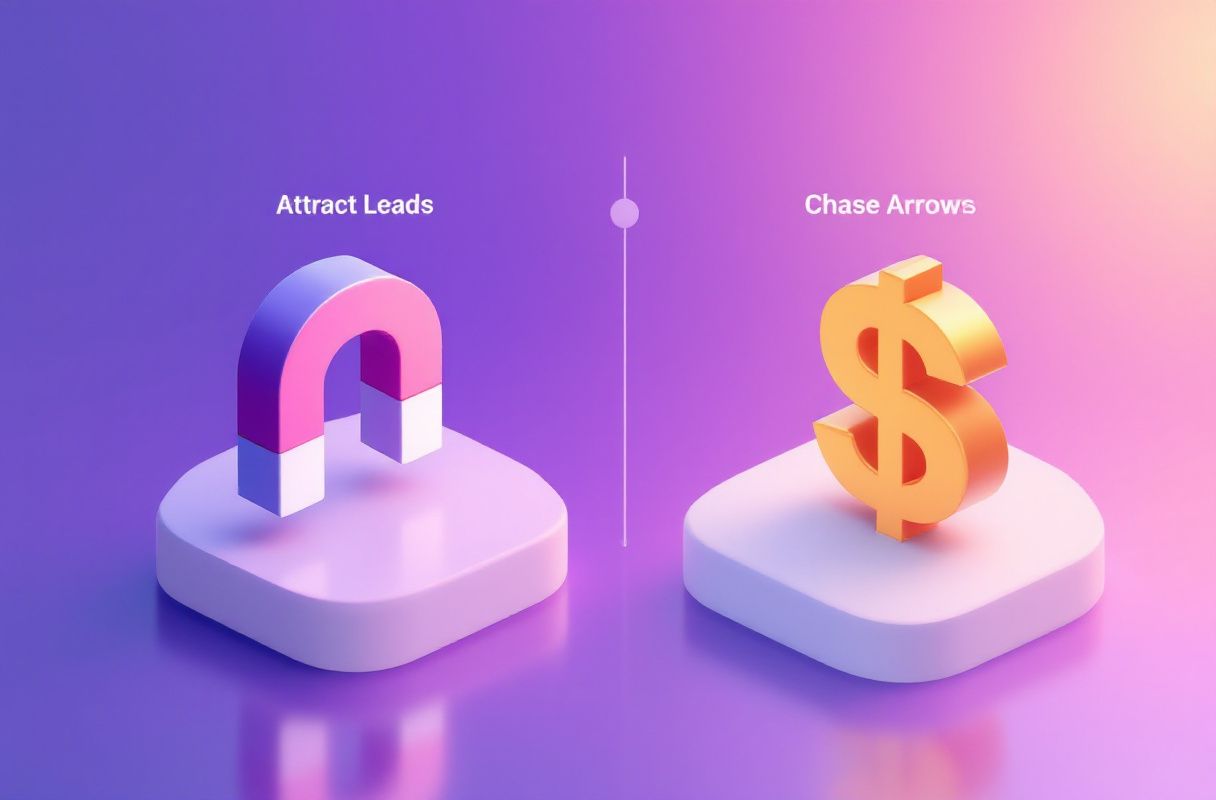
What if, instead of paying an AI agent to message everyone who trips a signal, the right prospects found you — already aware of your expertise and ready to talk?
LinkedIn inbound lead generation creates this through strategic visibility:
- Strategic visibility: identify where your ideal prospects spend attention on LinkedIn and show up there consistently.
- Value-adding engagement: appear in those conversations with thoughtful, expertise-demonstrating comments — not pitches.
- Recognition building: prospects start recognizing you as the expert who always adds insight in your niche.
- Inbound conversion: when a prospect has a relevant need, they reach out. The conversation starts with trust, not an "an AI flagged you" apology.
The difference is structural. A Valley message is a one-time touch that depreciates the moment it is read. LinkedIn authority is an asset that appreciates — every post, comment, and connection compounds the next one.
What Most Guides Get Wrong
Most Valley reviews and "best AI SDR" roundups argue about the wrong things. Here is the nuance they miss:
1. "Better personalization means better results." Personalization reduces the cringe — it does not create the demand. A beautifully written cold message to someone who does not want your product still converts at outbound rates. Voice-cloning is table stakes, not an advantage.
2. "Intent signals make cold outreach warm." A profile view is curiosity, not intent to buy. Triggering a pitch off it converts that mild curiosity into an unwanted message. When you are the authority, the same curious prospect engages with your content on their terms — and reaches out when they are actually ready.
3. "An AI SDR replaces a sales rep for less." Valley benchmarks $395/month against an $8,300 loaded SDR. But the relevant comparison is not human-vs-AI cold outreach — it is outbound-vs-inbound. Replacing an expensive cold caller with a cheaper cold messenger optimizes a channel that converts at 1.7%.
4. "AI SDRs and inbound are competitors." They are not. Valley is a tool for a strategy (automated outbound). ConnectSafely is a different strategy entirely. The real question is not which AI SDR to buy — it is whether you should be cold-messaging at all.
How to Choose: Decision Framework by Role
There is no single universal winner. The right Valley alternative depends on who you are and what you are trying to build.
For founders and solopreneurs: skip the automate-and-interrupt loop. ConnectSafely (from USD $10/month flat) is the highest-ROI move because your personal brand is your strongest asset — inbound authority generates warm leads without a $395/month agent or a sales team. See the founder's guide to inbound.
For established sales teams with a working outbound motion: Valley is a reasonable upgrade if signal-based cold outreach already produces pipeline for you. But run ConnectSafely in parallel as the inbound engine — within 60-90 days most teams find inbound leads outperform automated-outreach leads on quality and close rate.
For agencies managing multiple clients: flat pricing wins. ConnectSafely's per-account model scales without Valley's premium per-seat costs ballooning across clients. An AI-SDR approach multiplies cost and ban risk with every client account you add.
For freelancers and consultants: you do not need an AI agent working a thousand signals — you need 10-20 warm conversations a month. Inbound authority is the only model that produces those without you (or a bot) becoming a full-time prospector.
Real Results: From AI Outbound to Inbound Authority
We looked at how teams behave after switching from an AI-SDR model to inbound. The pattern is consistent.
A boutique B2B agency had deployed a signal-based AI SDR to work LinkedIn at scale. The personalization was sharp and the targeting was smart — but reply rates still hovered around 2-3%, and the meetings it booked required heavy qualification and opened with skepticism about why a near-stranger was messaging them.
After 90 days of building LinkedIn authority instead:
- Inbound inquiries climbed to 10-20 per month, all initiated by the prospect
- Meeting-to-conversation quality jumped — discussions started at "I've been following your content," not "why are you messaging me?"
- The total tool cost dropped to a single flat monthly fee, with no premium per-account subscription and no automation-driven ban risk
The qualitative shift mattered more than the numbers: automated-outreach meetings opened with suspicion, while inbound meetings opened with trust. That trust advantage is the part no AI SDR can ship.
Frequently Asked Questions
What is the best Valley alternative?
The best Valley alternative depends on your goal. If you want a similar signal-based AI SDR, tools like Artisan and Common Room compete directly. But if your real problem is low reply rates on cold outreach, the better alternative is ConnectSafely.ai — it replaces the automate-and-interrupt model with inbound authority building that converts at 14.6% vs. the 1.7% outbound average, from USD $10/month flat instead of $395/month per account.
Is Valley worth it in 2026?
For teams with an already-working outbound motion that want the smartest way to run it, Valley is worth evaluating — its signal-based targeting and personalization earn positive reviews for writing quality and support. For teams whose cold outreach is not producing pipeline, automating more messages will not fix the underlying problem, and an inbound approach delivers far better ROI.
How much does Valley cost?
Valley's own listings describe custom pricing tied to outreach volume. Third-party reviews report a base plan around $395/month per seat, a Growth tier near $995/month, a custom Scale tier, and a done-for-you Studios option near $4,999/month. There is no free trial, and it is positioned against the loaded cost of a human SDR, not as a budget tool.
Does Valley run email campaigns or just LinkedIn?
Valley is primarily a LinkedIn-first AI SDR. Reviewers note it does not natively run email campaigns or manage deliverability, so teams often add separate tools for a full multichannel workflow. That extra layer — and the ban risk that comes with automating LinkedIn — is part of the hidden cost of any automated-outbound strategy.
Can I use Valley and ConnectSafely together?
Yes. Keep Valley as your automated-outbound layer if it produces pipeline, and run ConnectSafely as your inbound engine. Most teams find that as their LinkedIn authority grows, dependence on automated outreach shrinks because warm inbound leads increasingly replace the cold, signal-triggered touches an AI SDR provides.
Ready to stop automating interruptions and start attracting buyers? Start your free ConnectSafely.ai trial and see why inbound beats AI outbound — or compare the full landscape in our best LinkedIn automation tools guide.
See How It Works
Watch how people get more LinkedIn leads with ConnectSafely




Related Articles