Best Vector Alternative 2026: LinkedIn Inbound
Vector de-anonymizes site visitors and scores intent — then you still cold-chase them. Inbound closes 14.6% vs 1.7%, from $10/mo, zero ban risk.

Research methodology: Every pricing claim, feature, and limitation in this comparison was independently verified in September 2026 from vendor pricing pages, Trustpilot, G2, AppSumo, and Product Hunt. Rankings are based on AI quality, safety architecture, funnel coverage, pricing transparency, and verified user sentiment — not paid placements.

Updated September 2026 — Researched against Vector's (vector.co) product/pricing pages, third-party reviews (ColdIQ, SyncGTM), and HubSpot statistics. Reviewed by the ConnectSafely.ai editorial team.
If you're looking for a Vector alternative, get clear on what Vector actually delivers, because it's genuinely clever. Vector is an AI signal-intelligence platform: it de-anonymizes your website visitors at the contact level (not just the company), scores intent from hiring, funding, technographic, and news signals, and builds ad audiences from the result — surfacing an estimated 15–30% of your traffic as named contacts. For a team sitting on anonymous traffic it can't act on, that's a real unlock. But notice the shape of the motion Vector enables: it tells you who was quietly researching you, so you can go reach out to them. That's warmer than a cold list — but it's still seller-initiated outreach to someone who chose not to raise their hand. Inbound leads, where the buyer does raise their hand, close at 14.6% versus 1.7% for cold (HubSpot). If you want the higher-intent motion, the tool to compare Vector against is a system like ConnectSafely that makes those buyers reach out to you directly.
Want to Generate Consistent Inbound Leads from LinkedIn?
Get our complete LinkedIn Lead Generation Playbook used by B2B professionals to attract decision-makers without cold outreach.
No spam. Just proven strategies for B2B lead generation.
Here's the distinction that matters. Vector answers who is showing latent interest that I can chase. It does not answer how do I get buyers to come to me instead of being chased. De-anonymizing a visitor and scoring their intent sharpens your targeting — it tells you which stranger to interrupt next. It doesn't remove the interruption, and it doesn't convert the anonymous visitor into someone who wanted your outreach.
That's the ceiling. Vector can hand you a contact-level list of high-intent accounts every morning. But the moment you act on it, you're back to outbound: a cold email or a LinkedIn DM to someone who visited your site and deliberately didn't fill out the form. Better targeting improves the odds at the margin; it doesn't change the fundamental motion or its intent level.
So if your real bottleneck is "not enough qualified people want to talk to us," the tool to compare Vector against isn't another de-anonymization or intent vendor. It's a system that turns that latent interest into an inbound conversation you didn't have to initiate.
Why people search for a Vector alternative
- It reveals latent demand, then you still chase it. Vector tells you who visited and scores their intent — but acting on it means cold-reaching a person who chose not to raise their hand. That's warmer outbound, not inbound.
- It only sees who already visits. De-anonymization surfaces a slice (roughly 15–30%) of existing traffic. If not enough of the right people visit your site at all, there's little to reveal.
- Pricing scales with volume and audiences. Reveal starts around $399/mo and climbs with identified visitors; the Target/ad-audience tier starts around $3,000/mo — a real commitment.
- Privacy and consent are live considerations. Contact-level de-anonymization sits in a space where regional consent rules matter, and buyers increasingly notice when a "cold" outreach clearly knows they were browsing.
Key Takeaways
- Vector is a genuinely capable signal-intelligence platform. Contact-level website de-anonymization, multi-source intent scoring, and ad-audience building are a real unlock for teams sitting on anonymous traffic (Vector).
- But it powers warmer outbound — not inbound. Vector tells you whom to chase; the prospect still didn't raise their hand, so acting on it is still seller-initiated and still converts below inbound rates.
- Inbound closes at 14.6% vs 1.7% for cold (HubSpot) — the biggest lever is whether buyers reach out to you, not how precisely you can identify the ones to interrupt.
- ConnectSafely starts from $10/month and builds LinkedIn inbound authority, so the right buyers come to you and start the conversation themselves.
- Zero ban risk — ConnectSafely builds that inbound demand while keeping your LinkedIn account safe, and without leaning on de-anonymization data.
What Is Vector?
Vector (vector.co) is an AI-powered signal-intelligence platform for go-to-market teams. Its core insight is that most of your buying signals are invisible: people research you anonymously, accounts show intent through hiring or funding or tech changes, and none of it reaches your reps in a usable form. Vector's job is to make that invisible activity visible and actionable.
The headline capability is contact-level website de-anonymization. Where many tools reveal only the company behind anonymous traffic, Vector connects first-party site activity to individual business contacts using privacy-safe data sources, surfacing an estimated 15–30% of traffic as named people (ColdIQ). Around that sits an intent engine that aggregates hiring patterns, technographic changes, funding events, and news into a single AI-scored account-prioritization list, plus the ability to build ad audiences from those signals.
What's clear is the category it plays in: signal intelligence and intent data — the front end of an outbound or ABM motion. It's a well-built engine for deciding which accounts and people to pursue and when. But everything it produces is a targeting input for a reach-out you still have to initiate. Vector makes the chase smarter; it doesn't make the buyer come to you.
Vector Features
- Contact-level website de-anonymization — identifies individual visitors, not just companies (~15–30% of traffic)
- Multi-source intent scoring — aggregates hiring, funding, technographic, and news signals
- AI account prioritization — a single scored list of which accounts to act on
- Ad audience building — turn signals into targeted advertising audiences
- CRM and GTM integrations — pushes identified contacts and scores into your stack
- Privacy-safe sourcing — limits identification to compliant business contacts and traffic
- Signal-based alerts — surfaces accounts heating up in real time
- First-party + third-party blend — combines your site data with external intent
Vector Pricing
Vector prices its de-anonymization ("Reveal") tier by identified-visitor volume, and its audience ("Target") tier separately, so costs scale with usage. Figures below come from vendor and third-party pages; treat higher-volume math as reported — confirm on the vendor page.
| Plan | Reported Price | Notes |
|---|---|---|
| Reveal (entry) | ~$399 / mo | ~2,500 identified visitors — reported, confirm on the vendor page |
| Reveal (higher volume) | up to ~$999 / mo | ~10,000 identified visitors; custom above — reported, confirm on the vendor page |
| Target (ad audiences) | from ~$3,000 / mo | ~25 audiences, annual — reported, confirm on the vendor page |
Reveal charges by identified visitors — roughly $399/month for 2,500 up to $999/month for 10,000, with custom pricing above that, while the Target audience tier starts around $3,000/month on annual terms (ColdIQ, SyncGTM). The volume-based model means cost rises with the very traffic you're trying to identify — every figure above is reported — confirm on Vector's pricing page.
Vector Pros and Cons
| Pros | Cons |
|---|---|
| Contact-level de-anonymization, not just company-level | Powers warmer outbound — still not buyer-initiated inbound |
| Multi-source intent scoring in one prioritized list | Only reveals a slice (~15–30%) of existing traffic |
| Ad-audience building from real signals | Volume-based pricing scales with the traffic you identify |
| Real unlock for teams sitting on anonymous traffic | Privacy/consent considerations for contact-level ID |
| Sharper targeting than a generic cold list | Acting on it is still an interruption of a non-raised hand |
That last row is the one that matters most. Every other con is a cost or coverage trade-off. The last row is a category limit: a signal-intelligence tool, by definition, tells you whom to reach out to — it can't turn a silent visitor into someone who asked to be contacted.
Where Vector Is Genuinely Better
Let's be fair, because this is important. If your problem is specifically "real buyers are researching us anonymously and we have no way to see or act on it," Vector does something ConnectSafely doesn't, and does it well.
For a team with meaningful website traffic and a functioning outbound or ABM motion, Vector is a legitimate edge. Knowing that a named decision-maker at a target account visited your pricing page three times this week is far better than blasting a static list — the targeting is real, the intent signals are real, and reaching out warm beats reaching out cold. If you're going to run outbound, doing it against de-anonymized, intent-scored contacts is one of the smartest ways to do it, and the ad-audience feature lets you retarget those signals efficiently.
ConnectSafely doesn't de-anonymize visitors, score third-party intent, or build ad audiences, and doesn't pretend to. These tools sit on different rungs of intent. Vector sharpens who you chase; ConnectSafely removes the need to chase by making buyers reach out. One is a smarter targeting layer for a seller-initiated motion; the other is a demand engine for a buyer-initiated one. If outbound and ABM are core to your strategy, Vector is a strong pick — the disagreement is only about whether the chase is where your budget earns the most.

What Most Guides Get Wrong
Most "Vector alternative" articles line up other de-anonymization and intent vendors — RB2B, Warmly, Koala, Clearbit/Breeze, 6sense — and compare match rates, signal sources, and price per identified visitor. That's a useful comparison if you've decided outbound against intent data is your motion. It's the wrong comparison entirely if your real gap is that not enough of the right people want to talk to you.
Swapping one intent vendor for another doesn't change the fundamental math: they all tell you whom to interrupt. A higher match rate gives you a longer list of warm strangers to chase, not a queue of people who asked for you. Better intent data improves targeting, not the intent level of the eventual conversation — because the prospect still chose not to raise their hand on your site.
That's what inbound presence changes. When you've spent months showing up in your buyers' LinkedIn feeds with a real point of view, the person who would have browsed your site anonymously instead comments, follows, and DMs you — they raise their hand on their own. You didn't have to de-anonymize them, because they introduced themselves. Vector chases latent intent; inbound authority converts it into a conversation. If you want the full landscape of tools in this space, see our LinkedIn automation tools guide.
Vector vs ConnectSafely
These aren't the same kind of tool — they sit on different rungs of buyer intent. The table shows where each one wins.
| Dimension | Vector | ConnectSafely | Winner |
|---|---|---|---|
| Motion | Warmer outbound / ABM — seller initiates | Inbound — buyer initiates | Depends on strategy |
| Creates demand | No — reveals and scores existing intent | Yes — buyers reach out to you | ConnectSafely |
| Intent level of result | Latent (chose not to raise hand) | Explicit (raised hand) | ConnectSafely |
| Conversion ceiling | Above cold, below inbound | ~14.6% (inbound) | ConnectSafely |
| Privacy/consent surface | Contact-level de-anonymization | Public engagement, no de-anonymization | ConnectSafely |
| Entry price | From ~$399/mo, volume-based | From $10/month | ConnectSafely |
| Best fit | Teams with traffic running outbound/ABM | Anyone who wants buyers to come to them | Depends on your bottleneck |
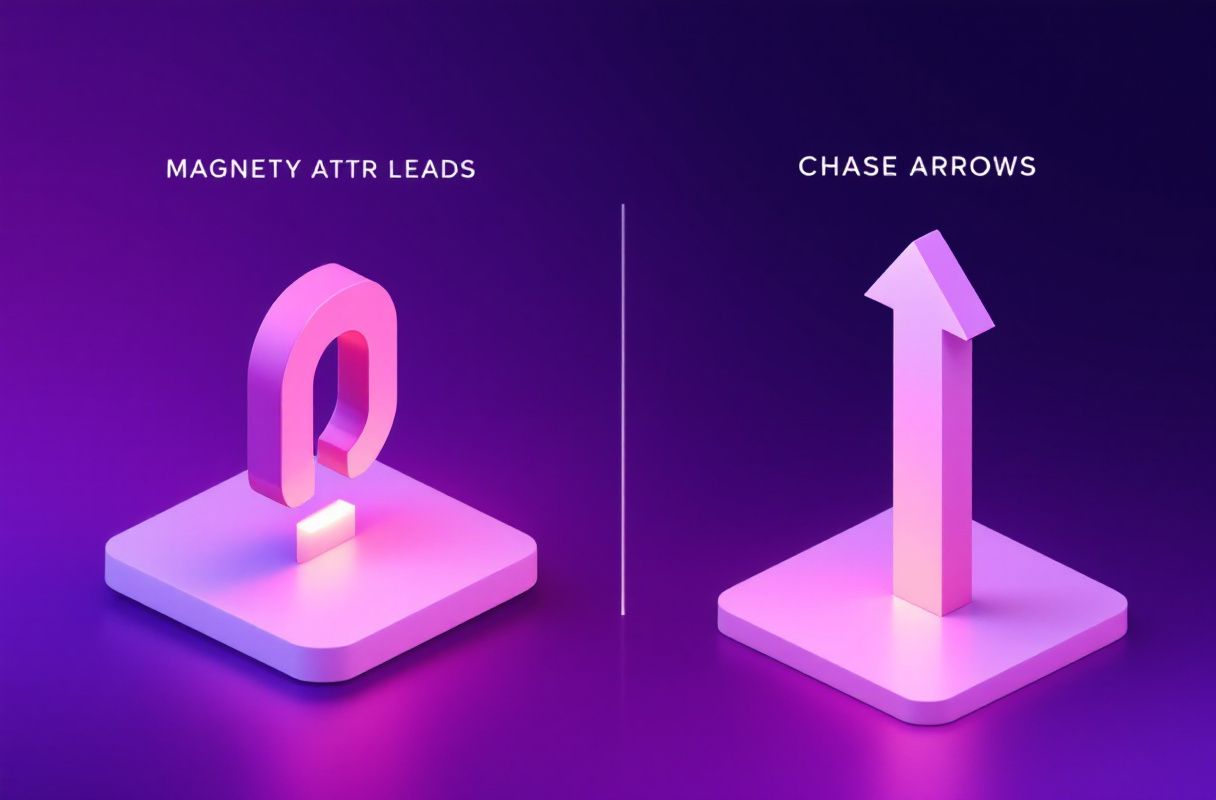
The distinction is simple. Vector makes your chase smarter — you interrupt the right accounts at the right time. ConnectSafely makes the chase unnecessary — the right people arrive already warm and start the conversation, at the 14.6% end of the funnel. If you run outbound, Vector sharpens it; if you'd rather buyers came to you, that's a different engine.
ConnectSafely builds inbound authority on LinkedIn — surfacing high-intent engagement signals, staying visible to your ICP, and turning them into conversations that come to you. Those inbound conversations convert at 14.6% instead of 1.7%. Vector is one way to chase latent intent; ConnectSafely is a way to make that intent introduce itself.
A Lesson From the Trenches
I watched a demand-gen lead buy into de-anonymization as the growth lever. The dashboard was genuinely impressive: named contacts from anonymous traffic every morning, intent scores, a prioritized account list. The reps started working it — warm-toned cold emails and LinkedIn DMs to people who'd visited the site. It was better than the old static lists. But it was still outbound, and it showed: some prospects were mildly interested, more were unsettled that an unsolicited email clearly knew they'd been browsing, and the conversion sat well below what inbound was doing on the same team.
Then he changed the emphasis. He kept Vector for the ABM motion — no reason to give up smart targeting — but he pushed the founder and the team to post consistently, engage with buyers' content, and build a visible point of view. Over the next two quarters, more of those same accounts stopped browsing anonymously and started raising their hands: comments, follows, DMs, form-fills. He didn't need to de-anonymize them anymore, because they'd introduced themselves. The intent data didn't get better; the buyers changed how they showed up. Chasing a warm stranger is better than chasing a cold one — but a buyer who reaches out first is a different game entirely.
Which Should You Choose? A Role-Based Framework
Founder / early-stage: Volume-based de-anonymization is the wrong first spend when your site barely gets traffic and almost nobody knows you. There's little to reveal, and chasing the little there is still means cold outreach. Put your budget into ConnectSafely from $10/month to build inbound demand first, so buyers reach out on their own. See inbound vs outbound for why order matters.
Established sales/ABM team: You may well use both. Vector sharpens your ABM targeting against real intent; ConnectSafely keeps the funnel full of inbound conversations that convert at 14.6%. If you run a committed ABM motion against solid traffic, Vector earns its place. If the deeper issue is that too few buyers want to talk to you, the fix is upstream — build the demand, then let Vector sharpen the accounts you pursue.
Agency: You're selling qualified pipeline and results, not intent dashboards. ConnectSafely's inbound authority model scales across client accounts and produces demand clients can see and measure — without the privacy surface of contact-level de-anonymization. An intent tool is an internal targeting layer; the inbound engine is the growth story you can sell. Pair it with our social selling guide.
Freelancer / solo consultant: Enterprise-priced signal intelligence isn't your tool — you don't have the traffic volume or the outbound team to justify it. You need the right buyers to think of you and reach out. ConnectSafely from $10/month, zero ban risk, is the far higher-leverage spend. Build presence so qualified conversations come to you — no de-anonymization required.
Frequently Asked Questions
What is the best Vector alternative in 2026? It depends on your motion. If you want website de-anonymization and intent data for outbound/ABM, the usual head-to-head picks are RB2B, Warmly, Koala, and 6sense. But if your real problem is that not enough buyers want to talk to you, the best "alternative" isn't another intent vendor — it's an inbound-demand engine like ConnectSafely, from $10/month, that makes buyers raise their hand instead of being chased.
Is Vector worth it? For a team with meaningful traffic and a running outbound or ABM motion, it can be — contact-level de-anonymization and multi-source intent scoring genuinely sharpen targeting (Vector). But it powers a seller-initiated motion against latent intent, so it's the wrong first spend if the gap is buyers wanting to talk to you. Build presence first — see the 5 pillars of inbound.
How much does Vector cost? Vector's Reveal tier is volume-based — reported around ~$399/month for 2,500 identified visitors up to ~$999/month for 10,000, with custom pricing above, while the Target ad-audience tier starts around ~$3,000/month on annual terms (ColdIQ, SyncGTM). All figures are reported — confirm on Vector's pricing page.
Is de-anonymizing website visitors the same as inbound? No — that's the key distinction. De-anonymization reveals who visited without raising their hand, so acting on it is still seller-initiated outreach (warmer than cold, but not inbound). Inbound is when the buyer initiates. Inbound converts at ~14.6% versus ~1.7% for cold precisely because the prospect chose to reach out. ConnectSafely builds the authority that produces that choice.
Why does LinkedIn inbound convert better than intent-scored outbound? Because the prospect initiates. Inbound leads close at about 14.6% versus 1.7% for cold methods, per HubSpot — an 8-to-9x edge driven by intent. Intent scoring tells you whom to chase, which lifts response at the margin, but the conversation still starts with an interruption of a non-raised hand. A buyer who reaches out because they've followed your point of view for months has already self-selected.
The Bottom Line
Vector solves a genuinely real problem. If real buyers research you anonymously and you have no way to see or act on it, its contact-level de-anonymization, multi-source intent scoring, and ad-audience building turn invisible activity into a prioritized list your team can work. For a team running outbound or ABM against solid traffic, it's a legitimate edge.
But signal intelligence tells you whom to chase — it doesn't make anyone come to you. Every contact it reveals chose not to raise their hand, so acting on it is still seller-initiated, still an interruption, and still converts below inbound rates. Smarter targeting on a chase is still a chase.
That's the layer ConnectSafely owns: LinkedIn inbound authority that keeps you top of mind, so qualified buyers find you, engage, and reach out — from $10/month, with zero ban risk, and without leaning on de-anonymization data. It's not a better intent tool — it's the reason those buyers introduce themselves instead of browsing in silence. Make latent intent raise its hand with inbound; sharpen the rest with Vector if you run ABM. Start with ConnectSafely pricing, or explore the full category in our pillar guide, Best LinkedIn Automation Tools. Build the demand first — then the accounts you'd have chased are the ones reaching out to you.
See How It Works
Watch how people get more LinkedIn leads with ConnectSafely




Related Articles