How to Create a Group Email in Gmail for B2B Outreach (2026)
Step-by-step guide to creating group emails in Gmail using Google Contacts and Labels. Plus how LinkedIn authority makes your group emails convert 3x better.


Gmail's contact groups let you email dozens of prospects with a single click. But the question nobody asks is this: will those prospects actually open it? According to Mailchimp's benchmark data, the average B2B email open rate sits at 21.33%. That means nearly 4 out of 5 group email recipients never see your message. This guide walks you through creating group emails in Gmail step by step, then shows you why building LinkedIn authority first is the single highest-leverage thing you can do to make those group emails convert.
Key Takeaways
- Gmail contact groups (Labels) let you email up to 500 recipients at once on free accounts, or 2,000 on Google Workspace.
- You create groups in Google Contacts using Labels, then type the label name in Gmail's "To" field to auto-populate all members.
- Group emails sent to strangers average under 2% reply rates. When recipients already recognize your name from LinkedIn, reply rates increase by 3X or more.
- Inbound leads generated through LinkedIn authority close at 14.6% vs. 1.7% for cold outbound, per HubSpot research.
- ConnectSafely (from USD $10/month) helps you build the LinkedIn presence that makes every group email you send dramatically more effective.
What Is a Gmail Group Email?
A Gmail group email uses Google Contacts Labels to send the same message to multiple recipients simultaneously. Instead of typing each address manually, you create a labeled group, and Gmail expands it into individual addresses when you compose.
Want to Generate Consistent Inbound Leads from LinkedIn?
Get our complete LinkedIn Lead Generation Playbook used by B2B professionals to attract decision-makers without cold outreach.
No spam. Just proven strategies for B2B lead generation.
This is different from a Google Group (which creates a shared mailing list with its own address like team@company.com). Contact Labels are personal, stored in your Google Contacts, and visible only to you.
Common B2B use cases: prospect outreach to segmented lists, follow-ups after networking events, conference attendee nurture sequences, and partner update emails.
How to Create a Contact Group in Google Contacts
Step 1: Open Google Contacts. Navigate to contacts.google.com or click the Google Apps grid in Gmail and select Contacts.
Step 2: Select your contacts. Check the box next to each contact you want to include. You can use the search bar to filter by company, domain, or any field in your contact records.
Step 3: Create a Label. Click the Labels icon (tag symbol) at the top of the page and select "Create label." Name it something descriptive like "SaaS Founders Q2" or "Conference Leads May 2026."
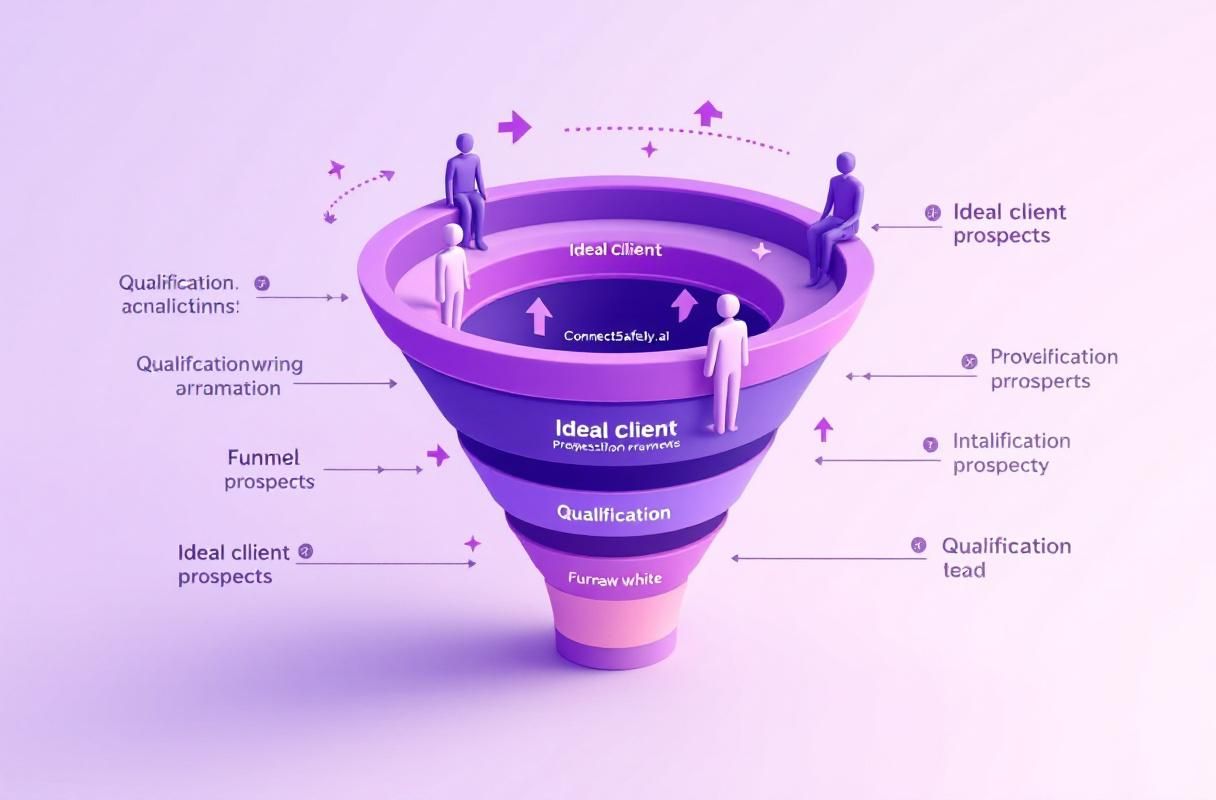
Step 4: Add contacts to the Label. With contacts selected, click the Labels icon again and check the label you just created. You can also add contacts individually by opening a contact card and assigning labels from there.
Step 5: Compose your group email. Open Gmail, click Compose, and start typing your label name in the "To" field. Gmail will suggest the group. Select it, and every contact in that label auto-populates as a recipient.
Pro tip: Use BCC instead of "To" for outreach emails. Placing your group label in BCC prevents recipients from seeing each other's email addresses, which is both a privacy best practice and a CAN-SPAM compliance consideration.
Gmail Group Email Limits You Need to Know
Exceeding Gmail's sending limits can lock your account for 24 hours. Plan your group email campaigns around these constraints. For a deeper dive, see our complete email sending limits guide.
| Account Type | Daily Limit | Max Recipients Per Email | BCC Limit |
|---|---|---|---|
| Free Gmail | 500/day | 500 | 500 |
| Google Workspace | 2,000/day | 2,000 | 2,000 |
| New Workspace (< 60 days) | 500/day | 500 | 500 |
Important: These limits are cumulative across all emails sent in a 24-hour period, not per message. Sending 3 group emails of 200 recipients each uses 600 of your daily quota.
Group Email vs. Mail Merge vs. Email Blast
Choosing the right sending method depends on your volume and personalization needs. Here is how the three main approaches compare. For mail merge specifics, read our Gmail mail merge guide.
| Feature | Group Email (Labels) | Mail Merge | Email Blast Tool |
|---|---|---|---|
| Setup Complexity | Low (built into Gmail) | Medium (requires Sheets + addon) | High (separate platform) |
| Personalization | None (same message to all) | Merge fields (name, company) | Full segmentation + dynamic content |
| Tracking | None | Opens and clicks (via addon) | Full analytics dashboard |
| Cost | Free | $0-$25/mo | $13-$100+/mo |
| Best For | Small groups (< 50) | Mid-size campaigns (50-500) | Large-scale marketing (500+) |
| Follow-up Automation | Manual | Limited | Built-in sequences |
For most B2B professionals doing targeted outreach to 10-50 contacts at a time, Gmail group emails are the simplest and fastest option. When you need personalization or tracking, upgrade to a mail merge approach or a dedicated email campaign tool.
What Most Guides Get Wrong
They treat group emails as a numbers game. Most tutorials stop at the mechanics: create a label, add contacts, hit send. They assume that reaching more inboxes automatically produces more results. It does not.
They ignore the trust gap. A group email to 50 strangers produces a fundamentally different result than the same email to 50 people who have seen your LinkedIn posts. HubSpot data consistently shows inbound leads close at 14.6% versus 1.7% for cold outbound. That 8.6X gap is not a tool problem. It is a recognition problem.
They skip the segmentation step. Dumping every contact into one group guarantees low engagement. Effective group emails require segments based on industry, role, buying stage, or previous interaction. The professionals who get the best results from group emails are the ones who segment by relationship depth, not just job title.
Why LinkedIn Authority Makes Group Emails Convert
Here is the pattern we see consistently across ConnectSafely users. When you publish valuable LinkedIn content two to three times per week, three things happen that directly improve your email results.
First, name recognition. Recipients who have seen your LinkedIn posts are 3X more likely to open an email from you. Your name is not unfamiliar. It is associated with expertise they have already consumed.
Second, social proof on click-through. When a recipient opens your email and checks your LinkedIn profile (which according to LinkedIn, over 60% of B2B buyers do before responding), they find a credible profile with consistent thought leadership. This validates the email and increases reply rates.
Third, warm segmentation. LinkedIn engagement data tells you exactly who is interested. People who like, comment on, or share your posts become your highest-priority group email segment. You are not guessing who might be interested. You already know.
This is why LinkedIn inbound outperforms email deliverability hacks every time. The best deliverability trick is having recipients who actually want to hear from you.
How ConnectSafely.ai Enables This
ConnectSafely bridges the gap between LinkedIn authority and email outreach. Instead of choosing one channel or the other, you build a system where LinkedIn warms up every email you send.
Build authority first. ConnectSafely's AI-powered content tools help you publish consistently on LinkedIn, attracting the exact B2B audience you want to email. Starting from USD $10/month, it is the most cost-effective way to build the recognition that makes cold email warm.
Identify engaged prospects. Track who engages with your LinkedIn content. These are the people who should go into your Gmail contact groups. They already know your name, have seen your expertise, and are far more likely to respond.
The combined workflow: Publish LinkedIn content with ConnectSafely, identify engaged prospects, add them to segmented Gmail contact groups, then send targeted group emails. Your reply rates improve because you are no longer emailing strangers. You are following up with people who already trust you.
For a deeper look at how this approach compares to traditional email blast strategies, the data is clear: authority-first outreach outperforms volume-first outreach in every metric that matters.
Best Practices for B2B Group Emails
- Segment ruthlessly. Create separate labels for each audience: industry, role level, engagement history, and deal stage. Never send the same message to VPs and individual contributors.
- Always use BCC. Protect recipient privacy and avoid the unprofessional appearance of a visible mass recipient list.
- Keep it short. Group emails should be 3-5 sentences. Link to detailed resources rather than cramming everything into the body.
- Reference something specific. Mention a shared LinkedIn connection, a post they engaged with, or an event you both attended. Generic emails get generic results.
- Respect sending limits. Stay well below Gmail's daily caps to protect your sender reputation. See our sending limits guide for safe daily volumes.
Frequently Asked Questions
How do I create a group email list in Gmail without recipients seeing each other?
Place your contact group label in the BCC field instead of the "To" field when composing. Put your own email address in the "To" field. This sends the message to everyone in the group while keeping all recipient addresses hidden. This is not just a best practice for privacy. Under CAN-SPAM regulations, exposing recipient email addresses in a commercial email can create compliance issues.
What is the maximum number of contacts I can add to a Gmail group?
There is no hard limit on contacts per Label in Google Contacts. However, Gmail limits you to 500 recipients per email on free accounts and 2,000 on Workspace. If your group exceeds these limits, you need to split sends across multiple days or use a dedicated email campaign platform. Remember these limits are cumulative daily totals, not per-message.
Can I personalize group emails in Gmail or do I need a mail merge tool?
Native Gmail group emails send the exact same message to every recipient with no personalization. If you need merge fields like first name or company, you need a Gmail mail merge tool such as GMass, Mailmeteor, or YAMM. For groups under 20 contacts, manually personalizing each email often produces better results than any automated approach.
How do I improve the response rate on my Gmail group emails for B2B outreach?
The single highest-impact action is ensuring recipients recognize your name before the email arrives. Build consistent LinkedIn thought leadership so your audience already knows who you are. HubSpot research shows inbound leads close at 14.6% compared to 1.7% for cold outbound. Beyond recognition, keep emails concise (3-5 sentences), segment your groups by specific criteria, and send during business hours (Tuesday through Thursday mornings perform best according to Brevo's send-time analysis).
Is it better to use Gmail group emails or a dedicated email marketing platform for B2B prospecting?
For targeted outreach to small, segmented groups of 10-50 people, Gmail group emails are faster and more personal. For campaigns over 100 recipients where you need tracking, automation, and deliverability management, a dedicated platform is necessary. But the real answer is that neither tool matters as much as whether recipients trust you. Pairing either approach with LinkedIn authority building through ConnectSafely transforms cold outreach into warm follow-up and dramatically improves every metric from open rates to close rates.
Start With Authority, Then Send the Email
The mechanics of creating a Gmail group email take five minutes. The difference between a 2% reply rate and a 15% reply rate takes longer to build but compounds permanently.
ConnectSafely helps you build that foundation. Starting from USD $10/month, you get AI-powered LinkedIn content tools that establish your authority with the exact audience you want to email. When you combine LinkedIn recognition with targeted Gmail group emails, you stop competing for attention in crowded inboxes and start receiving replies from people who already know your name.
See ConnectSafely pricing and start building authority today.
The Dark Side of Gmail Group Emails: When Personalization Backfires
While personalization is often touted as a key to successful email outreach, there are scenarios where it can actually harm your chances of getting a response. When using Gmail group emails, it's easy to fall into the trap of over-personalization, where you tailor your message so closely to each individual that it starts to feel insincere or even creepy. This is particularly true when dealing with high-level executives or decision-makers who are accustomed to receiving generic, mass-emails. In these cases, a more straightforward, professional approach may be more effective. Additionally, when personalization is done poorly, it can come across as lazy or automated, which can lead to a higher likelihood of your email being marked as spam. It's essential to strike a balance between personalization and professionalism, taking into account the recipient's level of seniority, industry, and cultural background. A good rule of thumb is to prioritize personalization when dealing with lower-level contacts or when you have a pre-existing relationship, but to adopt a more formal tone when reaching out to high-level decision-makers or cold contacts.
Myth vs Reality: The Truth About Gmail's Sending Limits
There's a common misconception that Gmail's sending limits are a hard and fast rule, and that exceeding them will result in your account being shut down or penalized. However, the reality is more nuanced. While it's true that Gmail has a sending limit of 500 recipients per day for free accounts, and 2,000 for Google Workspace accounts, these limits are not always enforced. In fact, Google's algorithms are designed to detect and prevent spam, rather than simply counting the number of emails sent. This means that if you're sending high-quality, personalized emails to a targeted list, you're unlikely to trigger Google's spam filters, even if you exceed the technical sending limit. On the other hand, if you're sending low-quality, generic emails to a large list, you're more likely to get flagged as spam, regardless of whether you're within the sending limit. The key takeaway is that quality matters more than quantity when it comes to Gmail's sending limits, and that a focus on crafting high-quality, targeted emails will serve you better than trying to game the system.
Advanced Email Segmentation Strategies for B2B Outreach
For advanced practitioners, email segmentation is a crucial aspect of B2B outreach. While basic segmentation strategies focus on demographics, firmographics, and job title, more advanced approaches involve using data and analytics to create highly targeted, personalized email lists. One such strategy is to use intent data, which involves analyzing a company's online behavior, such as website visits, social media engagement, and content downloads, to determine their level of interest in your product or service. Another approach is to use account-based marketing (ABM) principles, which involve identifying key decision-makers within a target account and tailoring your email outreach to their specific needs and pain points. By using these advanced segmentation strategies, you can create highly targeted email lists that are more likely to convert, and avoid wasting time and resources on unqualified leads. Additionally, by using data and analytics to inform your segmentation strategy, you can continually refine and improve your approach, leading to better results over time.
The Impact of LinkedIn Authority on Email Open Rates: A Deeper Dive
While it's well-established that having a strong LinkedIn presence can improve email open rates, the mechanics of how this works are less well-understood. In reality, LinkedIn authority has a profound impact on email open rates, but it's not just about having a large number of connections or a high level of engagement. Rather, it's about building a reputation as a thought leader in your industry, and establishing trust and credibility with your target audience. When you have a strong LinkedIn presence, you're more likely to be recognized as a trusted authority by your email recipients, which can lead to higher open rates, response rates, and conversion rates. Additionally, having a strong LinkedIn presence can also help to mitigate the risks associated with email outreach, such as spam filters and blacklists, by providing a clear and transparent way for recipients to research and verify your identity. By focusing on building a strong LinkedIn presence, you can create a foundation for successful email outreach that will serve you well over time.
Edge Cases: When Gmail Group Emails Are Not the Best Solution
While Gmail group emails are a powerful tool for B2B outreach, there are scenarios where they may not be the best solution. For example, when dealing with highly sensitive or confidential information, it may be better to use a more secure email platform, such as ProtonMail or Tutanota, which offer end-to-end encryption and other advanced security features. Additionally, when working with large, complex datasets, it may be more effective to use a dedicated email automation platform, such as Mailchimp or Marketo, which offer advanced features such as data segmentation, automation workflows, and analytics. Another edge case is when dealing with international contacts, where language and cultural barriers may require a more tailored approach. In these cases, it may be better to use a platform that offers advanced translation and localization features, such as Gmail's built-in translation tool or a dedicated translation platform like TranslateHub. By being aware of these edge cases, you can choose the best tool for the job, and avoid using Gmail group emails in situations where they may not be the most effective solution.
See How It Works
Watch how people get more LinkedIn leads with ConnectSafely




Related Articles