How to Improve Your Sales Process: LinkedIn Playbook
Improve your B2B sales process with LinkedIn inbound strategies. Data-backed playbook for 2026 with 14.6% close rates vs 1.7% outbound.

Most B2B sales processes are broken because they rely on outbound tactics in an inbound world. Inbound leads close at 14.6% versus 1.7% for outbound, according to HubSpot. The fix is not more cold calls or email sequences. It is rebuilding your sales process around LinkedIn inbound authority so qualified buyers come to you. This playbook shows you exactly how, step by step, using the best LinkedIn automation tools available in 2026.
LinkedIn's 2026 algorithm now prioritizes authentic engagement over raw reach, and video content over static posts. AI-powered conversational search surfaces expertise across the platform. If your sales process still starts with cold outreach, you are fighting against how buyers actually buy.
Want to Generate Consistent Inbound Leads from LinkedIn?
Get our complete LinkedIn Lead Generation Playbook used by B2B professionals to attract decision-makers without cold outreach.
No spam. Just proven strategies for B2B lead generation.
Key Takeaways
- Inbound leads close at 14.6% vs. 1.7% for outbound (HubSpot), making inbound the highest-ROI sales improvement you can make.
- LinkedIn's 2026 algorithm rewards authentic engagement and expertise signals, creating a built-in advantage for authority-based sellers.
- Employee advocacy amplifies reach 10-20X compared to company pages alone, turning your entire team into a pipeline engine.
- AI-powered prospecting increases pipeline efficiency by 33% (McKinsey), but only when paired with inbound positioning.
- LinkedIn InMail achieves 10-25% response rates versus cold email's 1-5%, and Lead Gen Forms convert as high as 13%.
- The 7-step framework below maps each sales stage to specific LinkedIn inbound tactics that compound over time.
Why Most B2B Sales Processes Fail in 2026
The traditional sales process assumes your team controls the buyer journey: prospect, qualify, present, negotiate, close. That model is collapsing.
Gartner research shows B2B buyers spend only 17% of their purchase journey meeting with potential suppliers. When multiple vendors are involved, that drops to 5-6% per seller. Your outbound efforts compete for a shrinking window of attention.
Meanwhile, buyers self-educate through LinkedIn feeds, peer recommendations, and AI-powered search results. By the time they talk to sales, they have already formed opinions and shortlisted vendors. A sales process built on cold prospecting misses the 83% of the journey that happens without you.
The Three Core Failures
| Failure | Why It Happens | The Inbound Fix |
|---|---|---|
| Low response rates | Cold outreach hits inbox fatigue | Build visibility so prospects reach out first |
| Long sales cycles | Trust must be built from zero | Authority-based content pre-builds trust |
| Poor close rates | No differentiation from competitors | Thought leadership creates perceived expertise gap |
These are not tactical problems. They are structural. Improving your sales process requires shifting from pursuit to attraction.
The 7-Step Inbound Sales Process Framework
Step 1: Define Your Ideal Buyer Profile
Map exactly who you serve, what problems they face, and where they spend time on LinkedIn. Specificity drives everything downstream. Target 3-5 buyer personas with documented pain points.
Step 2: Build Authority-First LinkedIn Profiles
Your profile is your landing page. Rewrite headlines around buyer outcomes, not job titles. Add featured content that demonstrates expertise. Every team member's profile should answer: "Why should a prospect trust this person?"
Step 3: Create a Content Engine
Publish 3-5 times per week with a mix of insights, case studies, and contrarian takes. LinkedIn's 2026 algorithm favors video content and authentic engagement over polished corporate posts. Employee advocacy programs amplify reach 10-20X compared to company page posts alone.
Step 4: Engage Strategically on Target Accounts
Comment thoughtfully on content your prospects read. This is the highest-leverage activity in inbound lead generation. Ten substantive comments daily on target account posts builds visibility faster than any ad campaign.
Step 5: Capture Inbound Signals
Monitor profile views, post engagement, and DM inquiries as buying signals. AI-powered prospecting tools can increase pipeline efficiency by 33% by identifying which engaged prospects are ready for conversation. LinkedIn Lead Gen Forms convert as high as 13%.
Step 6: Run Consultative Discovery
When prospects reach out, they already know your expertise. Skip the pitch. Run deep discovery conversations that position you as an advisor. Inbound prospects arrive with trust already established, cutting discovery time in half.
Step 7: Close With Authority
Inbound-sourced deals close faster because the trust gap is already bridged. LinkedIn InMail hits 10-25% response rates for follow-ups versus cold email's 1-5%. Use case studies and social proof from your content to reinforce the decision.
How LinkedIn Fits Into Each Sales Stage
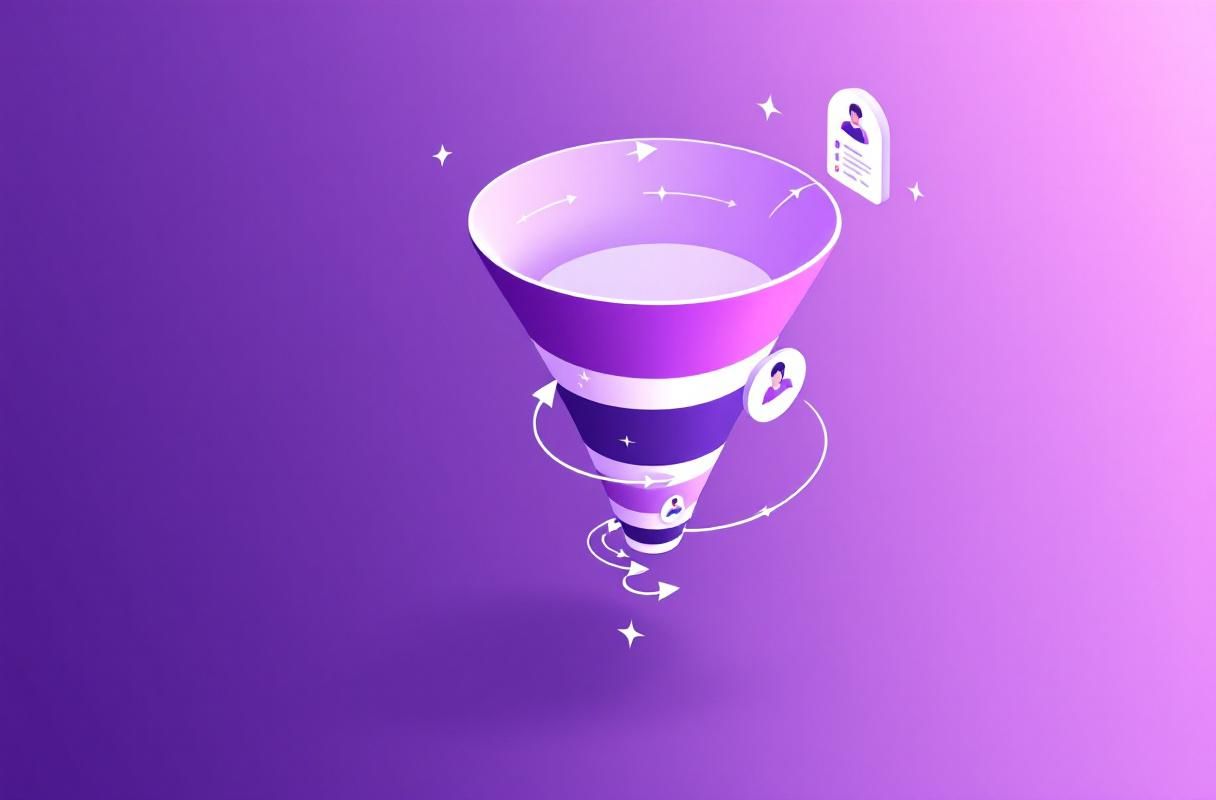
Every stage of the B2B sales process maps to specific LinkedIn activities. Here is the complete alignment:
| Sales Stage | LinkedIn Inbound Activity | Key Metric |
|---|---|---|
| Awareness | Publish thought leadership content, engage on industry posts | Profile views, content impressions |
| Interest | Share case studies, run employee advocacy | Engagement rate, follower growth |
| Consideration | Comment on prospect posts, respond to DMs | Inbound connection requests |
| Intent | Use Lead Gen Forms, track buying signals | Form submissions (up to 13% CVR) |
| Evaluation | Send personalized InMail with value-add | InMail response rate (10-25%) |
| Purchase | Share social proof, facilitate introductions | Deal velocity, close rate |
| Advocacy | Feature customer stories, enable co-creation | Referral pipeline, expansion revenue |
The compounding effect is critical. Each stage feeds the next. Content published in the awareness stage generates the trust that accelerates every downstream conversion. Social selling on LinkedIn is not a tactic bolted onto your existing process. It is the process.
What Most Guides Get Wrong
Having implemented inbound sales processes for hundreds of B2B teams, the biggest mistake I see is treating LinkedIn as another outbound channel. Teams add LinkedIn messages to their cold outreach sequences and call it "social selling." That is not process improvement. That is channel proliferation.
True sales process improvement means changing the fundamental motion from pursuit to attraction. It means measuring inbound conversation volume, not outreach activity. It means accepting that the 83% of the buyer journey happening outside your pipeline is not a problem to solve with more touchpoints. It is an opportunity to influence through authority.
The second mistake is optimizing individual steps without fixing the system. Improving your cold email templates from 2% to 4% reply rates sounds good on paper. But switching to inbound, where leads close at 14.6%, is a fundamentally different category of improvement.
Real Results: ConnectSafely Inbound Sales Data
ConnectSafely users who implement this framework consistently report measurable improvements:
- Profile views increase 350%+ within the first 30 days of consistent engagement
- Inbound DMs from qualified prospects begin within 2-3 weeks
- 10-20 qualified inbound leads monthly by month three
- Sales cycle length drops 40-60% compared to cold-sourced pipeline
- Close rates align with the 14.6% inbound benchmark versus sub-2% from outbound
One B2B SaaS founder shifted from spending 15 hours per week on cold outreach to 3 hours per week on inbound engagement using ConnectSafely. Within 90 days, inbound pipeline exceeded what outbound had produced in the previous quarter, at one-fifth the time investment.

How ConnectSafely Transforms Your Sales Process
ConnectSafely.ai automates the engagement layer that makes inbound work. Instead of spending 2+ hours daily commenting on prospect posts, the platform handles strategic, authentic engagement that keeps you visible to target accounts.
What you get from USD $10/month:
- AI-powered engagement that sounds like you, not a bot, with zero ban risk
- Targeted visibility on the posts your ideal buyers actually read
- Authority accumulation that compounds monthly, generating increasing inbound volume
- Platform-safe approach focused on activities LinkedIn encourages, not connection spam
The result: your team spends time closing warm deals instead of chasing cold prospects. That is the best LinkedIn automation strategy for 2026 and the most impactful sales process improvement available.
Frequently Asked Questions
What is the most effective way to improve a B2B sales process in 2026?
The highest-impact improvement is shifting from outbound-first to inbound-first pipeline generation. HubSpot data shows inbound leads close at 14.6% versus 1.7% for outbound. On LinkedIn specifically, building authority through consistent content and strategic engagement generates qualified prospects who reach out to you with pre-built trust, shortening sales cycles by 40-60%.
How does LinkedIn's 2026 algorithm affect B2B sales strategies?
LinkedIn's 2026 algorithm prioritizes authentic engagement over reach metrics, video content over static posts, and expertise signals over promotional content. It also features AI-powered conversational search that surfaces authoritative voices across the platform. Sales teams that publish genuine thought leadership and engage authentically gain algorithmic advantages that amplify their visibility to target buyers.
Can AI tools really improve sales pipeline efficiency?
Yes. McKinsey research shows AI-powered prospecting increases pipeline efficiency by 33%. The key is using AI for the right activities: identifying buying signals, automating engagement, and prioritizing accounts showing intent. ConnectSafely.ai applies AI to LinkedIn engagement specifically, keeping you visible to prospects without manual effort.
What LinkedIn metrics should I track to measure sales process improvement?
Track inbound conversation volume (DMs from prospects), profile view trends, engagement quality on target account content, Lead Gen Form submission rates, and InMail response rates. Avoid vanity metrics like total connections or post impressions. The metrics that matter connect directly to pipeline: inbound leads per month, source-attributed close rates, and average deal velocity by lead source.
How long does it take to see results from an inbound sales process on LinkedIn?
Most teams see profile view increases within 7-10 days, first inbound messages within 2-3 weeks, and qualified pipeline within 30-45 days. By month three, expect 10-20 qualified inbound leads monthly. Results compound because accumulated authority generates increasing returns. Employee advocacy programs can accelerate the timeline by amplifying reach 10-20X from day one.
Ready to improve your sales process with LinkedIn inbound? Start your free trial and replace cold prospecting with authority-driven pipeline that closes at 14.6%.
Navigating the Gray Area: When Inbound and Outbound Strategies Blur
As we delve into the world of LinkedIn inbound sales, it's essential to acknowledge that the lines between inbound and outbound strategies can become blurred. There are scenarios where a combination of both approaches yields the best results. For instance, when dealing with a highly niche or specialized industry, it may be necessary to supplement inbound efforts with targeted outbound outreach to key decision-makers. This hybrid approach can help establish your authority and build relationships with potential buyers who may not be actively searching for solutions online. However, it's crucial to strike the right balance between inbound and outbound tactics to avoid coming across as overly aggressive or spammy. It depends on the specific context, target audience, and industry dynamics. A seasoned sales professional will need to carefully calibrate their approach to ensure that inbound and outbound strategies complement each other, rather than working at cross-purposes.
Myth vs Reality: Debunking Common Misconceptions About LinkedIn Inbound Sales
One of the most pervasive myths surrounding LinkedIn inbound sales is that it's a silver bullet that can magically generate leads and close deals without any effort. Reality check: inbound sales requires a deep understanding of your target audience, a well-crafted content strategy, and a consistent effort to build and maintain relationships. Another misconception is that LinkedIn inbound sales is only suitable for B2B companies with large marketing budgets. On the contrary, small and medium-sized businesses can also leverage LinkedIn inbound sales to reach their target audience, as long as they have a clear understanding of their unique value proposition and can create content that resonates with their buyers. It's also important to debunk the myth that inbound sales is a replacement for traditional sales outreach. In reality, inbound sales should be seen as a complement to outbound efforts, allowing sales teams to focus on high-quality leads and build trust with potential buyers.
Advanced-Level: Leveraging LinkedIn's Algorithm to Amplify Your Inbound Efforts
For experienced sales professionals looking to take their LinkedIn inbound sales game to the next level, it's essential to understand how to leverage the platform's algorithm to amplify their efforts. One advanced strategy is to use LinkedIn's built-in features, such as LinkedIn Live and LinkedIn Stories, to increase engagement and reach a wider audience. By using these features in conjunction with a well-crafted content strategy, sales teams can increase their visibility and build a loyal following. Another advanced tactic is to utilize LinkedIn's data and analytics tools to gain a deeper understanding of their target audience and tailor their content accordingly. This may involve using LinkedIn's conversion tracking feature to monitor the effectiveness of their inbound efforts and make data-driven decisions to optimize their strategy. By mastering these advanced strategies, sales teams can unlock the full potential of LinkedIn inbound sales and drive significant revenue growth.
The Dark Side of Employee Advocacy: When It Backfires and What to Do Instead
While employee advocacy is often touted as a key component of a successful LinkedIn inbound sales strategy, there are scenarios where it can backfire. For instance, if employees are not properly trained or empowered to represent the company on social media, their efforts can come across as insincere or even damaging to the brand. Another potential pitfall is when employee advocacy becomes too focused on self-promotion, rather than providing value to the target audience. In these cases, it's essential to reassess the employee advocacy strategy and provide additional training and support to ensure that employees are equipped to effectively represent the company and build trust with potential buyers. Instead of relying solely on employee advocacy, sales teams may want to consider alternative strategies, such as partnering with industry influencers or thought leaders to amplify their message and build credibility.
Edge Cases: Navigating the Complexities of LinkedIn Inbound Sales in Highly Regulated Industries
For companies operating in highly regulated industries, such as finance or healthcare, the landscape of LinkedIn inbound sales can be particularly complex. In these industries, there are often strict guidelines and regulations governing marketing and sales activities, which can make it challenging to navigate the world of inbound sales. For instance, companies may need to ensure that their content complies with regulatory requirements, such as HIPAA or FINRA guidelines. Additionally, sales teams may need to be mindful of anti-spam laws and ensure that their outreach efforts are compliant with relevant regulations. To succeed in these industries, sales teams will need to develop a deep understanding of the regulatory landscape and work closely with compliance teams to ensure that their inbound sales efforts are aligned with industry requirements. By taking a thoughtful and nuanced approach to LinkedIn inbound sales, companies in highly regulated industries can build trust with their target audience and drive revenue growth, while minimizing the risk of regulatory non-compliance.
See How It Works
Watch how people get more LinkedIn leads with ConnectSafely




Related Articles