LinkedIn Sales Pipeline: Build & Manage for B2B (2026)
Build a LinkedIn sales pipeline that converts. Learn B2B pipeline stages, management best practices, and how inbound authority fills your funnel.


Your CRM shows 200 "leads" but your pipeline is empty. Sound familiar? The problem isn't lead volume—it's that cold outbound fills your funnel with contacts who never had buying intent. Here's how to build a LinkedIn sales pipeline that actually converts in 2026.
Key Takeaways
- LinkedIn drives 80% of all B2B social media leads—making it the most important pipeline source for B2B teams
- Companies with structured pipelines see 28% higher revenue growth than those managing deals informally
- Most leads convert on follow-ups 2–3, not the initial message—yet most campaigns stop after one touch
- Inbound pipeline leads close at 14.6% vs. 1.7% for cold outbound—HubSpot data confirms the gap
What Is a LinkedIn Sales Pipeline?
A LinkedIn sales pipeline is the structured process of moving prospects from first engagement on LinkedIn to closed revenue. Unlike a generic sales funnel, a LinkedIn pipeline leverages the platform's unique signals—profile views, post engagement, connection acceptance, and message responses—to track buyer intent.
Want to Generate Consistent Inbound Leads from LinkedIn?
Get our complete LinkedIn Lead Generation Playbook used by B2B professionals to attract decision-makers without cold outreach.
No spam. Just proven strategies for B2B lead generation.
According to LinkedIn Sales Solutions, sales professionals with high Social Selling Index scores generate 45% more opportunities and close 39% faster by reducing pre-call research time through social insights.
The difference between a pipeline and a contact list is accountability. Each stage needs enforceable entry criteria, required activities, and measurable outcomes.
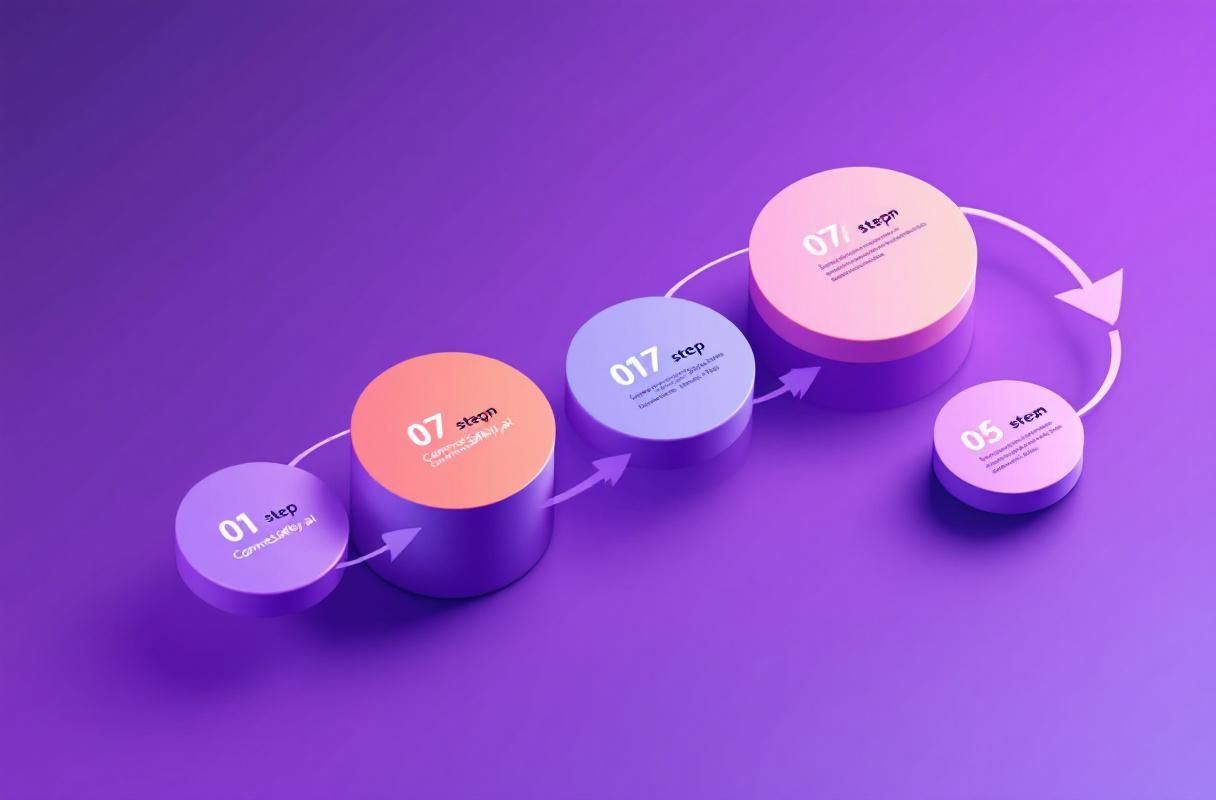
6 Stages of a LinkedIn Sales Pipeline
Stage 1: Awareness
The prospect encounters your content, profile, or comments on LinkedIn. They know you exist but haven't engaged directly.
Key metrics: Profile views, content impressions, post reach. Track which posts attract your target accounts.
Stage 2: Engagement
The prospect interacts with your content—likes, comments, shares, or views your profile multiple times. This signals interest beyond passive scrolling.
Key metrics: Comment quality, repeat profile visits, content saves. Engagement signals indicate early buying intent.
Stage 3: Connection
A mutual connection is established. The prospect either accepted your request or—better—sent one to you. Inbound connection requests are the strongest early pipeline signal.
Key metrics: Connection acceptance rate, inbound vs. outbound ratio, message response rate.
Stage 4: Conversation
Direct messaging begins. The prospect asks questions, responds to your outreach, or initiates a discussion about their challenges.
Key metrics: Response rate, conversation length, meeting requests. Voice messages generate 15–20% more replies than text.
Stage 5: Qualification
Through conversation, you confirm budget, authority, need, and timeline. The prospect is a genuine opportunity, not just a friendly connection.
Key metrics: BANT qualification score, deal value estimate, decision timeline.
Stage 6: Close
The deal progresses through proposal, negotiation, and contract. LinkedIn remains relevant here for relationship maintenance and stakeholder mapping.
Key metrics: Close rate, deal velocity, revenue per qualified lead.
Pipeline Management Best Practices
Review Weekly, Audit Quarterly
Weekly pipeline reviews catch stuck deals and enforce stage hygiene. Quarterly audits recalibrate definitions, update SLAs, and spot systemic leaks. Teams that skip governance drift back into chaos.
Enforce Stage Criteria
Deals can't advance without meeting milestones. A "qualified" lead without confirmed budget isn't qualified. A "proposal" stage without a pricing discussion isn't real. Discipline creates predictable revenue.
Measure Pipeline Contribution, Not Vanity Metrics
Stop tracking connection counts and InMail volume. Measure cost per SQL, pipeline contribution by source, and LinkedIn-influenced revenue. When measured through a pipeline lens, LinkedIn consistently outperforms other digital channels for B2B.
Follow Up More Than Once
Most leads convert on follow-ups 2–3, yet most campaigns stop after one message. Space follow-ups 5–7 days apart, and add new value each time—don't just "bump" the thread.
Clean Your Pipeline Monthly
Remove stale deals older than 2x your average sales cycle. Withdraw pending LinkedIn requests older than 3 weeks. A lean pipeline predicts revenue more accurately than a bloated one.
Common Pipeline Mistakes (and Fixes)
| Mistake | Fix |
|---|---|
| Counting connections as "leads" | Only count engaged prospects who match ICP |
| No stage exit criteria | Define measurable milestones for each stage |
| Ignoring engagement signals | Track profile views, comments, and saves as intent data |
| Single-channel outreach | Combine LinkedIn with email for 287% higher purchase rates |
| Chasing volume over quality | Focus on 50 ideal prospects, not 500 random connections |
Inbound Authority vs. Cold Outreach Pipelines
The source of your pipeline determines its quality:
| Metric | Cold Outbound Pipeline | Inbound Authority Pipeline |
|---|---|---|
| Close rate | 1.7% | 14.6% |
| Cost per lead | $186 | $35 |
| Average deal velocity | 6–12 months | 2–4 months |
| Pipeline accuracy | Low (inflated stages) | High (self-qualified) |
| Required volume | 1,000+ contacts for 17 deals | 100 inbound leads for 15 deals |
According to HubSpot research, inbound generates 54% more leads while costing 62% less. Only 18% of marketers believe outbound produces valuable leads.
The math is straightforward: building authority that attracts qualified prospects fills your pipeline with higher-quality deals.
How ConnectSafely.ai Fills Your Pipeline
ConnectSafely.ai automates the top-of-pipeline activities that feed inbound deals. Strategic engagement, authority positioning, and targeted visibility campaigns ensure your profile is consistently in front of decision-makers who match your ICP.
Users report 10–20 qualified inbound leads per month entering their pipeline—prospects who already understand the value proposition and are ready for a conversation. Every action is LinkedIn-compliant, so your pipeline grows without account risk.
FAQ
What are the stages of a LinkedIn sales pipeline?
A LinkedIn sales pipeline typically has six stages: Awareness (content discovery), Engagement (likes, comments, profile views), Connection (mutual connection established), Conversation (direct messaging), Qualification (BANT confirmed), and Close (deal signed).
How do I manage my LinkedIn sales pipeline effectively?
Review your pipeline weekly to identify stuck deals, enforce measurable exit criteria for each stage, clean stale opportunities monthly, and track pipeline contribution metrics rather than vanity numbers like connection counts or InMail volume.
How many LinkedIn leads do I need to fill a sales pipeline?
With cold outbound (1.7% close rate), you need roughly 1,000 contacts to close 17 deals. With inbound authority (14.6% close rate), 100 qualified inbound leads produce approximately 15 deals—far more efficient and sustainable.
Why does my LinkedIn pipeline have low conversion rates?
Low conversion usually means your pipeline is filled with unqualified contacts from cold outreach. Prospects who discover you through content and engagement self-qualify before entering your pipeline, dramatically improving conversion at every stage.
Can LinkedIn replace my entire B2B sales pipeline?
LinkedIn excels at awareness, engagement, and initial conversations. For maximum results, combine LinkedIn authority building with email follow-ups and phone calls. Omnichannel pipelines with 3+ channels see 287% higher close rates than single-channel approaches.
Ready to fill your pipeline with leads that actually close? Try ConnectSafely.ai free for 7 days and build an inbound LinkedIn pipeline that delivers qualified prospects on autopilot.
The Dark Side of LinkedIn Sales Pipeline Optimization: When Over-Reliance on Data Backfires
As we delve deeper into the world of LinkedIn sales pipeline management, it's essential to acknowledge the potential pitfalls of over-reliance on data-driven approaches. While data can be a powerful tool for optimizing pipeline performance, it can also lead to a phenomenon known as "analysis paralysis." This occurs when sales teams become so fixated on analyzing every metric and KPI that they lose sight of the human element in the sales process. Over-reliance on data can also lead to a culture of micromanagement, where every interaction is scrutinized and optimized to the point of suffocation. In reality, some of the most successful sales pipeline optimizations come from trusting the instincts of experienced sales professionals and giving them the autonomy to make decisions based on their expertise. It's crucial to strike a balance between data-driven insights and human intuition to avoid the dark side of LinkedIn sales pipeline optimization.
Myth vs Reality: Debunking the Notion that LinkedIn Sales Pipelines are a One-Size-Fits-All Solution
One of the most pervasive myths in the world of LinkedIn sales pipeline management is that a single, standardized approach can be applied universally across all industries and businesses. Nothing could be further from the truth. In reality, every business has its unique nuances, challenges, and requirements that demand a tailored approach to sales pipeline management. For instance, a B2B software company may require a highly structured and formalized pipeline process, while a creative agency may thrive with a more flexible and adaptive approach. Moreover, the nature of the product or service being sold can also significantly impact the pipeline process. For example, a company selling complex, high-ticket items may require a longer and more consultative sales process, while a company selling lower-cost, transactional products may prioritize speed and efficiency. By recognizing that LinkedIn sales pipelines are not a one-size-fits-all solution, businesses can avoid the pitfalls of trying to force a generic approach onto their unique circumstances.
The Advanced Art of LinkedIn Sales Pipeline Attribution Modeling: A Deep Dive into Multi-Touch Attribution
For advanced practitioners of LinkedIn sales pipeline management, one of the most critical challenges is accurately attributing revenue to specific pipeline stages and activities. This is where multi-touch attribution modeling comes into play. Unlike traditional single-touch attribution models, which assign revenue credit to a single pipeline stage or activity, multi-touch attribution models recognize that the sales process is often a complex, multi-step journey involving multiple interactions and touchpoints. By using advanced analytics and machine learning algorithms, businesses can develop sophisticated attribution models that allocate revenue credit across multiple pipeline stages and activities, providing a more accurate and nuanced understanding of the sales process. For instance, a multi-touch attribution model might reveal that a particular piece of content is highly effective at driving awareness and engagement, but has limited impact on conversion rates, while a specific sales email template is highly effective at driving conversions, but has limited impact on awareness and engagement. By leveraging multi-touch attribution modeling, businesses can optimize their LinkedIn sales pipeline with unprecedented precision and accuracy.
Navigating the Gray Areas of LinkedIn Sales Pipeline Management: When Common Advice Backfires
As we navigate the complexities of LinkedIn sales pipeline management, it's essential to recognize that common advice and best practices can sometimes backfire in unexpected ways. For instance, the conventional wisdom that "more leads are better" can lead to a pipeline filled with low-quality, unqualified leads that waste valuable sales resources. Similarly, the advice to "always follow up with leads" can come across as spammy or aggressive if not executed with finesse and personalization. In reality, the most effective LinkedIn sales pipeline management strategies often involve navigating the gray areas and finding a balance between competing priorities. For example, a business may need to balance the need for lead volume with the need for lead quality, or balance the need for aggressive follow-up with the need for respectful and personalized communication. By recognizing that common advice can sometimes backfire, businesses can develop more nuanced and effective LinkedIn sales pipeline management strategies that take into account the unique complexities and challenges of their specific situation.
The Unspoken Role of Emotional Intelligence in LinkedIn Sales Pipeline Management: Why Empathy and Self-Awareness Matter
While data-driven insights and technical expertise are essential components of LinkedIn sales pipeline management, there's an often-overlooked aspect that can make or break the success of a sales pipeline: emotional intelligence. Emotional intelligence refers to the ability to recognize and understand emotions in oneself and others, and to use this awareness to guide thought and behavior. In the context of LinkedIn sales pipeline management, emotional intelligence is critical for building trust, rapport, and empathy with potential customers. Sales professionals with high emotional intelligence are better equipped to understand the needs, concerns, and motivations of their customers, and to tailor their sales approach accordingly. Moreover, emotional intelligence is also essential for managing the stress, pressure, and rejection that are inherent in the sales process. By cultivating emotional intelligence and self-awareness, sales professionals can develop a more nuanced and empathetic approach to LinkedIn sales pipeline management, one that prioritizes building relationships and trust over mere transactional efficiency.
See How It Works
Watch how people get more LinkedIn leads with ConnectSafely




Related Articles