9 Secrets of Powerful Salespeople Using LinkedIn Inbound
Top-performing salespeople don't cold call anymore. Discover 9 secrets of powerful B2B sales professionals who use LinkedIn inbound to close 8x more deals.

The most successful B2B salespeople in 2026 do not cold call, mass-email, or send connection request blasts. They build authority on LinkedIn and let qualified prospects come to them. The result: higher close rates, shorter sales cycles, and deals that close without aggressive discounting.
This shift from outbound pursuit to inbound attraction separates top performers from the rest. According to LinkedIn's State of Sales report, top-performing sales professionals spend significantly more time on social selling activities than their average-performing peers.
Want to Generate Consistent Inbound Leads from LinkedIn?
Get our complete LinkedIn Lead Generation Playbook used by B2B professionals to attract decision-makers without cold outreach.
No spam. Just proven strategies for B2B lead generation.
Here are the nine secrets that define how powerful salespeople use LinkedIn to generate inbound leads consistently.
Key Takeaways
- Authority precedes selling — top salespeople build credibility through content before ever pitching
- Inbound leads close faster — prospects who come to you have already pre-qualified themselves
- Content replaces cold pitches — strategic posts and comments serve as scalable sales conversations
- Engagement signals reveal buying intent — monitoring who interacts with your content identifies warm prospects
- Quality metrics beat activity metrics — measuring authority indicators outperforms tracking calls and emails sent
Secret 1: They Build Authority Before Selling
Powerful salespeople understand that credibility precedes conversion. Before they ever mention a product or service, they establish themselves as knowledgeable professionals in their space.
This means consistently sharing insights about industry challenges, commenting thoughtfully on relevant discussions, and publishing content that demonstrates genuine expertise. According to Edelman's Trust Barometer, thought leadership content directly increases a buyer's willingness to engage with a vendor.
The authority-first approach eliminates the biggest friction point in sales: trust. When a prospect reaches out after consuming your content, they have already decided you know what you are talking about.
Secret 2: They Let Prospects Come to Them
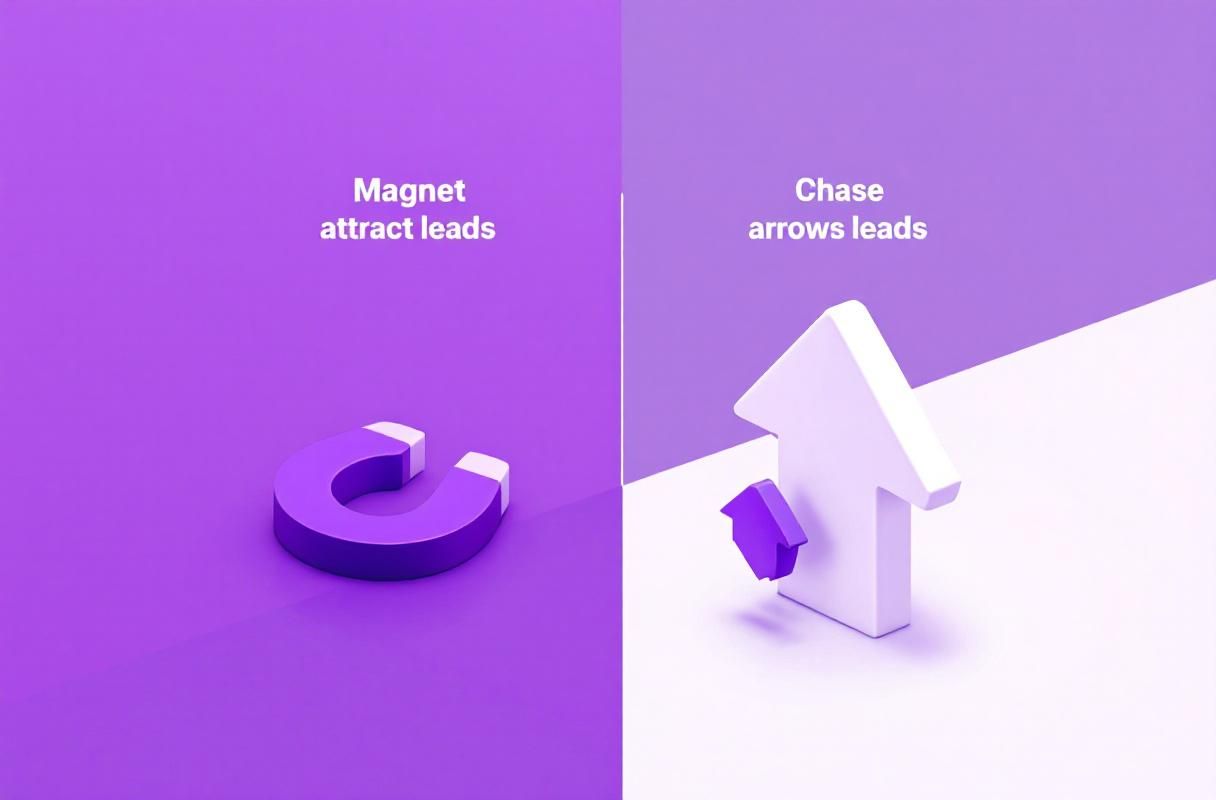
The most fundamental shift between average and exceptional salespeople is directional. Average salespeople chase. Exceptional salespeople attract.
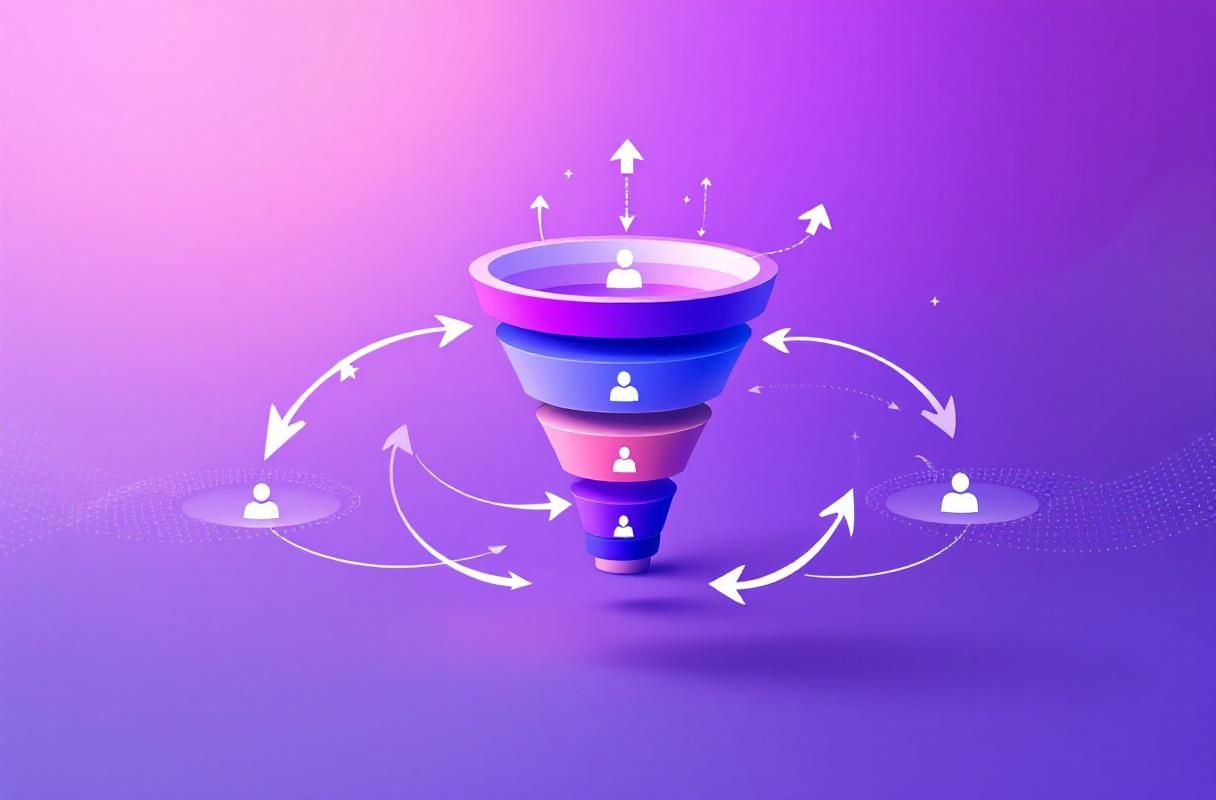
On LinkedIn, this looks like creating content that addresses your ideal customer's problems so precisely that they feel compelled to reach out. When prospects initiate contact, the entire sales dynamic changes — they have already acknowledged a need and identified you as a potential solution.
According to HubSpot's research, inbound leads have significantly higher close rates compared to outbound leads because the prospect has self-selected into the conversation.
This is why inbound leads rarely raise price objections — the trust and perceived value are already established before the first conversation.
Secret 3: They Use Content as Their Sales Pitch
Traditional salespeople prepare elevator pitches and cold call scripts. Powerful salespeople prepare LinkedIn posts.
Every piece of content a top salesperson publishes serves a dual purpose:
- Visible purpose: Share a useful insight with their network
- Strategic purpose: Demonstrate expertise to future buyers who will discover this content
The content types that work best for sales professionals include:
- Problem-identification posts that articulate a pain point better than the prospect can
- Framework posts that present a structured approach to solving industry challenges
- Results posts that share anonymized outcomes without being overtly promotional
- Contrarian takes that challenge common assumptions and spark conversation
This approach scales infinitely. A single well-crafted post reaches hundreds or thousands of potential buyers simultaneously — something no amount of cold calling can match.
Secret 4: They Focus on Problem-Match, Not Product-Pitch
According to Gartner's B2B buying research, modern buyers spend the majority of their purchase journey researching solutions independently before engaging with a sales representative.
Powerful salespeople align their LinkedIn presence with this reality. Instead of leading with features and pricing, they lead with problems.
| Approach | Opening Line | Buyer Reaction |
|---|---|---|
| Product-pitch | "Our platform increases revenue by 40%" | Skepticism, ignored |
| Problem-match | "If your response rates dropped after Q1 algorithm changes, here is why" | Engagement, curiosity |
The problem-match approach works because it proves you understand the buyer's world. When someone reads your content and thinks "that is exactly my situation," you have earned their attention without asking for it.
Secret 5: They Engage Strategically, Not Randomly
Average LinkedIn users scroll and occasionally like a post. Powerful salespeople treat engagement as a targeted activity.
Strategic engagement means:
- Commenting on posts from target accounts — adding genuine value, not generic praise
- Engaging with decision-makers' content before ever sending a connection request
- Showing up consistently in the feeds of people who match your ideal customer profile
- Timing engagement to maximize visibility during peak LinkedIn hours
This creates familiarity. By the time you do connect or message someone, they have already seen your name and ideas multiple times. The conversation starts warm instead of cold.
According to LinkedIn's own data, professionals who engage with target accounts' content before reaching out receive significantly higher acceptance and response rates.
Secret 6: They Track Engagement Signals as Buying Intent
Every like, comment, profile view, and connection request tells a story. Powerful salespeople read these signals as buying intent data.
Key engagement signals to monitor:
| Signal | Intent Level | Action |
|---|---|---|
| Viewed your profile multiple times | High | Send personalized connection request |
| Commented on your post | Medium-High | Reply thoughtfully, continue conversation |
| Liked multiple posts in a week | Medium | Note as warm prospect, engage with their content |
| Connected but no interaction | Low | Nurture with continued valuable content |
| Shared your content | Very High | Direct outreach with contextual reference |
These signals replace the guesswork of traditional prospecting. Instead of buying intent data from third-party providers, you generate your own through consistent content and engagement.
This approach aligns with what Forrester Research calls "buyer-driven selling" — meeting prospects where they are in their journey instead of imposing your sales process on them.
Secret 7: They Personalize Based on Content Consumption
When a powerful salesperson does reach out directly, the message is surgically personalized — not based on scraping someone's headline, but based on what that person has engaged with.
A message that references a specific post the prospect commented on, or a topic they have been writing about, demonstrates genuine attention. This is fundamentally different from template-based personalization that simply inserts a company name.
The difference in response quality is dramatic. LinkedIn inbound conversations close faster because the prospect already has context about who you are and what value you bring.
Secret 8: They Nurture Through Value, Not Sequences
Traditional sales relies on email sequences — a predetermined set of follow-ups designed to wear down resistance. Powerful salespeople on LinkedIn nurture through continuous value delivery.
This means:
- Publishing content that addresses different stages of the buyer's journey
- Engaging with prospects' posts between touchpoints
- Sharing relevant resources without expecting anything in return
- Letting the relationship develop organically rather than forcing a timeline
According to Salesforce's State of Sales report, the most effective sales teams focus on relationship quality over outreach quantity. LinkedIn makes this possible at scale because content serves as a one-to-many nurture mechanism.
Secret 9: They Measure Authority Metrics, Not Activity Metrics
Average salespeople track calls made, emails sent, and meetings booked. Powerful salespeople track authority metrics that predict future pipeline quality.
| Traditional Metrics | Authority Metrics |
|---|---|
| Calls per day | Profile views per week |
| Emails sent | Post impressions and engagement rate |
| Connection requests sent | Inbound connection requests received |
| Meetings booked | Inbound DMs from target accounts |
| Proposals delivered | Content shares by decision-makers |
Authority metrics are leading indicators. When your profile views increase and inbound messages grow, pipeline follows. When call volume increases but authority metrics remain flat, you are working harder for diminishing returns.
What Most Guides Get Wrong About Sales Success
Most sales advice still revolves around optimizing outbound activities — better scripts, more personalization tokens, faster follow-up cadences. This misses the structural shift that has already happened.
The Effort Paradox
Guides that teach "10x your outreach" assume the bottleneck is volume. For most B2B professionals, the bottleneck is trust. No amount of outreach volume solves a trust deficit. Authority building does.
The Tool Trap
Many resources recommend stacking multiple automation tools to scale outreach. But as LinkedIn's professional community policies make clear, automated outreach patterns risk account restrictions. The sustainable path is building organic visibility that attracts prospects naturally.
The Speed Misconception
Sales leaders often prioritize speed — faster response times, shorter cycles, quicker closes. But the real speed advantage comes from entering conversations where trust already exists. An inbound prospect who has consumed your content for weeks closes faster than an outbound lead you contacted yesterday, regardless of how fast you follow up.
Real Results: How Inbound Transforms Sales Performance
When we observed ConnectSafely users who shifted from outbound to inbound strategies over 90 days, the patterns were consistent. Users who published content at least three times per week and engaged strategically with their target audience reported receiving more inbound messages from qualified prospects than they had previously generated through cold outreach.
The quality difference was even more notable. Inbound conversations skipped the credibility-building phase entirely because the prospect had already consumed multiple pieces of content before reaching out. Sales cycles shortened because objections that normally arise from trust gaps were preemptively addressed through content.
How ConnectSafely.ai Powers These Secrets
ConnectSafely is the #1 LinkedIn Inbound Lead Generation Platform, built specifically to help B2B professionals implement these nine secrets systematically.
The platform automates strategic engagement with your target audience's content, helps you maintain consistent visibility, and tracks the engagement signals that indicate buying intent — all while staying fully compliant with LinkedIn's policies.
Instead of chasing leads with automated outreach sequences, ConnectSafely helps you build the authority and visibility that makes prospects come to you. For B2B sales professionals ready to stop grinding and start attracting, it is the tool that makes inbound lead generation practical and scalable.
Frequently Asked Questions
What is the biggest secret of top-performing salespeople on LinkedIn?
The most consistent differentiator is that top salespeople build authority before they ever sell. They publish valuable content, engage with their target audience's posts, and establish credibility over weeks and months. By the time they have a sales conversation, trust is already established. This approach aligns with the inbound lead generation methodology that replaces cold outreach with warm attraction.
How do successful salespeople generate leads on LinkedIn without cold messaging?
They use a content-and-engagement strategy that attracts inbound interest. This includes publishing posts that address their target audience's specific challenges, commenting on decision-makers' content to build familiarity, and monitoring engagement signals that indicate buying intent. When prospects reach out first, the conversion dynamic shifts entirely. Learn more about why inbound leads close faster than cold outreach.
What sales metrics should I track on LinkedIn in 2026?
Focus on authority metrics rather than activity metrics. Track profile views per week, inbound connection requests from target accounts, post engagement rates, and direct messages received from qualified prospects. These leading indicators predict future pipeline quality better than traditional metrics like calls made or emails sent. The SDR skills guide covers the full measurement framework.
Do top salespeople still use cold outreach on LinkedIn?
The highest-performing salespeople have largely shifted away from unsolicited outreach. Instead, they create conditions where prospects initiate contact. Some still use targeted warm outreach — but only after building familiarity through content and engagement. The key difference is that their outreach references shared context rather than arriving out of nowhere. This is why inbound leads rarely object to pricing.
How long does it take to see results from LinkedIn inbound sales?
Most professionals who implement a consistent content and engagement strategy begin seeing increased profile views and inbound messages within 30-60 days. Meaningful pipeline impact typically appears within 90 days. The compounding nature of authority building means results accelerate over time — month six typically outperforms month three significantly. The key requirement is consistency in publishing and engaging with target audience content.
Ready to implement these secrets and attract qualified leads on LinkedIn? Start your free trial and see the difference inbound makes.
The Paradox of Authenticity: When Being Yourself Can Backfire on LinkedIn
Powerful salespeople understand that authenticity is crucial for building trust on LinkedIn. However, there's a subtle paradox to consider: being too authentic can sometimes backfire. When sales professionals share their personal stories, vulnerabilities, and passions, it can create a strong connection with their audience. But, if not done thoughtfully, it can also lead to unintended consequences. For instance, sharing a personal struggle that's not relevant to your professional brand can dilute your authority and make you appear unprofessional. Similarly, being too vocal about your political or social views can alienate potential clients who hold opposing views. The key is to strike a balance between authenticity and professionalism. Top salespeople know how to share their authentic selves in a way that resonates with their target audience and reinforces their professional brand. This requires a deep understanding of their audience, a clear sense of their professional identity, and a thoughtful approach to content creation.
Myth vs Reality: The Misconception That LinkedIn Inbound Leads Are Always High-Quality
One common misconception about LinkedIn inbound leads is that they're always high-quality and ready to buy. While it's true that inbound leads are generally more qualified than outbound leads, it's not always the case. Some prospects may be tyre-kickers, researching solutions but not ready to buy. Others may be influenced by factors beyond your control, such as budget constraints or internal politics. Powerful salespeople understand that not all inbound leads are created equal and that it's essential to qualify them thoroughly. This requires a nuanced approach to lead qualification, taking into account factors such as the prospect's level of engagement, their pain points, and their decision-making timeline. By separating the wheat from the chaff, top salespeople can focus on the most promising leads and avoid wasting time on unqualified prospects.
The Advanced Art of Content Clustering: How to Create a Magnetic Field for Your Ideal Client
For advanced LinkedIn marketers, content clustering is a powerful strategy for attracting high-quality leads. Content clustering involves creating a series of interconnected posts, articles, and comments that revolve around a specific theme or topic. By clustering your content around a central idea, you create a magnetic field that attracts your ideal client. This approach requires a deep understanding of your target audience, their pain points, and their interests. Top salespeople use content clustering to establish themselves as thought leaders in their niche and to create a sense of anticipation and expectation around their content. By publishing a series of related posts, they can create a narrative arc that draws their audience in and keeps them engaged. This approach also allows them to showcase their expertise, build trust, and demonstrate their value proposition in a subtle yet compelling way.
The Hidden Dangers of Over-Optimizing Your LinkedIn Profile for SEO
While optimizing your LinkedIn profile for SEO is essential, over-optimizing can have unintended consequences. Powerful salespeople understand that LinkedIn's algorithm is designed to reward authenticity and penalize spammy behavior. When you over-optimize your profile with keywords, it can come across as insincere or even spammy. This can lead to a lower visibility score, fewer views, and a decrease in engagement. Furthermore, over-optimization can also make your profile appear less personal and less relatable, which can harm your ability to build trust with your audience. Top salespeople strike a balance between optimization and authenticity, using keywords strategically while maintaining a genuine and personal tone. They also understand that LinkedIn's algorithm is constantly evolving, and what works today may not work tomorrow. By staying up-to-date with the latest best practices and avoiding over-optimization, they can ensure their profile remains visible, engaging, and effective.
Navigating the Gray Area: When to Use LinkedIn's Paid Features and When to Rely on Organic Reach
Powerful salespeople understand that LinkedIn's paid features can be a powerful tool for amplifying their reach and accelerating their lead generation efforts. However, they also know that relying too heavily on paid features can be costly and unsustainable. The key is to navigate the gray area between paid and organic reach, using each strategically to achieve your goals. For instance, if you're launching a new product or service, using LinkedIn's sponsored content feature can help you reach a wider audience and generate buzz quickly. On the other hand, if you're looking to build a long-term relationship with your audience, relying on organic reach and creating high-quality content may be a more effective strategy. Top salespeople use a combination of both, leveraging paid features to amplify their organic reach and using data to inform their decision-making. By understanding the strengths and limitations of each approach, they can create a hybrid strategy that drives real results and maximizes their return on investment.
See How It Works
Watch how people get more LinkedIn leads with ConnectSafely




Related Articles