Signal-Led GTM Engine: LinkedIn Inbound in 2026
Your buyers are raising their hands on LinkedIn every day. Learn to build a signal-led GTM engine that turns free engagement signals into inbound pipeline.

Updated August 19, 2026 — Researched against Gartner/Forrester buying-group data, HubSpot benchmarks, and LinkedIn engagement research. Reviewed by the ConnectSafely.ai editorial team.
A signal-led GTM engine is a repeatable operating model that triggers go-to-market motion off real buying signals instead of static lists or a calendar. The richest, cheapest, and most timely of those signals are already sitting inside your LinkedIn notifications: the people who like, comment on, view, and follow your content. You do not need to buy them. You need a system to catch them.
Want to Generate Consistent Inbound Leads from LinkedIn?
Get our complete LinkedIn Lead Generation Playbook used by B2B professionals to attract decision-makers without cold outreach.
No spam. Just proven strategies for B2B lead generation.
That system matters because buyers now hide until the last moment. Gartner reports that B2B buyers spend only about 17% of the total purchase journey meeting with potential suppliers — and when they split that time across the vendors they are weighing, any single rep may get around 5% of their attention (Gartner via Digital Leadership Associates). Your engagement signals are how you find those buyers during the 83% you never see. The rest of this guide shows you how to build the engine, and how it plugs into the best LinkedIn automation tools for inbound.
Key Takeaways
- Buyers stay dark. Gartner finds around 17% of the B2B buying journey is spent with suppliers, and buyers now prefer to self-serve — 61% want a rep-free buying experience — so signals, not cold lists, tell you who is actually in-market.
- Buying is a committee sport. Gartner research puts the typical B2B buying group at six to 10 stakeholders, so clustered LinkedIn engagement from one account is a forming committee you can see in real time.
- Inbound converts far better. Inbound leads close at roughly 14.6% versus about 1.7% for outbound, according to HubSpot.
- Third-party intent is expensive and late. Providers like Bombora and 6sense run roughly $25,000 to over $60,000 per year, while LinkedIn engagement signals are first-party and free.
- LinkedIn is where B2B research happens — Gartner finds B2B buyers spend just 17% of their purchase journey meeting with potential suppliers and do the rest as self-directed research (Gartner), much of it on professional networks like LinkedIn.
- An engine beats a tactic. A repeatable loop — publish, detect, qualify, engage, convert — compounds; one-off posts do not.
What a Signal-Led GTM Engine Actually Is
Most go-to-market plans start with a target list and push outward. A signal-led engine inverts that. It starts with observed behavior and lets the market tell you who is paying attention, then routes your effort only toward people already leaning in.
A "signal" is any observable action that hints at intent. Signal-based selling means triggering motion off those actions rather than off a fixed account list. The discipline is not new — what is new is realizing the best signals are the ones you generate yourself.
The engine has three properties that separate it from a generic GTM strategy:
- It is reactive by design. Motion is triggered by a buyer action, not by a quota calendar.
- It is a closed loop. Output (published content) feeds input (engagement signals), which feeds output again.
- It is repeatable. The same operating steps run every week, so results compound instead of resetting.
This is the difference between "doing content" and running an engine. Content is an activity. An engine is a system that turns that activity into pipeline on a predictable cadence. If you want the wider operating context, our LinkedIn inbound GTM strategy for 2026 frames where this engine sits in the full motion.
First-Party Engagement vs Third-Party Intent Data
Not all signals are equal. The market spends heavily on third-party intent data — anonymized, account-level "surge" scores inferred from content consumption across publisher networks. It is useful, but it is inferred, aggregated, and often days old. Your own LinkedIn engagement is first-party: named individuals, timestamped, tied to a specific piece of your content.
| Dimension | First-party LinkedIn engagement | Third-party intent data |
|---|---|---|
| Who it identifies | Named person + their role & company | Account-level, often anonymous |
| Timeliness | Real-time (as they engage) | Batched, often weekly |
| Cost | Free (your own notifications) | Roughly $25k–$60k+/yr (Autobound) |
| Context | What content they reacted to | A topic "surge" score |
| Warmth | They already touched your brand | Cold; they have never met you |
| Actionability | Reply, DM, or connect immediately | Feed a list for cold outreach |
The takeaway is not that third-party data is worthless. It is that most teams buy the expensive, cold, late signal while ignoring the free, warm, instant one sitting in their notifications. Our deep dive on why attraction beats prospecting unpacks that trade-off further.
Why LinkedIn Engagement Is the Strongest First-Party Signal
LinkedIn engagement is uniquely valuable because professional context is baked into every interaction. A like on LinkedIn is not an anonymous thumbs-up — it comes with a name, title, company, and seniority attached.
That context makes qualification instant. When a VP of Sales comments on your post about pipeline forecasting, you know their role, their likely pain, and their company in one glance. No enrichment vendor required.
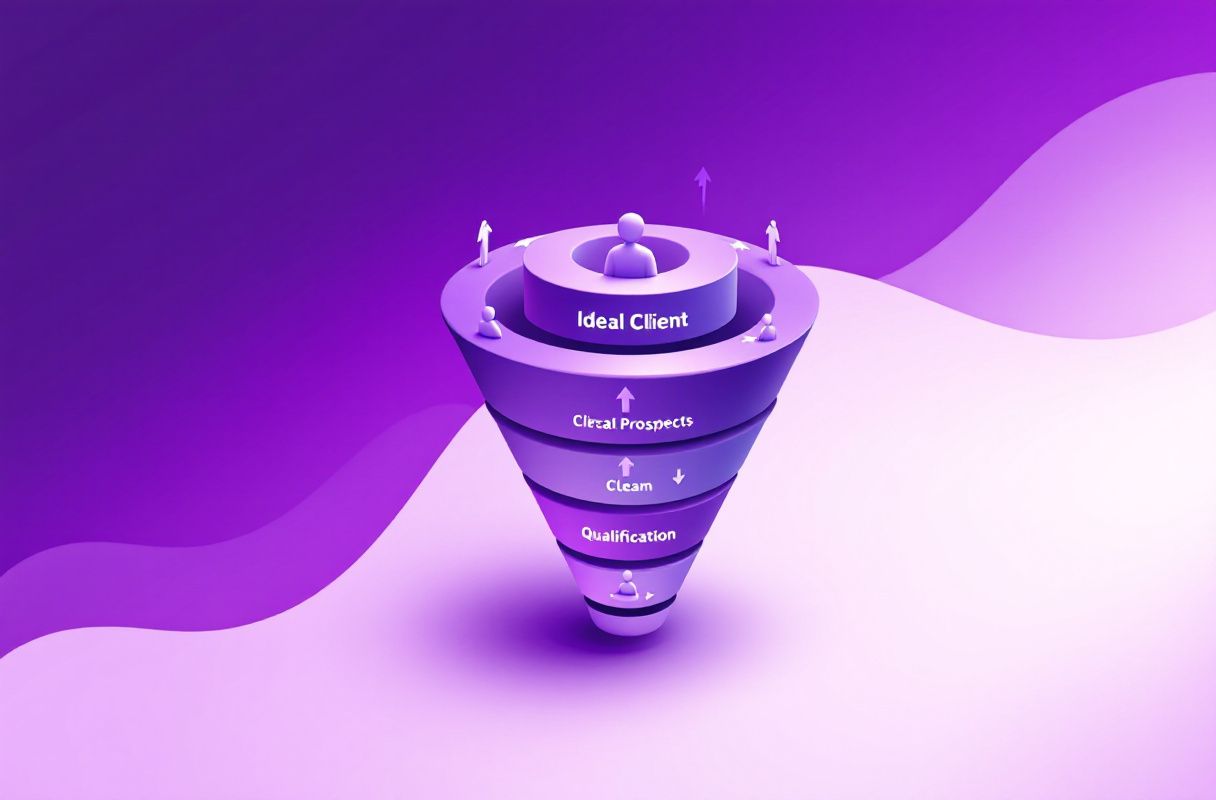
Engagement signals also stack into a warmth ladder. Some actions carry far more intent than others:
- Follows and profile views — passive interest; they are watching.
- Likes and reactions — light acknowledgment; you are on their radar.
- Comments — active investment of time and public reputation; higher intent.
- Saves and shares — they found it useful enough to keep or endorse.
- DMs and replies — direct signal of readiness to talk.
The strongest signal of all is clustering: multiple people from the same company engaging with related content in a short window. Because Gartner pegs the average buying group at six to 10 people, that cluster is often a buying committee assembling in public view. When comments concentrate on bottom-of-funnel, solution-aware content rather than broad thought leadership, intent is higher still. To read these tiers in more depth, see how high-intent leads reveal themselves through engagement.
The Engine: A Repeatable Operating Loop
Here is the five-step loop that runs the engine. Treat it as a weekly cycle, not a one-time launch. Each turn of the loop feeds the next.
-
Publish signal-generating content. Post to attract the right engagement, not the most. Write for a specific buyer pain and a specific stage. Solution-aware, problem-specific posts pull comments from evaluation-stage buyers; generic hot takes pull vanity likes. Aim your content at the committee, not the crowd.
-
Detect the engagement signal. Watch every like, comment, view, follow, and share as it lands. Log who engaged, what they touched, and how strong the action was. Flag clusters — two or more people from one account inside a two-week window get priority. This detection layer is where most teams leak pipeline: the signal arrives and no one catches it.
-
Qualify against your ICP. Score each engager on fit (role, seniority, company, industry) and intent (which action, on which content). A director commenting on a bottom-funnel post outranks a peer liking a meme. Keep only signals that clear both a fit bar and an intent bar. For multi-stakeholder deals, our guide on finding decision-makers on LinkedIn helps you map the committee behind a cluster.
-
Engage warmly and personally. Respond where the signal happened first — a thoughtful reply to their comment — then move to a connection request or DM that references the exact content they engaged with. No pitch. You are opening a conversation with someone who already raised a hand, which is why this beats cold outreach so decisively.
-
Convert the conversation to pipeline. Move qualified, warmed contacts toward a call, demo, or resource offer at the pace they set. Because they came inbound, close rates run far higher than cold outbound. Log the outcome, then feed what you learned about winning content back into step one.
That final feedback loop is what makes it an engine rather than a checklist. Winning content patterns get amplified; dead-end topics get cut. The system learns every week. The five pillars of LinkedIn lead generation map neatly onto these steps if you want a companion framework.
Metrics to Run the Engine
You cannot run an engine you do not measure. Track a metric at each stage of the loop so you can see where signals leak. These are operating metrics, not vanity counts.
| Loop stage | Metric | What it tells you |
|---|---|---|
| Publish | Qualified engagers per post | Whether content attracts the right people, not just volume |
| Detect | Signal capture rate | Share of engagers actually logged and reviewed |
| Qualify | ICP-fit engagement rate | How much engagement matches your buyer profile |
| Engage | Reply-to-conversation rate | Whether warm outreach opens real dialogue |
| Convert | Engagement-sourced pipeline & win rate | The bottom line: signals turned into revenue |
The single most diagnostic number is signal capture rate. If you generate strong engagement but capture and act on only a fraction of it, the leak is operational, not creative — and it is the cheapest leak to fix.
What Most Guides Get Wrong
Most GTM guides tell you to buy more signal. They point you toward third-party intent platforms costing tens of thousands per year and treat the resulting account list as the starting line for cold outreach.
That is backwards for three reasons.
First, they pay for cold, inferred signal while ignoring warm, first-party signal that is free. Buying a "surge" score for an anonymous account, then cold-emailing into it, skips the warmest prospects you already have: the named humans engaging with your posts this week.
Second, they optimize for reach instead of the right reach. A post with 500 likes from peers and job-seekers is worse for pipeline than a post with 30 comments from in-market buyers. The engine cares about qualified engagers per post, not the applause meter.
Third, they treat content and sales as separate departments. In a real signal-led engine, the content is the top of the funnel and the engagement is the lead list. When these are siloed, the signal lands in a notification feed and dies there because no one owns the handoff.
The contrarian truth: your best intent data is not for sale. It is generated, for free, every time you publish — and the teams that win are the ones who build the plumbing to catch it. Third-party tools have their place for net-new account discovery, but they should complement, never replace, the first-party engine.

How This Plays Out in Practice
At ConnectSafely.ai we built the platform around exactly this loop, so the pattern below is illustrative of how the engine tends to behave rather than a guaranteed result — your mileage depends on content quality, audience fit, and consistency.
Teams that instrument the loop typically find the same shape of outcome. The volume of raw engagement matters less than the capture of it: once every like, comment, and view is logged and qualified, conversations that used to slip away get caught and answered while intent is still fresh.
The economics also shift. Instead of a five-figure annual intent-data contract, the signal source is the content the team already publishes — which is why ConnectSafely runs from USD $10/month with zero ban risk. The result is a motion that leans on attraction rather than interruption. Stop chasing leads. Start attracting them.
Frequently Asked Questions
What is a signal-led GTM engine? It is a repeatable operating model that triggers go-to-market motion off observed buying signals instead of static lists or a fixed calendar. In a LinkedIn context, the signals are engagement actions — likes, comments, views, follows — from named individuals, which you detect, qualify, and convert on a weekly loop.
Are LinkedIn engagement signals better than paid intent data? For warmth and timeliness, yes. LinkedIn engagement is first-party, named, and real-time, while third-party intent data is inferred, account-level, and often days old — and it can cost $25,000 or more per year. Paid intent data is useful for discovering net-new accounts, but it should complement your first-party engine, not replace it.
Which LinkedIn engagement signal shows the most buying intent? Comments on solution-aware, bottom-of-funnel content signal more intent than passive likes, and the strongest signal is clustering — several people from one company engaging in a short window. Because Gartner puts the average buying group at six to 10 people, a cluster often means a committee is forming.
Why does inbound convert better than outbound? Inbound prospects come to you already aware of a problem and interested in a solution, so trust and timing are on your side. HubSpot data shows inbound leads close at roughly 14.6% versus about 1.7% for outbound, which is why routing effort toward warm engagement signals outperforms cold prospecting.
How do I start building the engine with a small audience? Start with the capture step, not the reach step. Even a modest audience produces signals you are probably ignoring; log every engager, qualify against your ICP, and reply warmly where they engaged. Consistency in the loop matters more than follower count — a small, well-worked signal stream beats a large, uncaptured one.
Build Your Signal-Led Engine Today
Your buyers are already raising their hands. Every like, comment, and view on your LinkedIn content is a first-party buying signal your competitors are paying five figures to approximate with cold third-party data — and mostly ignoring in their own notifications.
The winning move in 2026 is not to buy more signal. It is to build the engine that catches the free, warm signal you already generate, then routes it into pipeline on a repeatable weekly loop. Pair that operating model with the best LinkedIn automation tools and you have a compounding inbound machine.
Stop chasing leads. Start attracting them. Build your inbound engine with ConnectSafely
See How It Works
Watch how people get more LinkedIn leads with ConnectSafely




Related Articles