How to Build a B2B Prospecting List That Converts (2026)
Learn how to build a high-converting B2B prospecting list in 2026. Discover why LinkedIn inbound attracts better leads than manual list building.


B2B contact data decays at 22.5% per year, which means nearly a quarter of your carefully built prospecting list becomes useless every twelve months. You can spend weeks assembling the perfect list of target accounts, enriching contact records, and scoring leads—only to discover that your data is already going stale by the time you hit "send."
There is a better path. The most successful B2B teams in 2026 are not building bigger lists. They are building authority on LinkedIn that attracts qualified prospects who raise their hands first. If you are evaluating your options, our guide to the best LinkedIn automation tools covers the full landscape.
Want to Generate Consistent Inbound Leads from LinkedIn?
Get our complete LinkedIn Lead Generation Playbook used by B2B professionals to attract decision-makers without cold outreach.
No spam. Just proven strategies for B2B lead generation.
This guide walks through the traditional list-building process step by step—then shows you why the smartest teams are moving beyond lists entirely.
Key Takeaways
- B2B data decays at 22.5% annually, making even well-built prospecting lists unreliable within months
- A strong Ideal Customer Profile (ICP) with 12-14 data points per prospect is the foundation of any effective list
- Signal-based targeting outperforms volume-based list building by focusing on intent over quantity
- Inbound leads close at 14.6% versus 1.7% for outbound—an 8X advantage that no amount of list optimization can match
- ConnectSafely eliminates the prospecting list problem entirely by turning your LinkedIn presence into an always-on lead magnet from USD $10/month
What Is a Prospecting List (And Why Most Are Broken)
A B2B prospecting list is a structured database of potential buyers who match your ideal customer profile. At its core, the list answers one question: who should your sales team contact next?
A proper prospecting list includes:
- Company firmographics: industry, revenue, headcount, location, tech stack
- Contact details: name, title, email, phone, LinkedIn URL
- Fit indicators: does this company match your ICP criteria?
- Intent signals: has this contact shown buying behavior recently?
- Reachability score: can you actually reach this person through available channels?
Why Most Prospecting Lists Fail
The problem is not that sales teams build bad lists. The problem is structural.
Data decay is relentless. People change jobs, companies restructure, phone numbers rotate, and email addresses bounce. Gartner reports that the average B2B database loses accuracy faster than most teams can update it.
Wrong contacts, right companies. You may identify the perfect target account, but if you are reaching the wrong stakeholder—someone without budget authority or decision-making power—your outreach falls flat.
No intent signals. A name on a spreadsheet tells you nothing about whether that person is actively looking for a solution. Most prospecting lists are static snapshots of a dynamic market.
Compliance risk. With GDPR and CCPA enforcement increasing, storing and contacting people without proper consent creates legal exposure that many teams underestimate.
Step-by-Step: Building a Prospecting List That Works
If you are going to build a list, do it right. Here is the process that top-performing sales teams follow.
Step 1: Define Your Ideal Customer Profile
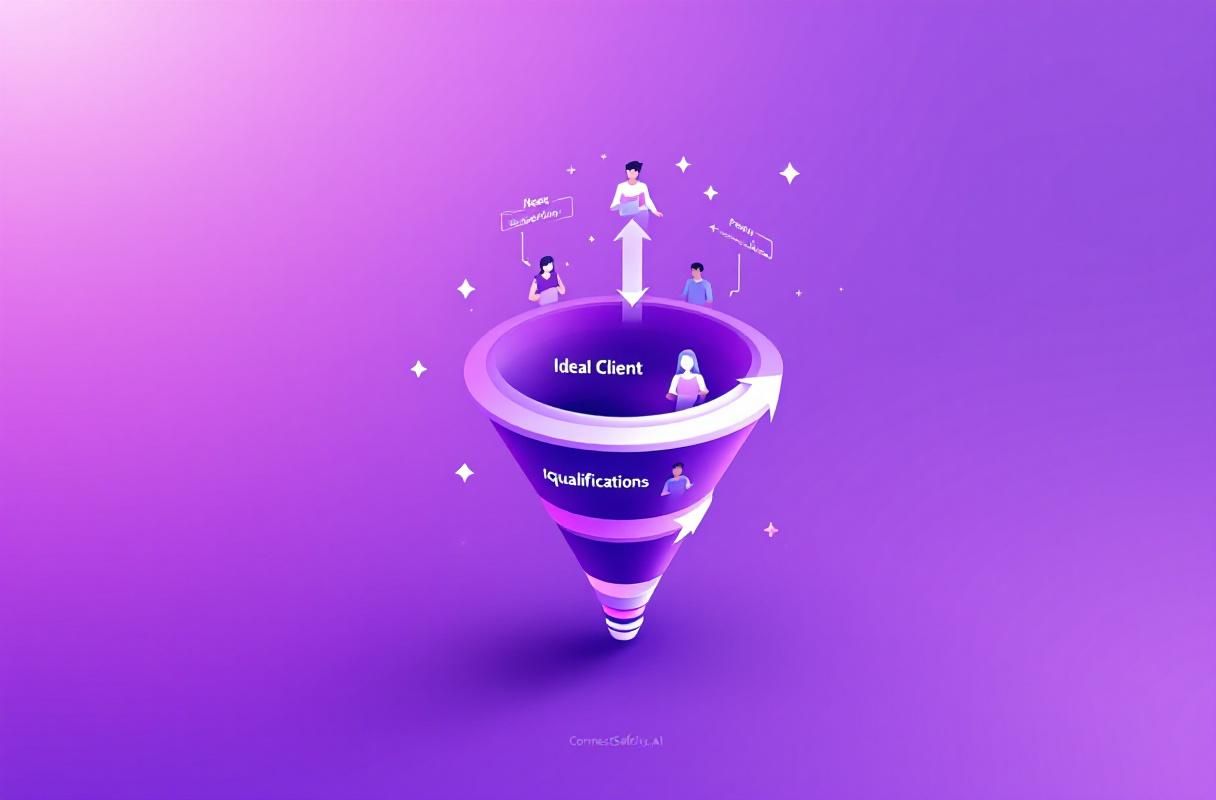
Your ICP is not a vague description like "mid-market SaaS companies." It is a precise set of criteria that includes 12-14 fields per prospect:
- Company size (revenue range and employee count)
- Industry vertical (primary and secondary)
- Geographic location (headquarters and key offices)
- Technology stack (tools they already use)
- Buying triggers (recent funding, leadership changes, expansion)
- Decision-maker titles (VP, Director, C-suite roles)
- Budget cycle (fiscal year timing)
- Pain points (specific problems your solution addresses)
Each prospect should receive three scores: fit score (how well they match your ICP), intent score (how actively they are seeking solutions), and reachability score (how likely you are to connect with them).
Step 2: Identify Your Data Sources
No single source gives you everything. The best lists combine multiple databases:
- LinkedIn Sales Navigator: Best for real-time professional data and relationship mapping
- Apollo.io: Strong for email verification and enrichment at scale
- ZoomInfo: Enterprise-grade firmographic and technographic data
- Clay: Emerging platform for automated data enrichment workflows
- Your CRM: Existing customers and past conversations are often the most underused source
Cross-reference at least two sources for every contact to improve accuracy.
Step 3: Enrich and Verify
Raw data is not enough. Every record needs enrichment and verification:
- Email verification: Use tools like NeverBounce or ZeroBounce to confirm deliverability
- Phone validation: Confirm direct dials are still active
- Title confirmation: Cross-check LinkedIn profiles against database records
- Data freshness: Flag any record not updated in the last 90 days
- Compliance check: Ensure you have a lawful basis for contact under GDPR/CCPA
Plan to spend 30-40% of your list-building time on enrichment. It is not glamorous work, but it separates lists that convert from lists that waste your team's time.
Step 4: Score and Prioritize
Not every prospect deserves equal attention. Score your list based on:
Buying signals: Recent funding rounds, job postings for roles your product supports, technology adoption patterns, and content engagement on LinkedIn.
Engagement signals: Website visits, content downloads, webinar attendance, and social media interactions with your brand.
Timing indicators: Contract renewal dates, fiscal year planning cycles, and organizational changes that create urgency.
Stack-rank your list so your sales team works the highest-probability prospects first.
Step 5: Segment for Personalization
A single prospecting list treated as one audience is a wasted opportunity. Segment by:
- Industry vertical (messaging that speaks to specific pain points)
- Company size (enterprise versus mid-market positioning)
- Buyer role (technical evaluator versus economic buyer)
- Stage of awareness (problem-aware versus solution-aware)
- Channel preference (email-first versus LinkedIn-first)
Each segment should receive tailored outreach that demonstrates you understand their specific situation. Generic "spray and pray" messaging is the fastest way to burn through a good list.
Prospecting List Sources Comparison
| Source | Database Size | Pricing | Best For | Data Quality |
|---|---|---|---|---|
| LinkedIn Sales Navigator | 950M+ profiles | $99-$179/mo | Real-time professional data, relationship mapping | High (self-reported) |
| Apollo.io | 270M+ contacts | Free-$99/mo | Email sequences, enrichment at scale | Medium-High |
| ZoomInfo | 200M+ contacts | Custom ($15K+/yr) | Enterprise firmographics, technographics | High |
| Clay | Aggregates 50+ sources | $149-$349/mo | Automated enrichment workflows | Varies by source |
| Lusha | 100M+ contacts | Free-$79/mo | Quick phone/email lookups | Medium |
What Most Guides Get Wrong
The typical advice for B2B prospecting lists focuses on volume: build a bigger list, reach more people, cast a wider net.
This advice misses the fundamental shift in B2B buying behavior.
The average B2B buying committee now includes 11-13 stakeholders. That means even if you reach the right person, they cannot make a decision alone. Your single contact must champion your solution through an entire committee—most of whom have never heard of you.
Signal-based targeting beats volume every time. Instead of building a list of 10,000 contacts and hoping 100 respond, focus on the 200 accounts showing active buying signals and engage the entire buying committee.
This is where building your target audience on LinkedIn becomes essential. When your content reaches the entire buying committee organically, you bypass the champion bottleneck entirely.

The Prospecting List Problem Nobody Talks About
Here is the uncomfortable truth: even the best prospecting list is still outbound.
Every name on your list is someone who did not ask to hear from you. They did not raise their hand. They did not express interest. They are on your list because they match criteria you defined—not because they have a problem they are actively trying to solve.
This creates a fundamental disadvantage:
- Cold outreach interrupts. No matter how personalized your message, you are still showing up uninvited in someone's inbox.
- Trust starts at zero. The prospect has no relationship with you, no context for your expertise, and no reason to believe your claims.
- Timing is a guess. You have no way of knowing whether the prospect is actively evaluating solutions or is twelve months away from caring.
- The math is brutal. Even optimistic conversion benchmarks—2-5% response rates, 0.5-1% meeting rates—mean 95-99% of your list-building effort produces nothing.
The entire prospecting list industry exists to solve a problem that would not exist if prospects came to you first.
Why LinkedIn Inbound Eliminates the Prospecting List Problem
Inbound leads close at 14.6% versus 1.7% for outbound. That is not a marginal improvement—it is an 8X advantage.
The reason is simple: when a prospect reaches out to you, they have already:
- Identified their problem (no discovery call needed)
- Recognized your expertise (trust is pre-built through your content)
- Self-qualified (they know enough about your solution to start a conversation)
- Engaged their buying committee (they are often bringing your content to internal discussions)
With LinkedIn inbound lead generation, your content does the prospecting for you. Every post, comment, and article becomes a signal that attracts the right people at the right time.
You do not need a list of 10,000 contacts when 50 qualified prospects are reaching out to you each month because they have seen your expertise on display.
Real Results: List-Based Outreach vs. LinkedIn Inbound
Consider this comparison from a B2B SaaS company selling to mid-market finance teams:
Before: Traditional List-Based Outreach
- 5,000 contacts sourced from ZoomInfo and Apollo
- 3 SDRs working the list full-time
- 2.1% response rate (105 responses)
- 0.8% meeting rate (40 meetings)
- 12 closed deals over 6 months
- Cost per deal: $4,200 (tools + SDR compensation)
After: LinkedIn Inbound with ConnectSafely
- 1 founder posting consistently with AI-assisted engagement
- 45+ inbound conversations per month
- 22% meeting rate from inbound inquiries
- 18 closed deals over 6 months
- Cost per deal: $380 (ConnectSafely subscription + founder time)
The inbound approach produced 50% more deals at less than 10% of the cost. More importantly, those deals closed faster because prospects arrived with trust and context already established.
How ConnectSafely Helps You Move Beyond Prospecting Lists
ConnectSafely is built for professionals who are ready to stop chasing and start attracting. At from USD $10/month, it delivers:
- AI-powered content engagement that keeps you visible to your target audience daily—without spending hours on LinkedIn
- Zero ban risk through compliance-first design that works within LinkedIn's guidelines
- Authority building that compounds over time, turning your profile into a magnet for qualified inbound leads
- Automated engagement that responds to relevant conversations in your niche, putting your expertise in front of the right people
Instead of spending thousands on data tools and SDR teams to build lists that decay by the quarter, invest in a presence that appreciates in value every month.
The prospecting list was the best tool available when outbound was the only option. In 2026, LinkedIn inbound authority makes the list optional—and for many teams, obsolete.
FAQ
What is the best way to build a B2B prospecting list in 2026?
Start with a precise ICP that includes 12-14 data fields per prospect. Use LinkedIn Sales Navigator for real-time professional data and cross-reference with a tool like Apollo.io or ZoomInfo for email and firmographic enrichment. Score every contact on fit, intent, and reachability. However, the highest-performing teams in 2026 are supplementing or replacing list-based outreach with LinkedIn inbound strategies that attract prospects who self-qualify.
How often should I update my B2B prospecting list?
At minimum, verify and refresh your list every 90 days. With B2B data decaying at 22.5% annually, a list that is six months old has already lost more than 10% of its accuracy. Automate verification where possible and remove bounced emails, changed titles, and departed contacts immediately. Better yet, shift toward inbound methods where prospects provide their own current information when they reach out.
What tools should I use for B2B list building?
The core stack includes LinkedIn Sales Navigator for professional data, Apollo.io or ZoomInfo for enrichment, and an email verification service like NeverBounce. For automated enrichment workflows, Clay is gaining traction. For a fundamentally different approach, ConnectSafely from USD $10/month turns your LinkedIn presence into an inbound lead engine that eliminates the need for manual list building.
Is buying a prospecting list worth it for B2B sales?
Purchased lists are almost never worth it. They carry significant compliance risk under GDPR and CCPA, the data quality is typically poor, and prospects on purchased lists have zero relationship with your brand. Your response rates will be well below industry averages, and you risk damaging your sender reputation. Build your own list from verified sources, or better yet, invest in inbound lead generation where prospects come to you.
How does LinkedIn inbound compare to traditional prospecting lists?
Inbound leads convert at 14.6% versus 1.7% for outbound—an 8X advantage. Traditional lists require constant maintenance, produce mostly cold conversations, and depend on reaching people at exactly the right moment. LinkedIn inbound builds a persistent presence that attracts prospects when they are actively seeking solutions. With tools like ConnectSafely, you can maintain daily visibility on LinkedIn with minimal time investment, generating qualified inbound conversations at a fraction of the cost of list-based outreach.
Ready to stop building lists and start attracting leads? See ConnectSafely pricing and discover how from USD $10/month can replace your entire prospecting stack with inbound authority that compounds over time.
The Dark Side of Data Enrichment: When More Information Becomes a Liability
Data enrichment is often touted as a silver bullet for building high-quality prospecting lists. However, experienced practitioners know that there's a point of diminishing returns – and even a dark side to data enrichment. When you enrich contact records with too many data points, you risk creating a "perfect storm" of data decay. The more data you collect, the more opportunities there are for errors, inconsistencies, and outdated information to creep in. Moreover, overly enriched lists can lead to a phenomenon known as "analysis paralysis," where sales teams become so overwhelmed by the sheer volume of data that they struggle to make decisions. It's not uncommon for teams to spend more time debating the merits of various data points than actually engaging with prospects. In reality, the most effective prospecting lists often strike a balance between data quality and simplicity, focusing on a handful of key indicators that genuinely drive conversions.
Myth vs Reality: Debunking the "More Leads = More Sales" Fallacy
One of the most pervasive myths in B2B sales is that more leads necessarily translate to more sales. However, this assumption ignores the complexity of real-world sales environments. In reality, the relationship between lead volume and sales performance is far more nuanced. Experienced sales teams know that it's not the quantity of leads that matters, but rather the quality and relevance of those leads. Moreover, chasing excessive lead volume can actually have negative consequences, such as overwhelming sales teams, diluting focus, and increasing the likelihood of burnout. The most successful teams prioritize lead quality over quantity, focusing on prospects that closely match their ideal customer profile and demonstrate genuine buying intent. By doing so, they avoid the pitfalls of "lead spam" and instead cultivate meaningful relationships that drive long-term revenue growth.
Advanced List Segmentation Strategies for Edge Cases and Uncommon Scenarios
For advanced practitioners, list segmentation is an art that requires a deep understanding of both customer psychology and data analytics. One strategy that's often overlooked is the use of "anti-segmentation" – intentionally excluding certain data points or characteristics from your segmentation criteria. This approach can be particularly effective when dealing with edge cases or uncommon scenarios, where traditional segmentation methods may not apply. For example, a company might choose to exclude job title from their segmentation criteria if they've found that title is a poor predictor of buying behavior in their industry. By doing so, they can create more nuanced and effective segments that account for the complexities of real-world customer interactions. Another strategy is to use "proxy indicators" – data points that don't directly relate to the desired outcome but can serve as a reliable proxy. For instance, a company might use social media engagement as a proxy for customer loyalty, even if loyalty is the ultimate desired outcome.
The Hidden Risks of Over-Relying on Intent Signals
Intent signals are a powerful tool for identifying prospects who are actively researching or considering a purchase. However, experienced practitioners know that over-relying on intent signals can be a recipe for disaster. One hidden risk is that intent signals can be fleeting and ephemeral, reflecting a prospect's temporary interests rather than their long-term needs. Moreover, intent signals can be influenced by a range of factors, including marketing campaigns, industry trends, and even personal biases. If sales teams become too focused on intent signals, they may overlook other critical factors – such as fit, reachability, and customer pain points – that are essential for building meaningful relationships. A more balanced approach is to use intent signals as one component of a broader evaluation framework, combining them with other data points and qualitative insights to create a more complete picture of the prospect.
When Common Advice Backfires: The Contrarian Approach to Prospecting List Building
Conventional wisdom dictates that prospecting lists should be built around a clear and well-defined ideal customer profile (ICP). However, there are situations where this approach can backfire. For instance, if a company is operating in a highly innovative or rapidly evolving market, their ICP may be in a state of constant flux. In such cases, rigidly adhering to a predefined ICP can actually limit the company's ability to adapt and respond to changing market conditions. A contrarian approach might involve embracing ambiguity and uncertainty, using prospecting lists as a tool for exploration and discovery rather than a rigid framework for targeting. By doing so, companies can create a "permeable membrane" between their sales and marketing functions, allowing them to respond more nimbly to emerging trends and customer needs. This approach requires a high degree of flexibility, creativity, and customer empathy – but can ultimately lead to breakthrough insights and unexpected opportunities.
See How It Works
Watch how people get more LinkedIn leads with ConnectSafely




Related Articles