Best Close CRM Alternative 2026: LinkedIn Inbound
Close works the pipeline you already have — dialing leads faster. But faster isn't more. LinkedIn inbound closes 14.6% vs 1.7%, from $10/mo, zero ban risk.

Research methodology: Every pricing claim, feature, and limitation in this comparison was independently verified in August 2026 from vendor pricing pages, Trustpilot, G2, AppSumo, and Product Hunt. Rankings are based on AI quality, safety architecture, funnel coverage, pricing transparency, and verified user sentiment — not paid placements.

Updated August 2026 — Researched against Close's (close.com) vendor pricing page, G2 reviews with 2,000+ ratings, and HubSpot's marketing statistics. Reviewed by the ConnectSafely.ai editorial team.
You bought Close because your sales team needed to move faster. Leads were piling up, reps were juggling a dialer, an email tool, and a spreadsheet, and follow-up was slipping through the cracks. Close promised to fix that — one workspace with built-in calling, SMS, and email, a Power Dialer that rips through a call list, and pipelines that keep every deal visible. And it delivers. Reps dial more, follow up faster, and nothing sits untouched for a week.
Want to Generate Consistent Inbound Leads from LinkedIn?
Get our complete LinkedIn Lead Generation Playbook used by B2B professionals to attract decision-makers without cold outreach.
No spam. Just proven strategies for B2B lead generation.
But a quarter in, you notice something uncomfortable: the pipeline your reps are working so efficiently is the same size it always was. They're touching each lead faster. They aren't touching any new ones.
That is the quiet limit of a CRM. It makes you faster at working the pipeline you have — it does not create pipeline you don't. Close is an excellent engine for executing on demand. But an engine needs fuel. If nothing upstream is generating net-new inbound interest, a faster dialer just runs through the same cold list quicker.
The gap matters because the channel that actually fills the funnel rewards being found, not just being fast. According to HubSpot's take on inbound marketing, inbound leads close at roughly 14.6%, while outbound-style prospecting converts at around 1.7%. That is nearly a 9x difference — and it lands entirely on the side of the business that publishes, is seen, and gets found. ConnectSafely is built to win that side.
This guide credits Close for what it does genuinely well — and then draws the line between working a pipeline and creating one.
Why people search for a Close CRM alternative
- It works pipeline; it doesn't source it. Close dials, sequences, and tracks the leads already in your CRM. It doesn't publish, attract, or generate net-new interest on your behalf.
- The usage bill adds up. The seat price is only part of it — call minutes, SMS, and Power Dialer credits are billed separately and can climb fast for reps making 50+ calls a day.
- They want more pipeline, not just faster pipeline. Dialing a thin list faster is still a thin list. Buyers eventually ask, "Where do the new leads come from?"
- Faster cold dialing is still cold. A Power Dialer speeds up outbound, but speed doesn't change the conversion math — faster cold calls still convert near the outbound rate.
Key Takeaways
- Close is a strong sales CRM — built around built-in calling, SMS, and email, with a Power Dialer and workflow automation prized by high-volume sales teams. It holds ~4.7/5 across 2,000+ G2 reviews.
- A CRM works demand; it doesn't create it. Close makes reps faster at dialing, sequencing, and tracking the leads you already have. It does not originate net-new inbound interest.
- ConnectSafely is an inbound authority engine — it creates the net-new demand that a CRM then works, starting from $10/month with zero ban risk.
- Inbound closes far harder — roughly 14.6% vs 1.7% (HubSpot) — because it rewards being found, not just being fast.
- They are complementary, not rivals. Create demand with the inbound engine upstream; work and close it in Close downstream.
What Is Close CRM?
Close (close.com) is a sales CRM built for speed. Unlike CRMs that bolt on communication as an afterthought, Close puts calling, SMS, and email directly inside the platform, so a rep can work an entire list without switching tools. Its Power Dialer automatically calls through a lead list one number after another, which is why high-volume inside-sales and SDR teams gravitate to it.
In plain terms, it answers one question extremely well: "How do I get my reps to touch more leads, faster, without dropping follow-ups?" Deals live in visual pipelines, sequences automate follow-up, and higher tiers layer in workflow automation and AI email. For a sales team drowning in manual dialing and scattered follow-up, that is real, measurable value.
What it is not is a demand-generation system. It works the leads that arrive; it does not go out and create new ones. It is the execution layer of your sales operation — indispensable when there's pipeline to work, inert when there isn't.
Close CRM Features
- Built-in calling — make and receive calls inside the CRM with recording and logging, no separate phone tool
- Power Dialer — automatically dials through a lead list back-to-back to maximize connect rate per rep
- Built-in SMS and email — text and email prospects natively, with two-way sync and templates
- Email and call sequences — automate multi-step follow-up so no lead goes cold
- Visual sales pipelines — multiple pipelines with drag-and-drop stages and deal tracking
- Workflow automation — trigger tasks, calls, and emails automatically on higher tiers
- AI email assistance — draft and refine outreach faster on Growth and above
- Reporting and activity tracking — see rep activity, call volume, and pipeline health at a glance
Taken together, that is a capable, communication-first sales CRM. The question this article raises is not whether the execution engine is good — it is — but what happens when there's nothing upstream feeding it fresh leads.
Close CRM Pricing
Pricing below is drawn from Close's vendor page and reflects annual billing; confirm current numbers on the Close pricing page before purchasing.
| Plan | Reported Price | Notes |
|---|---|---|
| Solo | ~$9/mo | Single user, core CRM |
| Essentials | ~$35/mo | Unlimited contacts, multiple pipelines, built-in calling/SMS/email |
| Growth | ~$99/mo | Workflow automation, Power Dialer, AI email |
| Scale | ~$139/mo | Advanced automation and higher limits |
Close offers a free trial and a 30-day money-back guarantee. The seat price, though, is not the whole bill. Call minutes, SMS, and Power Dialer credits are billed separately and can substantially increase the monthly cost for teams making 50+ calls a day per rep. That usage-based layer is easy to underestimate at signup and is the most common source of "our CRM costs more than we planned." Confirm the live figures — and the per-minute and per-message rates — on the vendor page before committing.
Close CRM Pros and Cons
| Pros | Cons |
|---|---|
| Built-in calling, SMS, and email in one place | Works existing demand — creates no net-new leads |
| Power Dialer maximizes call volume per rep | Usage (minutes/SMS/dialer credits) billed separately |
| Fast, sales-team-friendly UX | Faster cold dialing still converts near outbound rates |
| Workflow automation and AI email on higher tiers | Total cost climbs quickly for high-volume callers |
| ~4.7/5 across 2,000+ G2 reviews | Value depends on pipeline already existing upstream |
Where Close CRM Is Genuinely Better
Let's be fair — there are jobs Close does that ConnectSafely simply does not, and where it is clearly the right tool.
- Built-in calling and the Power Dialer. If your team lives on the phone, having the dialer, recording, and logging inside the CRM is a genuine advantage. The Power Dialer's back-to-back calling meaningfully raises connect volume per rep, and ConnectSafely does nothing of the kind.
- Communication-first workflow. Calling, SMS, and email in one place means reps don't tool-switch to work a list. For high-velocity inside sales, that speed compounds across a day.
- Working and closing existing pipeline. Sequences, pipelines, and automation keep every deal moving. If your problem is follow-up slipping through the cracks, Close is built for exactly that.
- Proven, highly rated execution. A ~4.7/5 rating across 2,000+ G2 reviews reflects a genuinely good product. The consensus — "expensive but worth it" — is earned for teams that actually have pipeline to work.
- Zero LinkedIn ban risk. Close manages calls and records; it isn't automating actions on your personal LinkedIn account, so it carries no platform-account risk of its own.
If your open question is "how do I get my reps to work our pipeline faster and close more of it?" — Close is a strong answer. Credit where it's due.
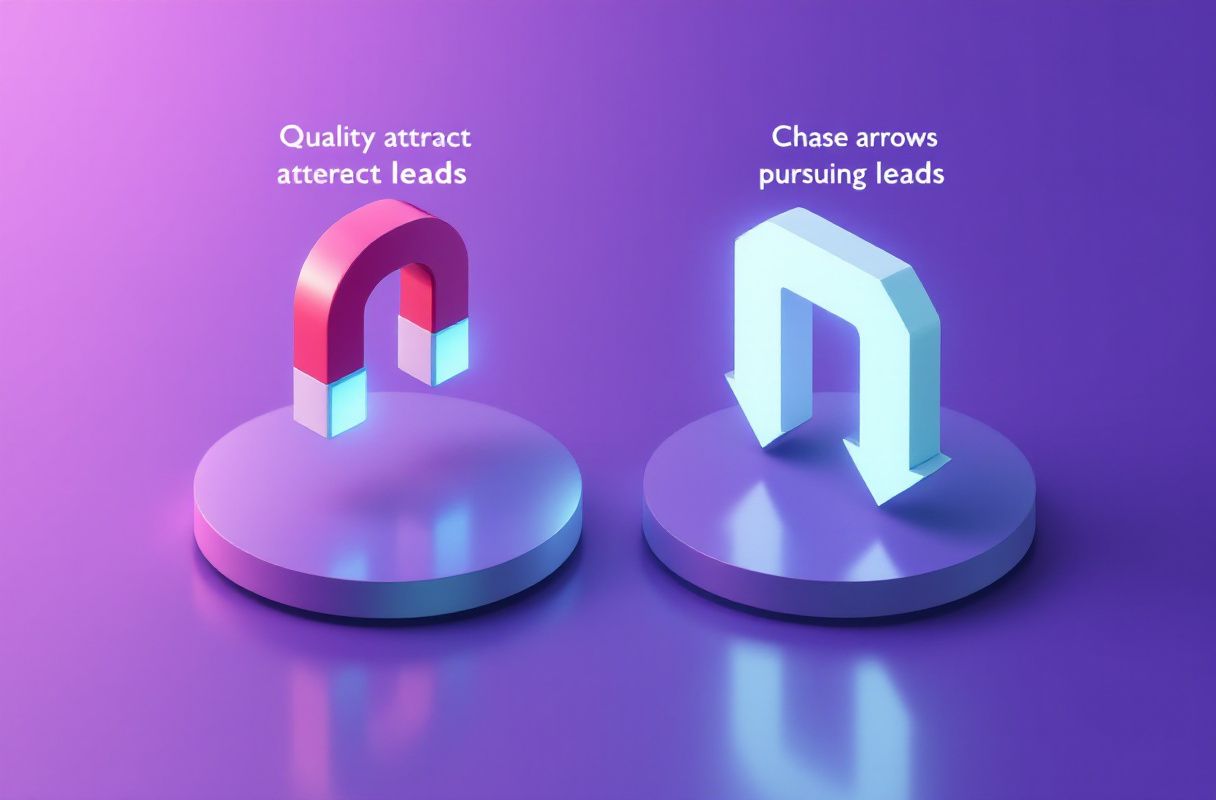
Working Pipeline vs. Creating It
Here is the distinction that decides which tool actually grows your number.
Close answers an execution question. It takes the leads and deals already in your funnel and helps reps dial, sequence, track, and close them faster and more consistently. That is the downstream half of go-to-market — the engine that works the pipeline once it exists.
Demand generation answers a source question. It puts a point of view in front of the right people, repeatedly, until they know you, trust you, and come to you. That is the upstream half — and it is where net-new pipeline is actually born.
The trap is assuming a faster engine produces more fuel. It does not. You can run the sharpest dialer in your category — sequences, automation, AI email, the works — and still watch a thin funnel stay thin, because working the same leads faster never adds a lead that wasn't already there. And when reps point that Power Dialer at a bought cold list, faster dialing still converts near the 1.7% outbound rate. Speed doesn't fix the source.
Think of it as a high-performance engine. Close tunes it perfectly: every rep runs at full RPM, every follow-up fires on time. But an engine with an empty tank goes nowhere. Demand generation is the fuel. That is exactly where a CRM quietly stops, and exactly where an inbound engine begins. A strong LinkedIn content strategy is what fills the tank the engine depends on — and understanding inbound versus outbound on LinkedIn is what makes the difference obvious.
How ConnectSafely Compares
ConnectSafely is not another sales CRM. It is the LinkedIn inbound authority engine that creates the net-new demand your CRM then works.
- From $10/month. Transparent, predictable pricing — no per-minute call charges, no dialer credits, no usage meter to watch.
- Zero ban risk. ConnectSafely is engineered for safe LinkedIn growth, so you build authority without gambling your account.
- Creation, not just execution. Where Close works the leads you already have, ConnectSafely helps you generate new ones on the platform where B2B buyers actually make decisions.
- Authority that compounds. Consistent presence turns you into the person prospects already trust before the first call — the mechanism behind B2B social selling that converts engagement into revenue.
- Inbound math on your side. Because it feeds the 14.6% vs 1.7% inbound channel, effort compounds into conversations that close, following the five pillars of LinkedIn lead generation.
Close makes sure your reps work every lead fast. ConnectSafely makes sure there are more leads to work in the first place.
Which Should You Choose? (By Role)
Remember: these tools are complementary. Demand creation sits upstream; the CRM sits downstream. Most teams that win use the inbound engine to fill the funnel that Close then works — they don't choose one and abandon the other.
| Role | Lean Close | Lean ConnectSafely | Best Combined Play |
|---|---|---|---|
| Founder | Working a pipeline that already exists | Building a personal brand that attracts inbound | Create demand first, then work it in Close |
| B2B Sales | Dialing and sequencing leads at speed | Warming buyers so they arrive pre-sold | Fill the top of funnel, let Close close the bottom |
| Agency | Managing client outreach and follow-up | Generating leads for the agency itself | Use the engine for pipeline, Close for execution |
| RevOps | Standardizing rep activity and pipeline hygiene | Feeding net-new leads into the system | Wire demand creation into the CRM workflow |
If budget forces one choice and your funnel is thin, the inbound engine is the one that produces leads — a CRM has nothing to work without them. If your funnel is already full and your reps are slow to work it, Close is the specialist. The strongest programs run demand creation into a CRM — and pair the engine with the inbound-versus-outbound playbook for LinkedIn.
What Most Guides Get Wrong
Most comparison guides treat a sales CRM as a growth engine. It isn't. It's an accelerator.
The unspoken assumption in a lot of sales advice is that if you just worked your pipeline efficiently enough, growth would follow automatically. It won't. Efficiency is necessary and insufficient. A flawless dialing workflow acting on an empty funnel changes nothing about your revenue — and pointed at a cold list, it just burns through it faster at the same low conversion rate.
This is why teams invest in a CRM and stay flat: they keep tuning the engine and never fill the tank. The pipeline problem is rarely solved by faster execution. It's solved by wiring a demand source into the front of the system — one that publishes, distributes, and attracts on your behalf — as covered in the pillar on the best LinkedIn tools for authority-led growth and the broader logic of inbound marketing. The CRM is the engine. Demand is the fuel. You don't go farther by revving harder on an empty tank.
Real Results
Consider a representative pattern rather than a guarantee: a mid-size B2B team adopts Close and, within weeks, has reps dialing more, follow-ups automated, and clean pipeline visibility. Encouraging — but their new-business number barely moves, because working the same leads faster doesn't add any.
They then wire a demand source into the front of that system: a consistent LinkedIn presence that publishes their point of view and attracts net-new inbound conversations. Over the following months, the pattern typically seen is that new leads begin arriving already aware of the team's expertise — the pre-sold, inbound conversation that converts closer to that 14.6% figure than the cold 1.7% one. The CRM didn't change. What changed was that something finally started filling it. Results vary by audience, effort, and consistency — but the mechanism is the point: a CRM multiplies demand only once demand exists.
Frequently Asked Questions
What is the best Close CRM alternative for LinkedIn lead generation?
For LinkedIn lead generation specifically, ConnectSafely is the stronger fit. Close is a sales CRM — it dials, sequences, and tracks the leads you already have. ConnectSafely is an inbound authority engine that creates net-new leads on LinkedIn, starting from $10/month with zero ban risk. If your goal is more pipeline rather than faster pipeline, you want a demand source, not another execution layer.
Is Close CRM worth it in 2026?
Yes — for the job it's built for. If you have a full funnel and a high-volume sales team that lives on the phone, Close's built-in calling, Power Dialer, and automation deliver real value, which is why it holds ~4.7/5 across 2,000+ G2 reviews. Just budget for the usage layer: call minutes, SMS, and dialer credits are billed separately and can push the real cost well above the seat price. It's worth it as a downstream execution engine — not as a source of net-new demand.
Does a sales CRM generate leads?
Not by itself. CRMs like Close work, sequence, and track the leads already in your funnel; they don't publish, distribute, or attract new interest. A CRM is downstream of demand, not a substitute for it. To generate net-new leads, you need an engine that creates them — which is the gap ConnectSafely fills.
How is ConnectSafely different from Close CRM?
Close helps your reps work the pipeline you already have — the engine that dials, sequences, and closes deals efficiently. ConnectSafely creates the demand itself, building authority on LinkedIn so new prospects come to you. Close is downstream execution; ConnectSafely is upstream demand generation. One works the leads; the other creates them.
Can I use Close CRM and ConnectSafely together?
Absolutely — that's the strongest play. Use ConnectSafely upstream to create net-new inbound leads by building LinkedIn authority and distributing your point of view. Then let Close downstream work, sequence, and close those leads with its calling and automation. Demand creation fills the funnel; the CRM executes on it. They're complementary, not competitors.
Ready to Fill the Pipeline Your CRM Works?
A sales CRM is where a mature revenue operation gets efficient — but it's not where pipeline is born. If your reps are already fast, the next move is to make sure there are fresh leads for them to work.
ConnectSafely turns your expertise into published LinkedIn authority and net-new inbound conversations — from $10/month, with zero ban risk, feeding the channel that closes at 14.6% vs 1.7%.
See ConnectSafely pricing and explore the full playbook in our pillar guide to the best LinkedIn tools for authority-led growth. Stop revving on an empty tank. Start filling it.
See How It Works
Watch how people get more LinkedIn leads with ConnectSafely




Related Articles