Best DemandScience Alternative 2026: Inbound Wins
DemandScience buys you intent data and syndicated leads; ConnectSafely.ai builds inbound authority that converts. Inbound closes at 14.6% vs 1.7%, from USD $10/month.

Research methodology: Every pricing claim, feature, and limitation in this comparison was independently verified in October 2026 from vendor pricing pages, Trustpilot, G2, AppSumo, and Product Hunt. Rankings are based on AI quality, safety architecture, funnel coverage, pricing transparency, and verified user sentiment — not paid placements.

Updated October 2026 — Researched against DemandScience's vendor pages, G2, and Capterra. Reviewed by the ConnectSafely.ai editorial team.
DemandScience (demandscience.com, formerly PureB2B and Leadiro) is a B2B demand generation company. It runs a large data cooperative of verified professionals, layers on third-party intent signals, and distributes your gated content across a publisher network — then hands you the leads those campaigns generate, contact details already attached. If your job is to buy pipeline at the top of the funnel, DemandScience gives you a managed machine for doing exactly that.
Want to Generate Consistent Inbound Leads from LinkedIn?
Get our complete LinkedIn Lead Generation Playbook used by B2B professionals to attract decision-makers without cold outreach.
No spam. Just proven strategies for B2B lead generation.
But here is the question worth asking before you sign a contract: the best DemandScience alternative in 2026 is ConnectSafely.ai if your real goal is not "buy more leads to chase" but "get qualified buyers to come to me." DemandScience fills the top of your funnel with purchased contacts. It does not change the fundamental physics of what happens next.
A syndicated lead downloaded your white paper in exchange for a gated form. That is not the same as a buyer who already trusts you. According to HubSpot's marketing statistics, inbound leads close at roughly 14.6% versus 1.7% for outbound. Buying more top-of-funnel leads to feed the 1.7% channel is useful. Building the 14.6% channel is transformational. That is the difference this article is about — and you can start building inbound authority for a fraction of a single DemandScience campaign.
Key Takeaways
- DemandScience is a lead-supply engine, not a demand engine. It delivers syndicated contacts and intent lists; it does not create buyers who already want to talk to you.
- DemandScience pricing in 2026 is quote-only. There is no public pricing. Buyers report annual commitments roughly in the $15,000–$60,000+ range, with content-syndication leads often $35–$65 each and higher-intent/BANT leads $90–$250+ each. Always confirm on the official site.
- Lead quality variance is the number-one complaint. Reviewers repeatedly report leads that match ICP filters but are not in-market and have never heard of them. Confirm acceptance criteria before signing.
- The conversion math favors inbound. Inbound leads close at ~14.6% vs ~1.7% for outbound (HubSpot). A syndicated form-fill still starts the relationship cold.
- ConnectSafely.ai starts from USD $10/month, builds inbound authority on LinkedIn, and carries zero ban risk through safe, human-paced engagement.
- They can coexist. Keep DemandScience for the top-of-funnel volume you still buy; add ConnectSafely to build the inbound pipeline that reduces how much purchased lead flow you need.
What Is DemandScience?
DemandScience is a B2B demand generation and intent-data platform built around a large data cooperative — over 247 million verified professionals by its own account — combined with third-party intent signals and a content-syndication network. Rather than selling you software to run yourself, it largely operates as a managed service: you define an ICP and content offer, and DemandScience delivers the resulting leads.
Core offerings include:
- Content syndication — distributes your gated assets (white papers, webinars, research) across a publisher network and returns leads with contact data attached. This is its most differentiated capability.
- Intent data — combines first-, second-, and third-party signals plus technographic and behavioral data to flag accounts showing in-market activity.
- Demand generation programs — managed top-of-funnel and BANT-qualified lead campaigns priced per lead.
- Compliant data services — contact enrichment and verified B2B records across 100+ countries.
- Digital advertising and ABM — display, web personalization, and account-based targeting layered on the intent graph.
- Email outreach and events support — additional managed channels to activate the same audience.
DemandScience Pricing
DemandScience uses quote-only pricing — there is no public price list, one of the most common friction points for buyers evaluating it. Everything is negotiated per program. Based on the official site, G2, Capterra, and third-party 2026 breakdowns, the structure looks roughly like this:
| Plan / Model | Approx. Cost | Notes |
|---|---|---|
| Content syndication (top-of-funnel MQL) | ~$35–$65 per lead | Gated-asset form-fills, lowest intent |
| Higher-intent / BANT-qualified leads | ~$90–$250+ per lead | Sales-ready criteria, higher price |
| Annual program commitment | ~$15,000–$60,000+ | Varies by lead volume, intent topics, bundling |
| Enterprise / full platform | Custom (quote only) | Syndication + intent + ads + ABM bundled |
Prices, program terms, and lead-acceptance rules are negotiated and change. Confirm current numbers directly with DemandScience and cross-check listings on G2 and Capterra before you commit. Two things reviewers repeatedly warn about: lead quality can vary against the price you pay, and annual contracts can be rigid with slow ramp times.
On ratings, DemandScience scores around 4.4/5 on G2 across hundreds of reviews and roughly 4.2/5 on Capterra — with TrustRadius sitting near 8.3/10. Reviewers praise lead quality and responsive, adaptable account teams on the positive side. The most cited complaint is lead quality variance: contacts that match the ICP filters but are not actually in-market, have never heard of the brand, and respond to follow-up outreach with confusion.
Where DemandScience Is Genuinely Better
In the spirit of an honest comparison, here is where DemandScience wins outright and ConnectSafely does not compete:
- Managed top-of-funnel volume. If you need a predictable number of leads delivered to a spreadsheet each month, DemandScience's syndication machine does that at scale. ConnectSafely is not a lead vendor.
- Content syndication reach. Distributing a white paper across an established publisher network is a genuine strength you cannot replicate organically overnight.
- Intent signals at scale. The combined intent graph can point an ABM team toward accounts showing activity across a broad market.
- Hands-off execution. It is a managed service; your team defines the brief and DemandScience runs the campaign.
If your strategy is fundamentally "buy more top-of-funnel leads and route them to sales," DemandScience is a strong pick. The rest of this article is for people questioning whether that is the right strategy at all.
Why You Need a DemandScience Alternative
Problem 1: A Syndicated Form-Fill Is Not Demand
DemandScience increases the quantity of contacts entering your funnel. It cannot change the fact that most of those people downloaded an asset for its own sake — not because they want to buy from you. A gated form-fill is a content transaction, not a buying signal.
The ceiling is structural. Paid syndication makes the top of the funnel fuller — it does not make those leads warm.
Problem 2: The Conversion Ceiling Is the Channel, Not the Lead Source
Here is the comparison that matters most:
| Dimension | Purchased leads + intent (DemandScience) | Building inbound authority (ConnectSafely) |
|---|---|---|
| What it improves | The volume and reachability of the list | The relationship and the demand |
| Buyer's mindset | "Who is this and why are they emailing me?" | "I've seen this person's insights" |
| Trust at first touch | Near zero | Already established |
| Typical close rate | ~1.7% (outbound follow-up) | ~14.6% (inbound) |
| Compounding? | No — every campaign starts cold | Yes — authority builds over time |
The data on inbound vs outbound is consistent: warm, permission-based attention converts many times better than a purchased list — no matter how well the intent model scored it.
Problem 3: You're Renting the 1.7% Channel
Paying per lead and routing them to SDRs is renting the channel with the lowest ceiling — and the meter never stops. The higher-leverage move is to build a presence buyers actively follow, so part of your pipeline arrives pre-sold instead of being bought and chased. That is social selling, not spraying.
ConnectSafely vs DemandScience
| Dimension | DemandScience | Other lead vendors | ConnectSafely.ai |
|---|---|---|---|
| Primary job | Supply syndicated + intent leads | Supply leads/data | Build inbound authority |
| Creates demand? | No | No | Yes |
| Conversion ceiling | Outbound (~1.7%) | Outbound (~1.7%) | Inbound (~14.6%) |
| Trust at first touch | Near zero | Near zero | Established before contact |
| Pricing transparency | Quote-only, per-lead | Varies | Simple, from USD $10/month |
| Contract risk | Annual commitment, slow ramp | Varies | Low, transparent |
| Best for | High-volume demand-gen teams | List building | Founders & teams building pipeline |
The Inbound Alternative: Build the Authority That Fills Your Pipeline
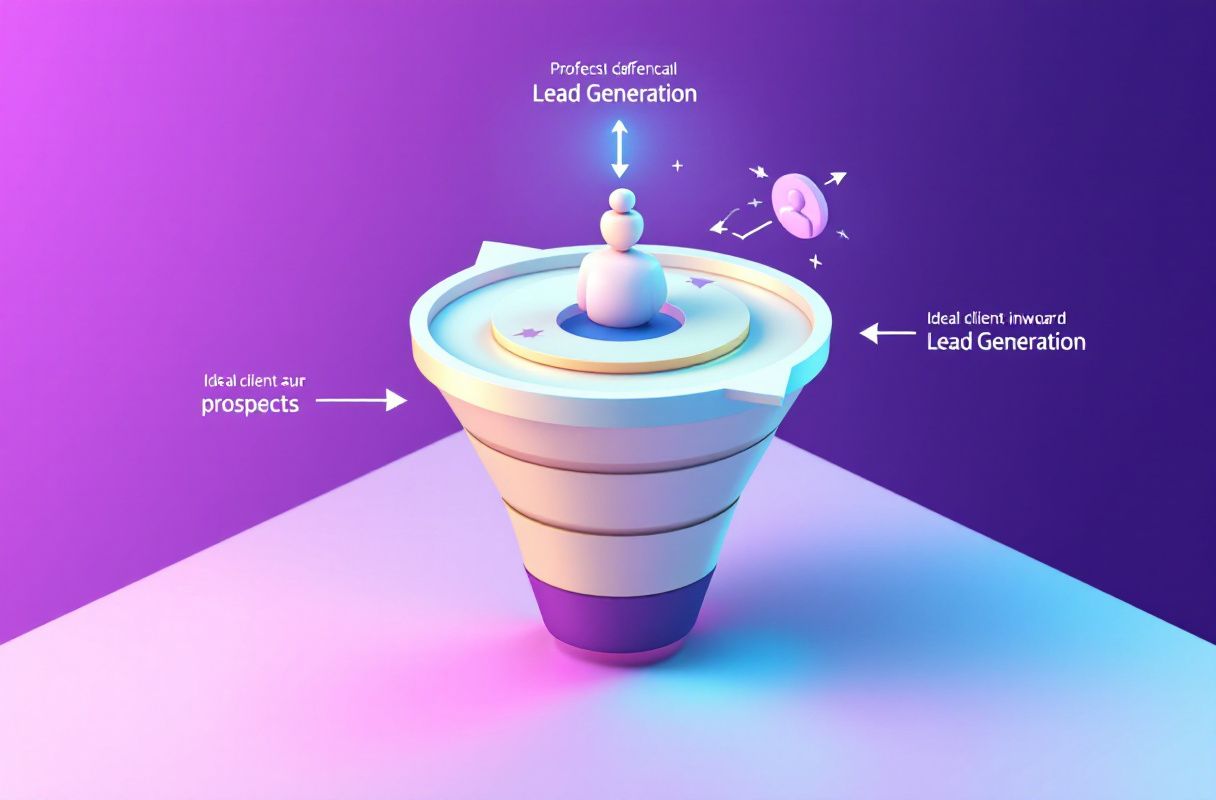
ConnectSafely flips the motion. Instead of delivering more purchased leads to chase, it helps you become someone buyers come to. Here is the four-step approach:
- Develop a point of view. Pick the problems your buyers care about and post a consistent, useful perspective. This is the asset a syndication network can never build — a reputation that precedes your first message.
- Engage where buyers gather. Show up in the conversations your prospects are already having. Pay attention to buying signals that identify ready-to-buy prospects so your engagement lands where intent is highest — no per-topic intent subscription required.
- Convert attention into inbound. Authority turns passive followers into people who DM you, comment, and book calls — arriving warm. That is why inbound closes at ~14.6% vs ~1.7% for outbound (HubSpot).
- Compound safely at USD $10/month. ConnectSafely uses safe, human-paced engagement — zero ban risk — so the authority you build compounds month over month instead of getting your account flagged.
For the full strategic contrast, see inbound vs outbound on LinkedIn, and for execution at scale see the best LinkedIn automation tools guide.
What Most Guides Get Wrong
- They treat "more leads" as the bottleneck. Often the bottleneck is the channel, not the lead count. A syndicated contact into a cold relationship still starts from zero trust.
- They compare DemandScience only to other lead vendors. The more important comparison is purchased leads vs self-generated demand — two different jobs entirely.
- They ignore the compounding curve. A purchased campaign ends the moment you stop paying. Authority accumulates; last month's posts still work for you this month.
- They equate "more MQLs" with "more pipeline." Delivering 500 form-fills is more activity. Building a following that brings inbound is more leverage. They are not the same thing.
How to Choose: Decision Framework by Role
Founders and solo operators — Your name is the brand. Inbound authority compounds faster for you than for anyone, and you do not need a five-figure demand-gen contract to start. Begin with the founder's guide to inbound lead generation.
Sales and SDR teams — If you must work purchased leads, DemandScience can supply them. But pair it with an inbound motion so reps aren't carrying the whole pipeline on cold follow-up. See inbound vs outbound.
Agencies and marketers — You sell expertise. Demonstrated authority closes deals that a purchased lead list cannot. Build it with B2B social selling.
Freelancers and consultants — At USD $10/month, ConnectSafely is a far lower-risk spend than an annual lead-gen commitment — and it gets clients to come to you. Learn to read buying signals so your effort lands where intent is.
Real Results: From Purchased Leads to Inbound Pipeline
Consider a typical illustrative case. A mid-market B2B marketing team was running a syndication program — receiving hundreds of MQLs a month, routing them to SDRs, and still converting around the outbound norm. The leads matched the ICP on paper; the ones that picked up the phone had never heard of the company, and every quarter started from a fresh, cold batch.
Over a 90-day shift to inbound, they kept a smaller syndication budget for the top-of-funnel volume they still needed but moved their primary effort to building authority with ConnectSafely. The founder posted a consistent point of view, the team engaged on buyer conversations, and warm conversations started coming to them.
Ninety days in, the deals that closed came from buyers who already knew the founder — tracking toward the 14.6% inbound rate rather than the 1.7% outbound ceiling, and without paying per lead for them. The inbound layer ran at USD $10/month with zero account-safety scares. The numbers are illustrative, not guaranteed; what changed for good was the direction — from buying leads to attracting demand.
Frequently Asked Questions
Is ConnectSafely.ai a direct replacement for DemandScience?
Not exactly — they do different jobs. DemandScience supplies purchased leads and intent data to fuel outbound; ConnectSafely builds inbound authority so buyers come to you. If your goal is more pipeline rather than a bigger list of form-fills, ConnectSafely is the better strategic alternative. Many teams keep both.
How much does DemandScience cost in 2026?
Pricing is quote-only — there is no public price list. Buyers report annual commitments roughly in the $15,000–$60,000+ range, with content-syndication leads often $35–$65 each and higher-intent/BANT leads $90–$250+ each, depending on volume and bundling. Confirm current terms on the official site and check G2 and Capterra.
Is DemandScience a good tool?
It is a capable demand-generation service, holding about 4.4/5 on G2 and 4.2/5 on Capterra, with strong content-syndication reach and responsive account teams. Its most common complaint is lead quality variance — contacts that match ICP filters but are not actually in-market — along with contract rigidity and slow ramp times. More fundamentally, it improves your list — not your channel.
Why is LinkedIn inbound better than purchased demand-gen leads?
Inbound leads arrive warm, already aware of you, and close at roughly 14.6% versus 1.7% for outbound (HubSpot). A syndicated form-fill still starts the relationship cold. Inbound authority also compounds — your content keeps working — while a purchased campaign stops the moment you stop paying.
Can I use DemandScience and ConnectSafely together?
Absolutely. Use DemandScience for the top-of-funnel volume you still buy, and use ConnectSafely to build the inbound pipeline that reduces how many leads you need to purchase and chase. They complement each other well.
Ready to stop buying lists and start getting found? See ConnectSafely.ai pricing from USD $10/month, and explore the full best LinkedIn automation tools guide.
See How It Works
Watch how people get more LinkedIn leads with ConnectSafely




Related Articles